22 Malaysian Recipes: Nasi Lemak, Laksa & Rendang for Weeknight Dinners
Malay, Chinese and Indian cooking share one street and one pantry. Learn to fry a rempah until the oil separates and nasi lemak, laksa, rendang and mee goreng all open up.
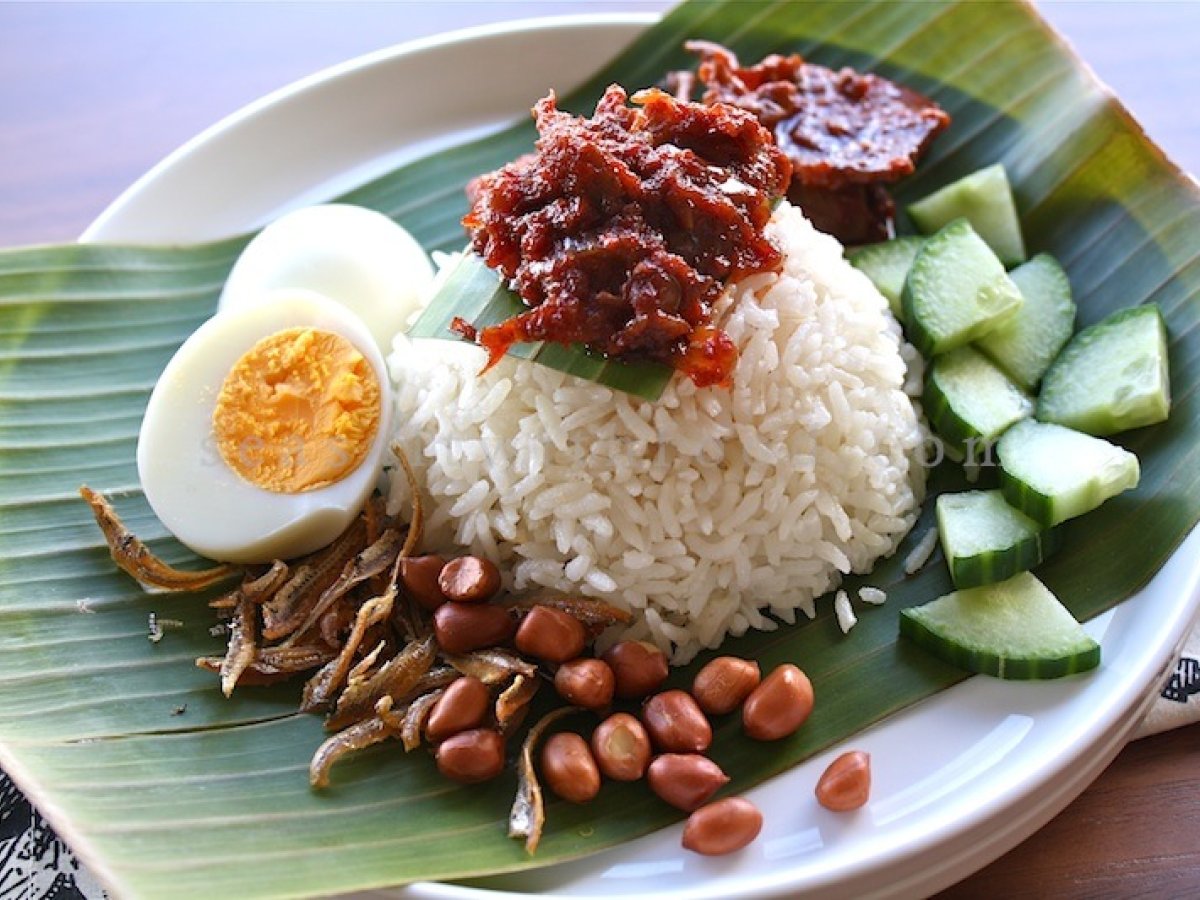
Malaysian food at home comes down to three sauces and one wok. Make a sambal (chili, shallot, garlic, belacan), keep coconut milk and tamarind in the pantry, and you can put nasi lemak, laksa, rendang or mee goreng on a weeknight table in 20 to 45 minutes. Start with Malaysian-style Nasi Lemak with Spiced Anchovy Sambal — 15 minutes prep, 30 minutes cook — then work outward.
Get a free week of easy dinners
Seven weeknight dinners with the shopping list already totalled, sent Sunday. No account needed, unsubscribe in one click.
No spam, unsubscribe in one click. Recipes, shopping lists and Instacart carts all work without an account either way.
Introduction: Malaysia's Three-Culture Kitchen and Why It's a Weeknight Goldmine
Malaysia is the rare cuisine where three complete culinary traditions sit on the same street and borrow from each other daily. Malay, Chinese and Indian cooking arrived separately, stayed distinct, and cross-pollinated into hybrids — Nyonya (Chinese-Malay) and mamak (Indian-Muslim) — that exist nowhere else.
For a home cook that matters practically, not just historically. It means the same pantry serves four different dinner formats:
| Tradition | Signature dishes | Typical weeknight time | Core technique |
|---|---|---|---|
| Malay | Nasi lemak, rendang, sambal dishes | 30 min (rendang: 2–3 hr) | Spice paste (rempah) fried in oil |
| Chinese-Malaysian | Char kway teow, Hainanese chicken rice, Hokkien mee | 15–35 min | High-heat wok, soy-based sauces |
| Indian-Malaysian (mamak) | Roti canai, dhal, mee goreng mamak | 20–30 min | Dry-toasted spices, ghee |
| Nyonya | Laksa, ayam pongteh, kuih | 25–45 min | Rempah + coconut + tamarind |
You do not have to pick a lane. A Tuesday can be 15 minutes of Stir-Fried Mee Goreng with Spicy Sambal Sauce; a Sunday can be a three-hour Lowyat-Style Spiced Beef Rendang with Toasted Coconut that feeds six.
If you want the wider regional view including Indonesia, our 22 Malaysian & Indonesian Recipes guide covers both countries. This one stays inside Malaysia, which means more kopitiam breakfast, more Nyonya, and more of the Chinese and Indian streams that Indonesia does not share.
The Malaysian Pantry
Five items unlock roughly 80% of this cuisine. Two are probably already in your kitchen.
| Ingredient | What it does | Cost | Notes |
|---|---|---|---|
| Belacan (shrimp paste) | The savory floor under every sambal | $4–6 per block | Toast before use; lasts a year sealed |
| Coconut milk (full fat) | Richness in nasi lemak, laksa, rendang, curry | $2 per can | Never buy "lite" for these dishes |
| Tamarind (pulp or concentrate) | Sour counterweight to coconut | $4–7 | Pulp tastes better; concentrate is faster |
| Kecap manis | Sweet soy for noodles | $5 | Substitute: soy + palm/brown sugar 2:1 |
| Dried chilies | Body and color in rempah | $5 | Soak 20 min before blending |
Belacan is the one people skip and shouldn't. It smells aggressive raw and disappears into savory depth once toasted. Wrap a thumb-sized piece in foil and dry-toast in a pan for 2–3 minutes per side until crumbly and nutty. Blend into your rempah. Skip it and your sambal tastes like generic chili sauce.
Rempah is the whole technique. Blend shallots, garlic, dried chilies, lemongrass, galangal and belacan into a paste, then fry it in a generous amount of oil over medium heat for 8–15 minutes until the oil visibly separates and pools red at the edges. That separation — pecah minyak — is the single most important visual cue in Malay cooking. Undercooked rempah tastes raw and harsh; properly fried rempah is sweet, deep and slightly jammy.
A wok or a wide carbon-steel skillet does most of the work here. If you are shopping, Cookware covers the pan and Utensils & Tools the wok spatula and mortar you will want for the paste. A small blender or spice grinder from Small Appliances beats hand-pounding on a weeknight.
Breakfast for Dinner: Nasi Lemak
Nasi lemak is the national dish and the best argument for coconut rice as a weeknight base. Rice cooked in coconut milk with pandan and salt, topped with sambal, fried anchovies, peanuts, cucumber and a hard or fried egg.
The numbers: Malaysian-style Nasi Lemak with Spiced Anchovy Sambal runs 15 minutes prep, 30 minutes cook, serves 4 at 450 calories and 18g protein.
Rice ratio. Use roughly 1 cup coconut milk to 0.75 cup water per 1.5 cups of rinsed rice, plus a knotted pandan leaf and a teaspoon of salt. More coconut than that and the rice goes gluey; less and you lose the point.
Sambal is where the dish lives. The tumis (fried) sambal for nasi lemak wants tamarind and a spoon of sugar — it should read sweet-sour-spicy in that order, not just hot. Make a double batch; it keeps two weeks refrigerated and turns any protein into a Malaysian dinner. Pan-Seared Chicken Thighs with Spicy Sambal Glaze is 25 minutes total using exactly that shortcut.
Real breakfast, if you want it. The kopitiam (coffee shop) standard is Kopitiam-Style Kaya Toast with Soft-Boiled Eggs — 20 minutes, 320 calories — with Teh Tarik-Inspired Creamy Milk Tea with Frothy Top alongside. Kaya is coconut-egg jam; toast goes under a cold slab of butter; the eggs get soy sauce and white pepper. It takes ten minutes and it is a genuinely different breakfast.
Noodle Soups: Curry Laksa, Assam Laksa, Prawn Mee
"Laksa" names two nearly opposite soups, and knowing which one you want saves a lot of confusion.
| Style | Base | Sourness | Best for |
|---|---|---|---|
| Curry laksa (laksa lemak) | Coconut + rempah | Low | Weeknights, first-timers |
| Assam laksa | Tamarind + mackerel | High | Adventurous palates |
| Prawn mee (Hokkien mee) | Prawn-shell + pork stock | None | Deep-flavor weekend project |
Start with curry laksa. Coconut Curry Laksa is 15 minutes prep and 15 minutes cook for four servings at 450 calories and 38g protein — genuinely a 30-minute dinner if you use a store-bought laksa paste as your rempah shortcut. The vegetarian route, Vegetarian Laksa with Tamarind Broth and Tofu, swaps in tamarind and tofu puffs at 380 calories.
The three things that make laksa taste like laksa:
1. Fry the paste properly (8–12 minutes, oil separating) before any liquid goes in.
2. Add coconut milk last and do not boil it. Above a simmer it splits and turns grainy.
3. Finish with acid. A squeeze of lime at the table is not optional — the coconut needs a counterweight.
Tofu puffs, bean sprouts, laksa leaf (or mint) and a hard-boiled egg are the standard garnish set. Don't skip the sprouts; the texture contrast against soft noodles is half the dish.
Wok Noodles: Char Kway Teow, Mee Goreng, Hokkien Mee
Char kway teow is the technical high point of Malaysian street food: flat rice noodles, prawns, Chinese sausage, egg, bean sprouts and chives, seared hard enough to pick up wok hei — the faint smoky char of a screaming-hot wok.
Spicy Malaysian Char Kway Teow Stir-Fried Rice Noodles is 15 minutes prep, 10 minutes cook, 480 calories and 30g protein for three. The prawn-and-sausage version, Stir-Fried Char Kway Teow with Prawns and Chinese Sausage, is closer to the hawker original.
How to get wok hei on a home stove. You cannot match a 100,000 BTU hawker burner, but you can get 70% of the way there:
- Cook in batches of one to two servings. Crowding the pan drops the surface temperature by 100°F or more and you end up steaming.
- Preheat until the pan just barely smokes, then add oil.
- Dry every ingredient. Wet noodles and wet sprouts kill the sear instantly.
- Have everything within arm's reach. Total cook time is under four minutes; there is no time to chop mid-stir-fry.
- Use carbon steel, not nonstick. Nonstick coatings degrade above roughly 500°F and cannot hold the heat you need.
Mee goreng is the forgiving cousin — yellow noodles, kecap manis, sambal, tofu, egg and greens. Stir-Fried Mee Goreng with Spicy Sambal Sauce is 10 minutes prep and 15 minutes cook for two, and it tolerates a merely-hot pan.
Malay Classics: Rendang, Sambal Dishes, Satay
Rendang is a dry curry, not a wet one. You are simmering beef in coconut milk and rempah for 2 to 3 hours until the liquid is fully absorbed and the coconut oil renders back out, frying the meat in its own sauce at the end. If your rendang is soupy, it is not finished.
- Lowyat-Style Spiced Beef Rendang with Toasted Coconut — 20 min prep, 130 min cook, serves 6, 550 calories, 45g protein.
- Braised Beef Rendang with Toasted Coconut — the 150-minute version at 450 calories.
The kerisik (toasted grated coconut, pounded until it releases oil) is what separates a real rendang from a beef curry. Toast unsweetened shredded coconut dry in a pan for 8–10 minutes until deep brown, then grind. It takes fifteen minutes and it is the flavor everyone remembers. Bon Appétit's rendang walks the same reduction logic if you want a second reference on timing.
Sambal dishes are the weeknight workhorses. Stir-Fried Malaysian Sambal Prawns with Tamarind is 22 minutes total at 280 calories and 30g protein. Sambal Stir-Fried Aubergine and Okra is the vegetable side that earns its place at 140 calories.
Satay wants a real fire but survives a grill pan. Grilled Chicken Satay with Peanut and Coconut Sauce is 35 minutes prep, 15 minutes cook, 400 calories, 35g protein. Soak bamboo skewers 30 minutes; brush with a lemongrass-oil baste every turn.
For a gentler entry, Simmered Lemongrass Chicken with Coconut Rice puts the Malay flavor set into a one-pot format — 20 min prep, 40 min cook, 580 calories, 38g protein.
Chinese-Malaysian Plates: Hainanese Chicken Rice
Hainanese chicken rice is poached chicken, rice cooked in the poaching stock and rendered chicken fat, and three condiments: ginger-scallion oil, chili-garlic-lime sauce, and dark soy.
- Hainanese Chicken Rice with Ginger-Soy Dipping Sauce — the classic poach, 20 min prep, 50 min cook, 480 calories, 30g protein.
- Stir-Fried Malaysian Kopitiam Hainanese Chicken Rice — the fast weeknight adaptation at 10 min prep, 35 min cook.
- Chili-Lime Soy Dipping Sauce for Kopitiam Chicken Rice — 5 minutes, and the dish is noticeably worse without it.
The one non-negotiable: the rice must be cooked in the chicken stock with a spoonful of the rendered fat and a bruised knob of ginger. Plain steamed rice under poached chicken is not the dish — it is boiled chicken and rice.
The ice bath. Drop the poached bird into ice water for 5 minutes before carving. It stops the cooking, firms the flesh, and sets the gelatinous skin that Hainanese chicken is judged on.
If you like this register, our 22 Cantonese Recipes guide covers the parent tradition.
Indian-Malaysian: Roti Canai and Dhal
Mamak stalls run on flaky flatbread and lentils. Roti canai is a laminated dough — flour, water, fat, a long rest, then a dramatic stretch-and-fold — and it is the one dish here that genuinely rewards practice over instruction.
The realistic weeknight move is to buy frozen roti canai (most Asian groceries carry it, roughly $5 for five pieces) and cook it yourself in a dry pan for 90 seconds a side. Pair with Coconut Mung Bean Dhal with Fresh Herbs — 15 min prep, 35 min cook, 210 calories, 11g protein — and dinner costs under $2 a serving.
For a mamak-style curry to dip into, Kuala Lumpur Spiced Coconut Chicken Curry (15/35 minutes, 420 calories, 35g protein) and Coconut Tamarind Chicken Curry both work. The vegetarian option is Stir-fried Lemongrass Tofu with Mixed Vegetables at 240 calories.
Kuih and Sweet Endings
Kuih are the bite-sized steamed and layered sweets — pandan, coconut, glutinous rice, palm sugar. They are genuinely fiddly, and honesty is more useful than encouragement here: kuih lapis takes nine steamed layers and about two hours.
The high-return sweets for a home cook are the simple ones: kaya on toast (above), fresh mango with coconut cream and palm sugar, or ABC/ais kacang if you have a shaved-ice setup. Save kuih for a weekend project or buy it.
A Weeknight Malaysian Mini-Plan
One shop, four dinners, roughly $52 for four servings each. Make a double batch of sambal on Sunday and it carries the whole week.
| Night | Dish | Hands-on | Total time |
|---|---|---|---|
| Sunday | Nasi lemak + double sambal batch | 35 min | 60 min |
| Monday | Mee goreng using Sunday's sambal | 15 min | 25 min |
| Wednesday | Coconut curry laksa | 20 min | 30 min |
| Friday | Sambal prawns + rice | 12 min | 22 min |
Build the aisle-by-aisle list in the Meal Plan tool, and store the sambal batch in the small glass jars from Storage & Containers. The AislePrompt chat can rework any of these four around a shellfish or peanut allergy without collapsing the plan.
Common Pitfalls
1. Under-frying the rempah. If you have not seen oil separate and pool at the edges, keep going. Eight minutes is the minimum; twelve to fifteen is normal.
2. Boiling coconut milk. It splits above a simmer and the texture never comes back. Add it late, keep it at a bare quiver.
3. Crowding the wok. Two servings maximum per batch on a home burner. Four servings at once is how you get steamed grey noodles.
4. Skipping belacan or kerisik. These are not garnishes; they are the flavors that identify the cuisine. A rendang without kerisik is a coconut beef stew.
5. Treating "laksa" as one dish. Ordering or cooking assam laksa expecting the creamy coconut version is the most common disappointment. Check which base the recipe uses first.
When Malaysian Cooking Is the Wrong Call
- You have 15 minutes and no prep done. Only mee goreng and a sambal-glazed protein fit that window, and both assume sambal already exists.
- Your kitchen has no ventilation. High-heat wok cooking and toasted belacan will fill an apartment. Cook laksa or a curry instead of char kway teow.
- Coconut milk is off the table. Roughly two thirds of this canon is coconut-based. Thai has the same problem; Vietnamese does not, and is the better fit.
Frequently Asked Questions
Short answers are collected in the FAQ block below the article.
Sources & Further Reading
- Serious Eats — Nasi Lemak — careful, tested treatment of the coconut rice ratio and the tumis sambal.
- Bon Appétit — Beef Rendang — a reliable reference for the long reduction and kerisik step.
- The Spruce Eats — Malaysian Food Guide — useful background on how the Malay, Chinese and Indian streams divide.
Related reading on AislePrompt: 22 Malaysian & Indonesian Recipes, 18 Sri Lankan Recipes, 25 Thai Dinners, and 20 Best Indian Curry Recipes.
As of 2026, all cook times and nutrition figures above come from the tested recipes linked in each section.
Frequently asked questions
What is belacan and can I skip it?
Is beef rendang really a weeknight dinner?
What Malaysian dish is the best starting point for beginners?
Can I make Malaysian food gluten-free?
What is the difference between curry laksa and assam laksa?
Sources
Recipes to start your week with
Save any of these to My Recipes — no account needed — and send the ingredients to Instacart in one tap.



Cook Malaysian at home this week.
Ask our AI for a week of Malaysian dinners — it writes the recipes, builds the shopping list, and sends the cart to Instacart. No account needed.
Plan my Malaysian week →