The 30-Minute Weeknight Dinner Plan: 4 Weeks of Fast Family Meals + Shopping Lists
One pan, eight ingredients, twenty nights — and the fifteen minutes on Sunday that make the clock honest.
Thirty minutes from walking into the kitchen to plates on the table is achievable four nights a week, but only if the plan does the work in advance. What follows is four weeks of dinners built around one rule — every meal uses one pan and a maximum of eight ingredients — plus the shopping list, the pantry, and the 15-minute prep ritual that makes the clock honest.
Get a free week of easy dinners
Seven weeknight dinners with the shopping list already totalled, sent Sunday. No account needed, unsubscribe in one click.
No spam, unsubscribe in one click. Recipes, shopping lists and Instacart carts all work without an account either way.
Why 30 minutes is the magic number (and how to actually hit it)
Thirty minutes is roughly the window between "we are eating soon" and "someone is making toast." It is also, not coincidentally, about how long a pot of rice takes, or a sheet pan of chicken thighs at 425°F. Build the plan around that constraint and it stops being aspirational.
The reason most 30-minute recipes take 50 is that recipe timers start when the cooking starts. The real clock includes finding the cutting board, discovering the chicken is still frozen, and mincing garlic while the pan smokes. Three structural fixes close that gap:
| Time sink | Typical cost | Fix |
|---|---|---|
| Thawing protein | 15-30 min or a ruined plan | Thaw in the fridge the night before, always |
| Prep during cooking | 8-12 min of pan mismanagement | Full mise en place before heat |
| Deciding what to cook | 10-20 min, plus a grocery run | The four-week rotation below |
| Multiple pans and pots | 6-10 min of staging and washing | One-pan or sheet-pan formats only |
| Chopping aromatics | 5-8 min per meal | Batch-chop onion and garlic on Sunday |
The plan below assumes all five fixes. Without the first one — protein out of the freezer the night before — nothing else matters, because you cannot cook a frozen chicken breast in thirty minutes and you cannot make a decision at 6:15 p.m. that should have been made at 9 p.m. the previous night.
The 30-minute pantry: 15 shortcut ingredients that save real time
These are not compromises. Every one is something a professional kitchen also uses, and each buys back a measurable number of minutes.
| Shortcut | Replaces | Minutes saved | Cost |
|---|---|---|---|
| Rotisserie chicken | Roasting a bird | 60+ | $6-8 |
| Pre-minced garlic (jar) | Peeling and mincing | 4 | $3 |
| Frozen chopped onion | Dicing an onion | 5 | $2 |
| Boil-in-bag or microwave rice | Cooking rice | 15 | $2.50 |
| Canned beans | Soaking and simmering dried | 90+ | $1.20 |
| Frozen peeled shrimp | Peeling and deveining | 12 | $9/lb |
| Pre-shredded slaw mix | Shredding cabbage and carrot | 8 | $2.50 |
| Jarred pesto | Making pesto | 10 | $4 |
| Boxed stock | Making stock | Hours | $3 |
| Frozen riced cauliflower | Ricing cauliflower | 10 | $2 |
| Canned crushed tomatoes | Blanching and peeling | 20 | $1.50 |
| Pre-cut butternut squash | Peeling a squash | 12 | $4 |
| Refrigerated gnocchi | Making gnocchi | 45 | $3 |
| Frozen stir-fry vegetables | Cutting six vegetables | 10 | $3 |
| Ginger paste (tube) | Peeling and grating | 4 | $4 |
Two that are worth the money above all others: rotisserie chicken and frozen shrimp. A $7 rotisserie bird yields about 3 cups of shredded meat, enough for two dinners, and it eliminates the single longest step in the largest number of recipes. Frozen peeled shrimp thaw under cold running water in five minutes and cook in three.
Two that are not worth it: pre-cut bell peppers (they cost triple and go slimy in two days) and bagged pre-shredded cheese (the anti-caking starch ruins any sauce it goes into).
Week 1: sheet pan and skillet dinners (with shopping list)
The opening week is the easiest, deliberately. Sheet pan cooking is the lowest-effort format there is: everything goes on one tray, the oven does the work, and the pan is the only dish.
| Night | Dinner | Total time | Format |
|---|---|---|---|
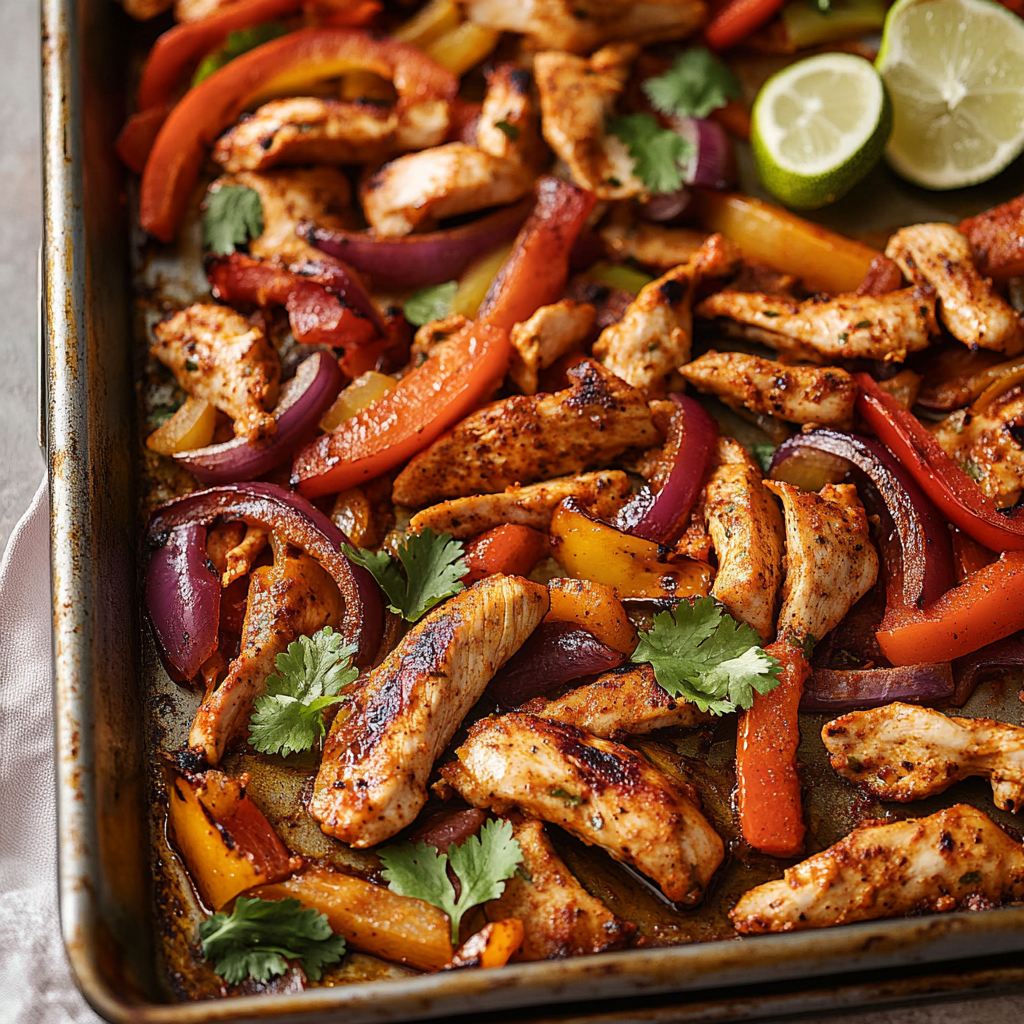
| Mon | Sheet Pan Chicken Fajitas with Black Beans | 30 min | Sheet pan |
| Tue | Spicy Ohio-Style Sausage and Peppers Skillet | 20 min | Skillet |
| Wed | Lemon Herb Salmon Sheet Pan | 22 min | Sheet pan |
| Thu | One-Pan Beef and Cheese Taco Skillet | 22 min | Skillet |
| Fri | Stovetop Chicken Quesadillas with Roasted Red Pepper Sauce | 20 min | Skillet |
Week 1 shopping list. Produce: 3 bell peppers, 2 onions, 2 limes, 1 lemon, cilantro, 1 bag pre-shredded slaw. Protein: 2 lb chicken breast or thigh, 1 lb Italian sausage, 1 lb ground beef, 4 salmon fillets. Dairy: shredded cheddar, sour cream. Pantry: 2 cans black beans, flour tortillas, taco seasoning, rice, olive oil. Estimated total: $62 for a family of four, five dinners — about $3.10 per serving.
Week 2: pasta and rice bowl nights
Pasta is the fastest starch there is, and one-pot pasta — where the pasta cooks in the sauce rather than in separate water — cuts both time and washing up.
| Night | Dinner | Total time | Format |
|---|---|---|---|
| Mon | One-Pot Lemon Chicken and Pasta | 28 min | One pot |
| Tue | Vegetable Stir-Fry Rice Bowls with Teriyaki Sauce | 22 min | Wok / skillet |
| Wed | Lemon-Garlic Shrimp Scampi with Angel Hair Pasta | 20 min | Skillet + pot |
| Thu | Best Chicken Fried Rice | 20 min | Skillet |
| Fri | One-Pot Pasta Primavera | 25 min | One pot |
Week 2 shopping list. Produce: 2 lemons, garlic, 1 bunch scallions, 1 bag frozen stir-fry vegetables, 1 bag frozen peas, parsley. Protein: 1.5 lb chicken breast, 1 lb frozen peeled shrimp, 4 eggs. Dairy: parmesan, butter. Pantry: angel hair, penne, jasmine rice, soy sauce, teriyaki sauce, sesame oil, chicken stock. Estimated total: $58 — about $2.90 per serving.
The fried rice night is the designed leftovers night: it wants day-old cold rice, so cook double on Tuesday.
Week 3: taco and wrap nights
Hand-held dinners are fast because assembly happens at the table, not in the kitchen. Cook one filling, set out the components, and let everyone build.
| Night | Dinner | Total time | Format |
|---|---|---|---|
| Mon | Mexican-Style Beef and Black Bean Tacos with Cilantro-Lime Slaw | 25 min | Skillet |
| Tue | Chicken Tortilla Wraps with Avocado-Lime Crema | 20 min | No-cook (rotisserie) |
| Wed | Cumin-Spiced Shrimp Tacos | 20 min | Skillet |
| Thu | Spicy Chicken and Black Bean Burrito Bowls | 28 min | Skillet + rice |
| Fri | One-Pot Chicken Fajita Rice Skillet | 30 min | One pot |
Week 3 shopping list. Produce: 3 avocados, 4 limes, cilantro, 2 bags slaw mix, 2 bell peppers, 1 onion, romaine. Protein: 1 lb ground beef, 1 rotisserie chicken, 1 lb frozen shrimp, 1 lb chicken thighs. Dairy: sour cream, cotija or feta, shredded Monterey Jack. Pantry: corn and flour tortillas, 3 cans black beans, rice, cumin, chili powder. Estimated total: $66 — about $3.30 per serving.
Tuesday is the built-in rest night. A rotisserie chicken, a bag of slaw, and a crema you stir together takes under twenty minutes and involves no heat at all.
Week 4: soup, chili, and one-pot nights
The last week front-loads the effort into two larger pots that each cover two nights, which is what makes it the easiest week despite the longest individual cook times.
| Night | Dinner | Total time | Format |
|---|---|---|---|
| Mon | Jalapeño-Infused Ground Beef Chili — double batch | 30 min | One pot |
| Tue | Cajun-Spiced Bell Pepper and Black Bean Soup | 28 min | One pot |
| Wed | Chili night two — over rice or baked potatoes | 10 min | Reheat |
| Thu | Chicken and Coconut Curry | 30 min | One pot |
| Fri | Oven-Baked Gnocchi with Sage Butter | 25 min | Sheet pan |
Week 4 shopping list. Produce: 2 onions, 3 bell peppers, 1 jalapeño, garlic, ginger, 1 bunch cilantro, 1 lb cherry tomatoes. Protein: 2 lb ground beef, 1.5 lb chicken thighs. Pantry: 4 cans black beans, 2 cans kidney beans, 2 cans crushed tomatoes, 1 can coconut milk, curry paste, chicken stock, 2 packs refrigerated gnocchi, rice. Estimated total: $59 — about $2.95 per serving, and Wednesday is nearly free.
Rounding out the rotation when you want variety: Velvety Potato Leek Soup, One-Pan Sausage and Pea Pasta, and Turkey Corn Chili all fit the same constraints.
The 15-minute mise en place ritual
Fifteen minutes, once a week, on whatever day works. This is not batch cooking — nothing gets cooked — it is the staging that makes each weeknight 30 minutes instead of 45.
1. Minutes 0-4: Aromatics. Dice two onions and mince a head of garlic. Store separately in airtight containers. Onion holds four days refrigerated, garlic about a week.
2. Minutes 4-8: Vegetables. Wash and cut whatever the week's list calls for that holds well — peppers, carrots, broccoli. Skip anything that browns: avocado, potato, banana.
3. Minutes 8-11: Protein triage. Move the week's proteins from freezer to fridge in labeled bags, one per night. This is the highest-value three minutes in the whole ritual.
4. Minutes 11-13: Starch. Cook a double batch of rice; refrigerate. Cold rice is required for fried rice and useful every other night.
5. Minutes 13-15: Staging. Group each night's shelf-stable ingredients — spices, cans, pasta — into a labeled bin or bag. Removing the search step removes about four minutes per meal.
The ritual is genuinely proportionate: fifteen minutes invested returns roughly sixty across five dinners. Chopping onions once, badly, on Sunday beats chopping them five times, hurriedly, at 6 p.m.
Good tools make this faster: a sharp chef's knife is the single biggest lever here, and a stack of storage containers makes the staging step work. A 12-inch skillet and a half sheet pan from cookware cover almost every recipe above, and kitchen utensils covers the tongs and spatulas.
How to use AislePrompt to auto-generate a 30-minute week
The four weeks above are a fixed rotation. If you want one built around what you already have, or around a constraint the rotation does not cover, the site does that directly.
Start at the meal plan page and set a maximum cook time of 30 minutes; the planner filters the catalog to recipes that meet it and builds a week. Push the result to the shopping list, which consolidates duplicate ingredients across nights — so three recipes each needing half an onion produce one onion on the list, not three.
If you want to reason about it rather than filter, AislePrompt's AI chat takes plain-language constraints: "five 30-minute dinners, no shellfish, two vegetarian, using the ground beef in my freezer." Add what you already own to the pantry first and the planner will bias toward recipes that use it, which is the difference between a plan that costs $60 and one that costs $40.
The one thing worth doing manually: check that no two consecutive nights use the same primary protein. The planner does not enforce that, and chicken four nights running is the fastest way to lose a family's buy-in on the whole system.
Handling picky eaters, allergies, and swap-outs
Picky eaters. Deconstruct rather than negotiate. Nearly every dinner above can be served as components — taco fillings unassembled, stir-fry with the sauce on the side, pasta with sauce optional. A child who will not eat chicken curry will often eat chicken, rice, and cucumber from the same pan. The dish is not the point; the cooking session is.
Common allergy swaps, none of which change cook times:
| Allergy | Swap |
|---|---|
| Dairy | Coconut milk for cream; nutritional yeast for parmesan; skip cheese on tacos |
| Gluten | Corn tortillas; rice or chickpea pasta; tamari for soy sauce |
| Shellfish | Chicken thigh or firm tofu in the shrimp dishes; cook 4 min longer |
| Egg | Omit from fried rice; add extra protein or edamame |
| Nut | Check curry pastes and pesto specifically; both frequently contain nuts |
Structural swap-outs. Every dinner in the rotation is protein-agnostic within a category. Sheet-pan chicken becomes sheet-pan tofu or shrimp with a shorter roast; ground beef becomes ground turkey, lentils, or plant-based crumbles in any skillet dish. Keeping the format constant while varying the protein is what lets one plan serve a household that does not eat the same things.
For balance across the week rather than within a meal, the MyPlate framework is a workable check: aim for vegetables in every dinner and vary the protein source across the five nights. The Academy of Nutrition and Dietetics' meal and snack planning guidance covers the same ground for households managing several eaters at once.
Common pitfalls
- Not thawing. The single most common cause of a blown 30-minute plan. Move protein at breakfast, not at 6 p.m.
- Prepping while cooking. Everything cut and measured before the pan goes on the heat. Every time.
- Crowding the sheet pan. Two pans beats one heaped pan. Crowded vegetables steam and never brown.
- Cooking rice from scratch on a 30-minute night. Twenty minutes plus rest is most of your budget. Cook it Sunday or buy the microwave pouches.
- Four chicken nights in a row. Vary the protein across the week or the plan collapses socially rather than logistically.
- A dull knife. Every prep estimate above assumes a sharp one. A dull knife roughly doubles chopping time.
- No Plan B night. Keep one no-cook dinner in reserve — rotisserie chicken and slaw — for the night the plan fails.
When 30 minutes is the wrong target
Do not force the format on a Sunday, when a three-hour braise costs the same attention as a 30-minute skillet and yields three nights of leftovers. Do not force it on cuts that need time: chuck, shoulder, and shanks are the cheapest proteins in the store precisely because they demand hours, and a 30-minute rule quietly pushes your grocery bill up by steering you to chicken breast and ground beef. And do not force it on a night when cooking is the point rather than the obstacle — the whole system exists to protect the four nights when it is.
FAQ
Can I really get dinner on the table in 30 minutes with kids around?
Yes, but only with the thaw and the mise en place done in advance. The thirty minutes assumes you walk into the kitchen with the protein thawed, the aromatics chopped, and the recipe's shelf-stable ingredients already grouped together. Without that staging, the same meal takes forty-five to fifty minutes, and most of the extra time is spent searching and chopping while a pan sits on heat.
How much does a week of these dinners cost?
The four weeks above run between fifty-eight and sixty-six dollars for five family-of-four dinners, which is roughly two dollars ninety to three dollars thirty per serving. The soup and chili week is cheapest because one large pot covers two nights, and the taco week is most expensive because avocados and shrimp carry a premium. Buying dried beans instead of canned would save about four dollars a week at the cost of the entire time saving.
Is a 30-minute meal less healthy than something slow-cooked?
No. Cooking time has essentially no relationship to nutritional quality; ingredients do. A thirty-minute sheet pan of salmon and vegetables is nutritionally better than a three-hour braise of fatty pork, and vice versa depending on what you choose. What fast cooking does change is the cut of meat you can use, since braising cuts need hours, which is a budget question rather than a health one.
What if I only cook for one or two people?
Halve the protein but not the aromatics or the pan size, since a half-filled skillet browns better than a crowded one. Better still, cook the full recipe and plan the leftovers as a deliberate lunch, which is what makes these formats efficient for small households. Soups, chilis and rice bowls reheat best; sheet-pan fish and quesadillas are the two categories that genuinely do not.
Do I need to follow the four weeks in order?
No. The weeks are grouped by format rather than by any progression, so you can run them in any order or mix nights across weeks freely. The one thing worth preserving is the internal structure of week four, where Monday's double batch of chili is what makes Wednesday a ten-minute night. Break that pairing and you have added a full cooking session to the week.
What is the single highest-value change if I only make one?
Move tomorrow's protein from the freezer to the refrigerator every night before bed. It costs about fifteen seconds, it removes the most common single point of failure in weeknight cooking, and it works whether or not you adopt any other part of this plan. Everything else here is optimisation; that one habit is the difference between having a plan and having takeout.
Where to go next
For a plan structured around the school calendar rather than the clock, see back-to-school weeknight dinners. If cooking once for several nights suits you better than cooking fast every night, the 5-day family dinner rotation inverts the approach, and how to plan meals with AI goes deeper on generating a custom week. And if the constraint you actually need is fewer ingredients rather than fewer minutes, the 5-ingredient weeknight dinner plan runs a four-week rotation off twenty overlapping pantry staples.
Frequently asked questions
Can I really get dinner on the table in 30 minutes with kids around?
How much does a week of these dinners cost?
Is a 30-minute meal less healthy than something slow-cooked?
What if I only cook for one or two people?
Do I need to follow the four weeks in order?
What is the single highest-value change if I only make one?
Sources
Plan a week of meals in two minutes.
Tell our AI what you have and what you like — it builds your plan, shopping list, and Instacart cart. No account needed.
Try free →