Best Meal Prep Containers for 2026: Top 5 Sets for Weekly Cooking
Borosilicate glass with a latching, gasketed lid wins for most people — here's what $20 to $46 actually buys, and the specs that decide whether a set survives week three.
The best meal prep containers for most people in 2026 are borosilicate glass with locking, gasketed lids — they don't stain, don't hold odor, go from freezer to oven, and survive the dishwasher for years. Expect to spend $25–45 for a set of 8–10. Below are five picks for different situations, plus the specs that actually predict whether a container survives week three.
Get a free Sunday meal-prep plan
Five lunches from one batch cook, with the components, quantities and a single Instacart cart. Sent Saturday.
No spam, unsubscribe in one click. Recipes, shopping lists and Instacart carts all work without an account either way.
The container problem is why people quit meal prep
Most meal prep attempts die in week three, and the container is usually the reason. The failure sequence is predictable: the lid warps in the dishwasher, the seal stops sealing, curry stains the plastic orange, the lid no longer matches any base you own, and the whole exercise starts feeling like work.
Buy for the failure modes, not the marketing. That means a lid that stays flat, a gasket you can remove and clean, and a base that stacks with itself.
Our top 5 picks
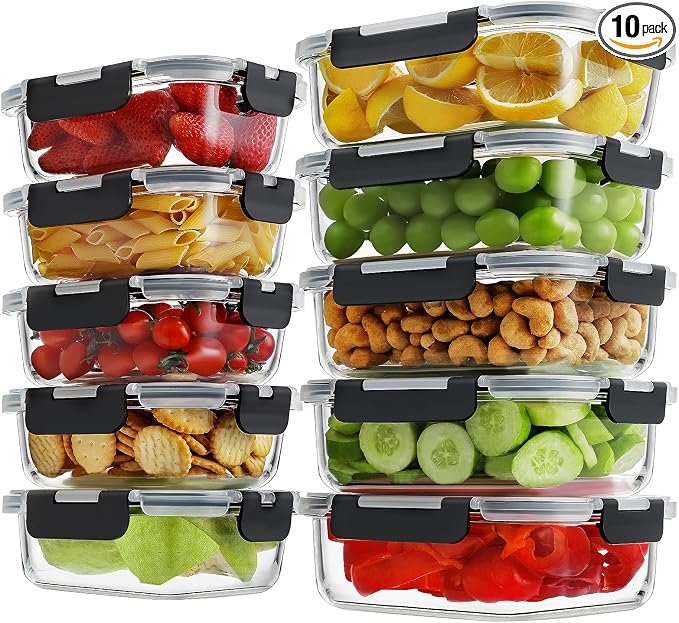
#1 Best Overall — HOMBERKING 10-Pack Borosilicate Glass Meal Prep Containers
$29.41 · 4.6★ (2,465 ratings) · 5× 36 oz + 5× 14 oz · Check price
Borosilicate glass with four-latch locking lids and a removable silicone gasket. This is the configuration that solves the most problems at once: glass doesn't stain or absorb odor, borosilicate specifically tolerates rapid temperature change (its low thermal expansion coefficient is why lab glassware uses it), and the four-latch lid actually seals against soup.
Two sizes in one set is the right call — 36 oz for a full dinner, 14 oz for sides, sauces, or overnight oats.
Watch for: they're heavy. Ten containers full of food is about 14 pounds in a bag. If you bike or walk to work, see pick #5.
#2 Best Value — GUSTO 32 oz Deli Containers, 24-Count
$19.95 · 4.7★ (25,722 ratings) · 24× 32 oz · Check price
The restaurant-industry answer. Polypropylene deli quarts, 83¢ apiece, every lid fits every base, they stack dead-flat in a fridge, and they're microwave and freezer safe. They will eventually stain with tomato and turmeric and you'll replace them — at 83¢ each, that's fine.
This is the correct pick if you're prepping soups, stews, chili, or grains in volume, or if you send food home with people and don't want it back.
Watch for: not oven safe. Not remotely. And they're round, which wastes fridge space compared to rectangles.
#3 Best Premium / Leakproof — Rubbermaid Brilliance
$46.08 · 4.8★ (30,924 ratings) · 3-container set, 16 cups total · Check price
The highest-rated set on this list by a wide margin, with over 30,000 ratings. Tritan plastic — crystal clear, doesn't cloud, doesn't stain the way ordinary polypropylene does — with a four-latch lid and a built-in vent under the center tab for splatter-free microwaving.
Genuinely leakproof. You can put soup in one, put it on its side in a bag, and nothing happens. Not many containers pass that test.
Watch for: the price per container is the highest here, and it's plastic, so it's not oven safe.
#4 Best for Beginners — Pyrex Simply Store 12-Pack
$43.51 · 4.7★ (29,457 ratings) · 6 containers + 6 lids, 1/2/3-cup sizes · Check price
Tempered soda-lime glass, three nesting sizes, plastic snap lids. The reason it's the beginner pick: the round shape nests when empty (huge if your cabinet space is the constraint), the sizes cover snacks through single dinners, and Pyrex bases are oven safe to 425°F so you can bake and store in the same dish.
Watch for: the snap lids are not gasketed and will leak if tipped. These are storage containers you can transport carefully, not lunchbox containers.
#5 Best Compact — Gemice 16 oz Overnight Oats Jars, 6-Pack
$19.99 · 4.8★ (707 ratings) · 6× 16 oz glass jars with silicone sleeves · Check price
Wide-mouth glass jars with airtight lids and protective silicone sleeves. Purpose-built for breakfast prep — overnight oats, chia pudding, yogurt parfaits — and they double as mason jar salad vessels.
Sixteen ounces is exactly one breakfast portion, which removes a decision from your morning. The silicone sleeve matters more than it sounds: it's the difference between a jar surviving a commute in a bag and a jar not surviving a commute in a bag.
Watch for: single-purpose. These aren't your dinner containers.
Honorable mentions
HOMBERKING 18-Piece Glass Set — $20.99, 4.6★ (1,556). Check price — nine containers and nine lids for under $21. The best pure dollars-per-container on this list if you want glass.
HOTLOGIC Mini Heated Lunch Box — $39.95, 4.7★ (26,173). Check price — not a container, a low-wattage heated bag you plug in at your desk. Solves the "the office microwave has a 12-person line at noon" problem.
Comparison at a glance
| Pick | Price | Material | Oven safe | Leakproof | Best for |
|---|---|---|---|---|---|
| HOMBERKING 10-pack | $29.41 | Borosilicate glass | Yes | Yes (4-latch) | Most people |
| GUSTO deli 24-pack | $19.95 | Polypropylene | No | Mostly | Soups, volume, budget |
| Rubbermaid Brilliance | $46.08 | Tritan plastic | No | Yes | Commuting with liquids |
| Pyrex Simply Store | $43.51 | Tempered glass | Yes (425°F) | No | Bake-and-store, beginners |
| Gemice oats jars | $19.99 | Glass + silicone | No | Yes | Breakfast prep |
What to look for
A gasketed, latching lid. Snap lids are storage. Latching lids with a removable silicone gasket are transport. If you carry food in a bag with a laptop, this is the single most important spec.
Removable gasket. Non-removable gaskets trap water and grow mildew in the channel. If you can't pull the seal out to wash it, the container has a shelf life.
Stated temperature range, not vibes. "Microwave safe" alone is nearly meaningless. You want a range: freezer (-20°F) through oven (400°F+) for glass, or at minimum freezer through microwave for plastic. Borosilicate handles the thermal shock of freezer-to-oven; soda-lime tempered glass usually wants a thaw first.
Rectangles over rounds. Rectangles tile a fridge shelf. Rounds waste roughly 21% of the same footprint. If your fridge is the constraint, buy rectangles.
One lid that fits multiple bases. This is why restaurant deli containers survive in professional kitchens: every lid fits every base, so the lid-matching problem disappears entirely.
Glass vs plastic vs stainless
| Property | Glass (borosilicate) | Plastic (PP/Tritan) | Stainless steel |
|---|---|---|---|
| Weight, 32 oz empty | 1.4 lb | 0.3 lb | 0.6 lb |
| Stains / odor | Never | Yes (PP), rarely (Tritan) | Never |
| Microwave | Yes | Yes | No |
| Oven | Yes | No | Yes |
| Shatters | Yes | No | No |
| Typical lifespan | 5–10 yr | 1–3 yr | 10+ yr |
| Cost per container | $2.50–5.00 | $0.83–4.00 | $8–15 |
Glass wins on longevity and cleanliness and loses on weight and breakage. Plastic wins on weight and price. Concerns about bisphenol A are worth understanding rather than guessing at — the FDA's overview of BPA use in food-contact applications is the primary source, and essentially all current meal-prep plastic sold in the US is BPA-free polypropylene or Tritan. Stainless is the durability winner and the microwave loser, which for most desk lunches is disqualifying.
If you want a deeper independent test, Wirecutter's food storage container review runs long-term abuse testing that no single-purchase evaluation can match.
Portion sizing: how many ounces per meal
Container volume, not calorie math, is what makes prepped meals feel right. Use this as a starting point.
| Daily target | Lunch container | Dinner container | Breakfast |
|---|---|---|---|
| 1,500 cal | 24 oz | 24 oz | 12 oz |
| 1,800 cal | 28 oz | 32 oz | 16 oz |
| 2,200 cal | 32 oz | 36 oz | 16 oz |
| 2,600 cal | 36 oz | 40 oz | 20 oz |
| 3,000+ cal (training) | 40 oz + snack | 40 oz | 20 oz |
The practical rule: a 32 oz rectangle holds about 1 cup of grain, 6 oz of protein, and 1½ cups of vegetables — roughly 550–700 calories depending on the dressing. That's the workhorse size, and it's why 32 oz is the most common capacity sold.
Three-compartment containers are worth it only if you're prepping something that must not touch — salad and dressing, or anything crisp against anything wet. Otherwise they cost fridge space and give you less usable volume.
Five recipes that meal-prep beautifully in these containers
Mason Jar Chicken & Quinoa Salad for Meal Prep — layered so the dressing sits at the bottom and never touches the greens. Holds five days in the Gemice jars or any wide-mouth quart.
Tex-Mex Chicken Burrito Bowl with Avocado Crema — the ideal 32 oz rectangle candidate. Keep the crema in a 4 oz side cup.
Rainbow Veggie Buddha Bowl with Tahini Dressing — roasted vegetables hold texture better than steamed ones over five days. Dress at the desk.
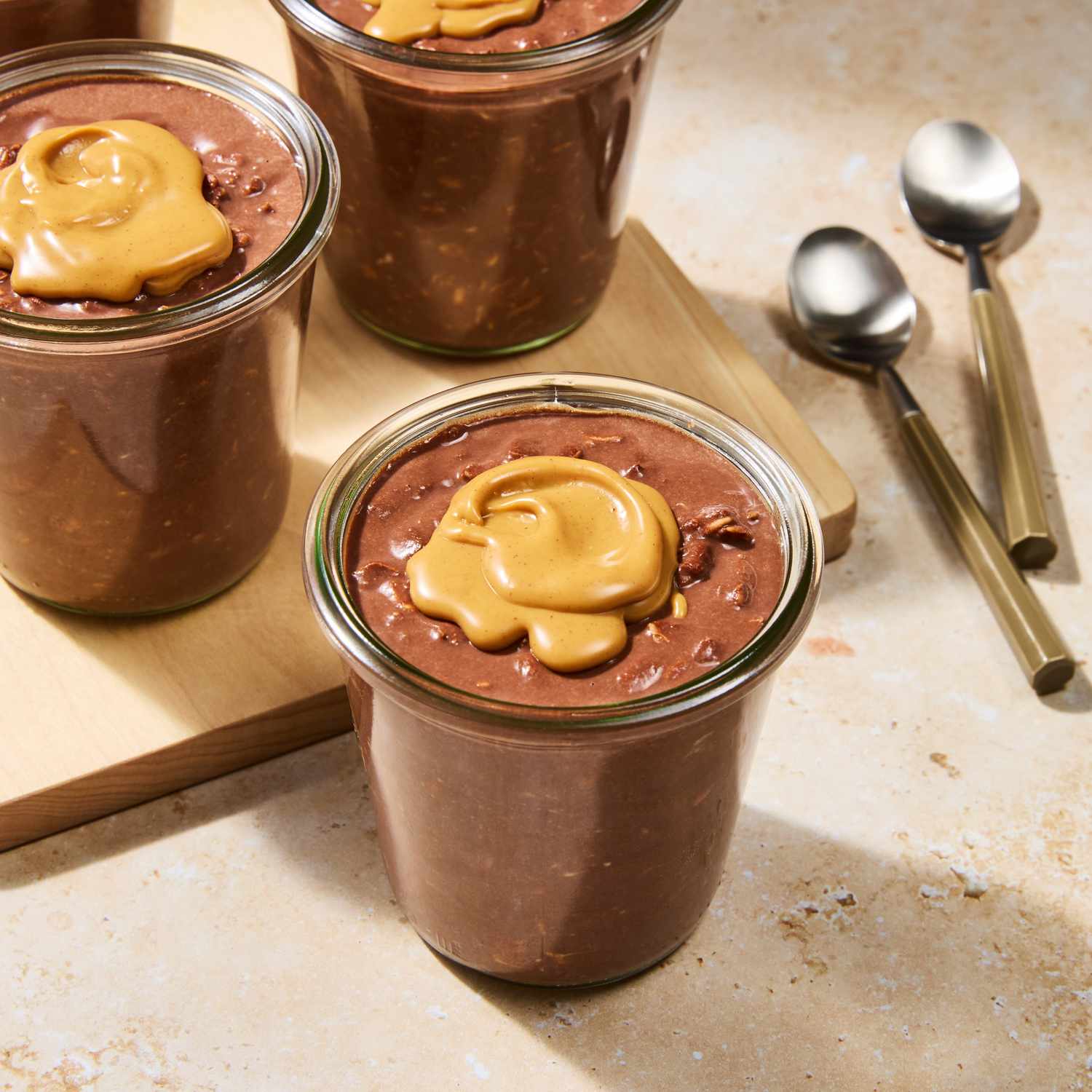
No-Bake Peanut Butter Banana Overnight Oats — 16 oz jar, assembled Sunday night, eaten Monday through Thursday. Add the banana the morning of.
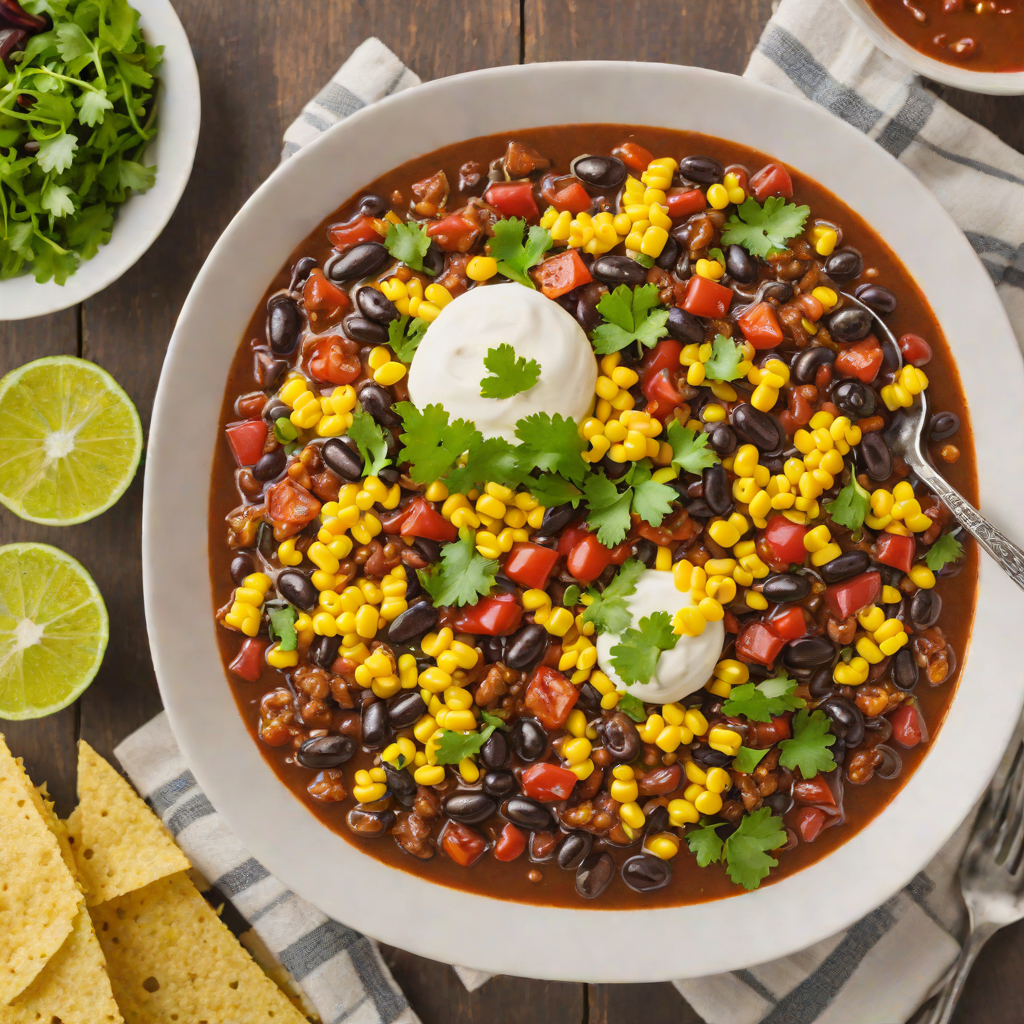
Southwest Chicken and Black Bean Bowl — reheats better than almost anything else here because beans and rice both tolerate the microwave.
Also worth prepping: Mason Jar Quinoa and Roasted Veggie Salads, Stovetop Poor Man's Burrito Bowl with Black Beans and Rice, High-Protein Chicken and Quinoa Bowl, and Vanilla Chia Overnight Oats with Fresh Berries.
Fridge organization for grab-and-go
Label with the date, not the contents. You know what's in it. You don't know when you made it. A roll of blue painter's tape and a Sharpie costs $6.
Four days, then freeze. Cooked food holds four days refrigerated at 40°F or below. Past that, quality and safety both degrade — food sitting between 40°F and 140°F is in the danger zone where bacteria double roughly every 20 minutes. If you prep five or more meals, freeze days four and five immediately and thaw them the night before.
Eye-level, front row. Prepped meals go where you see them first. Anything on the bottom shelf behind the milk gets forgotten and thrown out, which is the fastest way to give up on prepping. The FDA's guidance on cutting food waste while maintaining food safety makes the same point about visibility.
Cool before you stack. Stacking warm containers traps steam, which condenses and makes everything soggy, and it slows cooling into the danger zone. Twenty minutes on the counter, lids off, then seal and stack.
Store lids separately, on their sides. A lid drawer with lids standing vertically in a rack takes less space than lids stacked flat and is dramatically faster to search. Browse pantry organizers for dividers, the wider storage and containers category, or food containers for more sets.
Common pitfalls
Buying one giant set of one size. You need at least two sizes. Everything-is-32-oz means your snacks rattle around in half-empty containers and your dinners don't fit.
Putting hot food straight into cold glass. Even borosilicate has limits, and soda-lime tempered glass (most Pyrex-style bases) can crack from a sharp temperature swing. Let food cool 15 minutes first.
Dishwasher top rack only — ignoring it. Lids on the bottom rack warp. Once a lid warps, the seal is gone permanently. Top rack, always, for anything plastic.
Microwaving with the lid fully latched. Steam pressure builds and either pops the latches or deforms the gasket. Crack one corner or use the vent.
Assuming "BPA-free" means oven safe. Different property entirely. Plastic melts.
When NOT to buy new containers
If you already own working containers, buying more isn't the fix — most abandoned meal prep fails on the cooking side, not the storage side. Prep three meals instead of five for two weeks and see whether you eat them. If you do, then upgrade.
Similarly, if you eat lunch at home, skip the leakproof premium tier entirely. Leakproof is a commuting feature. At home, $20 of deli quarts does the same job.
FAQ
Are glass or plastic meal prep containers better?
Glass is better for anything you'll reheat, anything acidic or heavily spiced, and anything you plan to keep for years — it never stains, never holds odor, and borosilicate goes freezer to oven. Plastic is better for commuting because a full glass set weighs about fourteen pounds, and better for volume prepping because deli quarts cost under a dollar each. Most people who prep seriously end up owning both: glass for dinners at home, plastic for soups and transport.
How long does meal prepped food actually last in the fridge?
Four days is the working limit for most cooked dishes held at 40°F or below, and that's what food safety guidance supports. Rice and cooked grains are on the shorter end. Roasted vegetables, braises, chilis, and stews hold up best and often taste better on day three. If you're prepping five or more meals at once, freeze the last two portions the day you cook them rather than letting them sit, and move one to the fridge the night before you plan to eat it.
Are three-compartment containers worth the extra money?
Only for specific foods. They earn their keep when something crisp has to stay away from something wet — salad and dressing, a sandwich and a pickle, chips and dip. For a standard grain-protein-vegetable bowl the compartments actively hurt, because dividers cost you usable volume and the components taste better mixed anyway. Buy two or three compartment containers for the salads, and plain rectangles for everything else.
Can I put frozen glass containers straight into the oven?
With borosilicate glass, usually yes, and that's the main reason to pay for borosilicate over ordinary tempered glass. Its low thermal expansion coefficient means it tolerates a sharp temperature swing that would crack soda-lime glass. Even so, check the manufacturer's stated range, and never set a frozen dish on a preheated stone or directly under a broiler. With standard Pyrex-style tempered glass, thaw in the refrigerator overnight first.
How many containers do I actually need to start?
Ten to twelve, in two sizes. A realistic starting kit is six 32 oz rectangles for lunches and dinners, four 16 oz jars or small containers for breakfasts and snacks, and two small four-ounce cups for dressings and sauces. That covers a five-day week with a couple in the dishwasher, and it costs $40 to $60 depending on material. Buying twenty-four containers before you know whether the habit sticks is how they end up in the back of a cabinet.
Related reading
More on the prep side of the equation: High-Protein Batch Cooking, Freezer-Friendly Meal Prep, Mason Jar Salad Meal Prep, and Vegetarian Meal Prep.
Want a week of meals sized to the containers you already own? Ask the meal planner.
Sources
- Wirecutter — The Best Food Storage Containers
- FDA — Bisphenol A (BPA) Use in Food Contact Application
- FDA — How to Cut Food Waste and Maintain Food Safety
- Borosilicate glass — Wikipedia
- Danger zone (food safety) — Wikipedia
Prices and ratings reflect catalog data as of August 2026 and change frequently. AislePrompt may earn a commission on purchases made through links on this page.
Frequently asked questions
Are glass or plastic meal prep containers better?
How long does meal prepped food actually last in the fridge?
Are three-compartment containers worth the extra money?
Can I put frozen glass containers straight into the oven?
How many containers do I actually need to start?
Sources
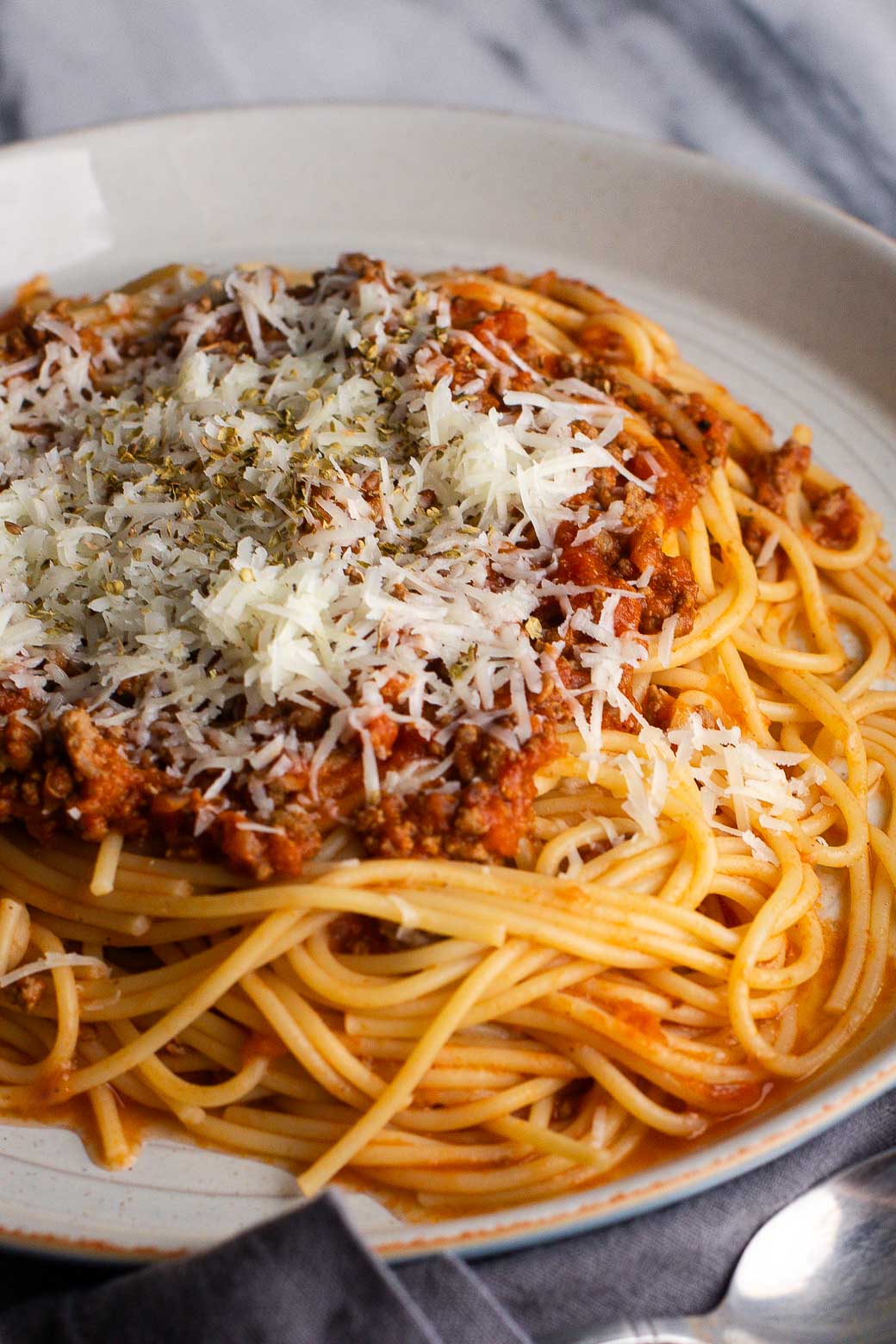
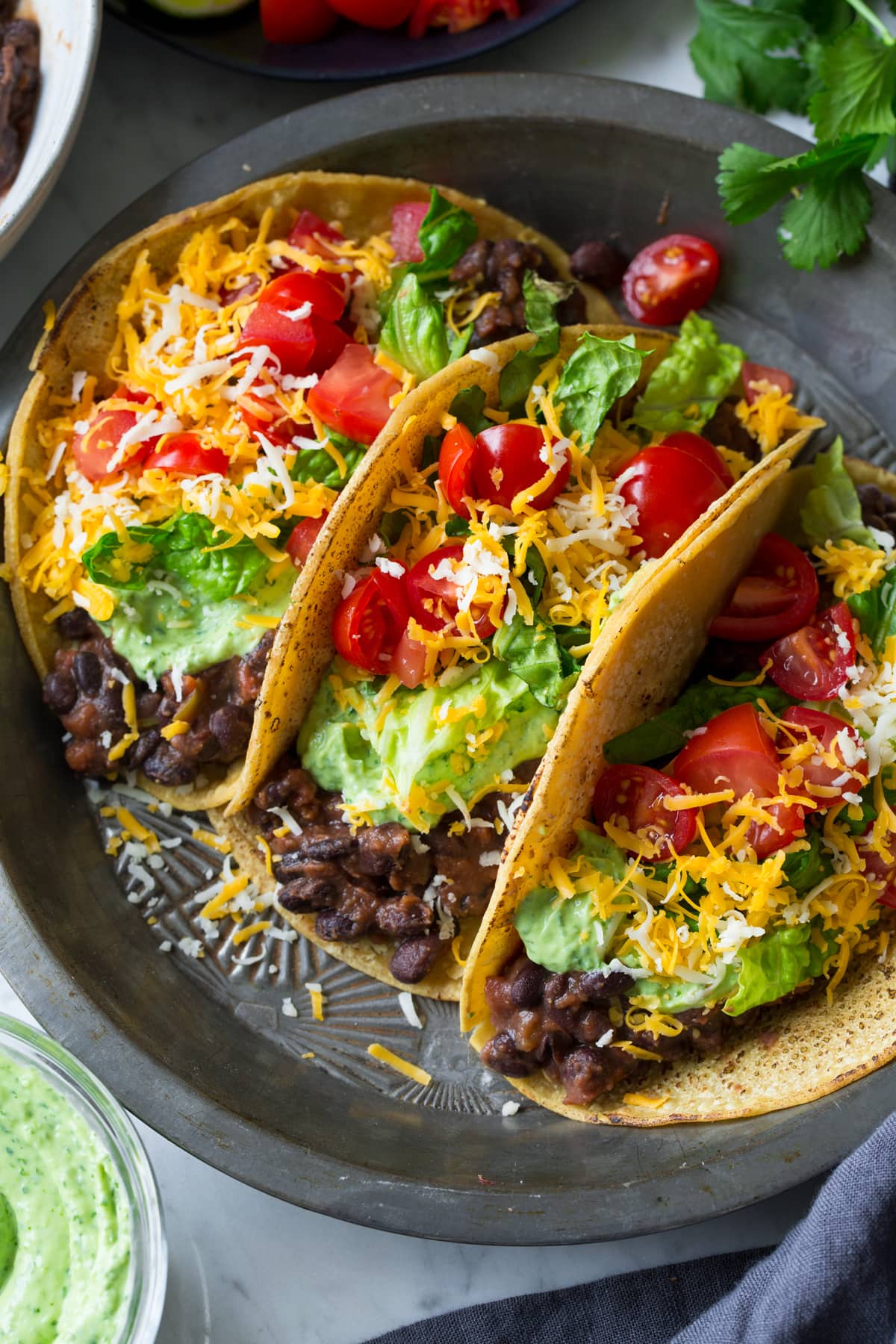
Recipes to try with meal-prep containers
Put your gear to work — save any recipe to My Recipes (no account needed) and send its ingredients to Instacart in one tap.
Shop storage & containers on AislePrompt →Browse the full kitchen shop →
Containers are the easy part.
Ask our AI to plan a Sunday batch-cook — five days of lunches, one consolidated Instacart cart.
Plan a prep week →