Best Summer Grilling Side Dishes: 20 Recipes for BBQ Season 2026
20 BBQ-tested recipes, organized by category, with food-safety guardrails and a menu-planning framework for the 2026 grilling season.
The best summer grilling sides for 2026 are the ones that travel well, hold up at 90°F, and complement smoke without competing with it. The shortlist that does all three: grilled corn elote, a sturdy red-skin potato salad, an oil-and-vinegar three-bean, a crunchy slaw, and a watermelon-feta plate. Build your cookout from those five and you have a balanced spread that survives four hours on a folding table and pairs with anything off the grate — from burgers to brisket to grilled chicken thighs.
Get a free cookout plan for a crowd
Mains, sides and quantities scaled to your headcount, with one Instacart cart instead of a spreadsheet.
No spam, unsubscribe in one click. Recipes, shopping lists and Instacart carts all work without an account either way.
This guide covers 20 summer side dishes, organized by category. Each one has been tested. You also get food-safety guardrails for hot-weather serving and a menu-planning framework that matches sides to proteins. As of June 2026, with the peak July 4th cookout window 17 days out, these are the recipes pulling the strongest seasonal traffic — and the ones I personally cook every weekend from now through Labor Day.
The side dish is what wins the cookout
Here's the thing nobody tells you when you start hosting cookouts: guests don't remember the burger. They remember the side. They remember the potato salad that wasn't gloppy, the slaw that wasn't soggy, the corn that had real char and lime. The protein is the headline; the sides are the story.
This matters for two practical reasons. First, sides are how you scale a cookout. A whole brisket feeds 12; a doubled tray of Layered Macaroni Salad with Tangy Mustard Dressing feeds 20. Second, sides hold the back-half of your event together. People graze sides for hours after the grill goes cold. Get the sides right and your party has staying power.
The good news: most great summer sides are make-ahead, low-skill, and forgiving. The bad news: most home cooks default to two or three predictable choices and skip the categories that actually round out a spread. We're going to fix that.
Picking sides that hold up at room temp (the food-safety rule)
The USDA's 2-hour rule for perishable food (1 hour if the ambient temperature is above 90°F) is the single most important constraint when planning a summer cookout. Under those conditions, mayo-based and dairy-based sides need active temperature management — either kept on ice or refilled in small batches from a cooler — while oil-and-vinegar dressings, properly acidic pickled vegetables, and stable grilled vegetables can sit out for the duration. The USDA's food-safety guidance is the authoritative source here, and it should shape your menu before you write your shopping list.
Practically, this means you build a cookout spread in two zones:
Zone A — Stable at room temp for 4+ hours. Oil-and-vinegar pasta salads, three-bean salads, pickled vegetables, grilled vegetables (eaten warm or cold), sturdy breads, hummus, baba ganoush, and any dressed grain salad. These go straight on the table and stay there.
Zone B — Needs a cold zone. Mayo-based potato salad, classic coleslaw, traditional macaroni salad, deviled eggs, dairy dips (ranch, yogurt-based), cut melon and cantaloupe. These get refilled in small batches from a cooler, or set on a sheet pan over a bed of ice that gets swapped every two hours.
For groups over 15, separate your sides into A-table and B-table physically — guests will self-serve from whichever is closer, and you avoid the awkward moment of pulling a half-empty bowl back for the fridge mid-cookout. For groups under 8, you can usually skip the cold-zone logistics and just bring the mayo sides out 30 minutes before serving.
A useful temperature reference: a ThermoWorks Thermapen ONE gives you an instant read on cold-zone food (mayo sides should stay under 41°F until plated) and dual-purpose duty checking burger and chicken doneness on the grill. It's the one tool I'd buy first if you cook outdoors more than three times a year.
The four categories that round out a spread
The mistake most cookout hosts make is bringing three versions of the same thing — potato salad, macaroni salad, and pasta salad, all mayo-based, all heavy. A balanced spread covers four distinct categories, and each category should have at least one representative on the table:
| Category | What it does | Examples |
|---|---|---|
| Grilled vegetables | Adds char, smoke, and warm-side balance | Grilled corn, zucchini, peppers, asparagus |
| Cold dressed salads | Substance and make-ahead reliability | Pasta salad, potato salad, three-bean |
| Slaws and pickles | Acid and crunch to cut richness | Coleslaw, pickled cucumbers, fruit slaw |
| Breads and dips | Filler, vehicles, and grazing food | Flatbread, cornbread, hummus, dip |
The 4-side rule: pick one from each category. Five sides total (because you'll want two cold dressed salads on a hot day). That's it — that's the framework.
Grilled vegetable sides
Grilled vegetables are the most underrated category of summer side. They take 6-8 minutes per batch, scale infinitely, hold their flavor at room temperature, and turn a meal into a feast visually. They also have the highest "wow per minute of effort" ratio of any side category — guests assume grilled vegetables are restaurant-quality work, when in reality they're just oil, salt, char.
Four go-to recipes, in order of how much I make them in a typical July:
1. Mexican Street Food-Inspired Grilled Corn with Cotija and Lime — the gateway grilled vegetable. Crema, cotija, chili-lime, char marks. Make this and people who said they "don't like corn" will eat three ears.
2. Grilled Zucchini and Red Onion Salad with Lemon-Herb Vinaigrette — the make-ahead grilled vegetable. Cooks Friday night, eats Saturday afternoon, gets better in the fridge.
3. Grilled Asparagus and Radish Salad with Lemon-Dill Vinaigrette — the "I forgot to make a vegetable" panic recipe. Asparagus grills in 4 minutes. Radish for crunch. Lemon-dill brightens.
4. Charred Shishito Peppers with Miso Soy Glaze — the appetizer-grade side that doubles as cocktail-hour finger food. One in ten is spicy; everyone laughs about it.
The unifying technique: 400-450°F direct heat, oil and salt applied right before the grate (earlier and the salt pulls water out), and a grill basket for anything smaller than your grate spacing. The American Grill Association's guidance on indirect vs direct heat covers the deeper technique if you want to push past the basics.
Make-ahead cold salads
This is the category that makes hosting a cookout actually doable. Every recipe in this section can be made 24 hours ahead, refrigerated overnight, and pulled out 20 minutes before serving. Most of them taste better on day two than day one — the dressing soaks in, the flavors marry, the textures settle.
The starting lineup:
1. Italian Pesto Pasta Salad with Sun-Dried Tomatoes and Mozzarella — oil-based dressing, room-temp stable, scales to 30 servings in one big bowl. The pesto and sun-dried tomatoes give it dimension that mayo-based macaroni salad never reaches.
2. Deli-Style Potato Salad with Hard-Boiled Eggs and Mustard Dressing — the classic. Red-skin potatoes hold their shape better than russets. Mustard dressing instead of straight mayo gives it acid backbone.
3. Best Ever Three-Bean Salad with Lemon Vinaigrette — the unsung hero of cookouts. Cheap to make, holds for days, packs protein, and most kids will actually eat it. Make a double batch.
4. Sandy Beach Tomato and Cucumber Salad with Feta — the "I have peak-summer tomatoes" recipe. Don't make this in February with grocery-store tomatoes; the salad is only as good as the tomato.
Quick tip for any cold salad: salt the dressing more aggressively than you think necessary. Refrigeration mutes salt, so what tastes balanced when you mix it on the counter will taste under-seasoned when you serve it cold. Taste from the fridge, not from the mixing bowl. A nesting set of stainless mixing bowls makes this workflow painless — a quality set like the ones in the cookware-adjacent ceramic mixing bowls category lets you dress, taste, and chill in one container.
Slaws and pickles
The acid category. Every cookout has too much richness — fat from burgers, sugar from BBQ sauce, dairy from cheese. Slaws and pickles cut through all of it. If your spread feels heavy, add an acidic side and the whole table comes alive.
- Red Cabbage and Apple Coleslaw with Olive Oil Dressing — the room-temp slaw. Olive oil and apple cider vinegar instead of mayo means it can sit out all afternoon without breaking. Apples add sweetness and crunch.
- Quick Cucumber and Dill Salad — 10 minutes of active work. Slice, salt, drain, dress. Tastes like summer.
- Quick-Pickled Cucumber Salad — the freezer-burn fix for end-of-week cucumbers from the CSA. Pickle them lightly in vinegar and sugar and they become the side that ties the meal together.
The slaw-versus-pickle decision: if you only have one acid side, pick a slaw — it eats like a salad and holds longer. If you have room for two, add quick pickles as a condiment-style addition that guests can spoon onto sandwiches.
Breads, dips, and the grazing layer
The grazing layer is what carries your cookout from cookout to event. People graze before, during, and after the main meal — and the grazing layer is where you serve the people who didn't want a full plate, the kids, the late arrivals, and the second-helping crowd.
- Grilled Halloumi and Za'atar Flatbread with Sumac Onions — the show-stopper grilled flatbread. Cuts into 12 pieces. Reads as appetizer or side depending on plate placement.
- Springfield-Style Cornbread with Honey Butter Glaze — Southern-style sweet skillet cornbread. Pairs with BBQ sauce, baked beans, anything smoked. Make in a cast iron skillet.
- Smoky Maple Baked Beans — the stick-to-the-ribs grazing side. Maple, molasses, a little bacon. Reheats in 5 minutes in any oven.
A pre-seasoned cast iron grill pan doubles as a cornbread skillet and a stovetop alternative when the gas grill is full. Cast iron holds heat for grain-side fruit caramelization (peaches, pineapple) too, which is where summer dessert sides start.
The 20 curated side dishes (full catalog)
The complete list, organized by category, so you can build a spread from one source:
Grilled vegetables (5)
| # | Recipe | Best for |
|---|---|---|
| 1 | Mexican Street-Style Grilled Corn | Hero side, any protein |
| 2 | Grilled Zucchini and Red Onion Salad | Make-ahead, vegetarian table |
| 3 | Grilled Asparagus and Radish Salad | Spring/early summer |
| 4 | Charred Shishito Peppers | Cocktail hour, beer pairing |
| 5 | Outdoor Patio Grilled Peach and Burrata Salad | Showpiece, peak peach season |
Cold dressed salads (6)
| # | Recipe | Best for |
|---|---|---|
| 6 | Italian Pesto Pasta Salad | Big batches, oil-based |
| 7 | Deli-Style Potato Salad | Classic mayo-based, cold zone |
| 8 | Best Ever Three-Bean Salad | Protein-rich, room-temp stable |
| 9 | Sandy Beach Tomato Cucumber Salad with Feta | Peak-summer produce |
| 10 | Layered Macaroni Salad | Crowd feed, kid-friendly |
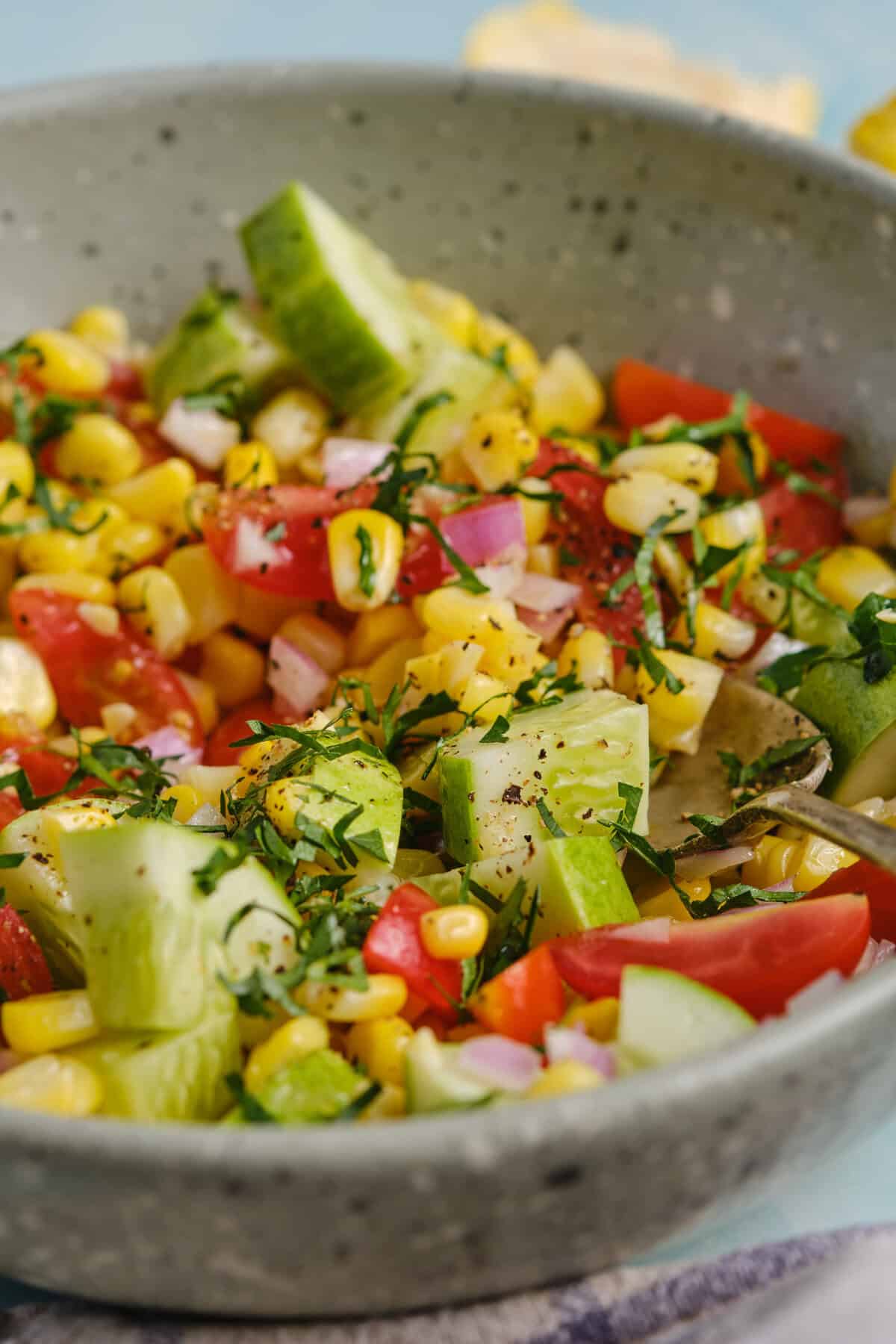
| 11 | Riverfront Herb and Corn Salad | Make-ahead, vegan-friendly |
Slaws, pickles, and fruit (4)
| # | Recipe | Best for |
|---|---|---|
| 12 | Red Cabbage and Apple Coleslaw | Room-temp, no-mayo slaw |
| 13 | Quick Cucumber and Dill Salad | 10-minute prep |
| 14 | Quick-Pickled Cucumber Salad | Condiment-style acid |
| 15 | Enjoy-It-All Summer Fruit & Herb Salad | Dessert-adjacent, light |
Showpiece and grazing (5)
| # | Recipe | Best for |
|---|---|---|
| 16 | Charlotte Watermelon and Feta Summer Salad | 4th of July signature |
| 17 | Grilled Halloumi Za'atar Flatbread | Vegetarian centerpiece |
| 18 | Springfield-Style Skillet Cornbread | Cast iron, sweet glaze |
| 19 | Smoky Maple Baked Beans | Stick-to-the-ribs |
| 20 | Illuminating Green Goddess Salad | Herb-forward, light counterpoint |
That's a 20-side library. Build a spread of five sides from this list and you've covered every category, dietary need, and temperature requirement.
BBQ menu planning: matching sides to proteins
Different proteins want different sides. The mistake hosts make is treating every cookout as the same generic menu. A brisket menu shouldn't read the same as a burger menu.
For ribs, brisket, and pulled pork (smoke-forward, fat-heavy):
Bright acid is non-negotiable. Lead with quick-pickled cucumbers and a tomato-cucumber-feta salad to cut the richness. Anchor with baked beans for the smoky echo, cornbread for the BBQ-sauce vehicle, and a slaw to add crunch. Five sides total, one of each category.
For burgers, hot dogs, and grilled sausages (casual, kid-heavy):
Volume sides win here. Macaroni salad and potato salad anchor the table. Add grilled corn as the iconic burger pairing. A simple coleslaw doubles as a topping and a side. Watermelon-feta for the cool fifth.
For grilled chicken and seafood (lighter, herb-forward):
Lighter sides match the protein weight. Grilled asparagus, three-bean salad, pesto pasta salad, shishito peppers, and a fruit salad for sweetness. This menu reads dinner-party even though it's grilled in your driveway.
For vegetarian or mixed-diet groups:
Make 2-3 of your sides hearty enough to be the main for any vegetarian guests. Grilled halloumi flatbread, three-bean salad, and pesto pasta salad together make a complete meal. No need to grill a separate veggie burger.
Sizing for a crowd
Crowd math is where most hosts under-buy. Plan 3-4 ounces of each side per person — sides are denser than mains and people eat more than they think.
| Guests | Sides on table | Total side weight |
|---|---|---|
| 8 | 4 sides × 2 lbs each | 8 lbs |
| 12 | 4 sides × 3 lbs each | 12 lbs |
| 20 | 5 sides × 4 lbs each | 20 lbs |
| 40 | 6 sides × 6 lbs each | 36 lbs |
Watermelon and corn-on-the-cob run heavier than the table suggests — plan 1/4 of a watermelon and 1 ear of corn per guest, on top of the standard side budget. A 12-quart insulated cooler holds enough cold-zone food for 20-30 guests; for larger events you'll need two coolers or a chest-freezer-as-cooler.
If you use the AislePrompt /chat page to scale these recipes, the shopping list updates proportionally — drop in your guest count and the ingredient quantities adjust automatically. The platform also stores your meal plan so you can rerun the same menu next summer without recreating it from scratch.
Common pitfalls (and how to avoid them)
After a decade of summer cookouts, these are the failures I've watched happen most often:
1. Mayo sides left in the sun. Two-hour rule, one-hour above 90°F. Set a phone timer when you put the bowl out.
2. Watermelon cut too early. Cut melon weeps and turns mushy after 4 hours. Cut 30 minutes before serving, or break into chunks tableside.
3. Salad dressed too early. Cucumbers and tomatoes leach water into dressing within an hour and turn the bowl into soup. Dress just before serving or pack dressing separately.
4. Grilled vegetables overcrowded. Steam doesn't char. Single layer on the grate, with breathing room.
5. One-protein cookout, one-category sides. Three mayo salads on the same table is a brand-management failure. Mix categories.
The single highest-impact fix on this list is #4 — most home cooks pile their grill basket and end up with steamed vegetables that taste like nothing. Cook in batches; keep finished vegetables warm under foil while the next batch goes on.
When NOT to use this guide
This guide is built for outdoor warm-weather BBQ. It is not the right reference for:
- Indoor sit-down dinners. Different temperature constraints, more delicate sides work (roasted root vegetables, gratins, soufflés).
- Winter holiday meals. Hot, rich sides over cold-tolerant ones. See our Thanksgiving and holiday menu planning guides for that path.
- Single-protein focused tasting menus. When the protein is the entire event (a whole hog roast, a brisket competition entry), you want neutral starches that don't compete — plain rice, simple bread, classic potato salad. Not the showpiece sides above.
If your event falls into one of those categories, this guide will steer you wrong. Save it for the cookout.
FAQ
How far ahead can I make BBQ sides?
Cold pasta salad, potato salad, and slaws actually improve overnight — the flavors marry and the dressing soaks in. Make these 1 day ahead and refrigerate. Grilled vegetables are best within 4 hours of cooking; reheat briefly on the grill or eat at room temp. Cut fruit and watermelon salads should be assembled the day-of to prevent weeping. Always pull mayo-based sides from the fridge no more than 2 hours before serving for food safety.
Which sides hold up best in the heat?
Oil-and-vinegar-based salads (Italian pasta salad, three-bean, marinated cucumbers) handle 4+ hours at outdoor temps without breaking down. Mayo-based salads (potato, classic macaroni, coleslaw) are safe for up to 2 hours above 90°F per USDA guidelines — keep them on ice for longer events. Grilled vegetables and breads are stable indefinitely. Avoid yogurt-based dips and cream-based dressings for hot outdoor events.
How do I scale these sides for a crowd of 20?
Plan on 3-4 oz of side per person, per side — for 20 guests serving 3 sides, that's about 4 lbs of each. The AislePrompt /chat page can rescale any recipe in this guide by inputting your guest count, and the shopping list updates proportionally. Most readers underestimate dressing; double the dressing yields on cold salads because they soak it up overnight. Watermelon and corn run heavier — plan 1/4 watermelon and 1 cob of corn per guest.
What sides pair with grilled chicken vs ribs vs burgers?
Match by flavor intensity: bright acidic salads (cucumber-tomato, watermelon-feta) cut through smoky ribs and brisket. Starchy sides (potato salad, mac and cheese, baked beans) match well with burgers and hot dogs. Grilled vegetables and slaws are universal — they work with everything. The 4-side rule for a balanced spread: 1 starch, 1 cold salad, 1 grilled vegetable, 1 bread or dip.
How do I grill vegetables so they don't fall through the grates?
Cut vegetables into pieces wider than the grate spacing (1.5+ inches), use a grill basket or perforated grill pan for small items (cherry tomatoes, mushrooms, asparagus tips), or thread cubes onto soaked wooden skewers. Toss with oil and salt right before grilling — earlier and the salt pulls water out. Grill at 400-450°F direct heat; most vegetables are done in 4-6 minutes per side with good char marks. AislePrompt's kitchen shop carries grill baskets in the Utensils category.
Related reading
- AislePrompt's interactive meal-plan generator — drop in your guest count and dietary needs, get a complete cookout menu with shopping list.
- The Bon Appétit summer side dish library is the gold standard for technique-deep summer sides if you want to push past this list.
- For more on grilled vegetables specifically, Serious Eats' grilled vegetable recipe archive is the best free reference online — they cover technique, timing, and pan-vs-grate decisions in depth.
The summer grilling window is short. Pick three or four of these recipes this weekend, cook them once for yourself, and you'll have a permanent cookout repertoire by July 4th.
Frequently asked questions
How far ahead can I make BBQ sides?
Which sides hold up best in the heat?
How do I scale these sides for a crowd of 20?
What sides pair with grilled chicken vs ribs vs burgers?
How do I grill vegetables so they don't fall through the grates?
Sources
Recipes to try with the grill
Put your gear to work — save any recipe to My Recipes (no account needed) and send its ingredients to Instacart in one tap.
Shop kitchen gadgets on AislePrompt →Browse the full kitchen shop →
Plan the whole cookout in one go.
Ask our AI for mains, sides and quantities for your headcount — one Instacart cart, no spreadsheet.
Plan my cookout →