Kid-Friendly Dinner Recipes for Picky Eaters: 25 Easy Meals
Sorted by why your kid says no — beige, texture, vegetables, sauce — not by cuisine, so you can cook for the child you actually have tonight.
Picky eating is a normal developmental stage, not a discipline problem — and the fix is a plate structure, not a battle. Put one food your kid always eats, one they sometimes eat, and one they're still learning next to each other, serve it family style, and stop negotiating. These 25 dinners are sorted by why your kid refuses food, so you can cook for the child you actually have tonight.
Get a free 7-day kid-approved dinner plan
Seven school-night dinners picky eaters actually finish, delivered Sunday, with one shopping list for the week.
No spam, unsubscribe in one click. Recipes, shopping lists and Instacart carts all work without an account either way.
Why picky eating is developmental, not defiant — and how to work with it
The single most useful thing to know: this is measurable, common, and time-limited. In a longitudinal cohort of 120 children followed from age 2 to age 11 (Mascola, Bryson & Agras, Eating Behaviors, 2010), between 13% and 22% of kids qualified as picky eaters at any given age, 39% were picky at some point, and 58% of picky eaters recovered within two years. The same study found no significant effect on growth — picky eaters and non-picky eaters had statistically indistinguishable BMI distributions.
Read that again, because it reframes dinner: the average picky eater is one of a fifth of kids, is on a two-year clock, and is not getting shorter because of it. What you are managing is a behavior window, not a nutrition emergency.
The mechanism behind it is food neophobia — a hardwired reluctance to eat unfamiliar things that switches on around 18 months, right when toddlers start walking away from adults and could plausibly poison themselves. It peaks between ages 2 and 6 and fades through elementary school. Growth rate slows sharply after the first year too, so appetite genuinely drops; the American Academy of Pediatrics notes that a toddler's favorite food one day may hit the floor the next, and that kids may eat one or two preferred foods and nothing else for weeks.
So the goal for tonight is not "get vegetables into this child." It's: serve a meal that contains at least one thing they will eat, keep the new stuff visible and un-pressured, and get everyone out of the kitchen without a fight. Do that 200 times and the food list expands on its own.
What does not work, and has decent evidence against it: pressuring, bribing with dessert, and short-order cooking a separate meal. Pressure raises the emotional cost of the new food, dessert-bribing teaches that vegetables are the toll and cake is the prize, and short-order cooking guarantees the safe-food list never grows because it never has to.
The picky-eater plate framework: one safe food, one bridge food, one stretch food
Every dinner in this guide is built on the same three-slot plate. It takes about 30 seconds of planning and removes almost all of the mealtime decision-making.
Slot 1 — the safe food. Something your child eats essentially 100% of the time. Plain buttered pasta, bread and butter, cheese cubes, plain rice, cucumber slices, applesauce. This is non-negotiable and it goes on the table every single night. Its only job is to guarantee the child can leave the table fed, which is what lets you stop negotiating about everything else.
Slot 2 — the bridge food. A food that is one step from an accepted food. If they eat chicken nuggets, the bridge is a homemade breaded tender — same shape, same crunch, different production. If they eat plain pasta, the bridge is pasta with a smooth cheese sauce. Bridges succeed maybe half the time, and that's the correct hit rate.
Slot 3 — the stretch food. The genuinely new thing. Roasted broccoli. A meatball with visible flecks of zucchini. A soup. This is served in a tiny portion, with zero commentary, and you fully expect it to come back untouched for weeks. It is there to be seen, not eaten.
| Slot | Purpose | Portion | Expected outcome | Your job |
|---|---|---|---|---|
| Safe food | Guarantees the child eats | Full portion | Eaten | Serve it every night, no exceptions |
| Bridge food | Expands the list one step | Normal portion | ~50% eaten | Offer, then say nothing |
| Stretch food | Builds exposure | 1 tablespoon | Usually refused | Do not mention it at all |
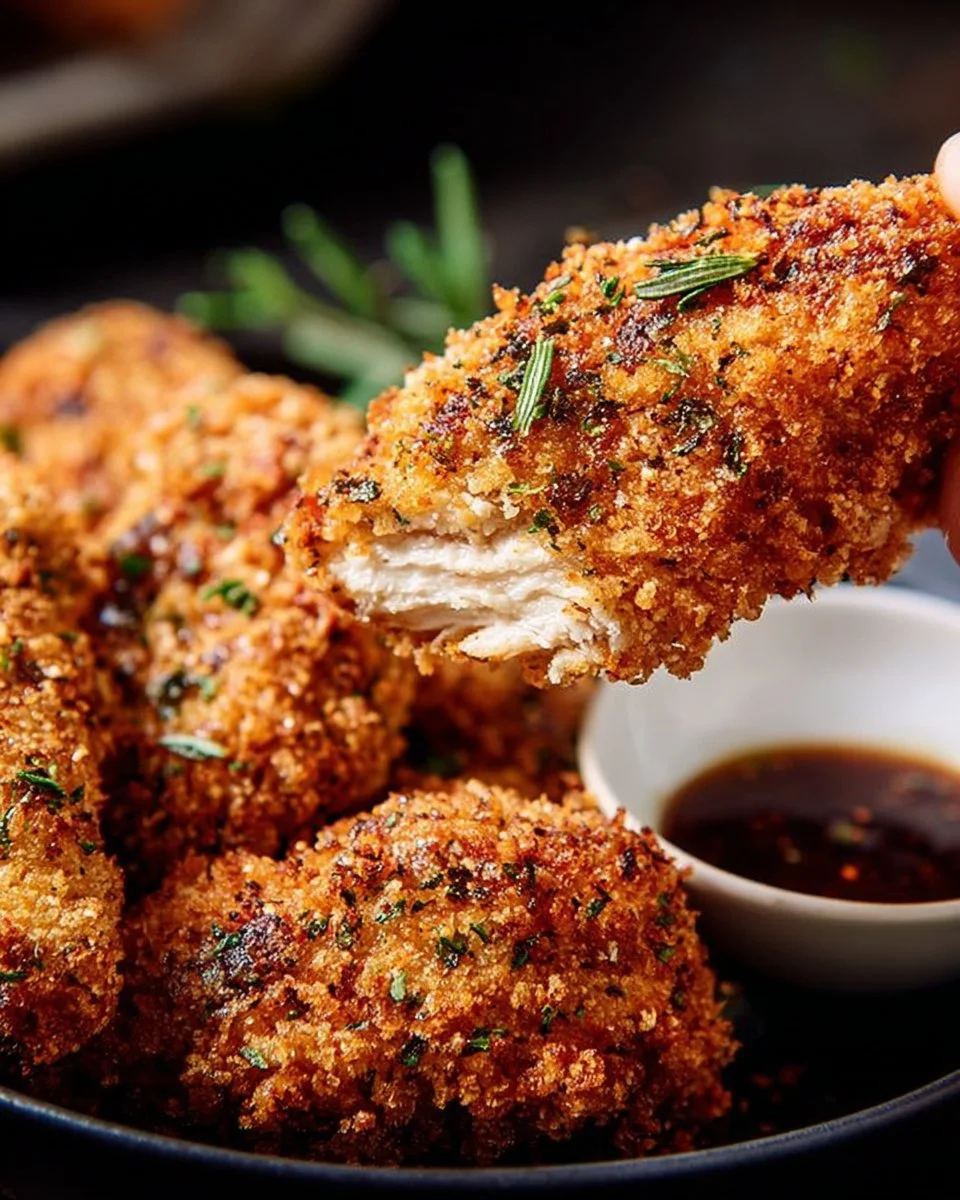
A worked example with real recipes from the catalog: serve Baked Ranch Chicken Tenders with Crispy Panko as the bridge (350 cal, 38g protein, 33 minutes total), Quick Buttered Noodles with Peas and Parmesan as the safe food (13 minutes start to finish), and one tablespoon of Honey-Roasted Sweet Potato Wedges as the stretch. Total active time: about 25 minutes, because the tenders and the wedges share an oven.
The framework also tells you what to stop buying. If your safe food is boxed mac and cheese, you need a saucepan and a colander, not a specialty gadget. Most of these recipes need exactly three things: a rimmed sheet pan from Bakeware, a 12-inch skillet from Cookware, and a decent spatula from Utensils & Tools.
The 25-recipe roundup, grouped by refusal type
Sorting recipe roundups by cuisine is useless for this problem. Your kid doesn't refuse Thai food; they refuse wet food, or mixed food, or anything that isn't beige. Here are 25 dinners grouped by the refusal pattern they're designed to work around.
Group 1 — Beige Kids (7 dinners)
The classic profile: chicken, pasta, bread, cheese, potatoes. Everything tan. The strategy is not to fight the beige — it's to make better beige, with real protein and a crunch you control, then park a stretch food beside it.
| Recipe | Total time | Servings | Calories | Protein |
|---|---|---|---|---|
| Oven-Baked Chicken Tenders with Parmesan Potato Chip Crust | 33 min | 4 | 320 | 35 g |
| Baked Ranch Chicken Tenders with Crispy Panko | 33 min | 4 | 350 | 38 g |
| Kid-Friendly Mini Cheese Quesadillas | 17 min | 3 | 290 | 12 g |
| Quick Buttered Noodles with Peas and Parmesan | 13 min | 4 | 350 | 12 g |
| One-Pot Cheesy Kid-Friendly Pasta Bake | 30 min | 4 | 420 | 22 g |
| Classic Margherita Pizza with Fresh Basil | 32 min | 4 | 400 | 18 g |
| Air Fryer Fish Sticks with Lemon-Dill Yogurt Dip | 27 min | 4 | 300 | 35 g |
The potato-chip-crust tenders are the highest-leverage recipe in this group. They read as junk food to a five-year-old and deliver 35 grams of protein per serving — more than a fast-food chicken sandwich — for 320 calories. Crush the chips coarse, not to dust; the visible texture is what sells it.
Classic Margherita Pizza with Fresh Basil is the top-rated recipe in this entire roundup (4.9 stars across 419 ratings) and doubles as a stealth exposure vehicle: basil goes on after the bake, so a kid can pick it off without disturbing anything, which is exactly the low-stakes contact you want.
For the fish sticks, the dip does the work. Serve the Air Fryer Fish Sticks with Lemon-Dill Yogurt Dip with the dip on the side, never poured over — see Group 4 for why that distinction matters more than it sounds.
Group 2 — Texture-Averse Kids (6 dinners)
This child gags on anything with mixed textures: a smooth sauce with a chunk in it, a soft noodle with a crisp vegetable. The strategy is uniformity. Blend it, bake it into one homogeneous mass, or keep every component the same consistency.
| Recipe | Total time | Servings | Calories | Protein |
|---|---|---|---|---|
| The Best-Ever Creamy Tomato Soup | 45 min | 4 | 280 | 12 g |
| Classic Chicken Noodle Soup | 60 min | 6 | 250 | 20 g |
| Soft Chicken and Vegetable Pasta for Toddlers | 35 min | 4 | 220 | 18 g |
| Shepherd's Pie with Garlic-Mashed Potatoes | 60 min | 4 | 520 | 35 g |
| PBS Kids-Inspired Mini Turkey Meatloaf Muffins | 45 min | 6 | 210 | 22 g |
| Low-Profile Baked Ziti | 50 min | 6 | 320 | 18 g |
Blend the tomato soup longer than you think — 60 seconds in a standing blender, not 20. Any residual pulp is a texture flag for this kid, and the difference between "silky" and "slightly gritty" is the difference between a finished bowl and a refusal.
PBS Kids-Inspired Mini Turkey Meatloaf Muffins are the sleeper hit: 210 calories and 22 grams of protein per muffin, baked in a standard 12-cup muffin tin, and they freeze flat. Make a double batch on Sunday and you have four weeknight dinners that reheat in 90 seconds.
The Shepherd's Pie with Garlic-Mashed Potatoes is the highest-calorie dinner here at 520 per serving, which matters if you have a genuinely under-eating kid — density beats volume when a child only takes four bites.
Group 3 — Vegetable Refusers (6 dinners)
The most common single complaint. The evidence-based play is both: purée vegetables into a food they already accept for tonight's nutrition, and put a visible, un-pressured vegetable on the same plate for the long-term exposure. Hiding alone does not teach acceptance. Pairing does.
| Recipe | Total time | Servings | Calories | Protein |
|---|---|---|---|---|
| Hidden Veggie Creamy Mac & Cheese | 40 min | 4 | 420 | 18 g |
| Cauliflower-Infused Macaroni and Cheese | 45 min | 6 | 250 | 12 g |
| Kid-Friendly Mini Turkey Meatball Skewers with Hidden Veggies | 40 min | 8 | 150 | 18 g |
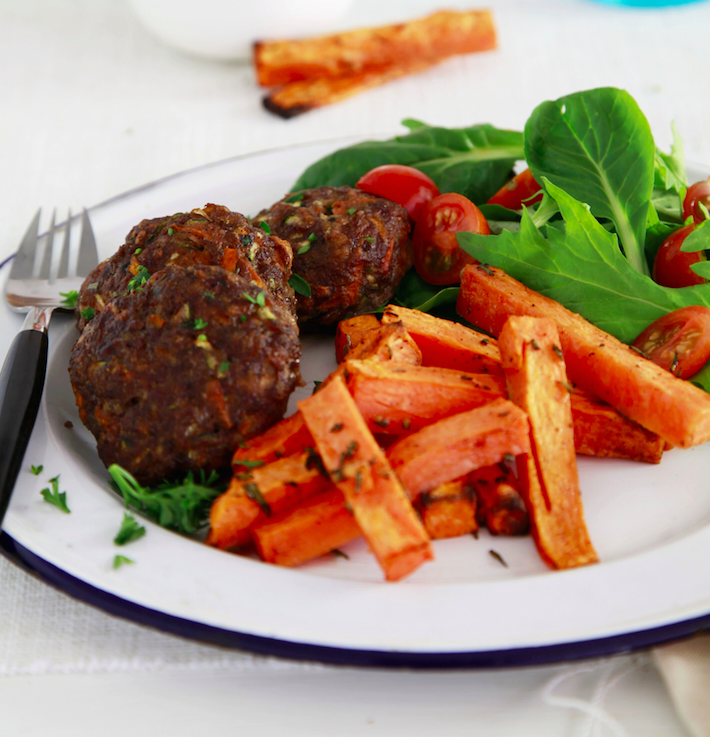
| Crispy Mini Chicken & Hidden Veggie Meatballs | 27 min | 6 | 220 | 20 g |
| Layered Hidden Veggie Pasta Bake with Spinach and Zucchini | 55 min | 6 | 420 | 25 g |
| Cheesy Cauliflower Shepherd's Pie with Ground Beef | 50 min | 4 | 460 | 38 g |
Note the calorie spread between the two mac and cheeses: Cauliflower-Infused Macaroni and Cheese lands at 250 calories per serving versus 420 for the Hidden Veggie Creamy Mac & Cheese, because the cauliflower purée replaces roux and some of the cheese rather than joining it. If your kid is a volume eater, the 250-calorie version lets them have two helpings. If they eat four bites, take the 420.
Crispy Mini Chicken & Hidden Veggie Meatballs is the fastest in the group at 27 minutes and the best-shaped: a meatball is a sphere, and spheres read as safe in a way that a casserole does not.
If this is your primary battle, we wrote a whole guide on it — see 25 Hidden Veggie Recipes Kids Will Eat for the full purée-to-recipe mapping.
Group 4 — Sauce Haters (6 dinners)
"Don't let it touch." This kid wants components, dry, separated, identifiable. It is the easiest group to cook for once you accept the rule: every sauce goes in a ramekin, never on the food. Deconstruction costs you nothing and buys total compliance.
| Recipe | Total time | Servings | Calories | Protein |
|---|---|---|---|---|
| Crispy Garlic-Herb Chicken Drumsticks | 38 min | 4 | 320 | 34 g |
| Oven-Roasted Herb Chicken Drumsticks with Sweet Potato Wedges | 55 min | 4 | 480 | 38 g |
| Honey-Roasted Sweet Potato Wedges | 35 min | 4 | 190 | 2 g |
| Quick Stir-Fried Rice with Eggs, Peas, and Scallions | 15 min | 4 | 320 | 12 g |
| Kid-Friendly Mini Chicken and Veggie Stir Fry | 22 min | 2 | 320 | 35 g |
| Kid-Friendly Mini Chicken Quesadillas with Cheddar | 25 min | 4 | 320 | 22 g |
Drumsticks are underrated here. They're a handle attached to meat — no fork, no cutting, no sauce required — and Crispy Garlic-Herb Chicken Drumsticks delivers 34 grams of protein for 320 calories in 38 minutes. They also cost roughly a third of what boneless breast costs per pound.
Quick Stir-Fried Rice with Eggs, Peas, and Scallions is the fastest dinner in this entire article at 15 minutes, and it's infinitely deconstructable: serve the rice, the egg, and the peas in three separate piles and it's the same recipe with none of the objection.
Three bonus recipes worth keeping in rotation
- Mini Veggie-Packed Turkey Meatloaf Muffins — 220 calories, 25 g protein, 6 servings, freezes well.
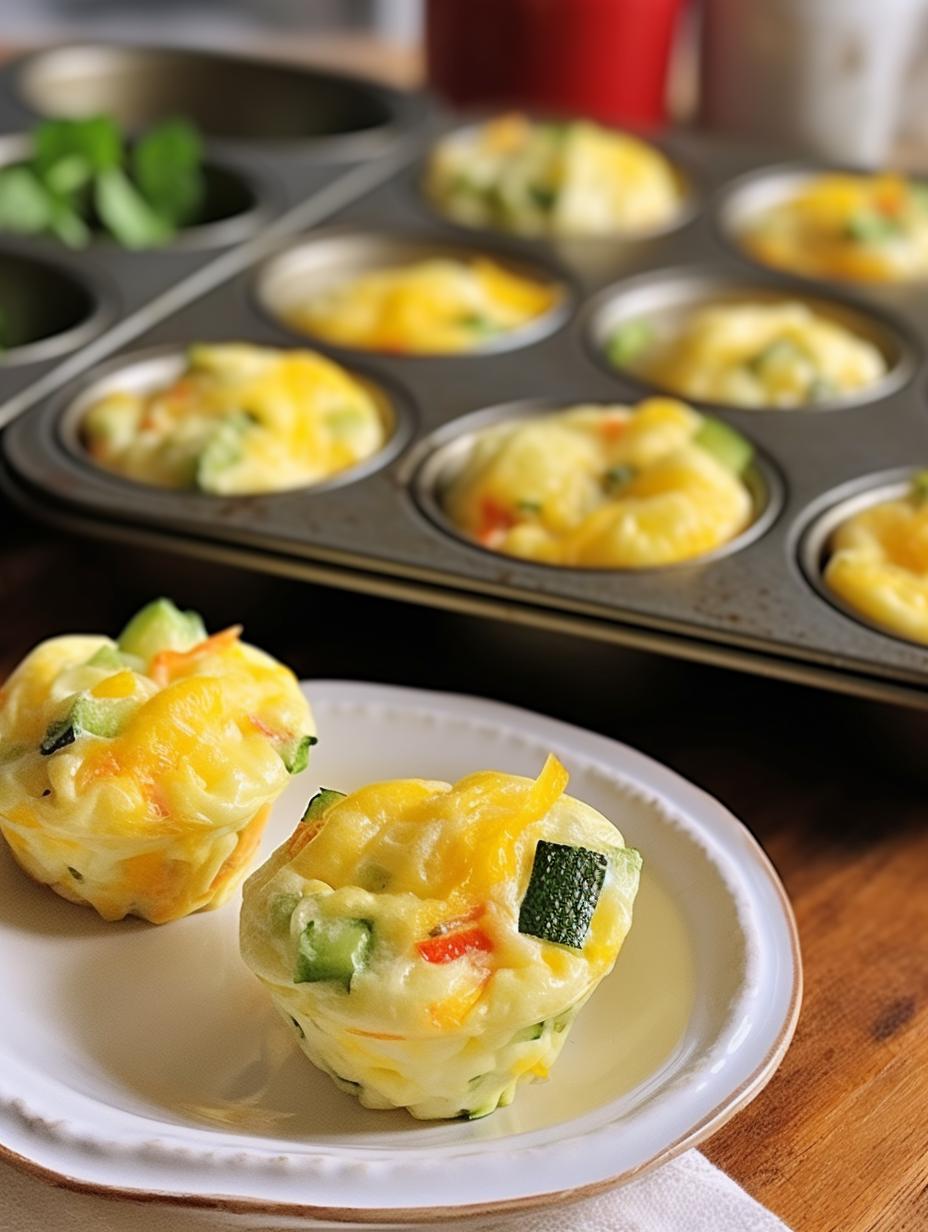
- Broccoli and Cheddar Egg Muffins — 150 calories, 30 minutes, and the single best breakfast-for-dinner option for a vegetable refuser.
- Crispy Herb-Crusted Hidden Veggie Mac & Cheese Bites — 12 servings, finger food, and the crunch coating converts mac-and-cheese loyalists to a shape they haven't rejected yet.
Real-world numbers: what these 25 dinners actually cost you
Rounding up an article of recipes is easy. Here's the part that decides whether you cook them.
| Metric | Across all 25 recipes |
|---|---|
| Median total time (prep + cook) | 38 minutes |
| Fastest dinner | 15 min — stir-fried rice with eggs and peas |
| Slowest dinner | 60 min — chicken noodle soup / shepherd's pie |
| Dinners under 30 minutes | 8 of 25 |
| Median calories per serving | 320 |
| Median protein per serving | 20 g |
| Highest protein per serving | 38 g — ranch tenders, drumsticks with wedges, cauliflower shepherd's pie |
| Recipes needing only a sheet pan or one skillet | 14 of 25 |
| Recipes that freeze and reheat well | 9 of 25 |
Two things jump out. First, the median is 38 minutes — not 20. Anyone promising you a picky-eater dinner rotation that averages 15 minutes is either using packaged food or lying. Second, the median protein is 20 grams per serving, which for a 4- to 8-year-old (typical requirement: 19 to 25 g/day) means a single serving of most of these covers the day.
The eight dinners under 30 minutes are your Tuesday list: buttered noodles (13), stir-fried rice (15), cheese quesadillas (17), mini chicken stir fry (22), chicken quesadillas with cheddar (25), fish sticks (27), mini chicken meatballs (27), and the one-pot pasta bake (30). Keep the ingredients for all eight on standing rotation and you never need to think on a weeknight. A batch cook of two freezer recipes on Sunday plus these eight covers a full week; if you want that automated, the Meal Plan builder does the sequencing and the Shopping List consolidates the ingredients into one order.
A 5-day sample menu that keeps parents sane and kids fed
Built on the three-slot plate. Notice that the safe food repeats without apology — that repetition is the mechanism, not a failure of imagination.
| Night | Bridge food (main) | Safe food | Stretch food | Active time |
|---|---|---|---|---|
| Monday | Baked Ranch Chicken Tenders | Buttered noodles | 1 tbsp roasted broccoli | 20 min |
| Tuesday | Quick Stir-Fried Rice with Eggs and Peas | Plain rice, reserved | 1 tbsp edamame | 15 min |
| Wednesday | Cauliflower-Infused Macaroni and Cheese | Bread and butter | 2 cucumber coins | 20 min |
| Thursday | Crispy Garlic-Herb Chicken Drumsticks | Honey-Roasted Sweet Potato Wedges | 1 tbsp green beans | 15 min |
| Friday | Classic Margherita Pizza | Cheese-only slice | 1 basil leaf on the side | 20 min |
Total active cooking across five nights: about 90 minutes. Every night has a guaranteed-eaten component, so no night can fail. The stretch food changes daily and is never mentioned. Saturday and Sunday are deliberately unplanned — a five-day plan survives a real week; a seven-day plan does not.
If your kid's list is narrower than this, drop Wednesday and repeat Monday. Repetition is not a nutritional problem for a child in a two-year picky window; the Mascola cohort found no growth difference at all.
Serving strategy: family style, no negotiations, no separate 'kid meals'
Everything above is the what. This section is the how, and it matters more.
Serve family style: bowls and platters in the middle, everyone serves themselves, including the three-year-old (badly, with a large spoon, spilling). Self-service is doing real work — it hands the child control over the two variables that are legitimately theirs, and it removes the plated-portion confrontation entirely.
That maps onto the Satter Division of Responsibility in Feeding, which is the most durable framework in pediatric feeding and is endorsed by the AAP. The split is exact:
| Who | Decides |
|---|---|
| Parent | What food is served, when it's served, where it's served |
| Child | Whether they eat, and how much |
Stay in your lane and mealtimes stop being a negotiation, because there's nothing left to negotiate. You are not required to make them eat. You are required to reliably put good food in front of them.
The operational rules that follow from it:
1. One meal, one table. No short-order cooking. The safe food is your accommodation — it's on the table every night, so nobody goes hungry and nobody gets a custom entrée.
2. No commentary. Not "just try one bite," not "you liked this last week," not "look how Ella's eating hers." Praise for eating is still pressure; it makes the food a performance.
3. No dessert bargaining. If dessert is happening, it's served with the meal or on a fixed schedule regardless of what got eaten. Dessert-as-payment permanently marks vegetables as the price.
4. The kitchen closes. Dinner ends, food goes away, and the next eating opportunity is the scheduled snack or breakfast. The NHS fussy-eater guidance is specific about this: two healthy snacks a day is plenty, and grazing between meals is the single most common reason a kid isn't hungry at dinner.
5. Judge the week, not the meal. The NHS advice again: look at intake across a week. A kid who eats almost nothing Tuesday and enormous amounts Thursday is having a completely normal week.
Rule 4 is the one people skip and it's the one that quietly breaks everything else. A child who had crackers at 4:45pm is not going to engage with dinner at 6:00pm, and you'll misread a satiety problem as a preference problem.
How to introduce a new food 10 to 15 times without a battle
The exposure number gets quoted badly. The AAP's framing is careful: "It can take as many as 10 or more times tasting a food before a toddler's taste buds accept it." Most feeding therapists work with a 10-to-15 range, and — this is the part that gets dropped — an exposure is not a bite.
An exposure is any un-pressured contact with the food:
- Seeing it on the serving platter
- Seeing you eat it
- It being on their plate, untouched
- Touching it, poking it, moving it
- Smelling it
- Licking it and putting it back
- Putting it in the mouth and removing it
- Chewing and swallowing it
That's eight distinct tiers, and only the last one is what most parents count. A kid who pokes a broccoli floret and wipes their hand on a napkin has had a completely successful exposure. Log it and move on.
The practical protocol:
1. Pick one stretch food per week. Not five. One vegetable, one protein, one grain — whatever, but exactly one, all week.
2. Serve it every night in a token portion. One tablespoon. A too-large portion is itself a form of pressure.
3. Eat it yourself, visibly, without narrating. Parental modeling is the highest-yield exposure tier and it costs nothing.
4. Say nothing about it. Ever. Not encouragement, not disappointment.
5. Count exposures on the fridge, not bites. Twelve tally marks over three weeks is a working protocol. Zero bites in twelve exposures is a normal midpoint, not a failure.
6. Rotate preparations, not foods. Roasted broccoli, raw broccoli with ranch, broccoli in Broccoli and Cheddar Egg Muffins. Same food, four ways, four different sensory profiles — one may land where the others didn't.
Realistic timeline: at one stretch food per week and 10-15 exposures each, you'll add roughly 15 to 25 accepted foods over a year. That is a genuinely transformed eater, and it is achievable without a single argument.
Common pitfalls that stall the whole approach
Five failure modes we see repeatedly, in rough order of how much damage they do:
1. Quitting at exposure four. The most common one by far. Parents try a new vegetable three or four times, conclude "she doesn't like broccoli," and remove it permanently. The research floor is 10; you quit at 40% of the minimum dose. Track exposures on paper — memory systematically undercounts.
2. The safe food drifts upmarket. It starts as plain pasta and by month three it's plain pasta with a specific brand of butter, cut a specific way, in the blue bowl. Keep the safe food boring and stable. If it's acquiring conditions, you've let it become a negotiation.
3. Hiding without pairing. Purée-only strategies improve tonight's nutrition and teach nothing. If cauliflower only ever arrives invisibly inside Hidden Veggie Creamy Mac & Cheese, the child never learns that cauliflower is food. Always pair a hidden vegetable with a visible one on the same plate.
4. Snack creep. Covered above, worth repeating because it masquerades as pickiness. A child who grazes from 3pm has no appetite at 6pm, and you will spend months solving the wrong problem.
5. Cooking new dinners for a kid mid-refusal. Deploying an ambitious new recipe on a bad night guarantees it gets refused and gets filed as "he doesn't eat curry" forever. Introduce new dinners on good nights, when the kid is rested and fed on schedule. Save the tired nights for the eight-recipe under-30-minute list.
When NOT to use this approach
This guide covers ordinary developmental picky eating. It is the wrong tool if any of the following are true, and in those cases the next step is a pediatrician or a feeding therapist, not a recipe roundup:
- The list is under about 20 total foods, or foods are dropping off the list without being replaced. Progressive narrowing is the clearest signal that this isn't garden-variety pickiness.
- Whole food groups are refused outright — no protein at all, no grains at all — rather than particular foods within them.
- Gagging, choking, vomiting, or coughing on textures. That's a swallowing and oral-motor question, not a preference question, and it needs an evaluation.
- Weight loss or a flattening growth curve. The Mascola cohort found no growth effect from ordinary picky eating; if your child's curve is falling off, this is not ordinary picky eating.
- Extreme distress at the sight or smell of food, or refusal to sit at a table where certain foods are present. That pattern points toward ARFID and is a clinical evaluation.
- The child is under 12 months. Everything here assumes a toddler or older child eating table food.
Two conditions where the approach is right but you should slow down: if you're currently in the middle of a major disruption — new baby, a move, starting school — hold the framework steady and skip the stretch food entirely for a few weeks. And if mealtimes have become genuinely hostile, spend two weeks doing nothing but serving the safe food pleasantly, with no stretch food at all, to reset the emotional baseline before you resume.
What to cook next
Once the framework is running and the list is expanding, the constraint shifts from "will they eat it" to "do I have 40 minutes." That's a different problem with a different answer: see 25 15-Minute Dinners and 30 Quick Weeknight Dinners Under 30 Minutes for the speed rotation, and How to Plan a Week of Family Dinners with AI for automating the weekly sequencing.
If the air fryer fish sticks land, an air fryer becomes the highest-value appliance in a picky-eater kitchen — it makes the crunch that sells breaded food without the oil. Best Air Fryers Under $150 covers the picks; browse the rest in Small Appliances. For the freezer-batch strategy in Group 2, flat-stacking containers from Storage & Containers are what make nine freezer-friendly recipes actually usable.
If 25 is not enough rotation, 40 Easy Kid-Friendly Dinner Recipes for Picky Eaters covers the same ground organised by cook time and format — sheet-pan, 20-minute, sneaky-veggie — and carries a back-to-school week menu.
And if you'd rather not assemble the rotation by hand, the Kids' Meals hub filters the catalog to kid-tested dinners, and the AI chat planner accepts specific constraints — "no green things, no sauce, nothing mixed" — and rebuilds the week around them.
FAQ
Is picky eating a phase or a permanent personality trait?
For most children it's a phase on a measurable clock. The Mascola longitudinal cohort found 13-22% of children were picky at any given age, 39% at some point between ages 2 and 11, and 58% of picky eaters recovered within two years — with no significant effect on growth. Food neophobia typically peaks between ages 2 and 6 and fades through elementary school. A minority of children are "problem feeders" rather than picky eaters, and the distinguishing signs are a total list under roughly 20 foods, entire food groups refused, or gagging on textures. Those warrant a pediatrician conversation and often a feeding evaluation.
Should I make a separate "kid dinner" or force them to eat what we're eating?
Neither extreme works long term. The middle path is family-style service with a guaranteed safe food: one component every child at the table will eat — bread, plain pasta, cheese, cucumber slices — served alongside the family meal every single night. Kids serve themselves; adults don't negotiate, bribe, or comment on what got eaten. This is the Satter Division of Responsibility, endorsed by the American Academy of Pediatrics: parents decide what, when, and where; the child decides whether and how much. It works over months, not meals, and its main advantage is that it removes the argument entirely rather than winning it.
How many times do I have to offer a new food before a kid will try it?
The AAP puts it at "as many as 10 or more times," and most feeding therapists work with a 10-to-15 range. The critical detail is that an exposure is not a bite. Seeing the food on the table, watching a parent eat it, having it sit untouched on their plate, touching it, smelling it, licking it and putting it back — all of those are successful exposures. A child who picks up a broccoli floret, examines it, and sets it down has completed one. Track exposures across weeks rather than meals, keep the portion to about a tablespoon, and stay completely neutral about the outcome each time.
Can I hide vegetables in kid dinners without it being manipulative?
Yes, with one condition: pair it. Puréed cauliflower in mac and cheese or shredded zucchini in meatballs adds real nutrition tonight, which genuinely matters when a child is eating almost no vegetables. But hiding alone teaches nothing — the child never learns that cauliflower is food, so acceptance never transfers. Serve the hidden version and a visible version of the same vegetable on the same plate: a spear of broccoli next to the mac and cheese. Then nutrition and exposure both happen, and you're supplementing rather than deceiving.
What if my child only eats five foods and I'm genuinely worried?
A total list under about 20 foods, a list that shrinks without new foods replacing the losses, entire food groups refused outright, gagging or vomiting on textures, or a growth curve that's flattening — any of those moves this out of ordinary picky eating and into territory for a pediatrician and possibly a feeding therapist or occupational therapist. Ordinary picky eating, per the Mascola cohort, does not affect growth. If growth is affected, the premise doesn't hold. Getting an evaluation is not an overreaction; feeding therapy is far more effective started early, and being told it's a normal phase is a genuinely useful outcome.
How does AislePrompt help me feed picky eaters?
The AI chat planner accepts "kid-friendly" plus specific dislikes — no green things, no sauce, nothing mixed — and rebuilds a week of dinners around those constraints instead of generic family recipes. The Kids' Meals hub filters the catalog to kid-tested dinners, and the Meal Plan builder sequences the week so your safe food and batch-cooked freezer meals land on the right nights. The Shopping List consolidates everything into one order, so a week of new stretch foods doesn't turn into five separate trips for one weird ingredient each.
Sources
- Mascola AJ, Bryson SW, Agras WS. "Picky eating during childhood: A longitudinal study to age 11-years." Eating Behaviors, 2010 — prevalence, persistence, and growth outcomes in a 120-child cohort.
- American Academy of Pediatrics — "10 Tips for Parents of Picky Eaters" (HealthyChildren.org) — exposure counts and normal toddler appetite patterns.
- Ellyn Satter Institute — Division of Responsibility in Feeding — the parent/child role split underlying the serving strategy.
- NHS — Fussy eaters — snack frequency, portion guidance, and judging intake across a week.
Reviewed against pediatric feeding guidance current as of 2026. This article is general information, not medical advice — if you have concerns about your child's growth or eating, talk to your pediatrician.
Frequently asked questions
Is picky eating a phase or a permanent personality trait?
Should I make a separate "kid dinner" or force them to eat what we're eating?
How many times do I have to offer a new food before a kid will try it?
Can I hide vegetables in kid dinners without it being manipulative?
What if my child only eats five foods and I'm genuinely worried?
How does AislePrompt help me feed picky eaters?
Sources
Kid-friendly recipes from the catalog
Save any of these to My Recipes — no account needed — and send the ingredients to Instacart in one tap.

Dinners the kids will actually eat.
Ask our AI to plan the week around your picky eater — one shopping list, one Instacart cart.
Plan the kids’ week →