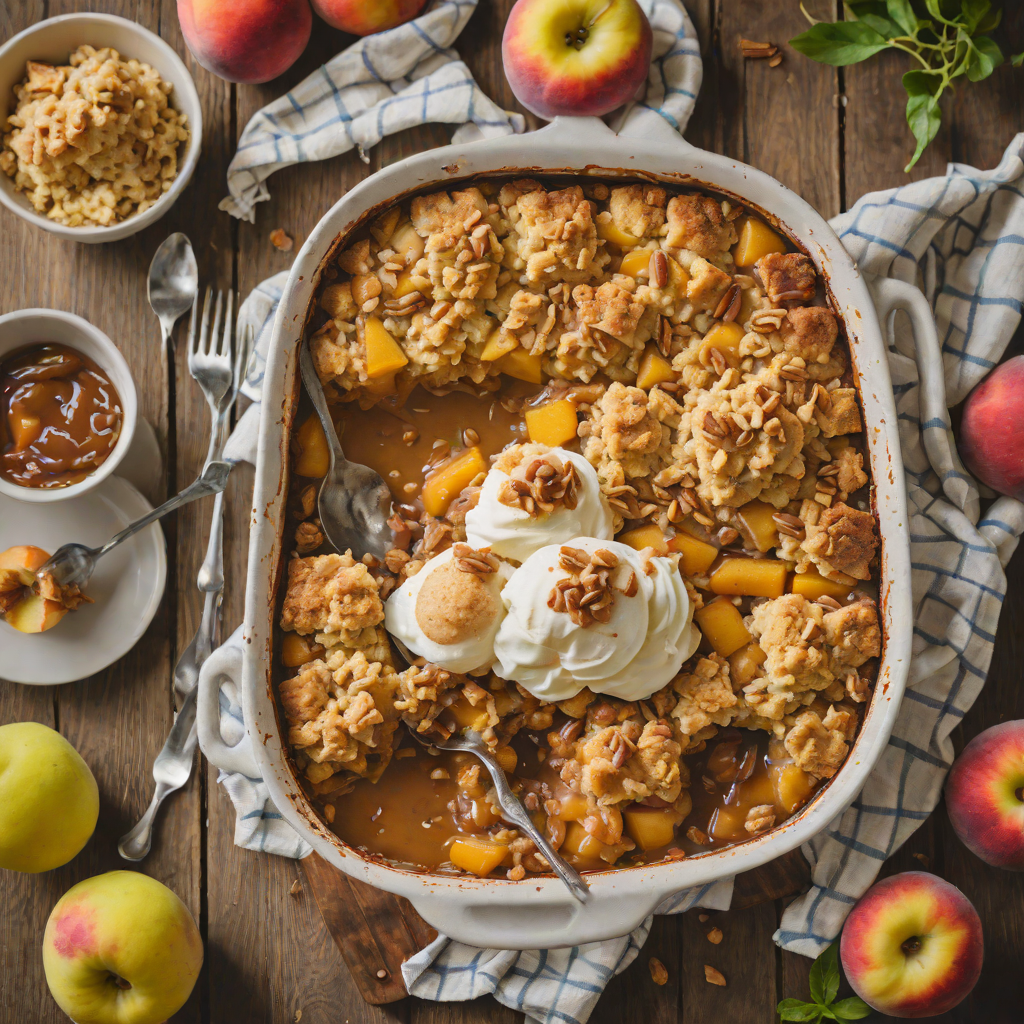
End-of-Summer Peach Recipes: 18 Cobblers, Salsas & Grilled Peach Dinners
US peaches peak for about four more weeks. Here is how to buy them, grill them for Labor Day, and freeze enough to carry the season into February.
Peak US peach season runs roughly the last week of July through mid-September, and the final four weeks — right now, as of late August 2026 — are when freestone peaches are cheapest, ripest, and easiest to work with. Here are 18 recipes that use them, from Labor Day grilling to freezer jam that carries the season into February.
Get a free cookout plan for a crowd
Mains, sides and quantities scaled to your headcount, with one Instacart cart instead of a spreadsheet.
No spam, unsubscribe in one click. Recipes, shopping lists and Instacart carts all work without an account either way.
Introduction: The 4-Week Window When US Peaches Peak
Peaches do not travel or wait. A peach picked ripe bruises in a crate, so commercial peaches ship hard and finish ripening on a shelf — which is why supermarket peaches in June taste like nothing. The window when domestic fruit is picked close to ripe, priced low, and available in freestone varieties is short: mid-August through roughly the second week of September in most of the country.
Two numbers explain the urgency. Peach prices at US retail bottom out around $1.79–$2.49/lb in late August and climb past $4/lb by October when supply shifts to imports and cold storage. And freestone varieties — the ones where the flesh releases cleanly from the pit — dominate the late-season harvest. Early-season peaches are mostly clingstone, which is why cutting them in June feels like a fight and cutting them now takes eight seconds.
Labor Day weekend falls on September 7 this year, which lands almost exactly at the end of the window. That makes the next ten days the best grilling-with-fruit opportunity of the year: hot grill, cheap ripe stone fruit, and a holiday cookout to justify it.
If you are already cooking seasonally, this pairs directly with our late-summer tomato roundup and sweet corn guide — the three peak at the same time and share a shopping trip.
How to Buy, Ripen, and Store Peaches
Buying. Ignore color as a ripeness signal — the red blush is varietal, not a maturity marker. Judge on three things instead: background color should be deep yellow or cream, never green; the fruit should give slightly at the shoulder near the stem under light thumb pressure; and it should smell like a peach from six inches away. No smell means no flavor, regardless of how it looks.
Freestone vs clingstone. Ask, or check the sign. Freestone peaches (Redhaven, Elberta, O'Henry, most late-August fruit) halve cleanly along the seam and the pit lifts out. Clingstone fruit — mostly early-season and most canning peaches — has to be cut off the pit in wedges. For any recipe involving halves, grilling, or slicing, buy freestone. It is the difference between five minutes of prep and twenty.
Ripening. Hard peaches ripen in a paper bag on the counter in one to three days. Add a banana or an apple and the ethylene they release cuts that roughly in half. Never refrigerate an underripe peach — cold below about 40°F below full ripeness triggers mealy, dry texture that no amount of counter time reverses. This is the single most common way home cooks ruin good fruit.
Storing ripe fruit. Once ripe, refrigerate in a single layer and use within three to five days. Bring to room temperature for 30 minutes before eating or the flavor stays muted.
Peeling. Score an X in the bottom, drop into boiling water for 30 to 45 seconds, then into ice water. The skins slip off with your thumb. For grilling, salads, and salsa, do not peel at all — the skin holds the halves together on the grate.
| Task | Method | Time |
|---|---|---|
| Ripen hard fruit | Paper bag + banana, counter | 12–36 hours |
| Peel for baking | Blanch 30–45 s, ice bath | 4 min for 6 peaches |
| Halve freestone | Cut along seam, twist | 8 seconds each |
| Freeze slices | Single layer on sheet pan, then bag | 2 h freeze, 10 months storage |
| Store ripe | Refrigerate single layer | 3–5 days |
5 Peach Desserts: Cobbler, Galette, Ice Cream, Crisp, Upside-Down Cake
Baked peaches release a lot of liquid. Every recipe below handles that differently, and the differences are the whole reason to know more than one.
1. One-Hour Classic Southern Peach Cobbler with Cinnamon Biscuit Topping — the benchmark. Biscuit topping, not batter, which is the version that stays crisp on top and saucy underneath.
2. Peach-Cardamom Galette with Honey-Drizzle — free-form pastry on a sheet pan, no pie dish required, and the open top lets steam escape so the fruit concentrates instead of flooding.
3. Warm Peach and Almond Crisp with Cinnamon — the fastest of the five at about 15 minutes of active work. Oat-and-almond topping.
4. Baked Peach and Pecan Cobbler with Brown Sugar Glaze — richer, closer to a pecan pie in the topping.
5. Peach and Basil Ice Cream Sundae with Honey Drizzle — no churn required; macerated peaches over good store-bought vanilla, and basil is the ingredient that makes people ask what is in it.
Two more worth knowing: Peaches and Cream Layered Pie with Fresh Basil for a no-bake option on a hot day, and Honey-Roasted Peach Crème Brûlée when you want the dinner-party version.
The liquid problem, solved. Toss sliced peaches with sugar and let them sit 20 minutes, then drain the released juice into a saucepan and reduce it to a syrup before adding it back with a tablespoon of cornstarch. This is the difference between a cobbler and a soup, and it takes eight extra minutes. Serious Eats' peach recipe collection covers the science behind the maceration step in more depth.
4 Grilled Peach Recipes for Labor Day Cookouts
Grilling concentrates peach sugar and adds a bitter char that balances it. The technique is trivially simple and almost everyone gets one detail wrong.
Do this: halve freestone peaches, leave the skin on, brush the cut face with neutral oil, and grill cut-side down on a clean, medium-hot grate (about 400°F) for three to four minutes without moving them. Flip, give them two more minutes, and pull. Underripe fruit works better here than dead-ripe fruit — it holds shape instead of collapsing through the grate.
1. Outdoor Patio Grilled Peach and Burrata Salad with Balsamic Reduction — the cookout appetizer that takes 12 minutes and looks like a restaurant plate.
2. Loveland-Inspired Grilled Peach and Arugula Salad — peppery arugula against the sweet char; lighter than the burrata version.
3. Grilled Corn and Peach Salad with Honey Thyme Dressing — the single most seasonal dish on this page. Both ingredients peak the same week.
4. Grilled Peach Melba with Raspberry Sauce — dessert on the same grate you cooked dinner on, while the coals die down.
No grill? A cast iron grill pan over high heat produces the same char marks and the same sugar concentration indoors.
4 Peach Savory Recipes: Salsa, Salad, Pork Glaze, Chicken
Peach is an acid-and-sugar ingredient, which makes it behave like a tomato with more sweetness. It pairs with pork and chicken for the same reason apple sauce does, and with chili and lime for the same reason mango does.
1. Whiskey-Glazed Grilled Pork Chops with Cedar Park Peach Salsa — thick-cut chops, peach-jalapeño-lime salsa. The best argument on this page for savory peaches.
2. Bourbon-Peach Glazed Grilled Pork Chops with Summer Slaw — glaze rather than salsa; brush it on in the last three minutes or the sugar burns.
3. Pan-Seared Chicken with Georgia Peach Salsa — 25-minute weeknight version, stovetop only.
4. Pan-Seared Chicken with South Carolina Peach BBQ Glaze — peach purée stirred into a mustard-forward Carolina-style sauce.
Fish works too: Pan-Seared Rocky Mountain Trout with Palisade Peach Salsa is the lightest dinner in this roundup at roughly 380 calories a plate. And Sweet Tea Poached Peach and Pecan Salad is the lunch version.
Peach salsa ratio that works every time: 2 cups diced peach, 1/2 cup diced red onion, 1 jalapeño minced, 1/4 cup cilantro, juice of 1 lime, 1/2 tsp salt. Let it sit 15 minutes before serving. Scale the jalapeño, not the lime — under-acidified peach salsa tastes like dessert on a pork chop.
3 Peach Preserves & Freezer Recipes to Save the Season
This is the highest-leverage section on the page. Four weeks of cheap fruit converts into eight months of supply for about an hour of work.
Freezer slices (10 months). Peel, slice, toss with 1 tablespoon lemon juice per 4 cups to prevent browning, spread in a single layer on a sheet pan, freeze two hours, then transfer to bags. Frozen this way the slices stay loose instead of fusing into a block, so you can pull out a cup at a time. These go straight into cobbler and crisp without thawing — add 10 minutes to the bake and an extra tablespoon of cornstarch.
Freezer jam (12 months, no canning equipment). Crush 4 cups peeled peaches, stir in 1.5 cups sugar and a packet of freezer pectin, let stand 30 minutes, then ladle into jars leaving half an inch of headspace and freeze. No boiling-water bath, no sterilization, and the flavor is dramatically fresher than cooked jam because the fruit never boils.
Peach butter (slow cooker, 6 months refrigerated). Eight pounds of peaches, 1 cup sugar, cinnamon, and a slow cooker on low for eight hours with the lid cracked. It reduces to a thick spiced spread. This is the best use for bruised or overripe seconds, which farm stands sell for roughly half price in the last week of the season.
Straight-freeze halves for grilling. Halve, pit, freeze on a tray, bag. In January they grill from frozen in about six minutes and taste far better than any out-of-season fresh peach you can buy. The National Center for Home Food Preservation has the tested ascorbic-acid and syrup-pack ratios if you want the slices to hold color past six months.
2 Peach Cocktails & Drinks
1. Maple Bourbon Peach Old Fashioned Cocktail — muddled peach, maple instead of sugar, bourbon. Late-summer porch drink.
2. Spiced Rum-Peach Cocktail with Fresh Mint — lighter and more refreshing; scales into a pitcher for a cookout.
For a bellini, purée two ripe peeled peaches with a teaspoon of lemon juice, strain, and top with prosecco at a 1:2 ratio. The Broadway Berry Bellini method transfers directly — swap the berry purée for peach. Frozen peach purée from the freezer-jam batch above works year-round.
Non-alcoholic: peach purée, sparkling water, a squeeze of lime, and a basil leaf. Same drink, no bar.
Weeknight Meal Plan: 3 Peach-Forward Dinners in One Week
Three dinners, one 4-pound box of peaches, and no ingredient bought twice.
| Night | Dish | Active time | Peaches used |
|---|---|---|---|
| Tuesday | Pan-Seared Chicken with Georgia Peach Salsa | 25 min | 3 |
| Thursday | Bourbon-Peach Glazed Grilled Pork Chops | 30 min | 3 |
| Saturday | Grilled Peach and Burrata Salad + Heirloom Tomato and Burrata Salad | 20 min | 4 |
Buy 4 pounds (about 12 medium peaches). Ten go into dinners, the remaining two get sliced over yogurt for breakfast. Total peach spend at late-August prices: roughly $8. The burrata on Saturday is the expensive line item at $7 — a fresh mozzarella substitution drops it to $4 without hurting the dish much.
Cook-once trick: make a double batch of the peach salsa on Tuesday. Half dresses the chicken; the other half becomes Thursday's slaw dressing base with the addition of a tablespoon of mayo and a splash of vinegar.
Kitchen Tools That Make Peach Prep Faster
Peach prep is knife work and heat management. Four things genuinely help.
- A sharp paring or chef's knife. Ripe peach skin drags on a dull edge and tears the flesh. An 8-inch chef's knife handles halving and dicing; a serrated paring knife is the specialist pick for peeling ripe fruit without blanching.
- A board with a juice groove. Ripe peaches release a startling amount of liquid. An end-grain board with a juice groove keeps it off the counter.
- A sheet pan for freezing and galettes. A rimmed half sheet pan does double duty: single-layer freezing and free-form galettes.
- A ceramic pie dish for cobbler and crisp. A deep 9-inch pie dish holds the fruit volume that a standard 1.5-inch pan overflows.
Skip the dedicated peach pitter and the peach corer. A freestone peach does not need one, and a clingstone peach defeats it.
Common pitfalls
- Refrigerating underripe fruit. Below full ripeness, cold storage causes mealiness that never reverses. Counter-ripen first, refrigerate after.
- Grilling dead-ripe peaches. They collapse and fall through the grate. Use fruit one day short of perfect.
- Not draining macerated fruit. The number-one cause of soupy cobbler. Drain, reduce, add back.
- Peeling fruit for salsa or salad. Unnecessary work, and the skin adds color and structure.
- Brushing on a sugary glaze too early. Peach glazes burn in about 90 seconds over direct heat. Last three minutes only.
When NOT to use peaches
Out of season, do not substitute a hard supermarket peach into any of these recipes — it will taste like a raw potato with sugar on it. Use frozen slices from August instead, or switch the recipe to apples or pears, which are actually in season October through February. Canned peaches in heavy syrup work for cobbler in a pinch but not for salsa, grilling, or anything raw; the texture is wrong and the added sugar throws off every ratio in a savory dish.
FAQ
How do I know if a peach is ripe without cutting it open?
Use smell and give rather than color. A ripe peach smells distinctly like a peach from six inches away and yields slightly at the shoulder near the stem under light thumb pressure. The red blush is a varietal trait, not a ripeness signal — some varieties are red while still hard. The background color should be deep yellow or cream with no green cast, which is the most reliable visual cue.
What is the difference between freestone and clingstone peaches?
In freestone varieties the flesh separates cleanly from the pit, so you can halve them along the seam and twist the pit out in seconds. Clingstone flesh adheres to the pit and has to be cut off in wedges. Late-season peaches — the ones available now through mid-September — are overwhelmingly freestone, which is why prep is so much faster in August than in June. Buy freestone for anything that needs halves or slices.
Can I use frozen or canned peaches in these recipes?
Frozen slices work well in every baked recipe — cobbler, crisp, galette, and peach butter — with two adjustments: do not thaw first, and add an extra tablespoon of cornstarch plus about 10 minutes of bake time to handle the extra liquid. Canned peaches in syrup are acceptable for cobbler only. For salsa, grilling, and salads, use fresh or frozen-then-grilled fruit; canned texture collapses.
How do I stop my peach cobbler from turning out soupy?
Macerate the sliced peaches with sugar for 20 minutes, then drain off the released juice, reduce it in a saucepan to a syrup, and stir it back in with a tablespoon of cornstarch per four cups of fruit. This removes the excess water before it hits the oven rather than trying to thicken it afterward. It adds about eight minutes and it is the single biggest quality difference between a good cobbler and a bad one.
What is the best way to freeze peaches for winter?
Peel and slice, toss with one tablespoon of lemon juice per four cups to prevent browning, spread in a single layer on a sheet pan, freeze solid for about two hours, then transfer to freezer bags. Freezing in a single layer first keeps the slices loose so you can pull out a cup at a time instead of chiseling a block. They keep roughly ten months and bake as well as fresh.
Are peaches good for grilling if they are not fully ripe?
Yes — slightly underripe fruit is actually better on a grill. It holds its shape on the grate instead of collapsing, and the direct heat concentrates the sugars that ripeness would have supplied. Halve them, leave the skin on, oil the cut face, and grill cut-side down for three to four minutes without moving them. Dead-ripe peaches are better raw, in salsa, or in a no-bake dessert.
Sources
- Serious Eats — peach recipes — technique coverage on maceration, cobbler ratios, and grilling stone fruit.
- NYT Cooking — peach — tested American-kitchen versions of cobbler, galette, and peach salsa.
- National Center for Home Food Preservation — freezing peaches — the tested freezing, anti-browning, and storage-life guidance behind the preserves section.
- Wikipedia — Peach — freestone vs clingstone classification and the varietal background behind the buying advice.
- Wikipedia — Peach cobbler — origin and regional variation of the biscuit-topped vs batter-style cobbler.
Cooking through the rest of the season? Late-summer tomatoes and sweet corn peak in the same four weeks, and 20 football tailgate recipes covers the cookout food you will serve alongside these on Labor Day. Our Southern soul food collection shares the cobbler and pie techniques used here, and 20 end-of-summer peach recipes covers earlier-August fruit while this guide focuses on the final four weeks and putting up the crop.
Frequently asked questions
How do I know if a peach is ripe without cutting it open?
What is the difference between freestone and clingstone peaches?
Can I use frozen or canned peaches in these recipes?
How do I stop my peach cobbler from turning out soupy?
What is the best way to freeze peaches for winter?
Are peaches good for grilling if they are not fully ripe?
Sources
Plan the whole cookout in one go.
Ask our AI for mains, sides and quantities for your headcount — one Instacart cart, no spreadsheet.
Plan my cookout →