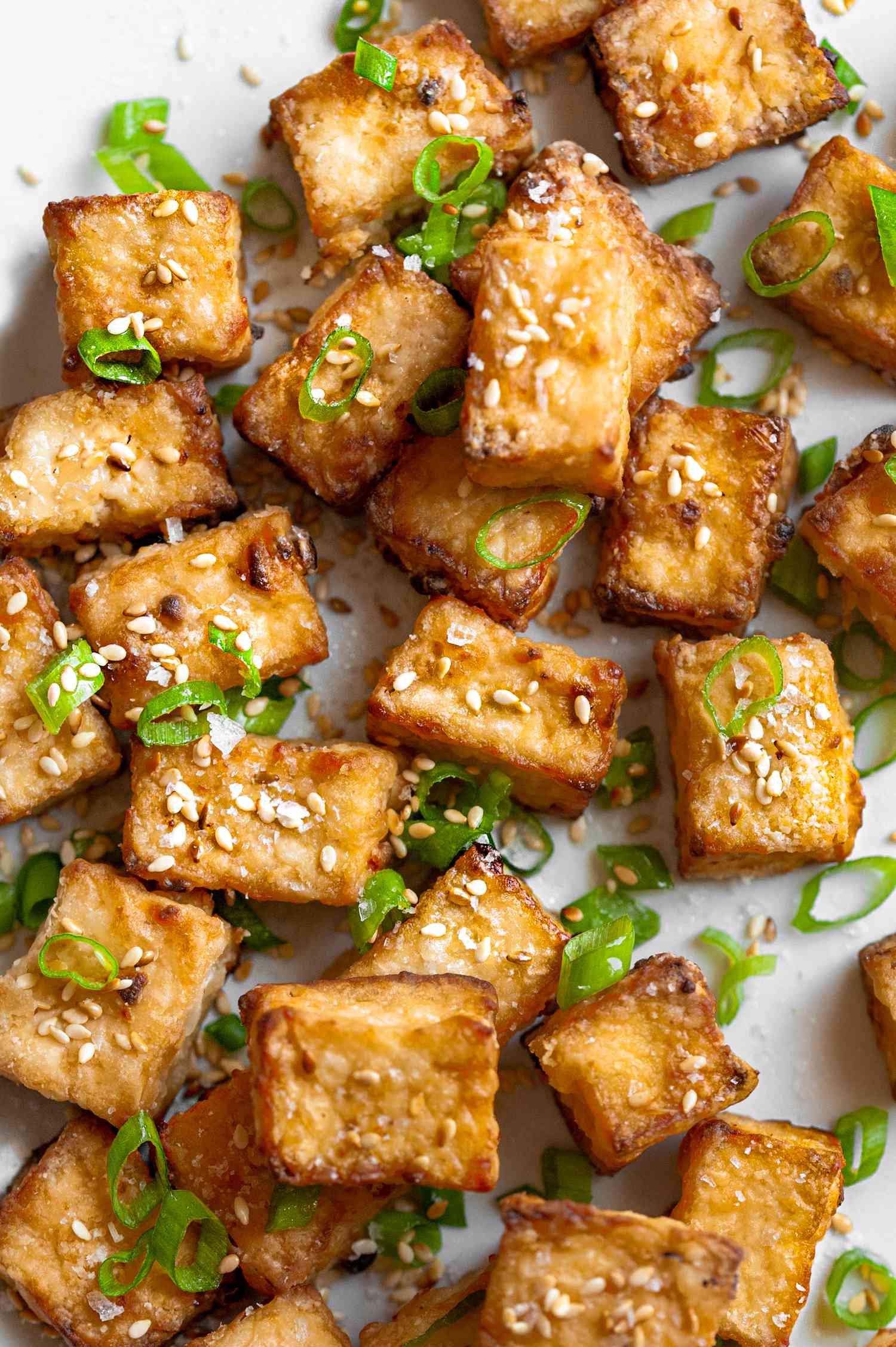
How to Cook Tofu: 20 Recipes + Complete Guide to Pressing, Marinating, and Crisping
From silken to super-firm: how to press, marinate, and crisp every tofu variety — plus 20 tested recipes
Tofu is one of the cheapest, most nutritious proteins you can cook — $2–4 per 14-oz block, 10g of protein per serving, virtually zero prep waste, and shelf-stable in the fridge for a week. The reason so many people think they don't like tofu is bad technique, not the ingredient. Press it right, marinate it long enough, and apply enough heat and you get firm, crisped cubes that taste nothing like the rubbery, waterlogged cubes people imagine. This guide covers every step from choosing the right tofu at the store through 10 cooking methods — then links you to 20 tested recipes in the AislePrompt catalog.
Get a free week of easy dinners
Seven weeknight dinners with the shopping list already totalled, sent Sunday. No account needed, unsubscribe in one click.
No spam, unsubscribe in one click. Recipes, shopping lists and Instacart carts all work without an account either way.
Introduction: Why tofu is the most underrated weeknight protein
Tofu gets dismissed because most people encounter it badly cooked: limp, watery, tasteless. That's a technique problem, not an ingredient problem. Tofu is, at its core, a blank canvas — it takes on whatever flavor you introduce, and its neutral base means it works in Japanese, Thai, Korean, Indian, Mediterranean, and American barbecue contexts with equal ease.
Here's what makes it practical for weeknight cooking:
- Price: A 14–16 oz block of extra-firm tofu costs $2–4 at most US grocery stores as of 2026. That's 3–4 servings at roughly $0.75–$1.33 each — less than chicken thighs in most markets.
- Protein density: Extra-firm tofu delivers roughly 10–15g of protein per 3.5 oz serving (varies by brand) — a substantial plant protein source, though less calorie-dense in protein than chicken breast.
- Speed: Properly pressed tofu can go from package to plate in 25 minutes (15 min press + 10 min cook). No thawing, no trimming, no butchering.
- Dietary flexibility: Vegan, vegetarian, gluten-free (with tamari instead of soy sauce), and low-saturated-fat by default. One ingredient fits nearly every dietary restriction.
Harvard's Nutrition Source has reviewed the soy research and finds that moderate soy intake (1–2 servings daily) is associated with reduced cardiovascular risk and is safe for most adults, including people with a history of breast cancer. The phytoestrogen concern that circulated in the early 2000s has not been supported in large-scale human studies.
Tofu types decoded (silken, soft, firm, extra-firm, super-firm, smoked)
| Tofu type | Water content | Best uses | Can you press it? |
|---|---|---|---|
| Silken | Very high | Smoothies, dressings, puddings, miso soup | No — would crumble |
| Soft | High | Soups, gentle scrambles, soft desserts | No |
| Firm | Medium | Crumbled in sauces, braised dishes | Optional (light) |
| Extra-firm | Lower | Pan-fry, bake, grill, stir-fry, air-fry | Yes — must press |
| Super-firm / high-protein | Lowest | Ready-to-cook, no pressing needed | Not necessary |
| Smoked | Pre-cooked | Slicing into sandwiches, salads, charcuterie boards | No |
The one you'll use 90% of the time: extra-firm. It holds shape, crisps reliably, and absorbs marinade well after pressing. Buy it in water-packed blocks (Nasoya, House Foods, 365 Organic are widely available), not the aseptic shelf-stable boxes — those have a different texture profile that makes crisping harder.
Super-firm (sometimes labeled "high-protein tofu") is sold vacuum-packed with minimal moisture. It's ready to cook immediately — no pressing, no draining. The texture is denser and chewier. Good for batch cooking since it skips the press step entirely.
Silken is a different product entirely. It doesn't behave like the others and cannot substitute for them. Silken tofu blended into a sauce or smoothie is excellent; silken tofu in a stir-fry is a disaster. Keep them in different mental buckets.
How to buy and store tofu (water-packed vs vacuum-sealed, freezing trick)
At the store
Look for:
- No broken seal on water-packed tofu — any leakage means compromised freshness.
- Clear water in the package, not cloudy. Cloudy water signals an older block.
- Use-by date at least 2 weeks out if you're not cooking it immediately.
Water-packed tofu (refrigerated section, submerged in water) is the standard for most cooking. Aseptic shelf-stable tofu (room-temperature aisle) is a useful pantry backup but has a softer, less predictable texture after opening.
Once open
Store extra-firm tofu submerged in fresh water in a covered container. Change the water daily. It stays good for 4–5 days. If it starts to smell sour or develops a slight pinkish tinge around the edges, discard it — the window is narrow.
Cooked tofu keeps 3–4 days in an airtight container in the fridge. It does not freeze as well once cooked (texture becomes grainy), so cook from fresh when possible.
The freezing trick
Frozen-then-thawed tofu develops a spongy, porous texture that soaks up marinade dramatically better than fresh. The ice crystals punch thousands of tiny channels through the protein matrix. Here's the process:
1. Drain a block of extra-firm tofu completely.
2. Freeze it solid (overnight or up to 3 months).
3. Thaw in the fridge (4–8 hours) or under cold running water (30 minutes).
4. Press out the water — it will release much more than fresh tofu would.
5. Marinate and cook as normal.
The thawed texture is chewier and meatier, well-suited for dishes where you want a "pulled" or braised texture, like Korean braised tofu (dubu jorim) or BBQ tofu sandwiches.
The press-marinate-crisp formula that makes tofu taste like restaurant tofu
This three-step formula is what separates mediocre tofu from something people ask for seconds of. No shortcuts.
Step 1: Press (15–30 minutes minimum)
Pressing removes excess water so the tofu crisps instead of steams, and absorbs marinade instead of diluting it. Methods:
- Tofu press: A dedicated tofu press (OXO, EZ Tofu Press, TofuXpress) applies even, adjustable pressure. 15–20 minutes is enough.
- DIY stack press: Wrap tofu in a clean kitchen towel or 3–4 layers of paper towels, place it on a plate, set a cutting board on top, then weigh it down with a heavy cast iron pan or two full cans. Let it sit 20–30 minutes.
- Skip pressing for: Silken, soft, braised dishes, or super-firm vacuum-packed tofu.
A well-pressed 14-oz extra-firm block yields 2–4 tablespoons of water on the towel in 20 minutes. If you're barely getting any moisture, the block was already relatively dry — that's fine, cook it as-is.
Step 2: Marinate (30 minutes to overnight)
A baseline marinade formula that works across cuisines:
- Acid: 2 tbsp rice vinegar (or lime juice, or lemon juice)
- Savory: 3 tbsp soy sauce or tamari
- Fat: 1 tbsp sesame oil or neutral oil
- Sweetness: 1 tsp maple syrup or honey
- Aromatics: garlic, ginger, chili paste — whatever fits the dish
Thirty minutes is the functional minimum. Overnight in the fridge produces much deeper flavor penetration. Always cut tofu into your final shape before marinating — surface area is how the flavor gets in.
Step 3: Apply high heat with the right coating
Serious Eats' tofu technique guide identifies the key failure point: the pan isn't hot enough when the tofu goes in. Cold tofu plus a medium-heat pan produces steam, not crust. The fix:
1. Press and marinate the tofu.
2. Pat each piece dry with paper towel before it hits the pan (wet exterior = steam).
3. Dust with 1–2 tsp cornstarch (optional but game-changing — creates a crackling crust that holds through sauce addition).
4. Heat 1–2 tbsp neutral oil in a cast iron or carbon steel pan over medium-high until the oil shimmers and begins to smoke at the edges.
5. Add tofu in a single layer with space between pieces. Do not touch it for 3–4 minutes per side.
6. Done when edges are deep golden and the piece releases cleanly from the pan without tearing.
10 cooking techniques: pan-fry, bake, air-fry, grill, scramble, blend, braise
| Technique | Tofu type | Time | Result |
|---|---|---|---|
| Pan-fry | Extra-firm | 8–10 min | Crispy exterior, custardy center |
| Bake | Extra-firm | 25–30 min at 400°F | Chewy, slightly drier — great for batch cooking |
| Air-fry | Extra-firm | 12–15 min at 380°F | Fastest crispy result, minimal oil |
| Grill | Extra-firm / super-firm | 8–10 min | Char marks, smoky exterior |
| Scramble | Firm / extra-firm | 5–7 min | Egg-like crumble, works in breakfast and tacos |
| Blend | Silken / soft | 1 min | Creamy sauces, dressings, desserts |
| Braise | Firm / extra-firm | 15–20 min | Soft, sauce-saturated, no crispiness |
| Deep-fry (agedashi) | Silken | 3–4 min at 350°F | Puffed, crispy shell, custardy interior |
| Crumble as meat sub | Extra-firm | 8–10 min | Ground-beef texture for tacos, pasta |
| Salt-cure | Extra-firm | 60 min passive | Denser than pressing alone, unique texture |
Pan-fry is the workhorse — it delivers the best texture-to-effort ratio and works with any sauce. Baking is the right choice when you're cooking more than one block at a time (sheet pans scale easily). Air-frying is the fastest path to crispy tofu with the least oil, ideal for a weeknight bowl when you're tired and want 15-minute protein.
The scramble technique is underused: crumble firm tofu into a hot oiled pan, season with turmeric for color, garlic powder, nutritional yeast, black salt (kala namak, which adds a sulfuric egg-like aroma), and smoked paprika. Seven minutes in a hot pan and you have a scrambled-egg substitute that satisfies both vegans and omnivores.
20 curated tofu recipes from the AislePrompt catalog
These 20 recipes span every technique above and every major cuisine profile. All link directly to the full ingredient list and step-by-step instructions.
Baked and glazed
1. Honey-Sriracha Baked Tofu with Crispy Broccoli — Sheet pan, sweet-heat glaze, done in 30 minutes.
2. Sweet-Smoked Glazed Tofu Bowl with Sesame Rice — Smoky soy-molasses glaze, baked until lacquered, served over sesame rice.
3. Turmeric-Ginger Tofu Harmony Bowl — Anti-inflammatory profile, golden color, grain bowl format with mixed greens.
Stir-fried
4. Sesame-Ginger Stir-Fry with Broccoli and Tofu — Fast weeknight stir-fry, 25 minutes total including the press.
5. Korean BBQ Stir-Fry with Tofu — Gochujang-soy glaze, punchy heat, satisfying over steamed rice.
6. Hoisin-Tofu Stir-Fry with Bok Choy — Rich hoisin base, crisp bok choy, clean flavors.
7. Spicy Tofu Stir-Fry with Cashew Noodles and Bok Choy — Noodle format with cashew crunch and chili heat.
8. Thai Peanut and Tofu Stir Fry with Jasmine Rice and Cilantro — Peanut-lime sauce, consistently crowd-pleasing.
9. Stir-Fried Coconut Curry Tofu with Jasmine Rice — Coconut milk base, mild heat, weeknight-friendly.
Curries and soups
10. Thai Lemongrass and Tofu Coconut Curry with Rice Noodles — Aromatic lemongrass, silky broth, rice noodles.
11. Low-Fat Coconut Curry with Tofu and Seasonal Vegetables — Lighter coconut milk ratio, adapts to any vegetable.
12. Brewed Miso Noodle Soup with Tofu — Deeply savory dashi-miso broth, soba noodles, silken tofu floated in.
13. Miso-Steeped Shiitake Soup with Tofu — Umami-forward, restorative, ready in 20 minutes.
Bowls and noodles
14. Creamy Miso-Glazed Tofu Bowls — Pan-seared tofu with a miso-tahini glaze over grains.
15. Ginger-Scallion Glazed Tofu with Rice Noodles — Bright scallion oil, chewy rice noodles, simple weeknight format.
16. Soy-Ginger Tofu Stir-Fry with Rice Noodles — Minimal ingredients, maximum weeknight utility.
17. Lemongrass-Infused Tofu with Rice Noodles — Southeast Asian flavor profile, bright and aromatic.
18. Pan-Fried Tofu with Sesame-Ginger Glaze and Stir-Fried Bok Choy — The canonical pan-fry technique, executed cleanly.
Noodle bowls and rolls
19. Pad Thai with Shrimp and Tofu — Tofu as co-protein alongside shrimp, classic pad thai structure.
20. Japanese Tofu and Seaweed Sushi Rolls — Silken-style filling, hand-rolled maki format, no raw fish needed.
Bonus breakfast: Daylight Breakfast Tofu Scramble — Turmeric-spiced crumble that swaps in for eggs at breakfast or brunch.
Quick tofu recipes under 30 minutes
When you need protein on the table fast, these recipes go from package to plate in under 30 minutes — including pressing time if you start the press while prepping everything else. The key: use super-firm vacuum-packed tofu (no pressing needed) or a tofu press to cut the wait from 30 minutes to 15.
| Recipe | Technique | Active time |
|---|---|---|
| Quick Pan-Seared Tofu with Ginger Scallion Sauce | Pan-fry | 15 min |
| Stir-Fried Tofu with Broccoli and Ginger-Soy Sauce | Stir-fry | 20 min |
| Ginger-Soy Stir-Fried Tofu with Broccoli and Snap Peas | Stir-fry | 20 min |
| Harvest Veggie Stir-Fry with Tofu | Stir-fry | 25 min |
Speed hack: Keep a jar of basic marinade in the fridge — soy sauce, rice vinegar, sesame oil, minced garlic (combine 3:2:1:1 tbsp). On a weeknight, slice super-firm tofu directly from the package, marinate for 10 minutes while the pan heats, and have seared tofu in under 15 minutes total.
Batch tip: Press and marinate a full 14-oz block on Sunday. Refrigerate it submerged in the marinade. Cook portions through the week — the marinade penetrates more deeply over 2–3 days, and you skip all active prep on each weeknight. For a full batch-cooking system that covers proteins, sides, and grains simultaneously, see the Batch Cooking Basics guide.
Real-world timing: how long does tofu actually take?
| Scenario | Total elapsed time |
|---|---|
| Super-firm tofu, pan-fried, no marinade | 10–15 min |
| Extra-firm, pressed 15 min, pan-fried | 25–30 min |
| Extra-firm, pressed 30 min, marinated 30 min, baked | 70 min (mostly passive) |
| Extra-firm, marinated overnight, baked | 40 min next day (mostly passive) |
| Frozen-thawed tofu, pressed, marinated 1 hr, pan-fried | 2.5 hr total (mostly waiting) |
The overnight and frozen routes require planning but produce the best results. When you're in a rush, super-firm tofu is the answer — it's sold at Trader Joe's, Whole Foods, and many Asian grocery stores for $2–3.50 per block.
What to buy: pans, presses, and tools that make tofu easier
You don't need special equipment to cook good tofu, but three purchases make the process significantly faster and more consistent.
Pan choice: cast iron wins
| Pan type | Tofu performance | Notes |
|---|---|---|
| Cast iron skillet | Best — retains heat when cold tofu hits the surface | Season it well; once seasoned, nothing sticks |
| Carbon steel | Equivalent to cast iron, lighter weight | Heats faster, cools faster |
| Nonstick | Good — no sticking, slightly less browning | Best for beginners; avoid high heat |
| Stainless steel | Tricky — tofu sticks unless pan is perfectly preheated | Not recommended unless you know this technique |
A 10" or 12" cast iron skillet is the single best investment for consistent tofu cooking. Browse AislePrompt's cookware picks for tested options across price points.
Tofu presses
A dedicated press delivers more even pressure than the DIY stack method and doesn't require babysitting a precarious pile of cans on your counter. The OXO Good Grips Tofu Press and EZ Tofu Press are both widely available at major retailers. Either works fine. See tofu-related small appliances picks for current top picks.
Knives: uniformity matters
Uniform cubes crisp evenly; uneven pieces don't. A sharp 8" chef's knife slices through extra-firm tofu cleanly without squishing. If your knife drags or compresses the block before cutting through it, it's too dull for this task. Browse chef's knives if your current knife struggles.
Other useful tools
- Silicone spatula — doesn't break the tofu crust when you flip; thin and flexible enough to get under a crisped piece without tearing it
- Wire rack on a sheet pan — for baking; lets hot air circulate under each piece and eliminates the need to flip halfway through
- Spider strainer — for lifting tofu out of hot oil when deep-frying agedashi style
Explore AislePrompt's full utensils selection for spatulas, spider strainers, and other tools.
FAQ
Do I really have to press tofu before cooking it?
For firm or extra-firm tofu that you want to pan-fry, bake, or grill — yes, pressing for 15–30 minutes removes excess water so it crisps instead of steams and absorbs marinade four times faster. Skip pressing for silken or soft tofu (you'd crush it), for braised tofu (the moisture helps), or when you've bought super-firm or vacuum-packed tofu, which arrives pre-pressed.
Why does my tofu turn out mushy or rubbery instead of crispy?
Three usual causes: you used soft or firm instead of extra-firm, you didn't press out enough water, or the pan wasn't hot enough when the tofu went in. The fix: extra-firm tofu, 20+ minutes pressed, and a smoking-hot oiled skillet you don't disturb for 3–4 minutes per side. Coating with a thin dusting of cornstarch before frying guarantees a crackly crust.
Is tofu actually healthy, or is the soy thing real?
Mainstream nutrition research (Harvard, Mayo Clinic, large meta-analyses) supports tofu as a high-protein, low-saturated-fat plant food associated with reduced cardiovascular risk. The historical concerns about phytoestrogens have not held up — moderate soy intake (1–2 servings daily) is considered safe for most adults, including breast cancer survivors. Harvard's Nutrition Source soy review covers the evidence in detail.
How long does tofu last in the fridge after opening?
Once the package is opened, store leftover tofu submerged in fresh water in a sealed container in the fridge and change the water daily. It stays good for 4–5 days. Cooked tofu lasts 3–4 days in an airtight container. Tofu also freezes well for up to 3 months — the texture turns chewier and spongier after thawing, which is excellent for soaking up marinade.
Can I freeze tofu to change its texture?
Yes, and it's worth doing intentionally. Freeze a drained block of extra-firm tofu overnight, then thaw it completely before pressing and cooking. The ice crystals punch thousands of tiny channels through the protein structure — the thawed tofu has a more porous, spongy, meaty texture that absorbs sauces and marinades far more aggressively than fresh. It's the technique behind great Korean dubu jorim (braised tofu) and BBQ-style tofu sandwiches.
Related guides
- The Complete Vegan Meal Plan — Tofu is the backbone protein of nearly every week in this plan. Full grocery lists and shopping strategies included.
- The Complete Gluten-Free Meal Plan — Many of the tofu recipes above are naturally gluten-free with tamari. This guide shows how to build a full week of GF meals.
- Batch Cooking Basics — How to prep tofu in bulk alongside other proteins so weeknight cooking takes 10 minutes.
- How to Cook Quinoa — The grain that pairs best with tofu in bowls and stir-fries. 15 tested recipes.
- The Complete Mediterranean Diet Meal Plan — Silken tofu in dips and firm tofu in Mediterranean soups integrates naturally into this cuisine tradition.
For additional editorial context on tofu recipe development, NYT Cooking's tofu recipes collection is a useful reference for understanding which formats are most popular with home cooks.
Frequently asked questions
Do I really have to press tofu before cooking it?
Why does my tofu turn out mushy or rubbery instead of crispy?
Is tofu actually healthy, or is the soy thing real?
How long does tofu last in the fridge after opening?
Can I freeze tofu to change its texture?
Sources
Plan a week of meals in two minutes.
Tell our AI what you have and what you like — it builds your plan, shopping list, and Instacart cart. No account needed.
Try free →