Home › Recipes › Kid-Friendly Meals › Hidden Veggie Recipes for Kids Who Refuse Vegetables
Hidden Veggie Recipes for Kids Who Refuse Vegetables
Hidden veggie recipes for kids — the sauces with cauliflower blended through, the muffins carrying grated zucchini, and the roasted sides sweet enough that nobody argues. Everything below is drawn from the AislePrompt catalog. Hiding vegetables works nutritionally tonight, and this page will not pretend otherwise, but it does nothing for whether your child ever chooses a vegetable on their own — so the grid is deliberately split between dishes that conceal and dishes that convert, and the section below explains when to reach for which. Every recipe hands its ingredient list to Instacart in one tap.
Or let the AI pick for you
Describe the night you are cooking for and the assistant builds it from these recipes, then sends the ingredients to Instacart as one cart. No account needed.
Every recipe below sends its full ingredient list to Instacart in one tap — use the Shop button on any card. Cooking a whole week? The weekly meal planner consolidates every recipe you pick into a single cart.
Hidden Veggie Meals Picky Eaters Actually Eat
 Shop
ShopHoney-Glazed Chicken Tenders with Rainbow Veggie Medley
Tender chicken strips glazed in a sweet honey sauce paired with a vibrant sauté of colorful vegetables make this dish both kid-friendly and nutritious.
 Shop
ShopVegetable Stir-Fry with Crispy Tofu and Sesame-Ginger Sauce
A vibrant medley of fresh vegetables stir-fried with crispy tofu, tossed in a fragrant sesame-ginger sauce perfect for a nutritious kid-friendly meal.
 Shop
ShopCreamy Mashed Sweet Potatoes with Maple and Cinnamon
A naturally sweet, creamy mashed sweet potato side dish with warm cinnamon and a hint of maple syrup, perfect for kids.
 Shop
ShopVegetable-Packed Tomato and Lentil Soup
A hearty and healthy soup loaded with lentils, tomatoes, carrots, and celery, perfect for a comforting kid-friendly meal.
 Shop
ShopBaked Ratatouille with Herbed Quinoa
A colorful vegetable ratatouille baked low and slow in the oven, served over fluffy herbed quinoa for a wholesome vegetarian meal.
 Shop
ShopVegetable-Packed Mini Meatballs in Sweet Tomato Sauce
Tender mini beef meatballs blended with grated zucchini and carrots, cooked in a gently sweetened tomato sauce perfect for kids.
 Shop
ShopOven-Roasted Chicken Thighs with Sweet Potato and Apple
Juicy oven-roasted chicken thighs paired with caramelized sweet potatoes and apples for a kid-friendly, comforting meal.
 Shop
ShopOne-Pot Ground Beef and Vegetable Skillet
A quick and nutritious ground beef skillet loaded with colorful vegetables, perfect for a family-friendly dinner.
 Shop
ShopGently Steamed Chicken and Vegetable Rice Bowl
A wholesome rice bowl combining tender steamed chicken breast with crisp vegetables, ideal for a nutritious family meal.
 Shop
ShopSheet Pan Garlic-Parmesan Chicken with Baby Carrots and Potatoes
A simple and wholesome sheet pan dinner featuring tender chicken breasts coated in garlic and Parmesan, roasted alongside sweet baby carrots and crispy potatoes.
 Shop
ShopBaked Parmesan-Crusted Zucchini Fries with Garlic Aioli
Crisp baked zucchini fries coated in a Parmesan and breadcrumb crust, served alongside a creamy garlic aioli perfect for dipping.
 Shop
ShopOne-Pan Cheesy Hidden Veggie Chicken Bake
A kid-friendly baked chicken dish that sneaks in finely grated vegetables under a blanket of melted cheese, perfect for picky eaters.
 Shop
ShopHoney-Soy Glazed Salmon with Steamed Broccoli and Rice
A simple pan-seared salmon glazed with a sweet and savory honey-soy sauce, paired with fluffy white rice and crisp steamed broccoli for a balanced kid-friendly dinner.
 Shop
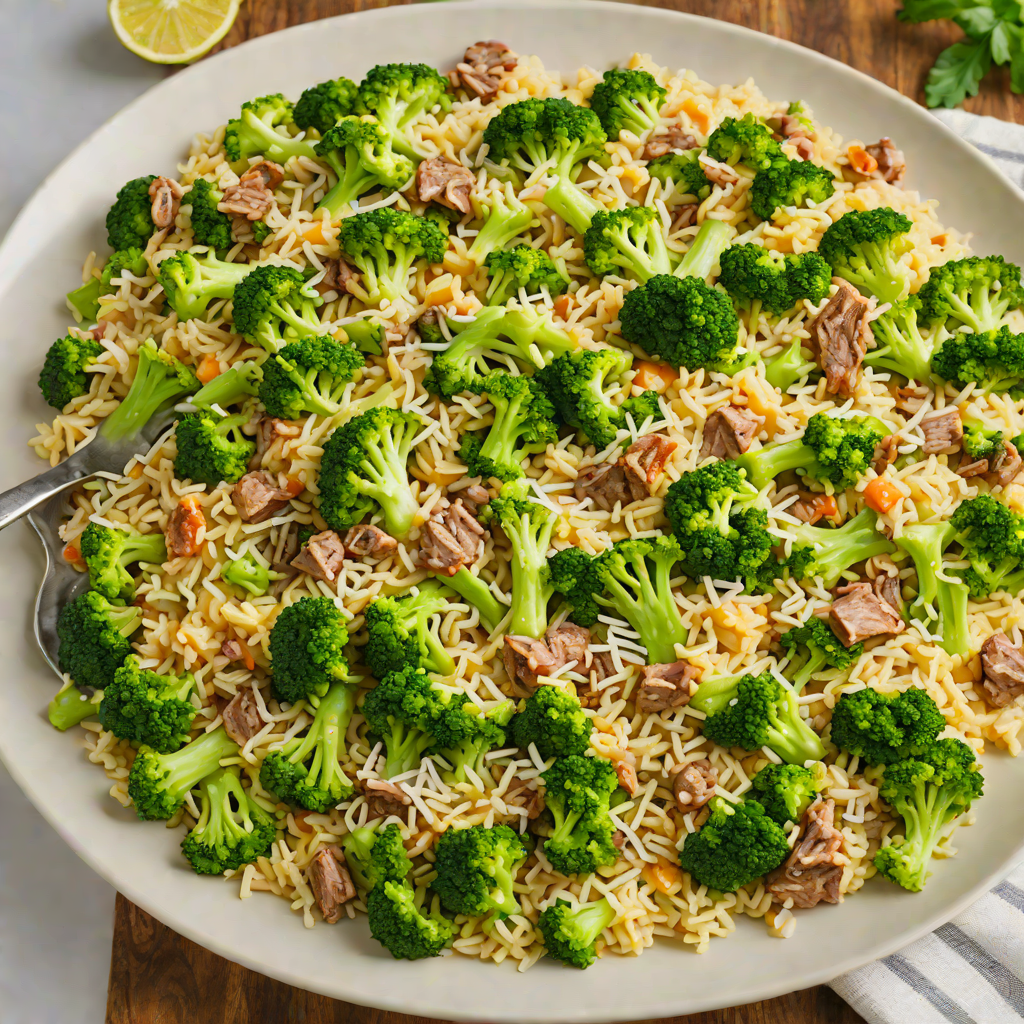
ShopStovetop Cheesy Beef and Broccoli Rice Skillet
A quick one-pan meal combining savory ground beef, tender broccoli florets, and fluffy rice all melted together with mild cheddar cheese for a comforting dish picky eaters will enjoy.
 Shop
ShopSheet Pan Teriyaki Meatball Rice Bowls
Juicy baked beef meatballs glazed with homemade teriyaki sauce served over steamed rice with crisp steamed broccoli for a balanced kid-friendly meal.
 Shop
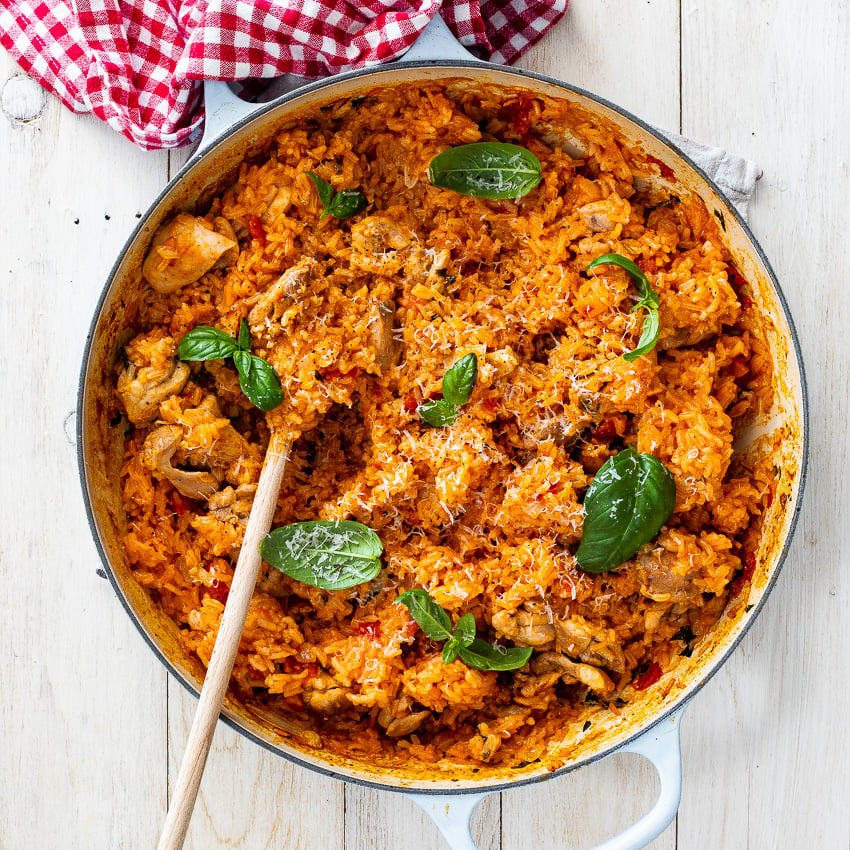
ShopOne-Pot Chicken and Rice with Mild Tomato and Vegetable Sauce
A comforting one-pot meal where tender chicken thighs simmer with rice and a mild tomato-based vegetable sauce, designed to please even the fussiest eaters.
 Shop
ShopCheesy Veggie Croissant Boats with Bell Peppers and Mozzarella
Buttery croissants hollowed and filled with a savory mix of sautéed bell peppers and melted mozzarella cheese, baked to golden perfection.
 Shop
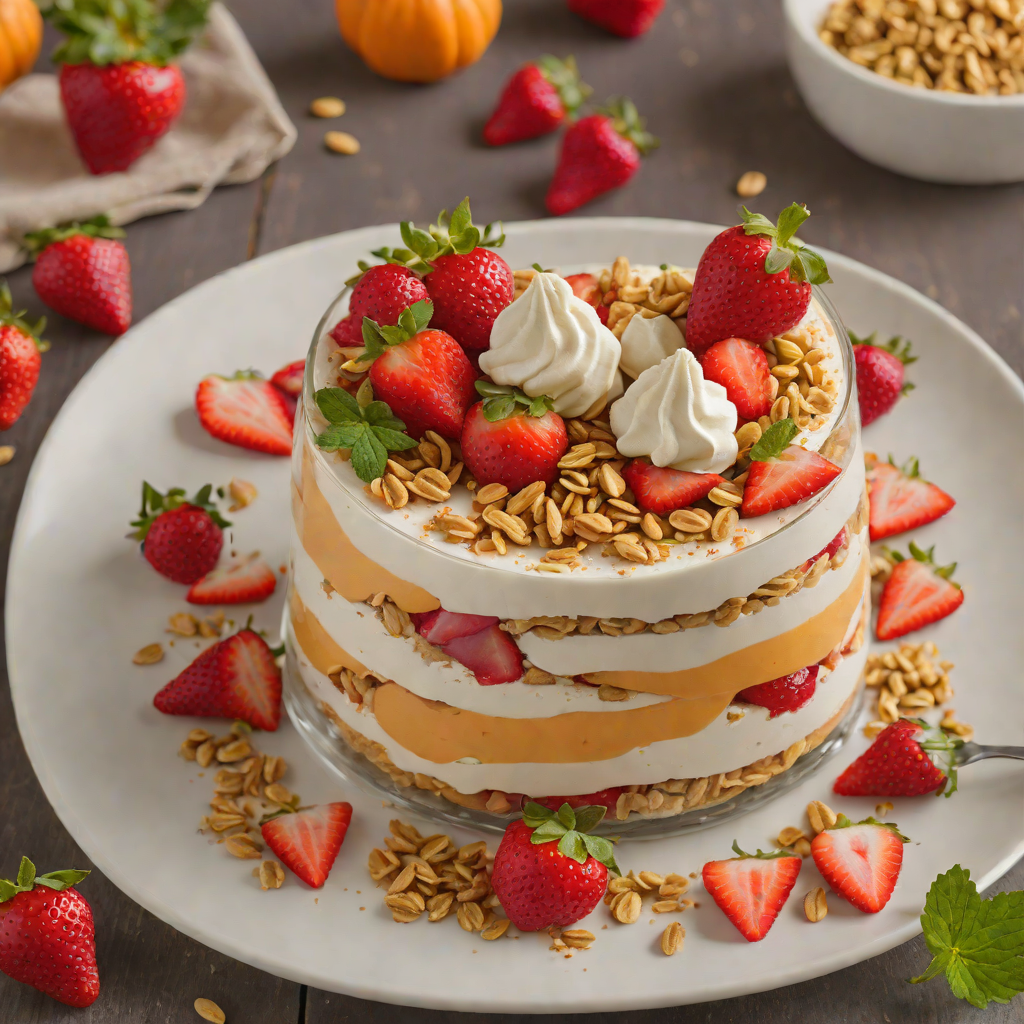
ShopNo-Bake Strawberry Pumpkin Patch Parfait
A fun and colorful no-bake parfait featuring fresh strawberries and pumpkin puree layered with creamy yogurt and crunchy granola for a kid-friendly snack.
 Shop
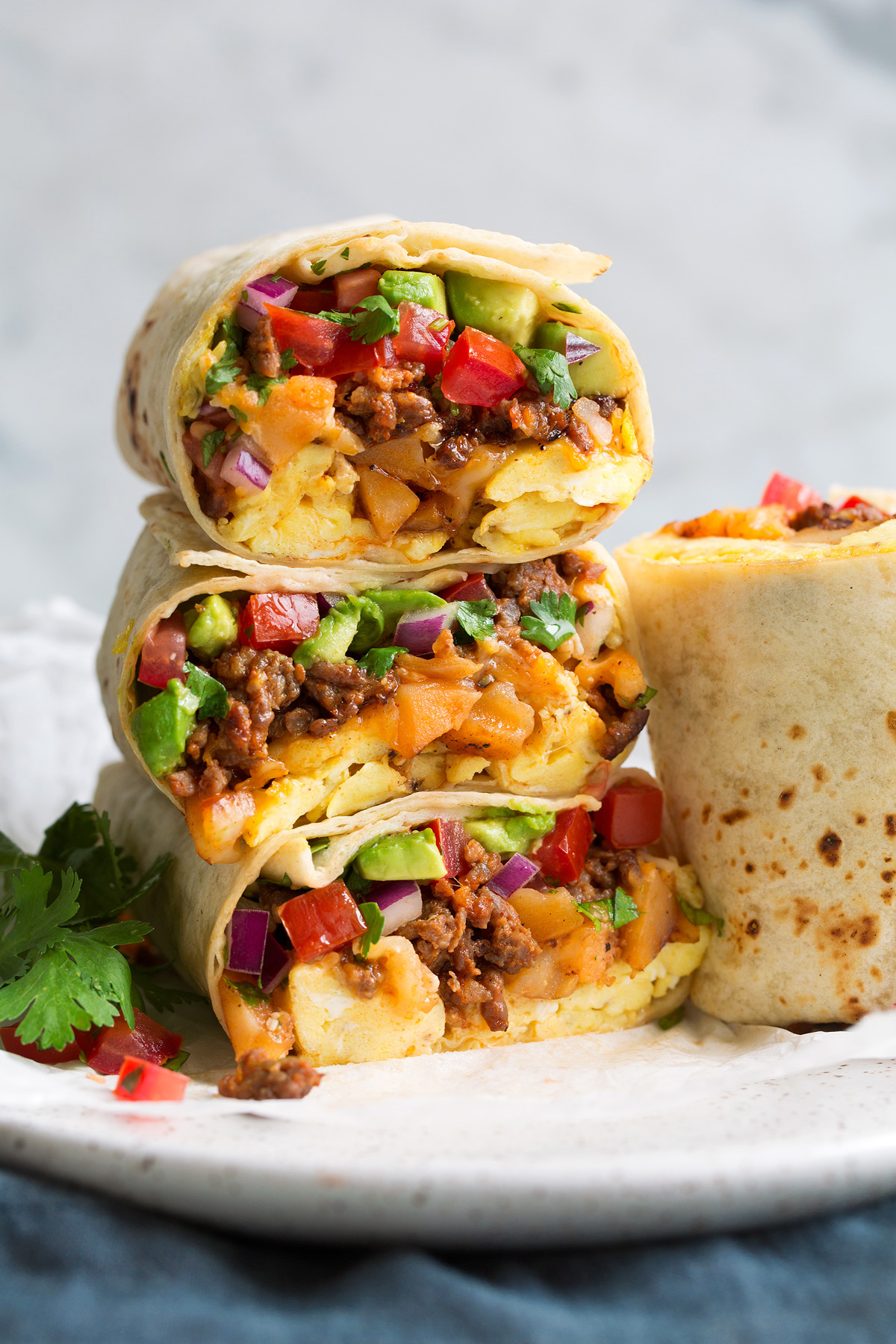
ShopMake-Ahead Breakfast Burritos with Scrambled Eggs and Veggies
Hearty breakfast burritos filled with fluffy scrambled eggs, sautéed vegetables, and cheese that can be prepared in advance and reheated quickly.
 Shop
ShopZucchini Corn Fingers with Yogurt Dip
Baked zucchini and sweet corn fingers served with a tangy yogurt dip, a fun and healthy finger food for kids and adults alike.
 Shop
ShopCheesy Turkey and Spinach Meatball Sliders
Mini turkey meatballs mixed with fresh spinach and parmesan, baked and nestled inside soft slider buns with a layer of melted mozzarella cheese.
 Shop
ShopMini Veggie-Packed Rice Paper Rolls with Peanut Dipping Sauce
Fresh rice paper rolls filled with crunchy vegetables and herbs, served with a creamy peanut dipping sauce that kids will love.
 Shop
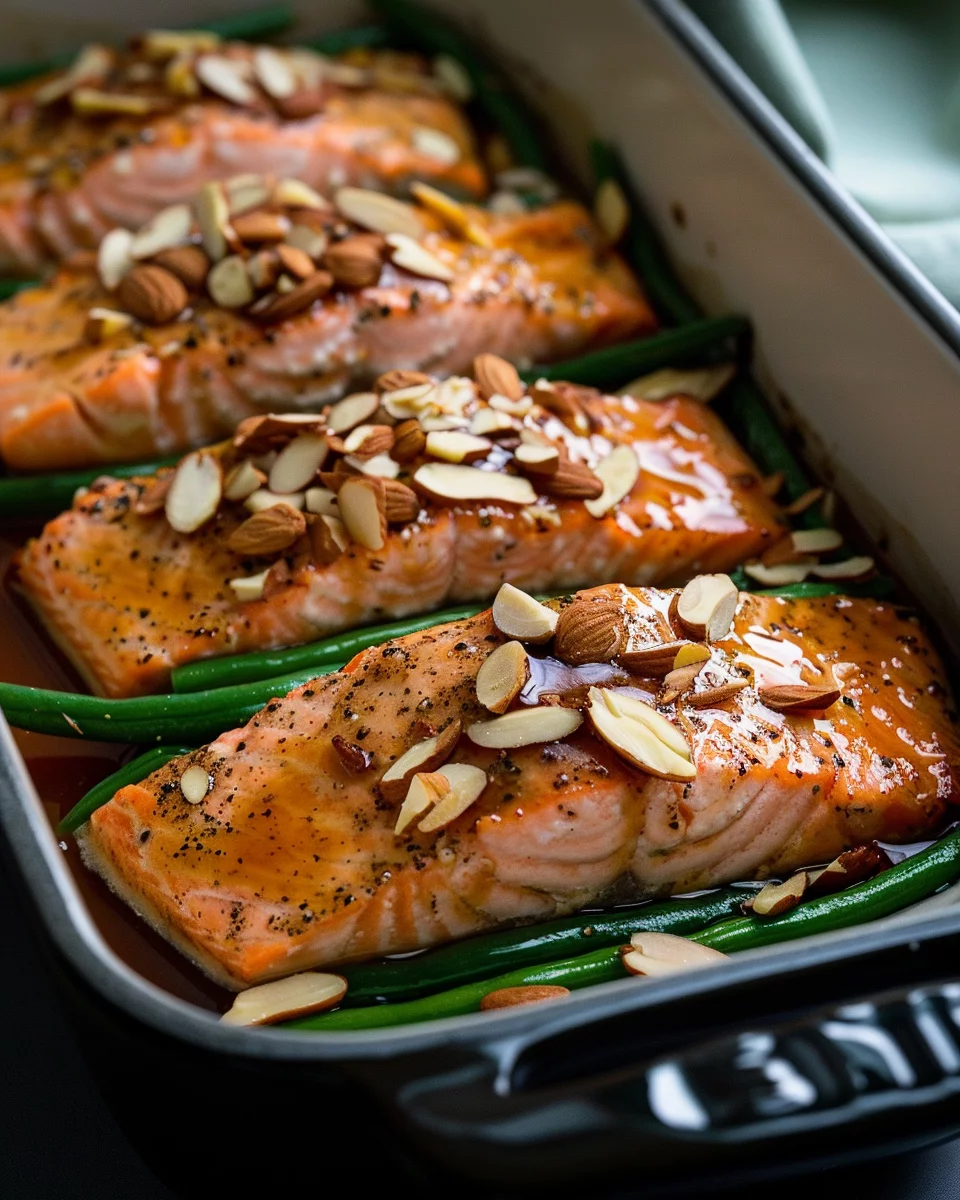
ShopMaple-Glazed Salmon with Roasted Green Beans
A sweet and savory maple-glazed salmon served alongside tender roasted green beans, perfect for a kid-friendly dinner.
 Shop
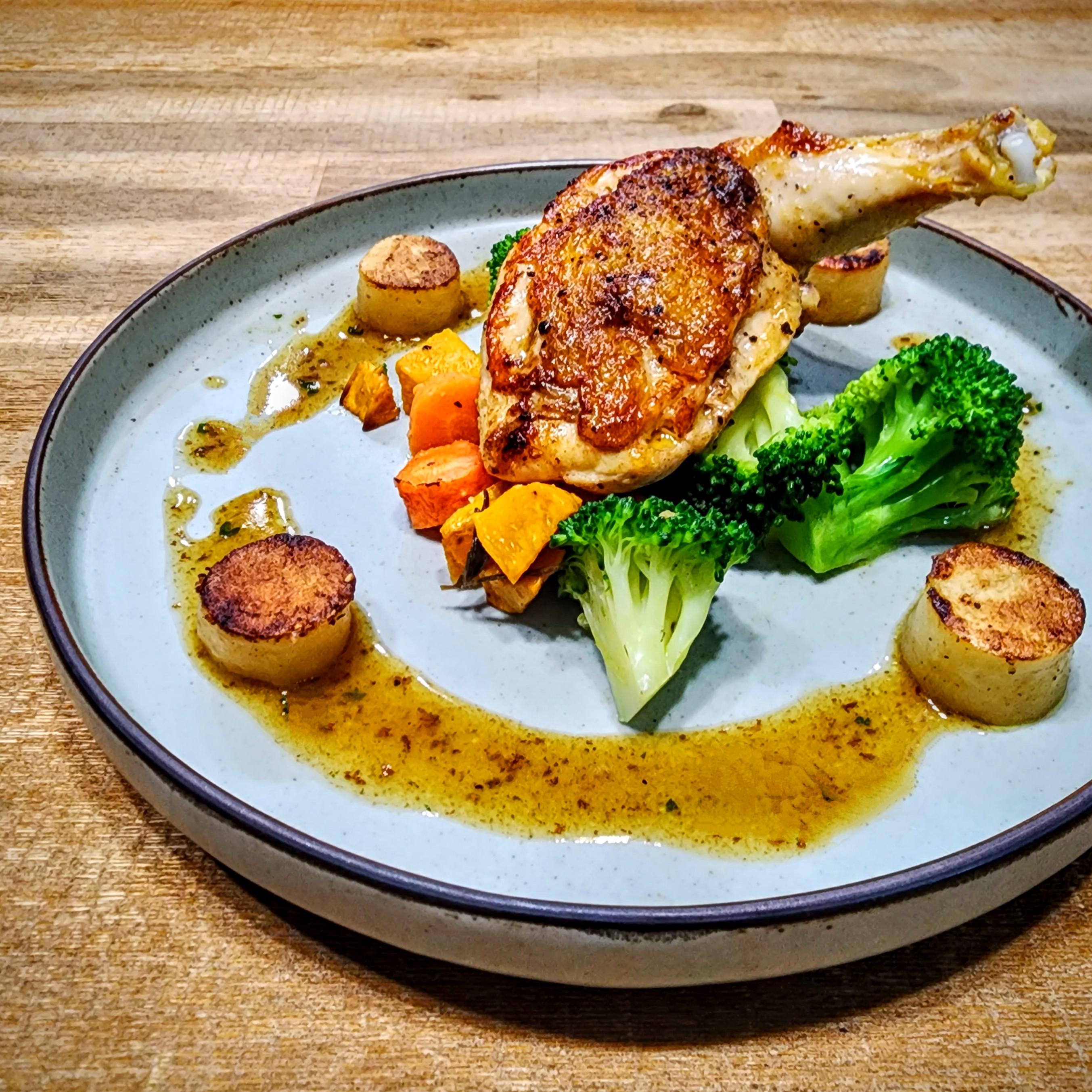
ShopPan-Seared Ranch Chicken with Roasted Broccoli
Pan-seared with ranch seasoning and served alongside tender roasted broccoli for a simple and satisfying family dinner.
Page 1 of 17 · recipes 1–24 of 397 in this collection. Back to Easy Kid-Friendly Meals for Picky Eaters
Hiding works tonight. It does not work in a year.
A puree blended into a pasta sauce genuinely delivers the nutrition, and on a Tuesday when a child has eaten nothing green since Sunday that is a real win worth taking. What it does not do is change what your child will eat next month, because acceptance is built by repeated visible exposure and a hidden vegetable is by definition not an exposure. The research-backed pattern is to do both at once: hide vegetables in the main dish so the nutrition is not hostage to the negotiation, and simultaneously put a small, visible, no-pressure portion of the same vegetable on the side. Over enough meals the visible portion starts getting eaten. Neither half works as well alone.
Roast it until the edges caramelise
The single most effective thing you can do to a vegetable a child rejects is roast it hard. Children are more sensitive to bitterness than adults — that is a genuine developmental difference, not fussiness — and roasting converts starch to sugar and browns the edges, which swings the flavor from bitter toward sweet. Broccoli, cauliflower, carrot and sweet potato all transform this way. Boiling does the opposite: it leaves the bitterness and adds the wet, stringy texture that most objections are really about. If you only change one thing on this page, change the cooking method before you change the vegetable.
Serve it with something to dip it in
Raw and crunchy with a dip outperforms cooked and soft more often than parents expect, because the texture objection disappears entirely and the dip gives the child a way to control the experience. Hummus, yogurt-based dips, and even ketchup all count — the goal at this stage is acceptance, not purity. Pair the dip approach with the lunchbox ideas, where raw vegetables with a separate pot of dip is already the dominant format, and you get several exposures a week without a single dinner-table argument.
Rather have the week decided for you? Read the 7 kid-friendly dinners in 30 min or less, built from this same catalog; the first three days are open, no email needed.
Frequently Asked Questions
Does hiding vegetables actually work?
For tonight's nutrition, yes — a blended puree delivers what it contains. For long-term acceptance, no: children only learn to eat vegetables they can see. Do both, and treat the hidden portion as the floor rather than the plan.
Which vegetables hide best in sauces?
Cauliflower, zucchini, carrot, butternut squash and sweet potato — all mild, all blend smooth, and none of them change the color of a tomato-based sauce enough to be noticed. Spinach works in anything already dark or green.
How do I get a child to eat vegetables they can see?
Roast until the edges caramelise, serve raw with a dip, keep the portion small, and apply no pressure. Repeated low-stakes exposure is what changes acceptance; a single enforced serving usually sets it back.
Are these recipes allergy-safe?
No recipe list can be. Every ingredient is listed on the recipe page, and many of these dips and sauces contain dairy or sesame — read the full list and check labels before you send a cart.
Keep Going
- Easy Kid-Friendly Meals for Picky Eaters
- Quick Kid-Friendly Dinner Recipes in 30 Minutes or Less
- Kids Lunchbox Ideas That Come Home Empty
- Kid-Friendly Slow Cooker Meals for the Nights You Are Not Home
- Kid-Friendly Chicken Recipes for Picky Eaters
- See the best recipes for picky eaters roundup
- Plan a full week and shop it as one Instacart cart
- Meal prep guides — batch-cook for the week
- Pantry tracker — shop only what you're missing
- Browse the full recipe catalog