20 Rotisserie Chicken Recipes: Weeknight Dinners From One Bird
One $6 store-bought bird, three dinners for a family of four, and a pot of stock from the carcass.
Affiliate disclosure: AislePrompt may earn a commission on qualifying purchases made through Amazon and Instacart links in this article, at no additional cost to you. See our affiliate policy →
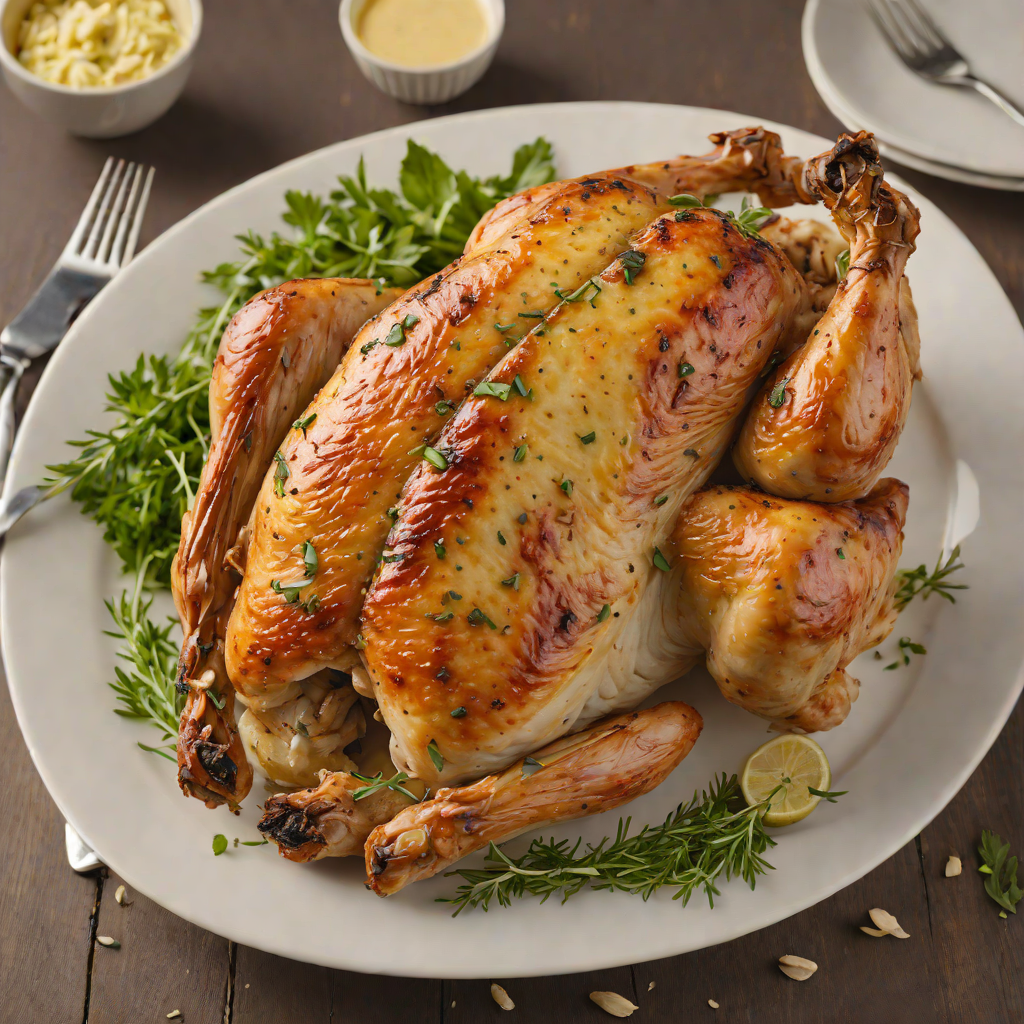
A store-bought rotisserie chicken yields about 3 cups (roughly 1 lb / 450 g) of pulled meat for $5–$8, which is enough protein for three weeknight dinners for a family of four. Strip it warm the day you buy it, split the meat into 1-cup portions, and you have taco night, soup night and a casserole already half-cooked — no thawing, no browning, no 40-minute roast.
One $6 bird, three dinners for four
Look at the math before you look at the recipes. A 2 lb rotisserie bird at Costco is $4.99 and has held that price since 2009; Sam's Club is $4.98; most Kroger and Publix stores run $6.99–$8.99 for a slightly smaller bird. Raw boneless skinless chicken breast averaged around $4.19/lb in mid-2026 US retail data, so a whole cooked bird yielding ~1 lb of meat plus a carcass for stock is roughly break-even on the meat alone — and you're getting the cooking labor for free.
The numbers that matter for weeknight planning:
| What you get | Typical yield | Best use |
|---|---|---|
| Breast meat | 10–12 oz | Slicing: wraps, salads, sandwiches |
| Thigh and leg meat | 5–7 oz | Shredding: tacos, enchiladas, chili |
| Wings | 2 wings | Snack, or straight into the stock pot |
| Skin | ~2 oz | Crisp in a dry skillet for salad topping |
| Carcass + drippings | 1 frame | 6–8 cups of stock in 90 minutes |
| Total edible meat | 2.5–3.5 cups | 3 dinners for 4 people |
Three practical consequences. First, every recipe below assumes the chicken is already cooked, so cook times land at 15–35 minutes instead of 45–70. Second, because you're adding protein at the end rather than building the dish around raw meat, you can't overcook it — the failure mode is drying it out, which the pitfalls section covers. Third, the carcass is not garbage. Simmered with an onion, two carrots and a bay leaf for 90 minutes it produces 6–8 cups of stock that becomes the base of the soups further down this page.
How to break down a rotisserie chicken in 4 minutes
Buy the bird late in the day if you want the price break, but buy it early if you want the best meat — birds that have sat under a heat lamp for four hours lose moisture from the breast and the skin goes leathery. Check the bottom of the container: a puddle of clear drippings is good (save it), a dry container means it's been sitting.
Break it down while it's still warm. Warm meat pulls off the bone cleanly; refrigerated meat tears and leaves a third of the thigh behind.
1. Remove the legs. Pull each leg away from the body and cut through the hip joint. Pull the meat off in strips; discard the thin tendon in the drumstick.
2. Take the breasts off whole. Run a sharp chef's knife down either side of the breastbone, then follow the ribcage down. You want two intact lobes, not shreds — intact breast slices better for sandwiches.
3. Get the oysters. Two thumb-sized nuggets on either side of the spine, near the thigh joint. Best meat on the bird. Cook's treat.
4. Strip the wings and the back. Everything that's left goes in the shred pile.
5. Bag the carcass. Freeze it flat in a zip bag until you have time for stock, or start it simmering that night.
Store meat in two containers, not one: sliced breast in one, shredded dark meat and scraps in the other. Sliced meat dries out faster, so use it within two days; shredded meat holds four days refrigerated and three months frozen. If you're building a weekly system around this, the right lidded containers matter more than you'd think — a shallow 1-quart container chills chicken to safe temperature in about 90 minutes, while a deep 3-quart tub can take four hours, which is squarely inside the USDA's cooling guidance for cooked poultry.
If you'd rather roast your own, the technique and timing are in our complete guide to cooking chicken, and this wood-fired rotisserie chicken with garlic herb butter is the home version worth doing on a weekend.
One-pot pasta and rice
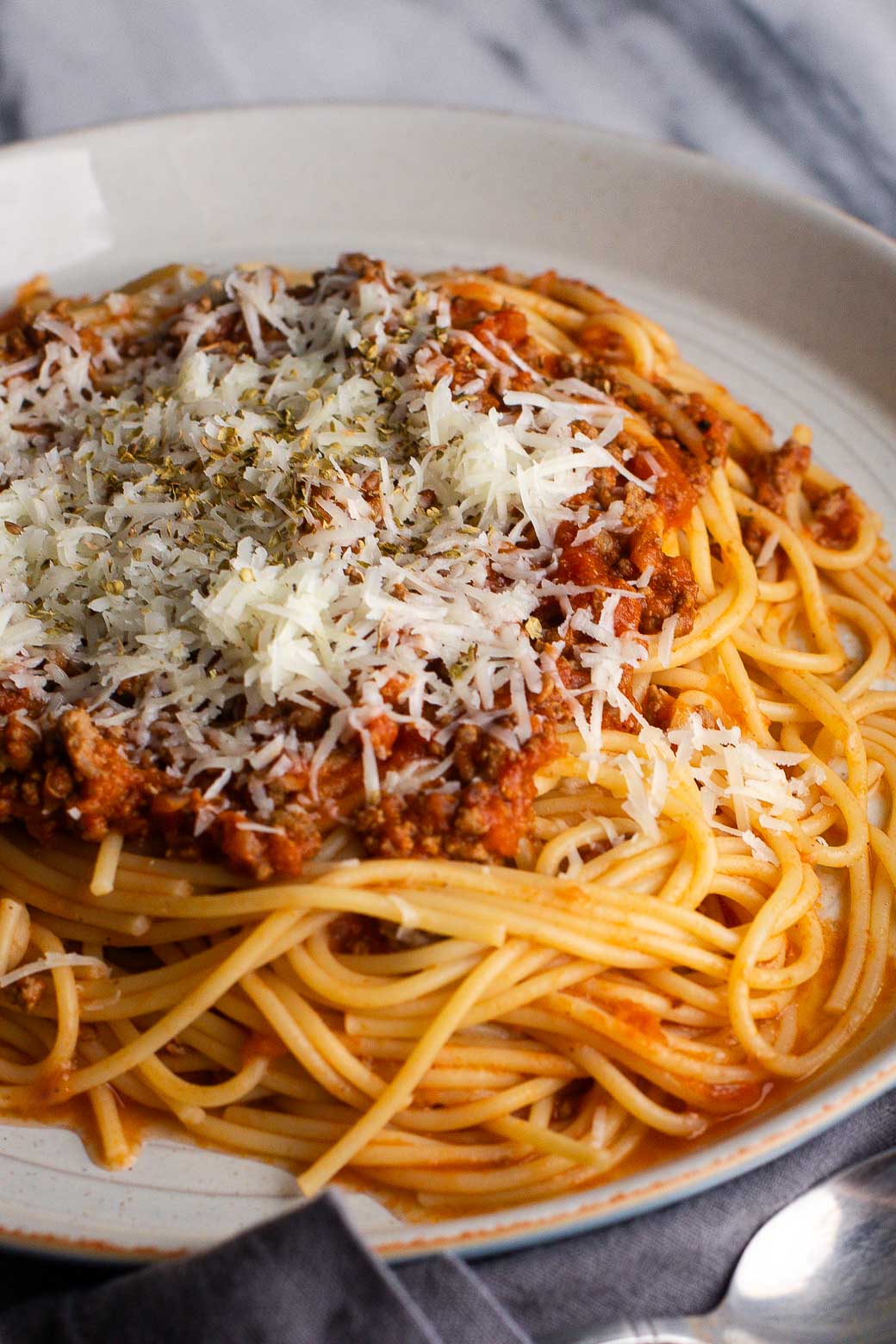
One-pot chicken alfredo with garlic and parmesan is 25 minutes and 48 g protein per serving — the highest protein-per-minute ratio in this roundup. One-pot creamy lemon garlic pasta with chicken and one-pot chicken and tomato basil pasta are the same technique with different acid: lemon for brightness, tomato for depth. All three land between 500 and 620 calories and 30–48 g protein.
Best chicken fried rice needs day-old rice and a screaming-hot pan; use a carbon steel or cast-iron skillet rather than nonstick, which can't hold the heat you need. 15 minutes prep, 20 minutes cook, 420 calories.
The rule for all four: pasta and rice absorb liquid and salt aggressively. Stir the chicken in during the final two minutes, off the boil.
Tacos, wraps and quesadillas
This is the category rotisserie chicken was built for. The meat is already cooked, so you're just adding a sauce and heat.
Classic chicken tinga tacos with chipotle tomato sauce is the single best use of the dark meat. Sauté sliced onion, add a can of fire-roasted tomatoes and two chipotles in adobo, blend, then simmer the shredded thigh meat in it for 10 minutes. 320 calories and 28 g protein per serving, and the sauce freezes better than almost anything else here.
Buffalo chicken lettuce wraps with blue cheese drizzle needs zero cooking — 15 minutes of prep, 290 calories, 30 g protein. It's the fastest thing on this page.
Chicken tortilla wraps with avocado-lime crema uses sliced breast rather than shreds, which is why it belongs on day one while the breast is still juicy. 25 minutes, 350 calories.
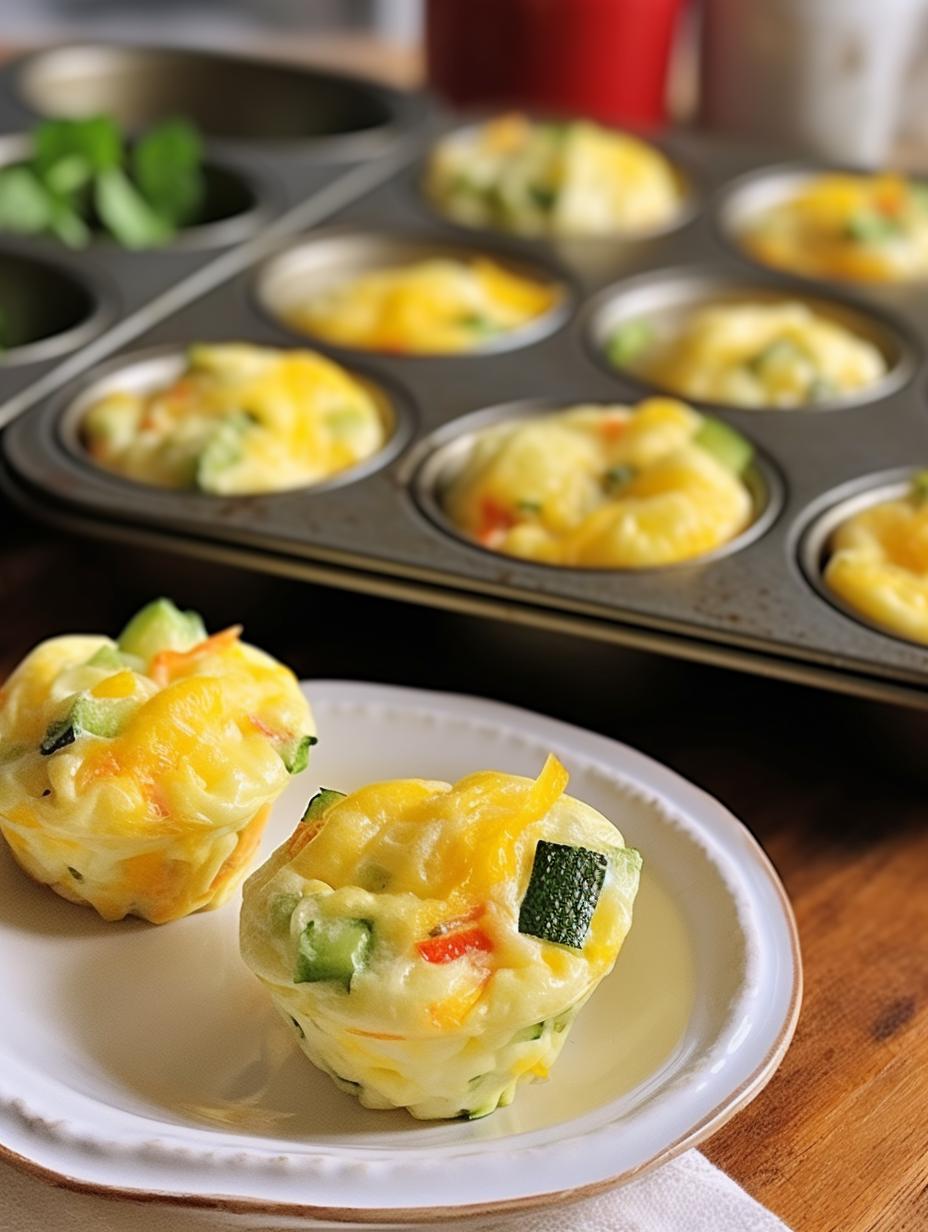
For the under-10 crowd, kid-friendly mini chicken quesadillas with cheddar run 10 minutes prep and 15 minutes cook. The adult version — stovetop chicken quesadillas with roasted red pepper sauce — uses the same tortillas and the same pan.
When you need to feed a crowd off one tray, sheet pan buffalo chicken nachos with melted cheese serves six in 25 minutes total. A half-sheet pan is the only equipment requirement.
Salads, bowls and cold plates
Lebanese-inspired chicken shawarma bowl with garlic sauce is the highest-value bowl at 520 calories and 45 g protein. Toss the shredded meat in shawarma spice and crisp it in a dry pan for two minutes before it hits the bowl — that surface texture is what keeps a reheated bowl from tasting reheated.
Cold lemon-dill chicken salad sandwiches takes 10 minutes and is the best lunchbox use of leftover breast. Venezuelan reina pepiada chicken salad sandwich swaps mayo for mashed avocado and is dramatically better than that swap usually is — 420 calories, 30 g protein.
Baked buffalo chicken dip with rotisserie chicken and cream cheese serves eight from one cup of meat, which makes it the most economical dish here per person.
Casseroles and skillets
These are the "assemble Sunday, bake Wednesday" recipes.
Creamy crockpot chicken enchilada casserole is the highest-protein dish on the page at 45 g per serving, feeding six. Texas-style chicken enchiladas is the faster oven version — 30 minutes prep, 30 minutes bake. If you want the ambitious weekend one, stewed chicken enchiladas with red mole sauce and quesillo is worth the extra hour.
One-pan chicken and rice casserole and oven-baked chicken and broccoli casserole with cashew cream are the two weeknight workhorses — the second is dairy-free without tasting like a compromise, at 350 calories and 35 g protein.
Authentic Depression-era chicken pot pie is the highest-calorie item here at 580, and the one your family will ask for again. Store-bought puff pastry is a legitimate shortcut.
Soups — and the stock that makes them
One-pot chicken noodle soup with rotisserie chicken and fresh vegetables is the reference recipe — 10 minutes prep, 20 minutes cook, 300 calories, 32 g protein. Add the chicken in the last three minutes, off the boil, or it goes stringy.
Three tortilla soups, three personalities: Rio Grande style chicken tortilla soup is the deepest and most tomato-forward; quick chicken tortilla soup with roasted corn and avocado is the 35-minute weeknight version at 310 calories; cilantro-lime chicken tortilla soup is the brightest and takes the best to leftovers.
Avgolemono chicken soup with lemon and dill is the one to make when you actually made stock. The Greek egg-lemon liaison needs real gelatin in the broth to hold together; boxed stock gives you lemony chicken soup instead of a silky emulsion. 280 calories, 30 g protein.
For hands-off days, crockpot chicken wild rice soup with vegetables runs 7 hours in the slow cooker with the chicken stirred in at the very end.
Stock from the carcass: 90 minutes on the stove, 30 under pressure
Carcass, one quartered onion, two carrots, two celery ribs, a bay leaf, 10 peppercorns, cold water to cover by an inch.
Stovetop: bring to a bare simmer — never a boil, which emulsifies fat and clouds the stock — and hold 90 minutes.
Pressure cooker: 30 minutes at high pressure, then natural release for 15. The higher temperature extracts collagen faster, and the sealed vessel means nothing evaporates, so the yield is closer to the water you put in.
Either way, strain, chill, lift the fat cap. You'll get 6–8 cups. It will set to a soft jelly in the fridge, which is exactly what you want.
The 20 recipes: prep times and how much chicken each one eats
Every recipe below assumes the meat is already pulled off the bone, so the "prep" column is real knife-and-bowl time, not roasting time. The chicken column is the estimate that actually matters when you're standing at the counter with one bird: a 2 lb rotisserie chicken gives you 2.5–3.5 cups of pulled meat, so one bird covers any two of these dishes, or one casserole plus a lunch.
Four of those need almost no active attention: numbers 6 and 11 involve no cooking at all beyond assembly, and 13 and 20 are slow-cooker builds where the chicken goes in during the last 20 minutes so it doesn't shred to fibers over seven hours.
Seven more rotisserie-friendly recipes are linked in the sections above and didn't make the numbered twenty only because they overlap with something already on the list: the kid-friendly mini chicken quesadillas (10 min prep, 1.5 cups), the baked buffalo chicken dip (1 cup, feeds eight — the most economical dish here per person), the weekend-project stewed chicken enchiladas with red mole (2 cups), the dairy-free oven-baked chicken and broccoli casserole with cashew cream (2 cups), and two more tortilla soups — quick chicken tortilla soup with roasted corn and avocado (35 minutes total) and cilantro-lime chicken tortilla soup (the best of the three for leftovers).
Shred-yield math, so you can plan a week in one pass
The unit that makes this planning tractable is the cup. One cup of pulled rotisserie chicken weighs about 5 oz and feeds two people in a soup, a pasta or a taco filling, and one person in a bowl or a sandwich where the chicken is the whole point.
| Bird size | Pulled meat | Cups | Dinners for 4 |
|---|---|---|---|
| 1.5 lb (small grocery) | ~10 oz | 2 | 1, plus a lunch |
| 2 lb (Costco, Sam's Club) | ~1 lb | 2.5–3.5 | 2, plus stock |
| 3 lb (deli / premium) | ~1.5 lb | 4–4.5 | 3, plus stock |
Two birds pulled on the same Sunday — about $10 and 20 minutes of work — cover five weeknight dinners for a family of four with roughly 2 cups left over for lunches, plus two carcasses that make a gallon of stock. That is the entire case for building a week around this, and it is the reason the sheet pan and the 1-quart storage containers do more work in this system than any knife-skill upgrade.
Real-world numbers: one bird, one week
An actual three-dinner rotation from a single $5 bird, prepped in one 20-minute Sunday session.
| Day | Dish | Chicken used | Active time | Cost/serving |
|---|---|---|---|---|
| Monday | Chicken tinga tacos | 1.5 cups dark | 15 min | $2.40 |
| Wednesday | Chicken noodle soup | 1 cup mixed | 10 min | $1.85 |
| Friday | Buffalo chicken nachos | 1 cup shredded | 10 min | $2.10 |
| Sunday | Stock from carcass | carcass | 5 min active | $0.30/cup |
Total chicken cost across three dinners for four people: $5. Total active cooking time: 35 minutes. That's the whole argument.
For a bigger version of this system, our Sunday meal prep guide walks through a full 20-recipe rotation, and budget meal prep under $5 per portion shows how rotisserie chicken fits a tighter grocery budget.
Common pitfalls (and the fixes)
You reheat the meat directly in boiling liquid. Cooked chicken breast turns to string above about 165°F held for any length of time. Stir it into soup off the heat, in the last two to three minutes. Residual heat is enough.
You buy it cold and pull it cold. You'll leave 4–6 oz of meat on the frame. If you already refrigerated the bird, microwave it 60 seconds before pulling.
You store sliced and shredded together. Sliced breast dries out in 48 hours; shredded dark meat holds four days. Mixed together, everything ages at the speed of the breast.
You skip the drippings. The gelled drippings at the bottom of the container are concentrated chicken jus. A tablespoon stirred into any soup here is worth more than an extra bouillon cube.
You salt as if the chicken were unseasoned. Commercial rotisserie birds are brined — typically 300–450 mg sodium per 3 oz serving before you add anything. Season the dish, taste, then decide.
You freeze it in one lump. Freeze in 1-cup portions, flat, in labeled bags. A flat 1-cup bag thaws in 15 minutes under cool running water; a 3-cup brick takes overnight.
When NOT to use rotisserie chicken
Skip it when the dish depends on browning. Chicken piccata, chicken marsala, chicken parmesan and any fried preparation need raw meat that develops fond in the pan — rotisserie meat added to those becomes chewy and the sauce loses its foundation. Skip it for grilling, where you want a raw surface to char. Skip it when you're feeding someone on a strict low-sodium diet, because the brine is not optional and not adjustable. And skip it when the recipe calls for a very long braise: two hours in liquid reduces already-cooked meat to fibers.
For those, start with raw chicken. Our guides to cooking chicken breast and chicken thighs cover the technique.
Food safety, plainly
Cooked chicken is safe in the refrigerator for three to four days at 40°F or below, and indefinitely at 0°F in the freezer with quality declining after about four months. Get the bird into the fridge within two hours of purchase — one hour if it's above 90°F in your car. Reheat leftovers to 165°F, verified with a digital instant-read thermometer rather than by eye, since visual doneness cues don't work on meat that's already cooked.
Sources
- USDA — Food and Nutrition for refrigeration, freezing and reheating guidance on cooked poultry.
- Serious Eats — Rotisserie chicken recipes for a practical breakdown of yields, storage and technique.
- New York Times Cooking — Rotisserie chicken when you want a fourth or fifth idea beyond this list.
Frequently asked questions
How much meat comes off one rotisserie chicken?
How long does rotisserie chicken keep in the fridge?
Are Costco rotisserie chickens actually a good deal?
Can I use rotisserie chicken instead of poached chicken in recipes?
Is rotisserie chicken healthy?
Meal-prep recipes from the catalog
Save any of these to My Recipes — no account needed — and send the ingredients to Instacart in one tap.