22 Weeknight Casserole Recipes: Family Bakes for Busy Nights
One 9x13 dish, four components, and 22 family-sized bakes -- with real cook times, per-serving numbers, and which ones actually freeze.
Affiliate disclosure: AislePrompt may earn a commission on qualifying purchases made through Amazon links in this article, at no additional cost to you. See our affiliate policy →
The easiest casserole recipes for dinner are the ones built on a single formula: a cooked protein, a starch, a creamy binder, and a crunchy top, baked at 350-375°F in one 9x13 dish for 25-45 minutes. Master that structure and you can build almost any weeknight casserole from what's already in your fridge, no recipe card required.
Introduction: The 9x13 revival is real, and here's why
Casseroles went out of fashion for about fifteen years, and the reason was mostly texture. The 1990s version leaned on condensed soup, pre-shredded cheese, and a 60-minute bake that turned everything the same shade of beige. What came back is different: real béchamel instead of canned soup, a hard sear on the protein before it goes in the dish, and a panko-and-parmesan lid that actually stays crisp.
The practical case for casseroles hasn't changed, though, and it's still the strongest argument in weeknight cooking. One dish feeds four to eight people. One dish goes in the dishwasher. One dish can be assembled Sunday, refrigerated, and baked Wednesday. And the marginal cost of doubling a casserole is close to zero — you're already heating the oven, so a second pan for the freezer costs you eight minutes of assembly and nothing else.
This guide is 22 casseroles from the AislePrompt catalog, organized by protein and sorted so you can find the one that matches what's in your fridge tonight. Every recipe below is linked, with real cook times and per-serving nutrition, plus a freeze-ability note. As of 2026, search interest for casserole recipes climbs steadily from Labor Day and peaks between Thanksgiving and mid-January — if you're reading this in August or September, you're ahead of the crowd and the grocery prices.
The casserole formula: protein + starch + binder + crunch
Every casserole in this guide is some arrangement of four components. Learn the ratios and you stop needing recipes for the weeknight versions.
Protein — 1 to 1.5 lb for a 9x13. Rotisserie chicken, browned ground beef, Italian sausage, canned tuna, or a plant protein like chickpeas or crumbled tofu. It must be fully cooked before it goes in the dish. Raw protein in a casserole either overcooks the starch waiting for it or releases enough water to make the whole bake soupy.
Starch — 3 to 4 cups cooked. Pasta boiled two minutes short of al dente, cooked rice, sliced potatoes, cauliflower rice, or torn day-old bread. Undercook pasta deliberately; it will absorb sauce and finish in the oven. Fully-cooked pasta going into a 35-minute bake comes out mushy every single time.
Binder — 2 to 3 cups. This is where the modern versions diverge from the 90s. A quick béchamel (3 tbsp butter, 3 tbsp flour, 2.5 cups milk, 6 minutes on the stove) tastes cleaner than condensed soup and costs about $0.80. Alternatives: a tomato sauce with ricotta, an egg-and-dairy custard for stratas, or a Greek yogurt base thinned with stock.
Crunch — the last 10 minutes. Panko tossed in melted butter, crushed crackers, fried onions, or a sharp cheese that browns. Add it uncovered in the final stretch so it doesn't steam. The single biggest difference between a good casserole and a sad one is a lid that snaps when the spoon goes in.
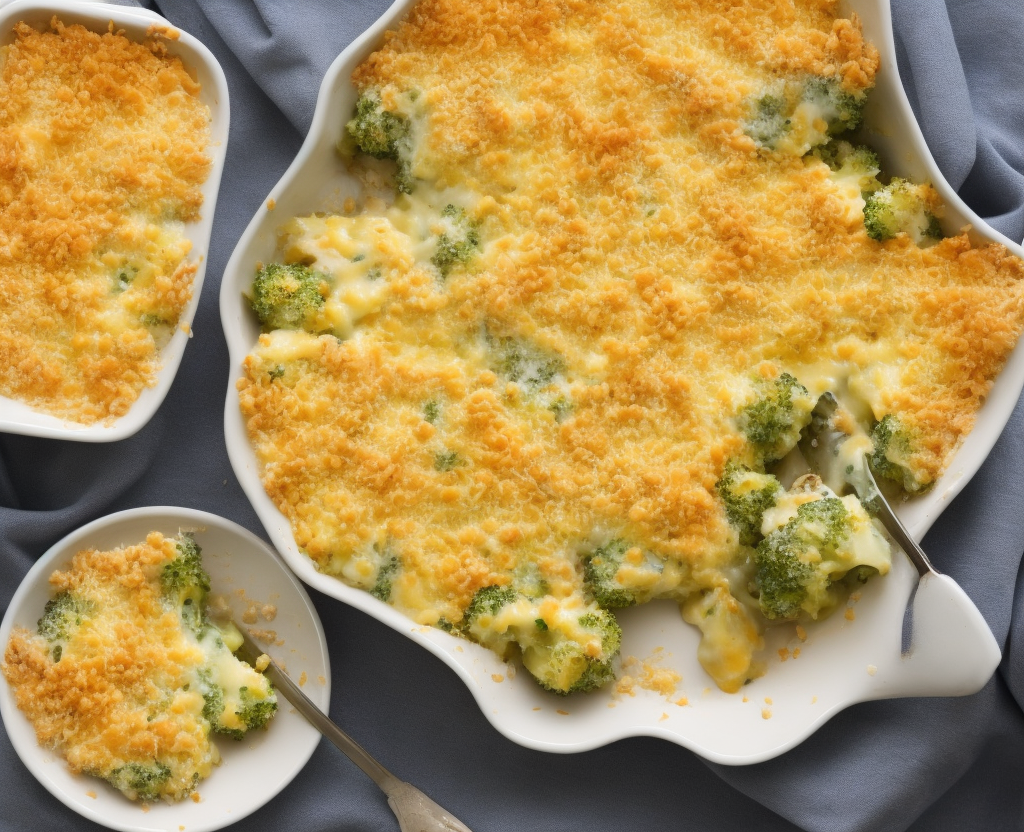
The Baked Potato and Broccoli Casserole with Cheddar and Panko is the clearest illustration of the formula — potato as the starch, cheddar sauce as the binder, panko on top — and it's a good one to cook first if you want to internalize the structure. If you want the historical version of how the format developed, Wikipedia's entry on the casserole traces it from earthenware cooking vessels through the mid-century American canned-soup era.
Chicken casseroles: 6 versions that don't taste like the 90s
Chicken is the default casserole protein because rotisserie chicken exists. One $6 bird yields about 3 cups of shredded meat — exactly a 9x13's worth — and skips the browning step entirely.
Oven-Baked Chicken and Broccoli Casserole with Cauliflower Rice — 30 minutes, 4 servings, 320 calories and 35g protein. This is the highest-protein, lowest-calorie casserole in the roundup, because cauliflower rice replaces the starch entirely. It's also the one most likely to go watery, so squeeze the thawed cauliflower rice in a towel first.
Crestview Inn Chicken and Rice Casserole — 30 minutes, 6 servings, 420 calories, 32g protein. The classic. Long-grain rice, a proper cream sauce, and enough volume to feed six for around $11 in ingredients.
Mexican Chicken Enchilada Casserole — 30 minutes, 4 servings, 400 calories. Layered tortillas instead of rolled enchiladas cuts assembly from 25 minutes to 8. Nobody at the table notices the difference.
One-Pot Chicken Pot Pie Casserole — 30 minutes, 4 servings, 420 calories, 35g protein. Pot pie without pastry math. The topping goes on as a drop biscuit, which is forgiving in a way rolled crust never is.
Herb-Roasted Chicken and Vegetable Casserole — 30 minutes, 6 servings, 450 calories. The one to make when you want a casserole that still eats like a roast dinner.
Cheesy Chicken and Pasta Bake — 35 minutes, 4 servings, 480 calories, 36g protein. The kid-approved entry. If you have a picky eater, start here.
A note on chicken: dark meat holds up dramatically better in a 35-minute bake than breast. Thigh meat sits around 15% fat versus breast's 3%, and that fat is what keeps the meat from going stringy under a cheese blanket. If you're shredding your own, buy thighs.
Beef and pork bakes: enchilada, shepherd's pie, and beyond
Ground beef casseroles need one extra step that gets skipped constantly: after browning, drain the fat and pat the meat with a paper towel. A pound of 80/20 beef releases roughly a quarter cup of liquid fat, and that fat pools under the starch layer and makes the bottom greasy.
Shepherd's Pie with Garlic-Mashed Potatoes and Ground Beef — 45 minutes, 4 servings, 520 calories, 35g protein. Pipe or fork-rake the potato topping so there are ridges to brown; a smooth top stays pale.
North Dakota Potato & Ground Beef Casserole — 45 minutes, 6 servings, 450 calories. Sliced potato instead of mashed. Cheaper, sturdier, and it slices into clean squares for lunchboxes.
Comforting Beef and Potato Sheet Pan Casserole — 40 minutes, 4 servings, 480 calories. Sheet pan format means more surface area and therefore more browned edges. If your family fights over the corner pieces, make this one.
Spicy Beef & Bell Pepper Casserole with Cheddar — 25 minutes, 4 servings, 450 calories, 35g protein. Fastest beef bake here, and the highest protein-to-calorie ratio of the beef group.
Mexican Chipotle Beef Enchiladas with Black Beans — 30 minutes, 4 servings, 350 calories. The lightest beef entry, mostly because the beans do half the volume work.
Temple Hills Tuna Noodle Casserole — 30 minutes, 8 servings, 420 calories, 28g protein. Not beef, but it belongs in the pantry-staples conversation: two cans of tuna, a box of egg noodles, and a béchamel feeds eight for under $9.
Overnight Sausage and Cheese Breakfast Casserole — 50 minutes, 8 servings, 390 calories. Assembled the night before, baked in the morning. This is the breakfast-for-dinner move and it's the single best casserole to bring to someone else's house.
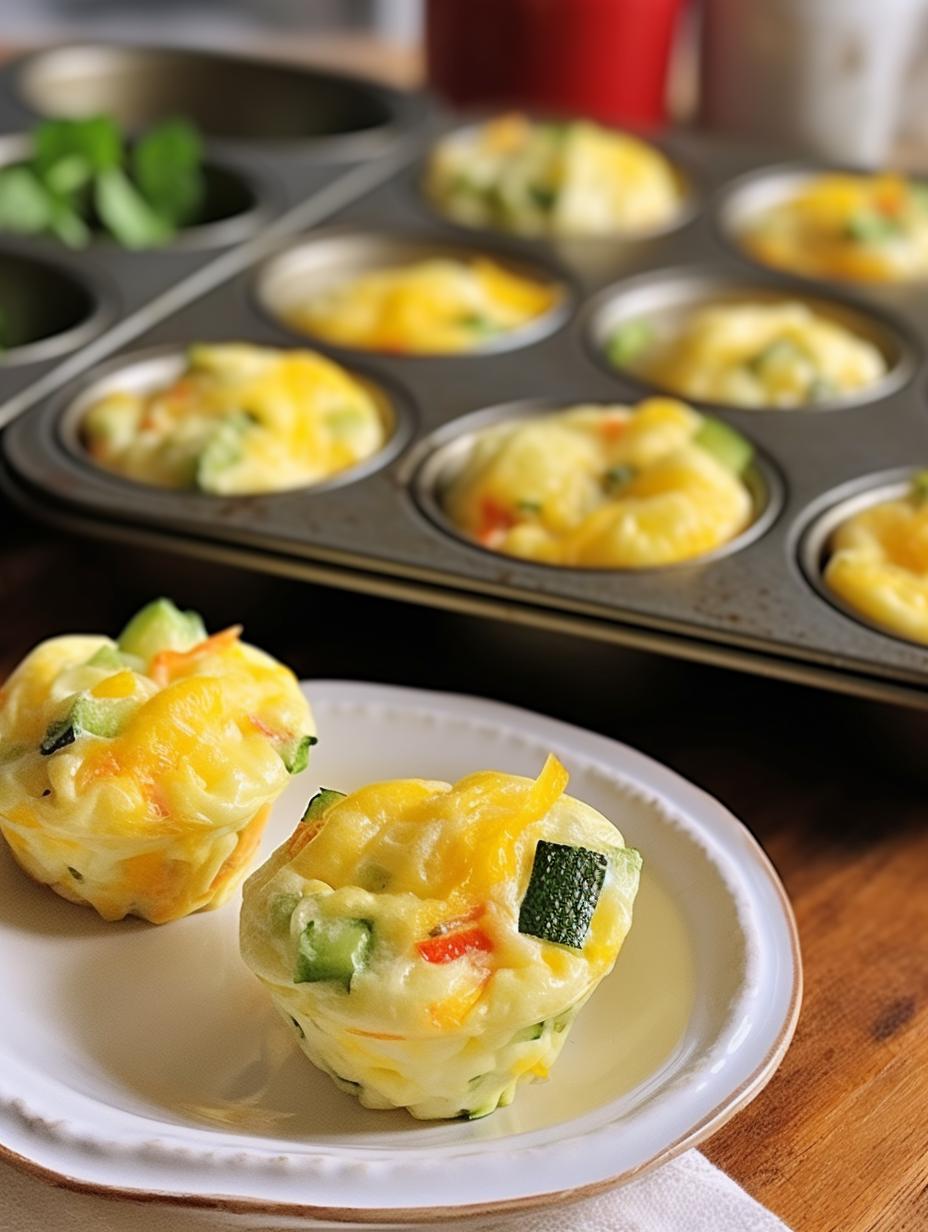
Sausage, Egg, and Chive Breakfast Casserole — 35 minutes, 4 servings, 290 calories. The lightest bake in the entire guide.
Pasta bakes: baked ziti, lasagna, and one-pan mac
Pasta bakes are where the undercooking rule matters most. Boil to two minutes shy of the package's al dente time — the pasta will absorb another half cup of sauce in the oven and finish exactly right.
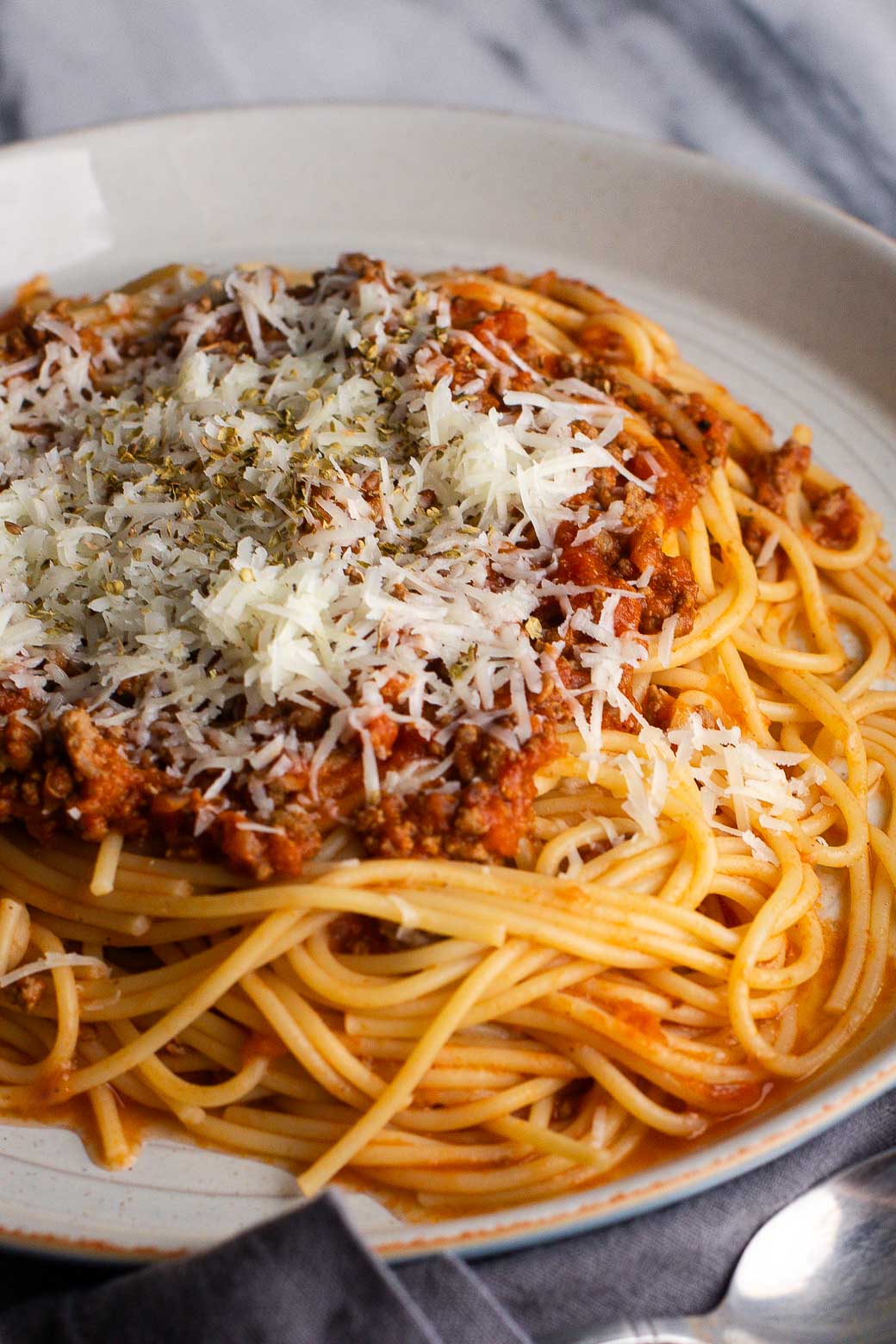
Best Baked Ziti — 30 minutes, 8 servings, 380 calories. Eight servings for roughly $10 makes this the cheapest per-portion dinner on the list. It also doubles cleanly into two 9x13s.
Classic Beef Lasagna with Tomato-Ricotta Sauce — 45 minutes, 6 servings, 500 calories, 32g protein. The longest bake here and the one that most rewards a 20-minute rest before cutting. Wikipedia's lasagne entry is worth a skim if you want to understand why the ricotta-versus-béchamel argument exists at all.
Baked Macaroni and Cheese with Bacon — 25 minutes, 6 servings, 520 calories. Grate your own cheese. Pre-shredded is coated in cellulose or potato starch to stop clumping, and that coating is exactly what makes a baked mac sauce turn grainy.
Three-Layer Mushroom and Spinach Pasta Bake — 30 minutes, 6 servings, 620 calories. The richest dish in the guide. Treat it as a weekend bake.
Spinach-Ricotta Stuffed Pasta Shells — 25 minutes, 4 servings, 320 calories. Stuffing shells is 15 minutes of fiddly work that pays off in portion control: one shell is one unit, so nobody over-serves.
Meatless casseroles: 4 vegetarian family favorites
The mistake in vegetarian casseroles is treating vegetables as a one-for-one swap for meat. Vegetables are 80-92% water by weight; meat is roughly 65%. Roast or sauté them first to drive off moisture, or the bake goes soupy.
Cheesy Broccoli and Cheddar Casserole — 20 minutes, 4 servings, 350 calories, 18g protein. Fastest bake in the roundup at 20 minutes.
Harvest Vegetable Lasagna — 30 minutes, 6 servings, 340 calories. Roast the squash and zucchini on a sheet pan first. Non-negotiable.
Sweet Corn and Potato Casserole with Herbed Cheese — 35 minutes, 8 servings, 280 calories. Feeds eight, works as a side dish for a crowd, and reheats better than almost anything else here.
Baked Potato and Broccoli Casserole with Cheddar and Panko — 30 minutes, 6 servings, 420 calories. The formula-demonstration bake from earlier in this guide.
For the ceramic or glass 9x13 that all of these assume, plus half-size 8x8 dishes for smaller households, the bakeware section of the AislePrompt kitchen shop has current picks across price tiers.
Make-ahead and freezer-friendly casseroles: the meal-prep angle
Casseroles are the highest-leverage meal-prep format that exists, because doubling one costs almost no extra labor.
The assemble-and-freeze rule. Build the casserole completely, skip the crunch topping, cover tightly with foil, and freeze before baking. Up to 3 months. Thaw overnight in the refrigerator, add the topping, and bake per the recipe plus 15 minutes. Freezing after baking works but cream-sauce bakes come out grainy — the emulsion breaks on the second heating cycle.
What freezes well and what doesn't. Tomato-based bakes (ziti, lasagna, enchilada) freeze near-perfectly. Béchamel bakes freeze acceptably. Potato-topped bakes are fine. Anything with a fresh crunch topping, a custard set (stratas), or raw dairy stirred in at the end should be refrigerated 3-4 days instead of frozen.
Refrigerated make-ahead windows. An unbaked assembled casserole holds 48 hours in the refrigerator; past that the salt starts drawing water out of the vegetables. A baked casserole holds 3-4 days. Refrigerate within two hours of coming out of the oven — the FoodSafety.gov cold storage chart is the reference to follow here, and it's stricter than most home cooks assume.
For freezer transfer, glass dishes with sealing lids beat foil pans on reheating quality but take up more space; both live in the storage and containers section of the shop. If you're building a full week around bakes, pair this guide with our freezer-friendly meal prep roundup, which covers the batch-cook side in more depth.
22 curated recipes with cook times and freeze-ability badges
| Recipe | Cook time | Servings | Calories | Protein | Freezes? |
|---|---|---|---|---|---|
| Oven-Baked Chicken and Broccoli Casserole | 30 min | 4 | 320 | 35g | No — watery |
| Crestview Inn Chicken and Rice Casserole | 30 min | 6 | 420 | 32g | Yes |
| Mexican Chicken Enchilada Casserole | 30 min | 4 | 400 | 25g | Yes |
| One-Pot Chicken Pot Pie Casserole | 30 min | 4 | 420 | 35g | Yes — no topping |
| Herb-Roasted Chicken and Vegetable Casserole | 30 min | 6 | 450 | 28g | Yes |
| Cheesy Chicken and Pasta Bake | 35 min | 4 | 480 | 36g | Yes |
| Shepherd's Pie with Garlic-Mashed Potatoes | 45 min | 4 | 520 | 35g | Yes |
| North Dakota Potato & Ground Beef Casserole | 45 min | 6 | 450 | 25g | Yes |
| Comforting Beef and Potato Sheet Pan Casserole | 40 min | 4 | 480 | 28g | Yes |
| Spicy Beef & Bell Pepper Casserole | 25 min | 4 | 450 | 35g | Yes |
| Mexican Chipotle Beef Enchiladas | 30 min | 4 | 350 | 25g | Yes |
| Temple Hills Tuna Noodle Casserole | 30 min | 8 | 420 | 28g | No — grainy |
| Overnight Sausage and Cheese Breakfast Casserole | 50 min | 8 | 390 | 22g | No — custard |
| Sausage, Egg, and Chive Breakfast Casserole | 35 min | 4 | 290 | 14g | No — custard |
| Best Baked Ziti | 30 min | 8 | 380 | 18g | Yes — best in class |
| Classic Beef Lasagna | 45 min | 6 | 500 | 32g | Yes — best in class |
| Baked Macaroni and Cheese with Bacon | 25 min | 6 | 520 | 20g | No — grainy |
| Three-Layer Mushroom and Spinach Pasta Bake | 30 min | 6 | 620 | 25g | Yes |
| Spinach-Ricotta Stuffed Pasta Shells | 25 min | 4 | 320 | 15g | Yes |
| Cheesy Broccoli and Cheddar Casserole | 20 min | 4 | 350 | 18g | Yes |
| Harvest Vegetable Lasagna | 30 min | 6 | 340 | 18g | Yes |
| Sweet Corn and Potato Casserole | 35 min | 8 | 280 | 10g | Yes |
Nutrition figures are per serving as published on each recipe page; if you want to check substitutions against source data, USDA FoodData Central is the underlying reference for most published values.
Common pitfalls: 5 failure modes and the fix for each
1. The soupy bottom. Cause: undrained protein, un-roasted vegetables, or low-fat dairy. Low-fat sour cream and low-fat shredded cheese both release water above 160°F because there's less fat holding the emulsion together. Use full-fat in anything baked.
2. The pale, soft top. Cause: baking covered the whole time, or adding the topping at the start. Bake covered for the first two-thirds, uncover, add the crunch layer, and finish at 400°F for 8-10 minutes.
3. The mushy pasta. Cause: fully cooking the pasta before assembly. Boil 2 minutes short. If the recipe uses no-boil noodles, add an extra ½ cup of liquid instead.
4. The soup-plate slice. Cause: cutting straight out of the oven. Casseroles need 10-15 minutes of rest so the starches re-absorb the liquid they released. This is the single most-skipped step and the one that most changes how the plate looks.
5. The grainy cheese sauce. Cause: pre-shredded cheese, or adding cheese to a sauce still at a boil. Grate your own and stir cheese in off the heat, below 180°F.
When NOT to make a casserole
Casseroles are the wrong tool in three situations. If you're cooking for one or two and don't want leftovers for four days, a skillet dinner is a better fit — a 9x13 doesn't scale down gracefully and an 8x8 still yields four portions. If you need dinner in under 25 minutes start to finish, the oven preheat alone eats 12 of those minutes; reach for a 20-minute skillet dinner instead. And if you're serving a crowd with several dietary restrictions, casseroles are the hardest format to split — everything is mixed together, so a single dairy or gluten constraint knocks out the whole dish rather than one component.
Worked example: one Sunday, two dinners, one freezer backup
Here's how the doubling math actually plays out. Buy 3 lb of ground beef, 2 lb of pasta, a 2-lb bag of shredded mozzarella, and two jars of marinara — about $32 as of 2026.
Sunday, 5:00 PM: brown all 3 lb of beef in one large pot, 12 minutes. Boil 2 lb of ziti to 2-minutes-short, 9 minutes. Sunday, 5:25: assemble two baked ziti pans and one lasagna. Bake one ziti for dinner, refrigerate the lasagna for Wednesday, freeze the second ziti unbaked.
Total active time: 45 minutes. Output: three family dinners at roughly $2.70 per portion for 16 portions. That ratio — one cooking session to three dinners — is the whole reason casseroles never actually went away.
Sources
Food-safety windows in this guide follow the FoodSafety.gov cold food storage charts; nutrition figures cross-reference USDA FoodData Central; background on the format and its regional variants comes from Wikipedia's casserole entry and Wikipedia's lasagne entry; and Food Network's casserole recipe hub is a useful cross-reference for regional variations we don't cover here.
Related reading
- Freezer-Friendly Meal Prep: 20 Recipes You Can Batch-Cook and Freeze for a Month
- 20 Slow Cooker Dinners: Dump-and-Go Crockpot Recipes for Busy Weeknights
- 20 Classic American Comfort Food Dinners for Weeknights
- Back-to-School Weeknight Dinners: A 4-Week Meal Plan for Busy Families
- Build the grocery list for any of these in one tap with the AislePrompt meal plan.
Frequently asked questions
What size baking dish do I actually need for these casseroles?
Can I freeze these casseroles for later?
How do I keep casseroles from getting soggy or watery?
Are casseroles healthy, or is this all 90s comfort food?
Can casseroles work for meal prep or portion control?
Meal-prep recipes from the catalog
Save any of these to My Recipes — no account needed — and send the ingredients to Instacart in one tap.