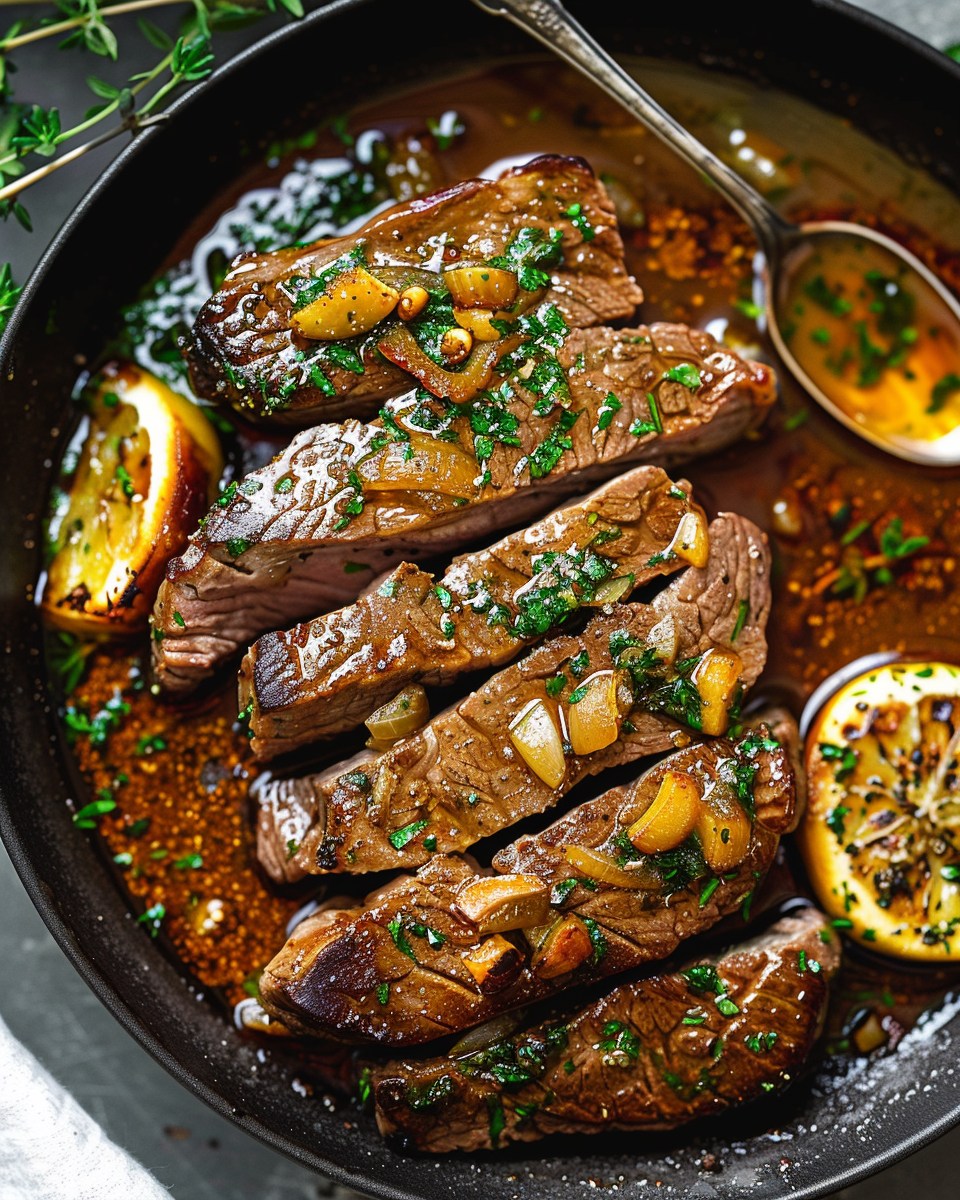
Best Carbon Steel Skillets for 2026: Lightweight, Sear-Ready Cookware
Matfer, de Buyer, Lodge and Merten & Storck pans compared on weight, thickness, handles and seasoning, plus how carbon steel really stacks up against cast iron.
Where to buy these picks
Affiliate links: we may earn a commission on qualifying Amazon purchases. Policy. Prices show only when checked in the last 24 hours.
- Best Overall: Matfer Bourgeat Black Steel 11 5/8-InchCheck price on Amazon →
- Best Value: de Buyer Mineral B 10.25-InchCheck price on Amazon →
- Best for Beginners: Lodge Seasoned Carbon Steel 10-InchCheck price on Amazon →
- Best Premium: De Buyer Mineral B Pro 11-InchCheck price on Amazon →
- Best Compact: Merten & Storck Pre-Seasoned 8-InchCheck price on Amazon →
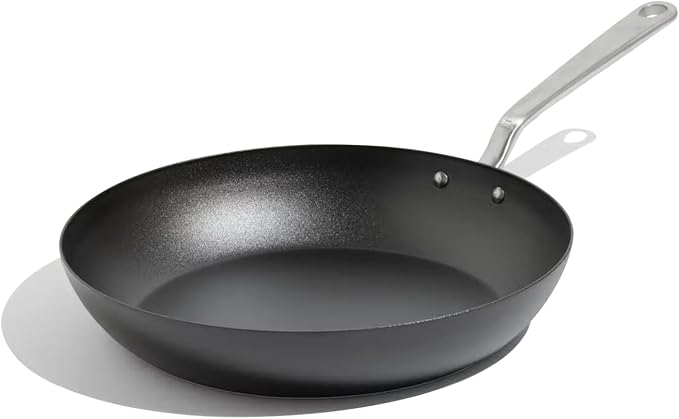
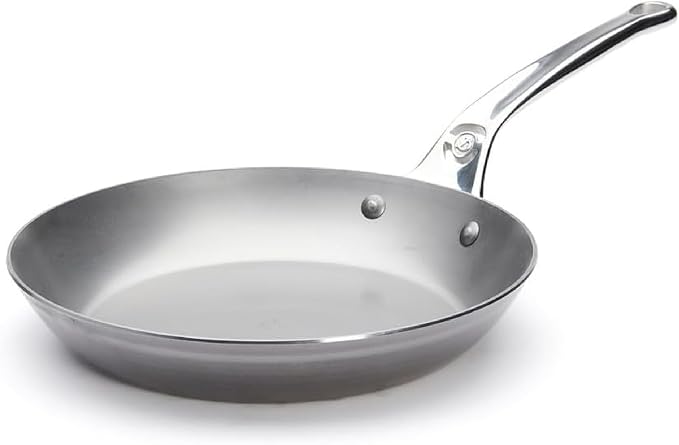
The best carbon steel skillet for most home cooks in 2026 is the Matfer Bourgeat Black Carbon Steel Frying Pan, 11 5/8" at about $113. It is thick, sits flat, and gets better with every steak. If you want to spend less, the de Buyer Mineral B 10.25-inch at $68.95 is the same class of French black steel. If you don't want to season from scratch, the pre-seasoned Lodge 10-inch costs under $45.
Get a free week of one-pan dinners
Seven one-pan and sheet-pan dinners, one shopping list, one Instacart cart. Sent Sunday, no account needed.
No spam, unsubscribe in one click. Recipes, shopping lists and Instacart carts all work without an account either way.
Introduction: Why Carbon Steel Is the Skillet Restaurant Cooks Actually Use
Walk the line of almost any restaurant that does French or bistro cooking and you'll find a stack of black steel pans hanging over the stove. Carbon steel isn't a trend. It has been the workhorse sauté pan in commercial kitchens for a century, for three practical reasons.
1. It takes brutal heat. Bare steel has no coating to break down. You can preheat it until oil shimmers and smokes, which is exactly what a hard sear needs. That rules out nonstick pans, whose coatings shouldn't be pushed that hot.
2. It's lighter than cast iron. Most carbon steel skillets are pressed from sheet steel about 2–3 mm thick. That makes them roughly half the weight of a cast iron skillet of the same diameter, so you can toss vegetables and tilt the pan to baste one-handed.
3. It becomes nonstick on its own. Once a few layers of polymerized oil build up (the seasoning process explained on Wikipedia), eggs and fish release cleanly, with no PTFE coating to scratch or replace.
Chemically, carbon steel is mostly iron with a small amount of carbon, typically well under 2%. Cast iron carries roughly 2–4% carbon, which is why it is poured into molds rather than rolled and pressed (Wikipedia: Carbon steel, Wikipedia: Cast iron). The lower carbon makes the steel tough rather than brittle. That is why a carbon steel pan can be thin, can be dropped without cracking, and can live for decades.
This guide is for cooks who already sear, sauté and shallow-fry several nights a week. If that's you, a carbon steel skillet will likely become the pan you reach for first. If you mostly simmer tomato sauces and braise, keep reading, because the "when not to buy" section below matters for you.
Our Top 5 Carbon Steel Skillet Picks
Prices are the current listings in our cookware catalog, checked in September 2026. Carbon steel prices swing $10–$30 with promotions, so treat them as a range rather than a quote.
| Pick | Pan | Diameter | Pre-seasoned? | Price | Best for |
|---|---|---|---|---|---|
| Best Overall | Matfer Bourgeat Black Carbon Steel | 11 5/8" | No | Check current price | Searing, sautéing, everyday workhorse |
| Best Value | de Buyer Mineral B | 10.25" | No (beeswax coat) | Check current price | French steel on a budget |
| Best for Beginners | Lodge Seasoned Carbon Steel | 10" | Yes | ~$40–$45 | Cooking on day one |
| Best Premium | de Buyer Mineral B Pro | 11" | No (beeswax coat) | Check current price | Oven-to-stovetop cooking |
| Best Compact | Merten & Storck Pre-Seasoned | 8" | Yes | Check current price | Eggs, single portions, small kitchens |
Where to buy the picks in this guide
Prices are shown only when checked in the last 24 hours; otherwise check the current price on Amazon.
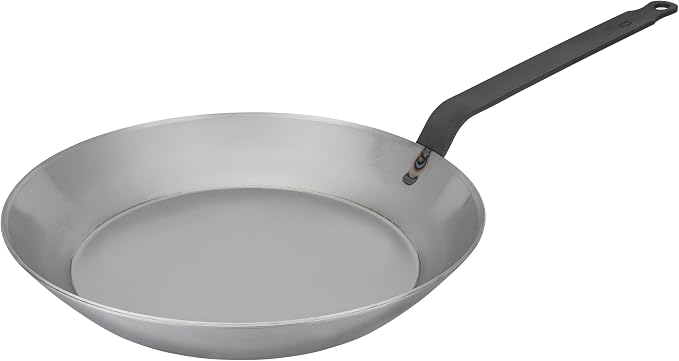
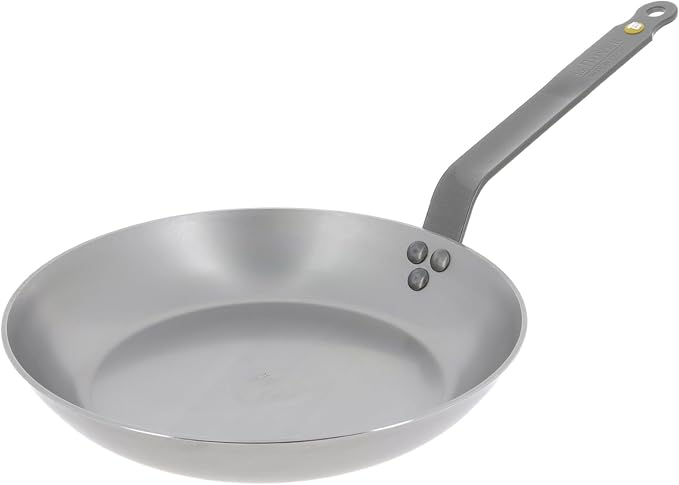
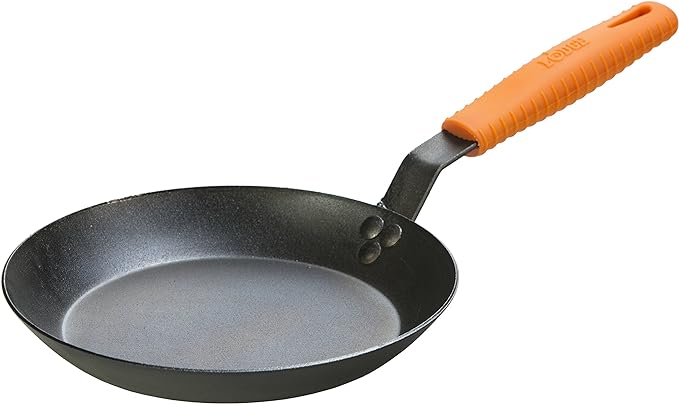
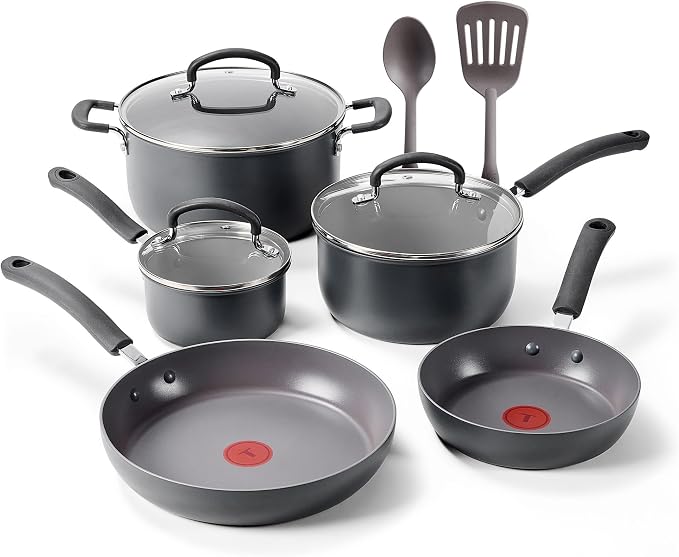
We skipped nitrided and "auto-seasoning" pans with fewer than a few hundred ratings, and pans sold as sets you'd only half use. Every pick above has thousands of buyer ratings behind it and is sold as a single skillet.
Best Overall: Matfer Bourgeat Black Steel 11 5/8-Inch
Matfer Bourgeat has made black steel pans in France for professional kitchens for generations, and the design shows it. The steel is heavy-gauge and the finish is smooth. The walls flare wide, so a spatula slides under a fillet without catching, and an 11 5/8-inch pan still gives you a generous flat cooking area.
It is one of the thicker pans on this list. The extra mass means it preheats more slowly than the de Buyer or Lodge, but it holds heat far better when cold food hits the surface. Lay two strip steaks in and the pan doesn't collapse into a grey steam bath. That thermal buffer is why we rank it first for our pan-seared steak with garlic butter and mushrooms and for crisp pan-seared duck breast, where you render fat skin-side down for 8–10 minutes.
What to know before buying:
- It ships unseasoned, with a light anti-rust coating you scrub off before the first seasoning. Plan an afternoon.
- The long steel handle gets hot. Keep a towel or silicone sleeve nearby.
- At roughly 4 pounds it is still lighter than a 12-inch cast iron skillet, but it isn't a flipping pan.
Skip it if you want to cook eggs next week. An unseasoned Matfer needs a few weeks of fatty cooking before it's truly slick.
Best Value: de Buyer Mineral B 10.25-Inch
See the de Buyer Mineral B 10.25"
Made In is the brand people usually mention next, but its 10-inch pan lists at $119, which isn't a value price. The Made In 12-inch at $129 is a good Swedish-made pan (Made In rates its seasoned carbon steel line heat-safe to 1200°F), and it's worth a look if you want a pre-seasoned 12-inch pan. For value, though, the de Buyer Mineral B is the pan with the most buyer ratings of any carbon steel skillet we list, and it costs about half as much.
The Mineral B is French steel that ships with a thin beeswax coating instead of a factory seasoning. The wax keeps the pan from rusting in the warehouse. You wash it off with very hot water before you season it. The 10.25-inch size has a 7.3-inch flat cooking surface. That's enough for two chicken thighs or one large salmon fillet, and small enough to heat evenly on a standard home burner.
It is the pan we'd hand to someone who wants to learn carbon steel properly. Start with crispy skillet chicken thighs with garlic and rosemary: the rendering chicken fat seasons the pan while you cook.
Watch-outs: the riveted handle is coated steel, so de Buyer doesn't intend this model for long oven sessions. If you finish dishes in the oven, look at the Pro version below. The rivets on the cooking surface also collect a ring of residue until your seasoning builds up.
Best for Beginners: Lodge Seasoned Carbon Steel 10-Inch
Lodge also makes a 12-inch version, but the 10-inch is the friendlier first pan: lighter, and quicker to heat on a small burner.
Lodge makes its Seasoned Steel line in the USA and seasons it at the factory. The company describes it as a "natural complement to cast iron" on its carbon steel page. You can take it out of the box and fry eggs the same evening, which removes the biggest reason people give up on carbon steel.
The factory seasoning is a starting layer, not a finished one. Expect a few sticky breakfasts in the first two weeks. Cook bacon, smash burgers and skillet chicken fajitas in it, and within a month it will outperform its price. The flat, heavy-gauge base sits well on glass-top and induction ranges.
Watch-outs: the finish is a bit rougher than French pans, so eggs take longer to release cleanly. The handle is long and angled, which is great on a campfire grate but can bump a backsplash on a crowded stove.
Best Premium: De Buyer Mineral B Pro 11-Inch
The Pro uses the same French steel body as the standard Mineral B. The upgrade is a cast stainless steel handle, which makes the whole pan comfortable to move from stovetop to oven. That matters more than it sounds. Once you can sear a thick pork chop and slide the pan into a 400°F oven to finish, you use the skillet for a lot more dinners.
The 11-inch pan gives you an 8.3-inch flat cooking surface, enough for our pan-seared pork chop with apple-cinnamon glaze for two. It also makes a fine oven-baked breakfast: preheat it with butter for a caramelized apple Dutch baby and the batter puffs up the flared sides.
Is it worth double the standard Mineral B? Only if you cook in the oven often. On the stovetop alone, the $69–$79 Mineral B cooks the same food the same way.
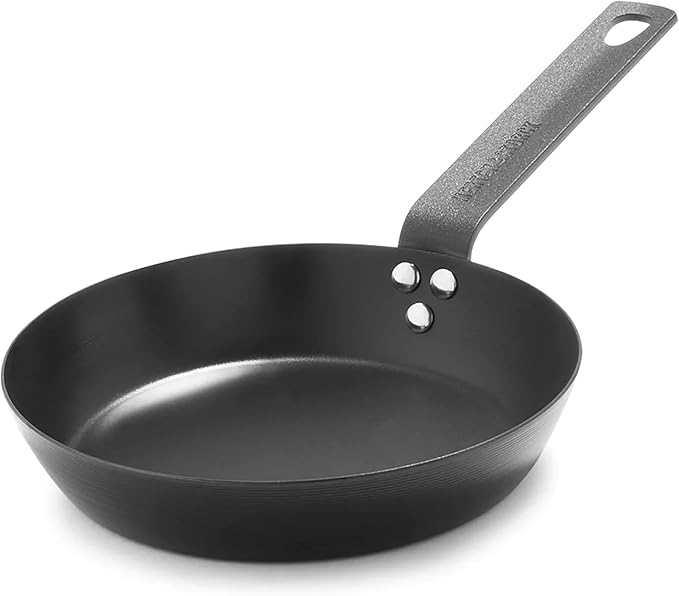
Best Compact: Merten & Storck Pre-Seasoned 8-Inch
If you want a small carbon steel pan that's cheap and ready to cook, the pre-seasoned Merten & Storck 8-inch is it. (If you're shopping for the wok side of carbon steel instead, see our best woks guide.) Merten & Storck is now sold alongside GreenPan's range (GreenPan: Merten & Storck).
An 8-inch carbon steel pan is the best egg pan you can own once it's seasoned. It heats in about two minutes, holds exactly two or three eggs, and is light enough to shake. It's the right size for a classic French omelette. The recipe calls for nonstick, but a well-seasoned carbon steel pan with a pat of butter over medium-low heat does the job, and you can use a metal fork to stir the curds.
It's induction-ready and goes on the grill. At about $30 it's also a low-risk way to find out whether you like carbon steel before you spend $100+ on a larger pan.
Watch-outs: an 8-inch pan is too small for searing proteins for more than one person. Treat it as a second pan, not your only skillet.
What to Look For: Weight, Thickness, Handle Design, Rivets
The spec sheet on a carbon steel skillet is short, but four details decide whether you'll love the pan or hang it on a hook forever.
| Factor | What to look for | Why it matters |
|---|---|---|
| Thickness | ~2.5–3 mm base | Thinner pans heat fast but can warp on high heat or induction; thicker pans hold heat for searing |
| Weight | 2.5–4.5 lb for 10–12" | Under 3 lb tosses easily; closer to 4.5 lb sears better but tires your wrist |
| Flat cooking surface | Check the listed "cooking surface," not the rim | Carbon steel pans flare wide; an 11" pan may only have ~8.3" flat |
| Handle | Welded vs riveted; steel vs coated | Welded = nothing to clean around; bare or stainless steel = fully oven-safe |
| Factory finish | Pre-seasoned vs wax/lacquer coated | Pre-seasoned works on day one; coated pans need an initial seasoning session |
Size the flat surface to your burner. Carbon steel conducts heat at a broadly similar rate to cast iron (Wikipedia: thermal conductivity). A thin sheet has less mass, though, so the area over the flame gets much hotter than the rim. On a standard 9,000–12,000 BTU home burner, a 10- to 11-inch pan heats most evenly. A 12 5/8-inch pan on the same burner will have a cool outer ring.
Induction users: carbon steel is ferromagnetic, so it works on induction (Wikipedia: induction cooking). Preheat gradually. Setting a thin pan straight to maximum is the most common way a carbon steel skillet warps and starts spinning on the glass.
Tools that go with it: carbon steel pairs best with a thin metal fish spatula and a pan scraper, both of which you'll find under kitchen utensils. Keep silicone for your nonstick pans; our silicone spatula guide covers those.
Carbon Steel vs Cast Iron: The Real Differences
Both are iron-based, both need seasoning, and both can outlive you. The differences are in how they handle heat and how they feel in your hand.
|
| Carbon steel skillet | Cast iron skillet | |
|---|---|---|
| Carbon content | Typically under ~2% | Roughly 2–4% |
| How it's made | Pressed/spun from sheet steel | Poured into a sand mold |
| Weight (12") | ~3.5–4.5 lb | ~7–8 lb |
| Preheat time | Fast (2–4 min) | Slow (8–10 min) |
| Heat retention | Good | Excellent |
| Drop a pan on tile | Dents at worst | Can crack |
| Smoothness out of the box | Smooth | Often pebbly |
| Best at | Eggs, fish, sautés, fast sears | Cornbread, deep sears, oven baking |
Choose carbon steel if you cook fast, move the pan a lot, or want a slick egg-and-fish pan without nonstick. It is the better pan for crispy-skin pan-seared salmon, because the fillet releases on its own once the skin crisps, and a thin fish spatula slides under it cleanly.
Choose cast iron if your skillet spends a lot of time in the oven, or you want heat stored in the pan. A thick cornbread crust, like our savory skillet cornbread with cheddar and scallions, comes from all that stored heat. Our best cast iron skillets guide covers the other side of this question.
Most cooks who get serious about searing end up owning one of each. If you only buy one, pick for the cooking you do most weeknights.
When NOT to buy carbon steel
- You cook a lot of acidic, long-simmered food. Tomato sauce, wine braises and vinegar reductions strip young seasoning and can leave a metallic taste. Use enameled cast iron or stainless for those; see our stainless steel cookware guide.
- You want dishwasher cookware. Bare steel rusts in a dishwasher every time.
- You won't dry a pan after washing. Carbon steel forgives a lot, but it doesn't forgive being left wet in a drying rack overnight.
How to Season and Care for a Carbon Steel Skillet
Initial seasoning (unseasoned pans like Matfer and de Buyer)
1. Strip the factory coating. Scrub Matfer's protective coating off with hot soapy water. Remove de Buyer's beeswax with very hot water, then dry the pan completely over a burner.
2. Apply a very thin film of high-smoke-point oil (canola, grapeseed or flaxseed blends; see smoke point). Wipe on, then wipe off until the pan looks almost dry. Thick oil turns sticky instead of hardening.
3. Heat until it smokes and darkens. On the stovetop, work the pan over medium-high heat, tilting to reach the sides, until the smoking stops. In a 450°F oven, bake upside down for an hour. Repeat 3–5 times. The oil polymerizes into a hard layer, the same chemistry described on Wikipedia's polymerization page.
4. Expect patchy color. Bronze, blue and black blotches are normal. Seasoning evens out with use, not with more coats.
The first month of cooking
| Week | Cook this | Avoid |
|---|---|---|
| 1 | Bacon, sausage, shallow-fried potatoes, stir-fried aromatics | Eggs, acidic sauces |
| 2 | Chicken thighs, smash burgers, fajitas | Long simmers |
| 3 | Seared steak, pork chops, fish with skin | Tomato- or wine-heavy pan sauces left in the pan |
| 4+ | Eggs, omelettes, a Spanish tortilla with potatoes and onions | Soaking the pan |
A quick lemon or wine deglaze, like the one in our pan-seared scallops with lemon-garlic pan sauce, is fine once your seasoning is established. Make the sauce, get it out of the pan within a few minutes, and rinse.
Everyday cleaning
Lodge's own carbon steel cleaning and care guide is refreshingly practical:
- Let the pan cool, then hand wash in warm water. A little soap is fine on a seasoned pan; modern dish soap doesn't contain lye and won't strip polymerized oil.
- Don't soak it and never put it in the dishwasher.
- Dry it completely (a minute on a warm burner is easiest) and wipe on a very thin layer of oil.
- For stuck-on food, simmer a little water in the pan for 3–5 minutes and scrape with a spatula.
Common pitfalls
1. Too much oil when seasoning. A tacky, brown, gummy surface means the layer was too thick. Scrub it back and re-season with thinner coats.
2. Thermal shock. Running cold water into a ripping-hot empty pan can warp thin steel. Let it cool for a few minutes first.
3. Blasting a cold pan on high induction. Uneven expansion warps the base. Preheat over medium for 2–3 minutes.
4. Storing it damp or stacked. Surface rust appears overnight. Scrub it off with steel wool, dry, oil and re-heat — it's cosmetic, not fatal.
5. Chasing a perfectly black pan. Blotchy seasoning cooks just as well. Cook in it, don't polish it.
Three real-world scenarios
- Two-person weeknight cook, gas range: buy the de Buyer Mineral B 10.25-inch. It heats evenly on a standard burner, sears two portions, and costs under $70.
- Induction cooktop, family of four: buy the Matfer 11 5/8-inch. The thick base resists warping on induction, and the flat area fits four chicken thighs.
- You burned out on nonstick and want eggs to slide: buy the Merten & Storck 8-inch as an egg pan, and season it with a month of fried eggs in butter before you judge it.
FAQ
Carbon steel vs cast iron — which one should I buy?
Buy carbon steel if you want a lighter pan that heats quickly and releases eggs and fish once seasoned. A 12-inch carbon steel skillet weighs about half as much as a 12-inch cast iron skillet. Buy cast iron if you bake cornbread, finish dishes in the oven, or want maximum stored heat for thick steaks. They complement each other, and many serious home cooks own both.
Do I have to season a carbon steel skillet like cast iron?
Unseasoned pans like the Matfer and de Buyer Mineral B need 3–5 thin coats of oil heated until they stop smoking, either on the stovetop or in a 450°F oven. Pre-seasoned pans like the Lodge and Merten & Storck are ready to cook on day one. In both cases the real nonstick layer builds over the first month of cooking fatty foods.
Can I use metal utensils on carbon steel?
Yes. Carbon steel has no coating to scratch, so metal fish spatulas, tongs and pan scrapers are all safe. A thin metal fish spatula is actually the best tool for the job, because it slides under a crisp crust without tearing it. If you scrape off a bit of young seasoning, keep cooking fatty foods and it will fill back in.
Is carbon steel induction-compatible?
Yes. Carbon steel is magnetic and works on induction cooktops, and all five picks here are induction-friendly. Thin pans can warp if you jump straight to maximum power. Preheat over medium for two to three minutes. Oven safety depends on the handle: the Mineral B Pro, Matfer and Lodge have steel handles, while the standard Mineral B handle is coated and not meant for long oven sessions.
Why does my seasoning keep flaking off?
Usually one of three things: the coats were too thick, you cooked something acidic for a long time, or a hot pan went straight under cold water. Scrub the loose flakes back to a smooth surface, wipe on a very thin coat of oil, heat until it stops smoking, and cook fatty foods for a week. Leave long tomato and wine simmers until the seasoning is several months old.
Sources / Last Verified
Last verified September 17, 2026. Prices and ratings come from AislePrompt's cookware catalog listings on that date and change often.
- Lodge — Seasoned Carbon Steel: Lodge's carbon steel line, made in the USA and factory-seasoned.
- Lodge — Cleaning & Care: Carbon Steel: washing, drying, oiling and stuck-on food guidance.
- Made In — Carbon Steel Cookware: Swedish-made seasoned carbon steel, heat-safe to 1200°F.
- GreenPan — Merten & Storck: current home of the Merten & Storck line.
- Wikipedia — Seasoning (cookware) and Wikipedia — Polymerization: how oil hardens into a nonstick layer.
- Wikipedia — Carbon steel and Wikipedia — Cast iron: carbon content and material properties.
- Wikipedia — Induction cooking, Wikipedia — Thermal conductivity and Wikipedia — Smoke point.
Shopping for the rest of your stovetop? See our best nonstick cookware and best cookware sets guides.
Frequently asked questions
Carbon steel vs cast iron — which one should I buy?
Do I have to season a carbon steel skillet like cast iron?
Can I use metal utensils on carbon steel?
Is carbon steel induction-compatible?
Why does my seasoning keep flaking off?
How we picked
This guide is researched, not bench-tested. We shortlisted products from the AislePrompt kitchen catalog and compared them on published manufacturer specifications (materials, size, capacity, warranty), on what owners report in published reviews, and on any third-party sources linked in this guide. The guide was drafted with AI assistance. We did not run lab or hands-on tests of these products, so any measurement quoted here comes from the manufacturer or a cited source. Prices change often: use the “Check price on Amazon” buttons for today’s price.
Sources
- en.wikipedia.org
- en.wikipedia.org
- en.wikipedia.org
- en.wikipedia.org
- en.wikipedia.org
- en.wikipedia.org
- en.wikipedia.org
- madeincookware.com
- greenpan.us
- lodgecastiron.com
- lodgecastiron.com
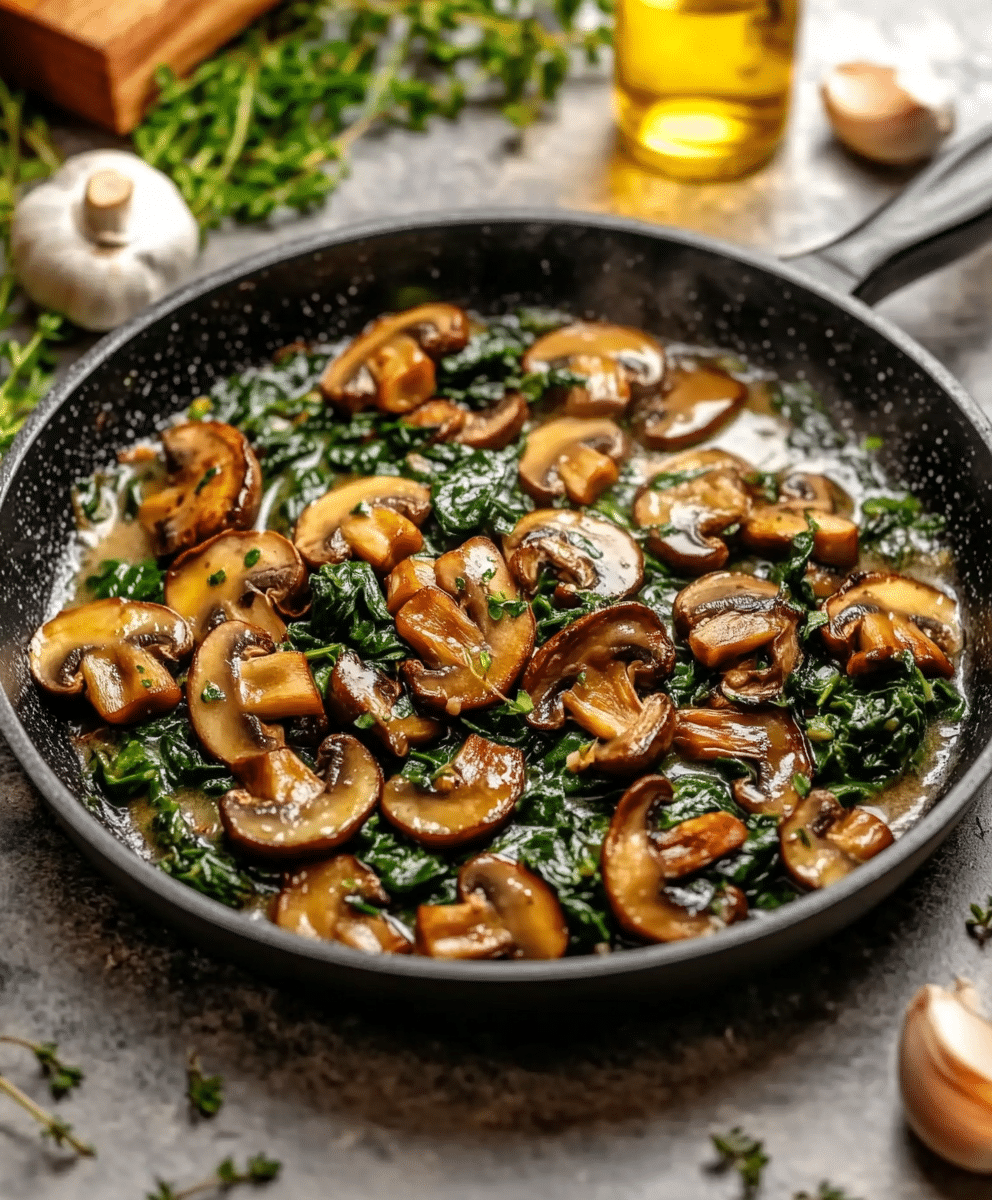
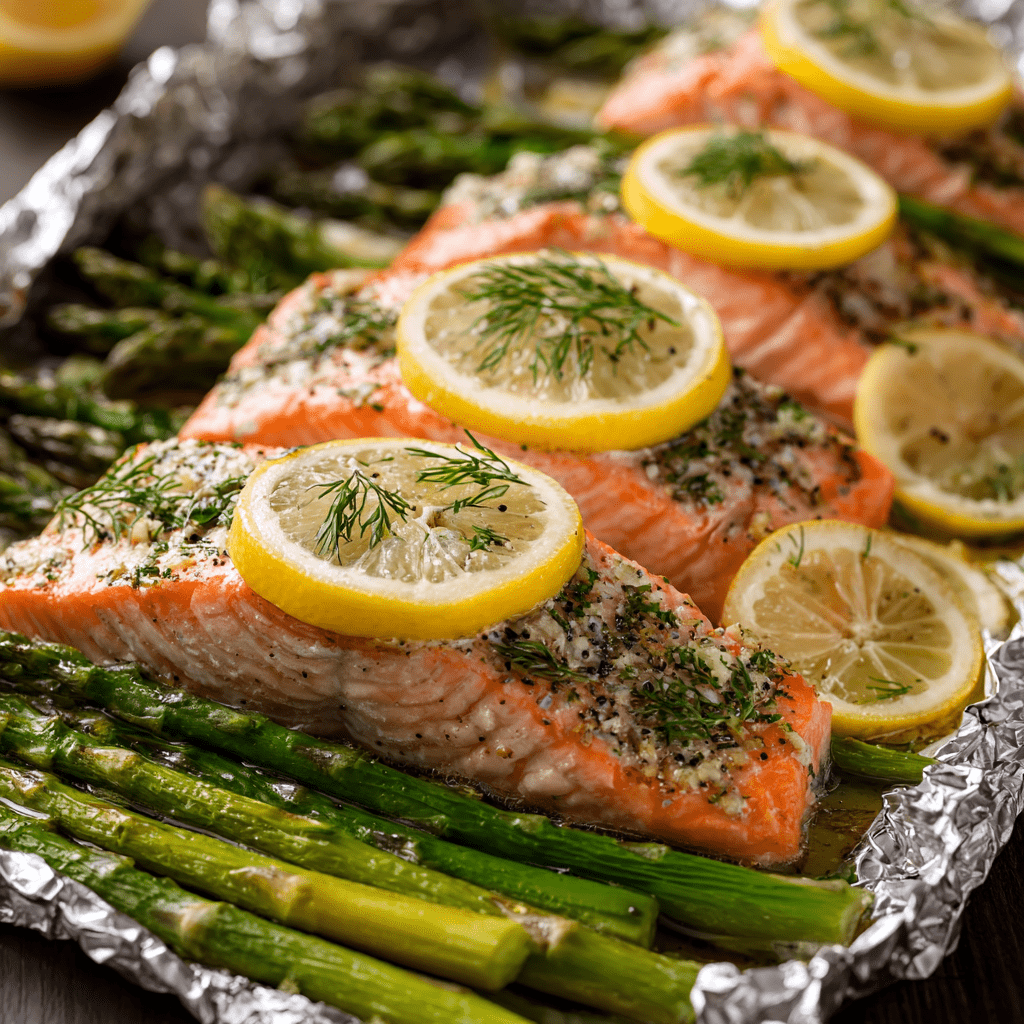
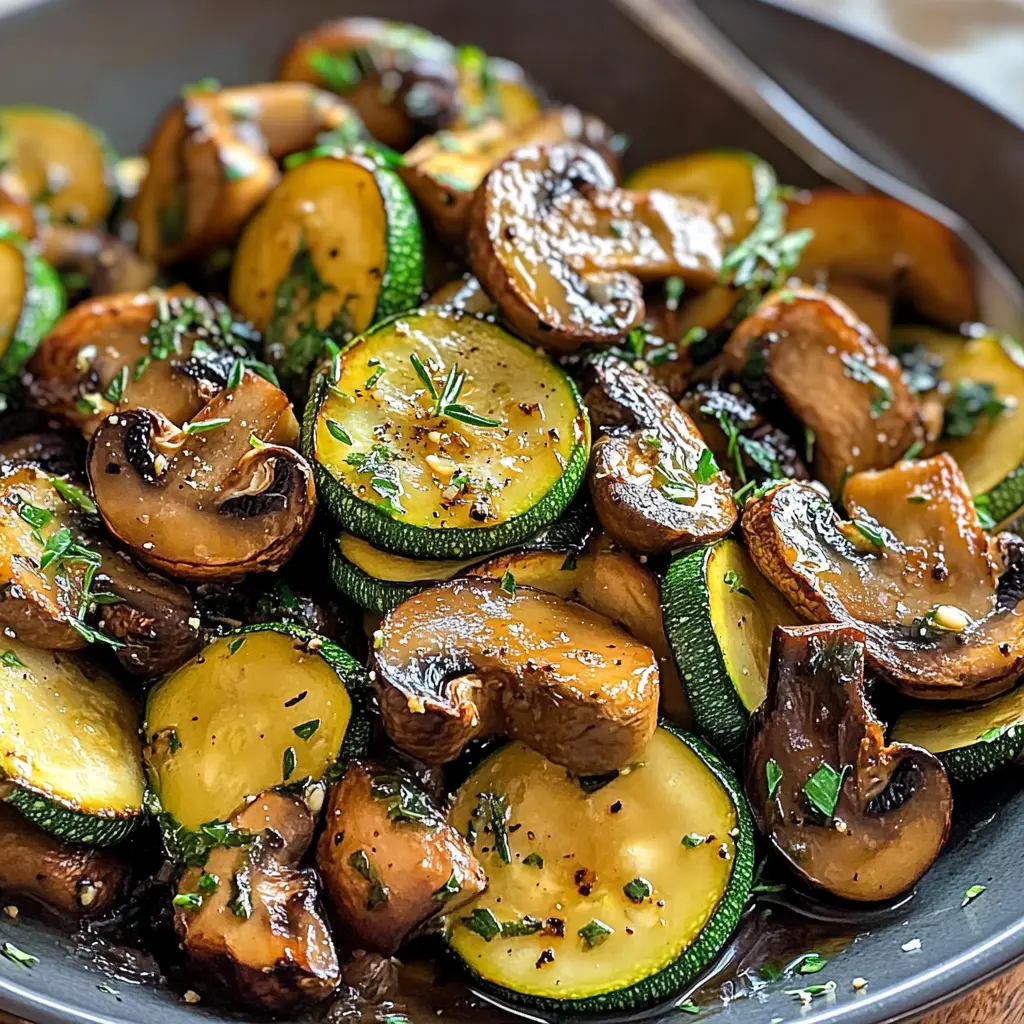
Recipes to try with the skillet
Put your gear to work — save any recipe to My Recipes (no account needed) and send its ingredients to Instacart in one tap.
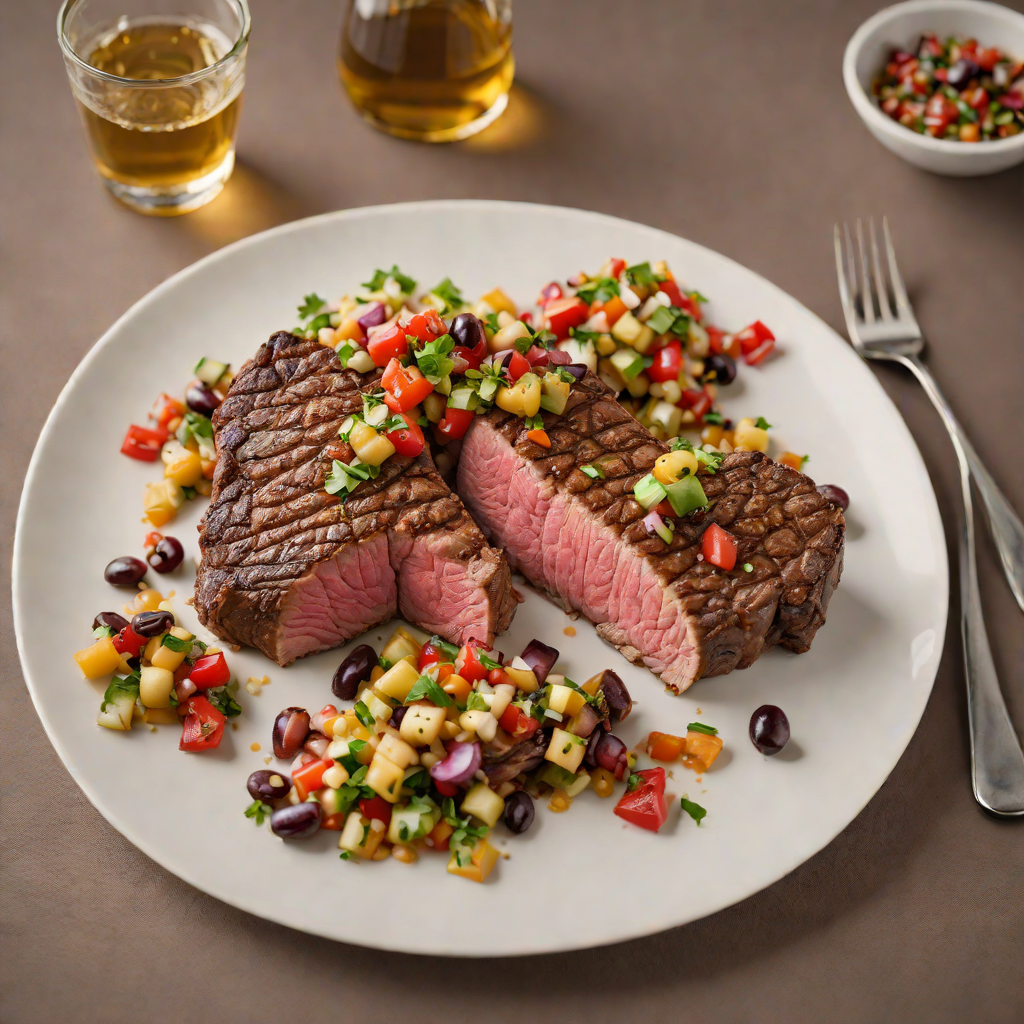
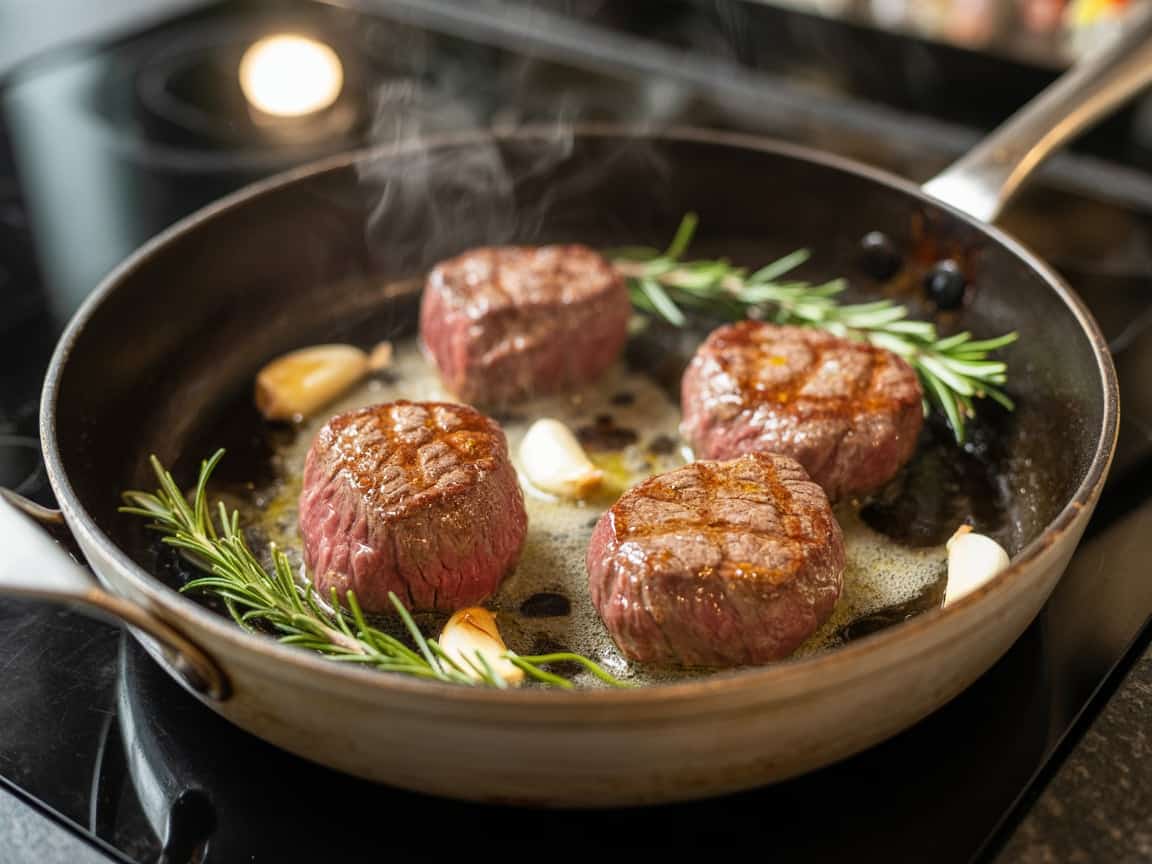
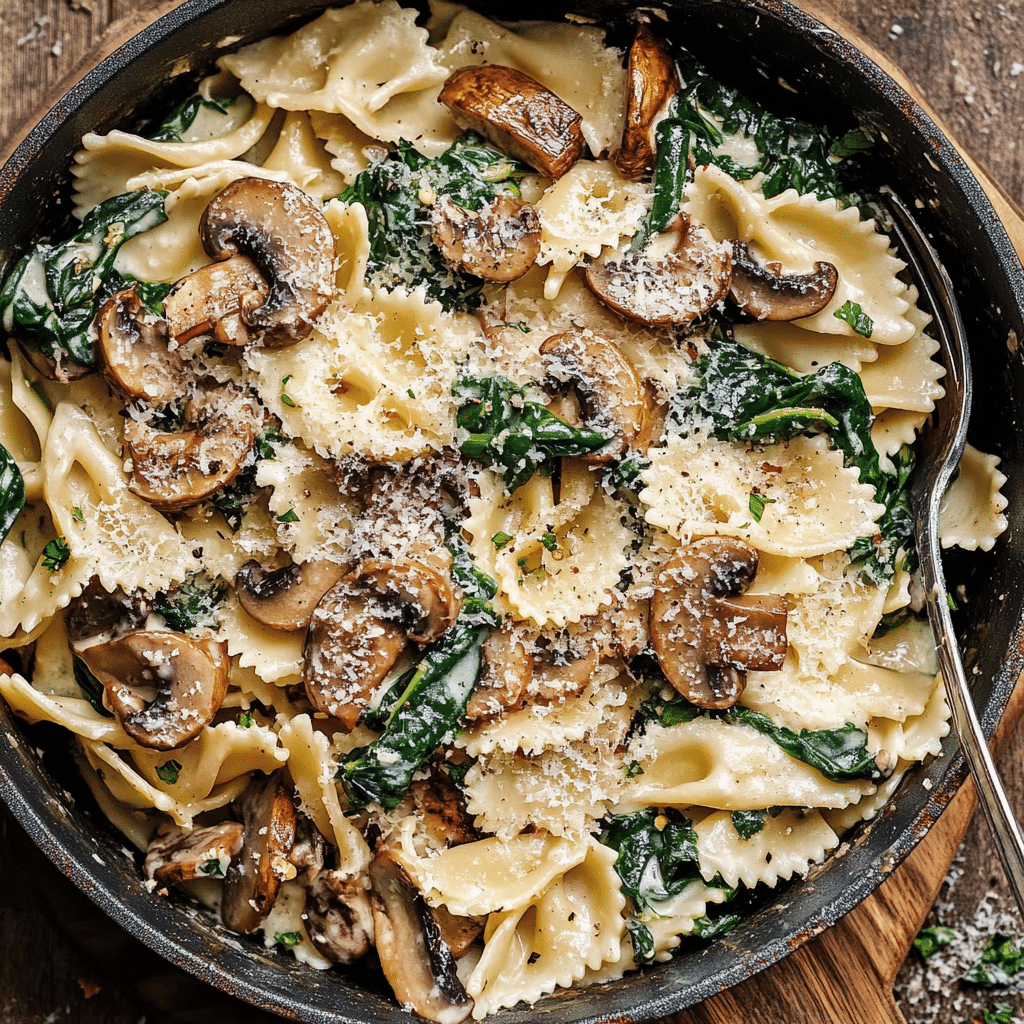
Shop cookware on AislePrompt →Browse the full kitchen shop →
One pan, one shopping list, one tap.
Ask our AI for one-pan weeknight dinners — it totals the ingredients and sends the cart to Instacart.
Get one-pan dinners →