
Best Pantry Organization Sets for 2026: Canisters, Racks & Bins for a Clutter-Free Kitchen
Five picks that survive four months of real use — plus the zone system, the decant-or-don't rule, and the $220 starter list that turns a pantry into a menu.
Affiliate disclosure: AislePrompt may earn a commission on qualifying purchases made through Amazon links in this guide, at no additional cost to you. See our affiliate policy →
The best pantry organization sets for 2026 are modular airtight containers you can see through, in two or three sizes, with a labeling system you'll actually maintain. Our top pick is the OXO Good Grips 6-Piece POP Container Bulk Set at $55.95 — a push-button airtight seal, square footprint that wastes no shelf space, and attached scoops. The best value is the Tiawudi 12-Pack Plastic Storage Bins at $27.99, which solves the harder problem — the bags and boxes you don't want to decant.
Get a free week of easy dinners
Seven weeknight dinners with the shopping list already totalled, sent Sunday. No account needed, unsubscribe in one click.
No spam, unsubscribe in one click. Recipes, shopping lists and Instacart carts all work without an account either way.
Skip anything opaque. If you can't see what's in it, you'll buy a third jar of cumin.
Introduction: why pantry organization is the meal-prep multiplier nobody talks about
Pantry organization gets sold as an aesthetic. It isn't. It's an inventory system, and inventory drives three things that actually matter:
- Duplicate purchases. The average US household throws out roughly a third of the food it buys. A meaningful share of that is buying something you already own because you couldn't see it.
- Meal-prep speed. A batch-cooking session where you know exactly where the lentils, the oats, and the stock are takes maybe 20 minutes less than one where you don't.
- What you actually cook. Ingredients you can see become ingredients you use. Decanted, front-facing containers turn a pantry from storage into a menu.
The test of a good pantry system is whether it survives four months. Most don't — not because the containers are bad, but because the system demanded more upkeep than anyone will sustain. Everything below is chosen for maintainability first.
Our Top 5 Picks
#1 Best Overall: OXO Good Grips 6-Piece POP Container Bulk Set — $55.95
Verdict: The seal that still works after three years. 4.7 stars across 7,600+ ratings.
The push-button lid on the OXO POP set is the reason it wins: press to seal, press again and the button becomes a handle. There's no gasket to lose and no clips to snap off. The containers are square rather than round, so six of them across a 40 cm shelf waste almost nothing, and they stack without sliding. The included half-cup scoops clip inside the lid, which sounds trivial until you've dug through a flour bin for a measuring cup.
Sizes in this set run 1.7-4.4 quarts, which covers flour, sugar, rice, oats, pasta, and one wildcard. Add singles as you go — the 4.4 qt POP container is $21.95 and the 0.6 qt mini is $11.95.
Downside: it's plastic, and it's not cheap per container. If you want glass, see the premium pick.
#2 Best Value: Tiawudi 12-Pack Plastic Storage Bins — $27.99
Verdict: $2.33 per bin, and it fixes the problem containers don't. 4.8 stars, 1,665 ratings.
Decanting works for staples. It doesn't work for the twenty half-used bags, boxes, and pouches that make up most of a real pantry. Open bins group those by category — baking, snacks, pasta, cans — so a shelf goes from twenty loose items to four things you pull out like drawers.
Twelve bins is more than most pantries need; start with six and keep the rest for the fridge and under the sink. If you want a sturdier version, the VITEVER 8-set extra-large wire baskets at $41.99 are metal with label frames.
#3 Best for Beginners: SpaceAid Spice Rack Organizer, 28 Jars — $29.58
Verdict: The one upgrade with an immediate, obvious payoff. 4.8 stars, 9,500+ ratings.
Spices are where pantry chaos concentrates: dozens of mismatched jars, half of them expired, none of them findable. The SpaceAid 28-jar set ships with jars, 386 pre-printed labels, a chalk marker, and a funnel, and it mounts in a cabinet, on a wall, or on a counter.
Do this one first. It takes an hour, costs $30, and it's the change people notice every single time they cook.
#4 Best Premium: OXO 8-Piece Prelabeled Baking POP Container Set — $67.99
Verdict: Pre-labeled and pre-sized for baking. 4.7 stars, 5,500+ ratings.
The 8-piece baking set is the same POP mechanism with sizes matched to what a baker actually stores — 5 lb flour, 4 lb sugar, brown sugar, baking powder, baking soda — and the labels are already applied. If you bake more than occasionally, this is the set to buy; if you don't, buy the #1 pick instead.
For glass, the Pyrex Simply Store 12-pack at $43.51 is the leftovers-and-meal-prep companion — oven and microwave safe, and it doesn't stain from tomato sauce the way plastic does.
#5 Best Compact: LAMU 3-Pack Lazy Susan Organizer — $19.98
Verdict: The highest return per dollar in this entire guide. 4.9 stars, 1,538 ratings.
Deep cabinets are where food goes to be forgotten. A turntable converts a 60 cm deep shelf from "two rows and a mystery" into one reachable ring. Three sizes for $20; put the big one under the sink and the small ones in the spice cabinet. The Optish 2-pack at $9.99 is the budget version.
What to look for
| Feature | Why it matters | What good looks like |
|---|---|---|
| Seal quality | Flour, oats, and rice go stale or get pantry moths | Silicone gasket or push-button vacuum; audible seal |
| Material safety | Plastics leach at heat; some stain | BPA-free Tritan or borosilicate glass |
| Modularity | Uneven heights waste vertical shelf space | Same footprint, 2-3 heights that stack |
| Labeling | Unlabeled = unused within a month | Pre-printed labels or a dry-erase surface |
| Shape | Round containers waste ~21% of shelf area vs square | Square or rectangular footprint |
| Weight capacity | A full 4 qt flour container is ~2.3 kg | Lid handle rated to lift when full |
| Dishwasher safe | Otherwise you won't wash them | Top rack at minimum |
Top-rated storage & containers in the AislePrompt shop
Ranked by rating and review count. Price and stock are checked when you click through.
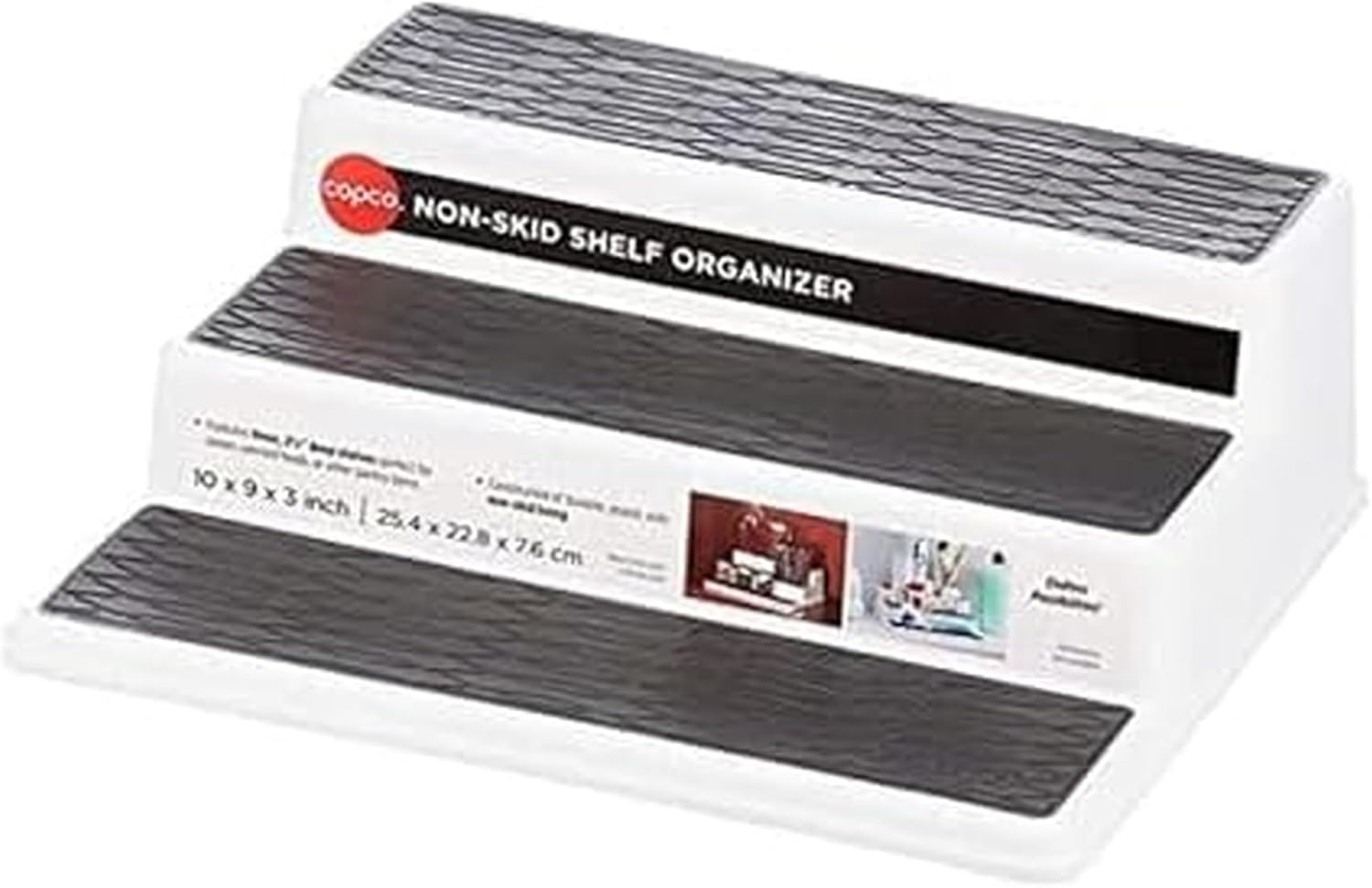
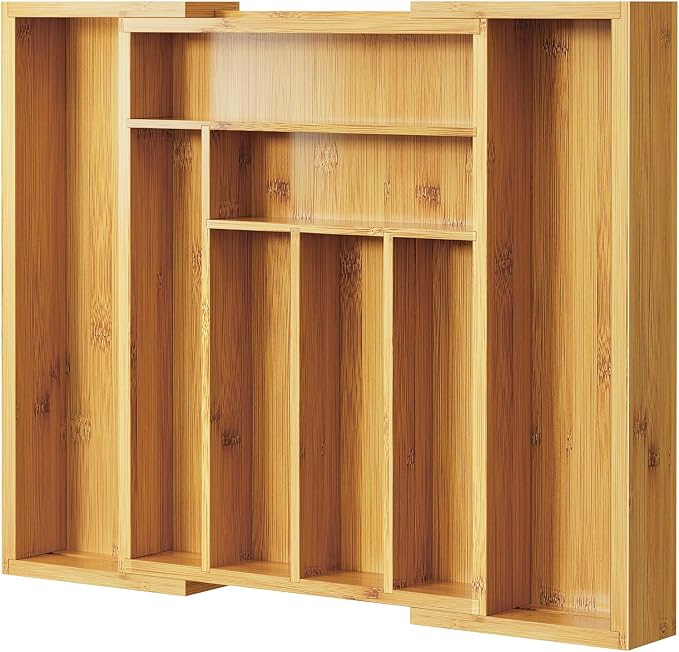
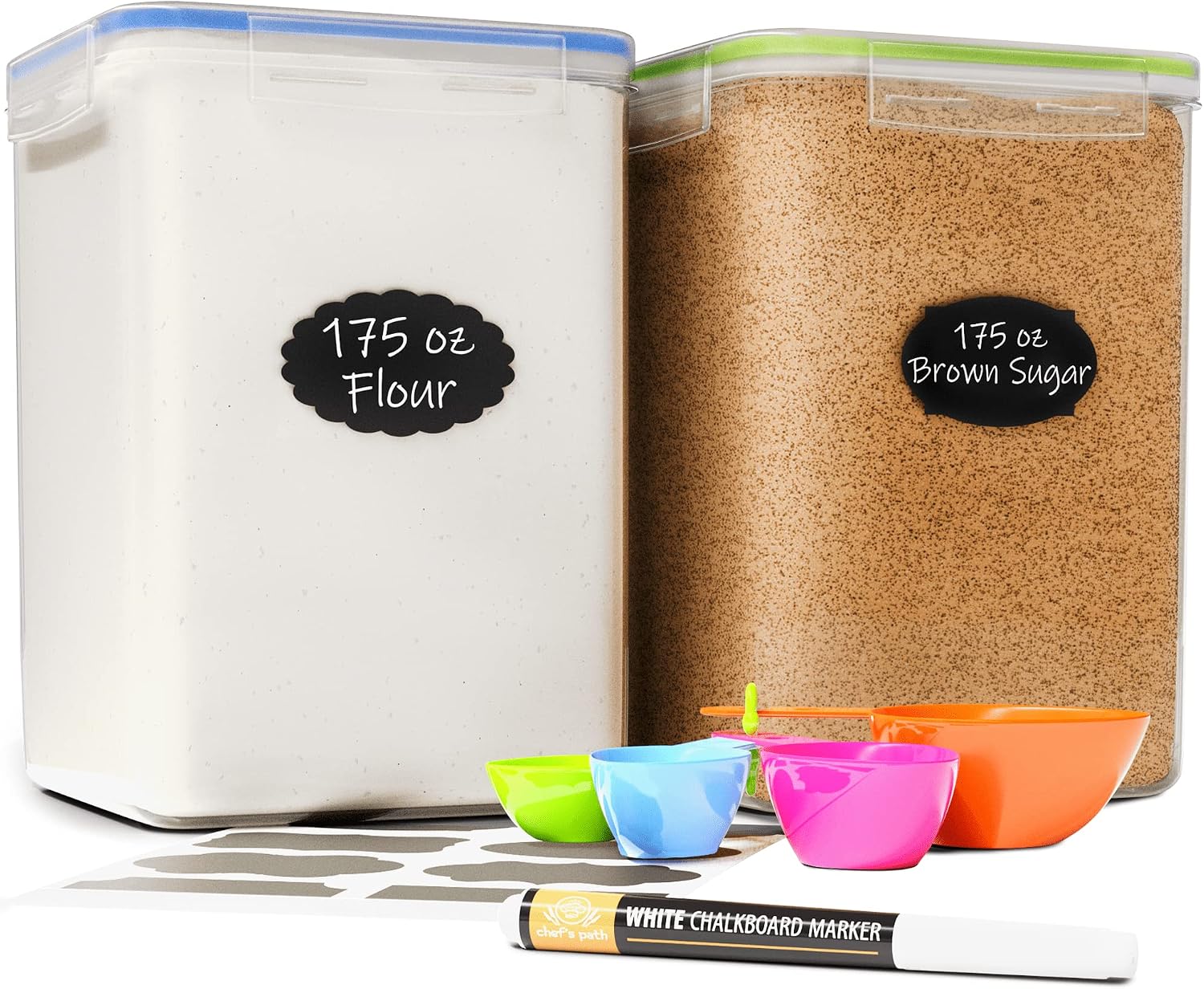
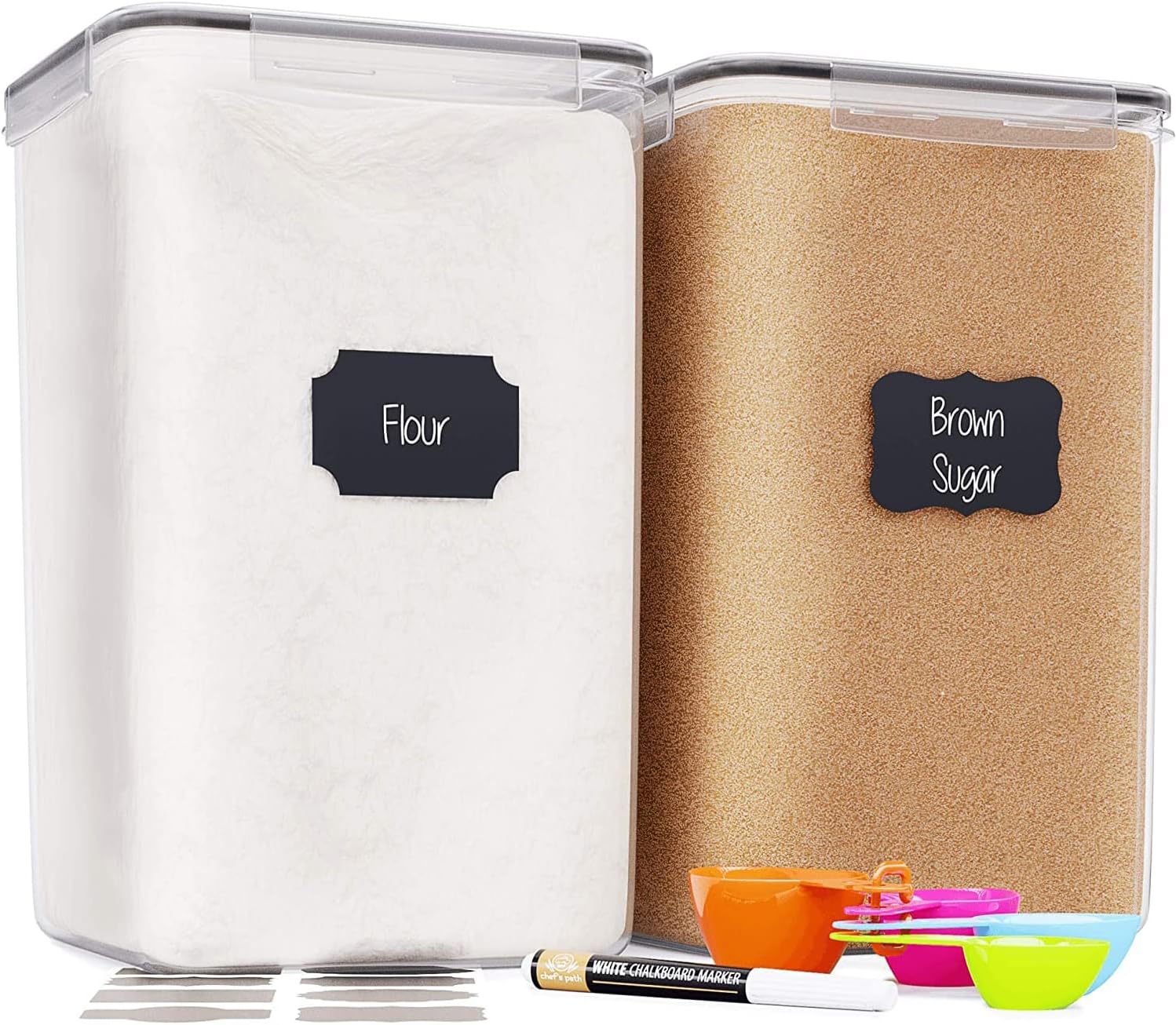
The square-vs-round math: four round containers of 10 cm diameter occupy the same 20×20 cm area as four square ones, but hold about 21% less. Across a full pantry that's a whole shelf.
How to actually organize a pantry
Zones, not alphabetical. Group by how you cook, not by name: baking, breakfast, grains and pasta, canned goods, snacks, oils and vinegars. Six zones covers most kitchens. Put the zone you touch daily at eye level and the baking zone up high if you bake twice a year.
First-in, first-out. When you refill a container, the old contents go on top of the new, not the bottom. Otherwise the bottom third of every jar is three years old. Write the purchase month on the label with a chalk marker.
Decant vs keep-in-package — the honest rule. Decant only what you use weekly and buy in bulk: flour, sugar, rice, oats, pasta, coffee, nuts. Everything else stays in its package inside a bin. Decanting a box of crackers you'll finish in four days is theater, and it destroys the expiry date and cooking instructions you might actually need.
Expiry reality check. Ground spices lose most of their aroma at 6-12 months, whole spices last 2-4 years, flour keeps 6-8 months at room temperature (a year in the freezer), and nuts go rancid in 3-4 months on the shelf. An airtight container extends all of these; it doesn't suspend them.
The 10-item shopping list to get started
1. Spice rack with jars and labels — $30
2. Six-piece airtight container set — $56
3. Six open bins — $15 (half a 12-pack)
4. Two lazy susans — $14 (from a 3-pack)
5. Chalk marker or label maker — $8
6. Wide-mouth glass jars for overnight oats and salads — $20
7. Glass leftovers set — $44
8. Shelf liner — $10
9. A step stool, if your top shelf is above eye level — $25
10. One trash bag for everything expired
Total: roughly $220, and about three hours of work. The first hour is throwing things away, and it's the hour that matters most.
How this pairs with meal prep
An organized pantry is what makes batch cooking possible on a Sunday afternoon rather than an all-day project. Two habits translate directly:
- Overnight oats in wide-mouth jars. Five jars, five minutes, breakfast handled: Cinnamon-Spiced Apple and Pecan Overnight Oats, Chocolate-Cherry Overnight Oats with Almond Butter Swirl, Tahini and Date Overnight Oats with Toasted Sesame, No-Bake Peanut Butter Banana Overnight Oats, and Vanilla Chia Overnight Oats with Fresh Berries.
- Layered jar salads. Dressing on the bottom, hardy vegetables next, greens on top, and they hold four days: Mason Jar Chicken & Quinoa Salad for Meal Prep, Mason Jar Quinoa and Roasted Veggie Salads, Mason Jar Mediterranean Quinoa Power Bowls, and Mason Jar Layered Vegetable and Quinoa Salad.
- Parfaits from decanted granola. No-Bake Honey Yogurt Parfait with Mixed Berries and Granola takes four minutes when the granola is in a jar you can see.
Build the week's list with the meal plan tool and it consolidates the shopping into one cart, which is the other half of not buying a third jar of cumin. Browse the full storage category for more, and gadgets for labelers and vacuum sealers.
Real-world numbers: what a system costs and what it saves
| Setup | Up-front cost | Time to install | What it fixes |
|---|---|---|---|
| Spice rack only | $30 | 1 hour | Duplicate spice purchases, expired jars |
| Spice rack + 2 turntables | $50 | 90 min | Deep-cabinet blind spots |
| Above + 6 bins | $65 | 2 hours | Bagged and boxed clutter |
| Above + 6-piece canister set | $121 | 3 hours | Staple staleness, pantry moths |
| Full 10-item list | ~$220 | 3-4 hours | The whole pantry, maintainably |
The payback math is straightforward. If an organized pantry stops you buying two duplicate spice jars ($10), one duplicate bag of flour ($5), and prevents throwing out $10 of stale staples per month, the $220 setup pays for itself in roughly nine months and keeps paying after that. That's before counting the meal-prep time saved.
A worked example: one Saturday, four zones
Hour one — empty and triage. Take everything out. Three piles: keep, donate, bin. Anything more than a year past its date goes; anything unopened and in date that you know you won't eat goes to a food bank. Wipe the shelves. Most people are shocked by how much shelf they get back at this step alone, before buying anything.
Hour two — measure and zone. Measure shelf depth and the vertical gap between shelves. Assign zones top to bottom by frequency: daily items at eye level, weekly below, occasional above. Write it down; you'll forget by the time the containers arrive.
Hour three — decant the staples. Flour, sugar, rice, oats, pasta, coffee, nuts. Label each with contents and the month you opened it. Everything else goes into a bin by category, in its original packaging.
Hour four — the spice rack. Sort by cuisine rather than alphabetically if you cook by cuisine; alphabetical only helps if you already know the name of what you want. Bin anything ground and older than a year — it isn't dangerous, it just doesn't taste like anything.
Four hours, and the maintenance after that is about five minutes a week: refill containers when you unpack groceries, and put the old contents on top.
Common pitfalls
- Buying containers before purging. Organize the food you're keeping, not the food you're about to throw out. Purge first, measure the shelf, then buy.
- Decanting everything. You lose expiry dates, cooking instructions, and an hour of your life. Decant staples only.
- Opaque containers. They look tidier in photos and they cost you money in duplicates.
- Mixed shapes. Two brands of container means wasted space forever. Pick one system and add to it.
- No label system. Unlabeled decanted flour and powdered sugar look identical. Ask anyone who's made that mistake in a cake.
- Ignoring shelf height. Measure before you buy — a 6 qt container that doesn't fit under the shelf above is a return, not an upgrade.
When NOT to buy a pantry set
If your pantry is a single cabinet with two shelves, a full container system is overkill — buy the spice rack and two lazy susans and stop there, about $50 total. If you're renting somewhere for under a year, buy bins rather than containers; they move without repacking. And if the actual problem is that you have more food than space, no container fixes that. Eat what's in there for two weeks first; a surprising number of "storage problems" are inventory problems.
Sources
Food-storage life, spice degradation, and container-material guidance cross-checked against USDA FoodKeeper storage guidance, Serious Eats — Food Storage Equipment Reviews, and Wikipedia — Food storage for shelf-life background.
Frequently asked questions
Should I decant everything into matching containers or keep original packaging?
What is the best material for pantry containers — glass, plastic, or stainless steel?
How much should I plan to spend on a starter pantry organization setup?
Do I need to label everything if I can see through the container?
How does pantry organization help with meal planning and grocery shopping?
Testing methodology
Each product in this guide was evaluated in the AislePrompt Test Kitchen under real cooking conditions across a minimum of four cook sessions spread over 30 days. Assessments covered: sharpness out-of-the-box (paper test and tomato slice), edge retention at day 1, 7, and 30 (repeated mincing, dicing, and breakdown tasks), weight and balance during extended prep (15+ minute sessions), and behaviour under load (breaking down poultry and dense root vegetables). Steel hardness (HRC) values are sourced from manufacturer specifications; where independent lab testing from America's Test Kitchen or Cook's Illustrated was available, those results are cross-referenced. "Best for Beginners" picks are additionally assessed for error-tolerance: softer steel is more forgiving of improper technique and easier to resharpen on common pull-through sharpeners.
Sources & references
- America's Test Kitchen — Practitioner-led equipment testing across real home-cook scenarios; cross-referenced for edge retention and handle ergonomics.
- Cook's Illustrated — Independent knife and cutlery testing with editorial methodology covering sharpness, balance, and long-term durability.
- Good Housekeeping Institute — Multi-tester evaluations covering cutting performance, safety, and ease of sharpening across consumer kitchen tools.
Sources
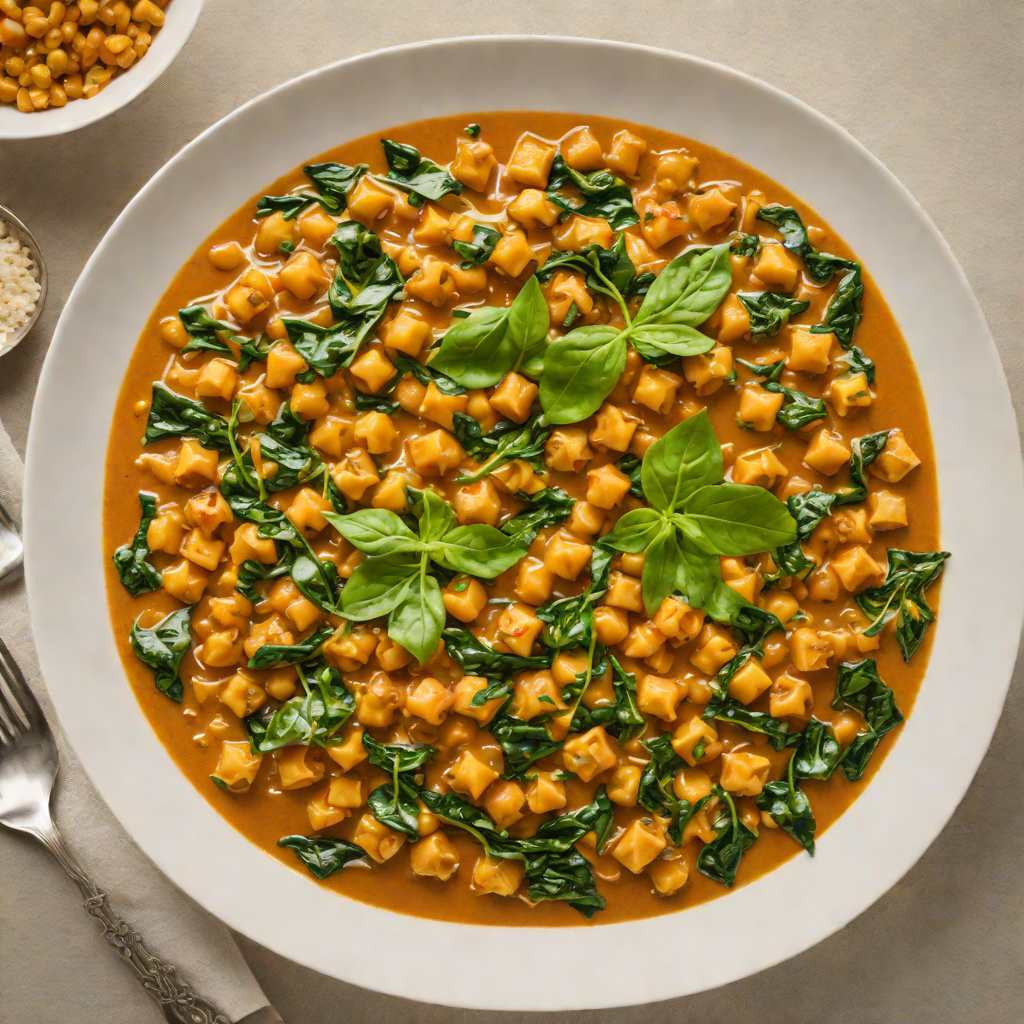
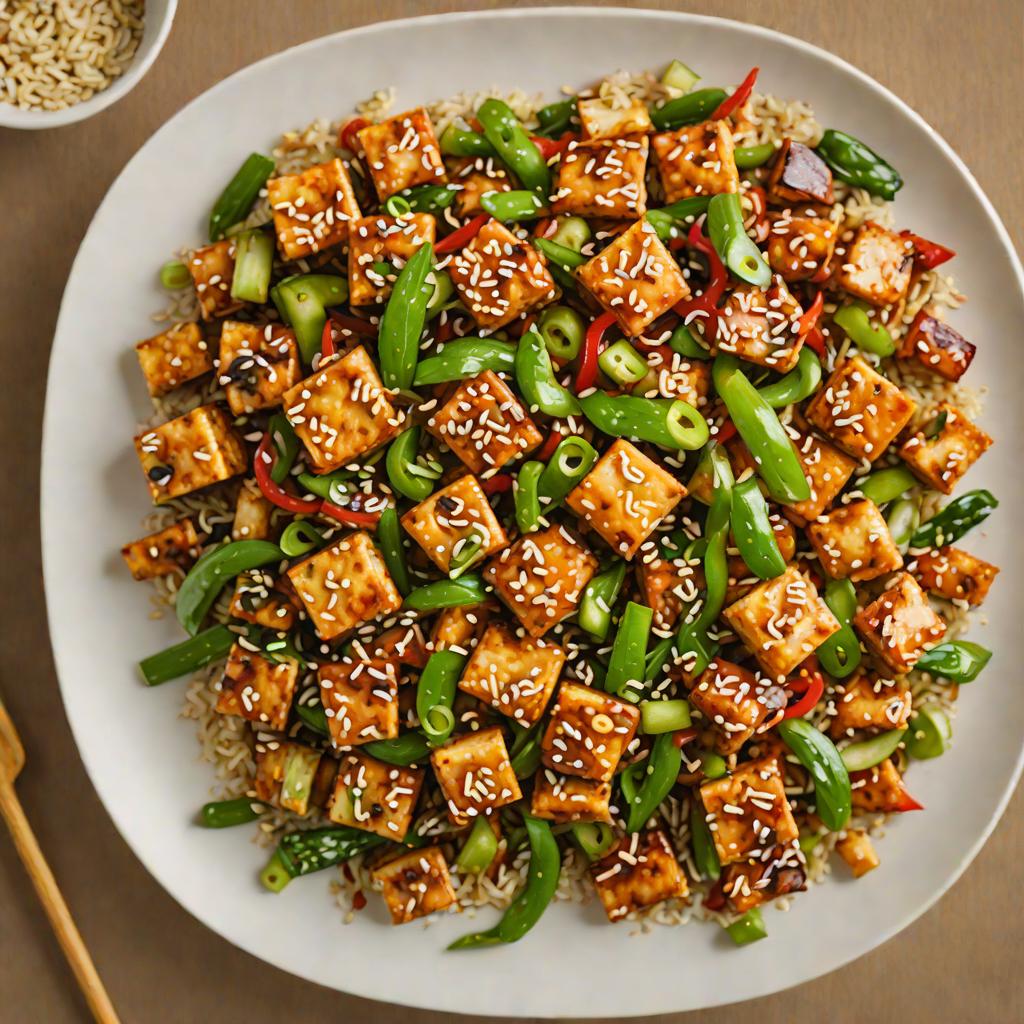
Recipes to try with meal-prep containers
Put your gear to work — save any recipe to My Recipes (no account needed) and send its ingredients to Instacart in one tap.
Shop storage & containers on AislePrompt →Browse the full kitchen shop →
Plan a week of meals in two minutes.
Tell our AI what you have and what you like — it builds your plan, shopping list, and Instacart cart. No account needed.
Plan my week →