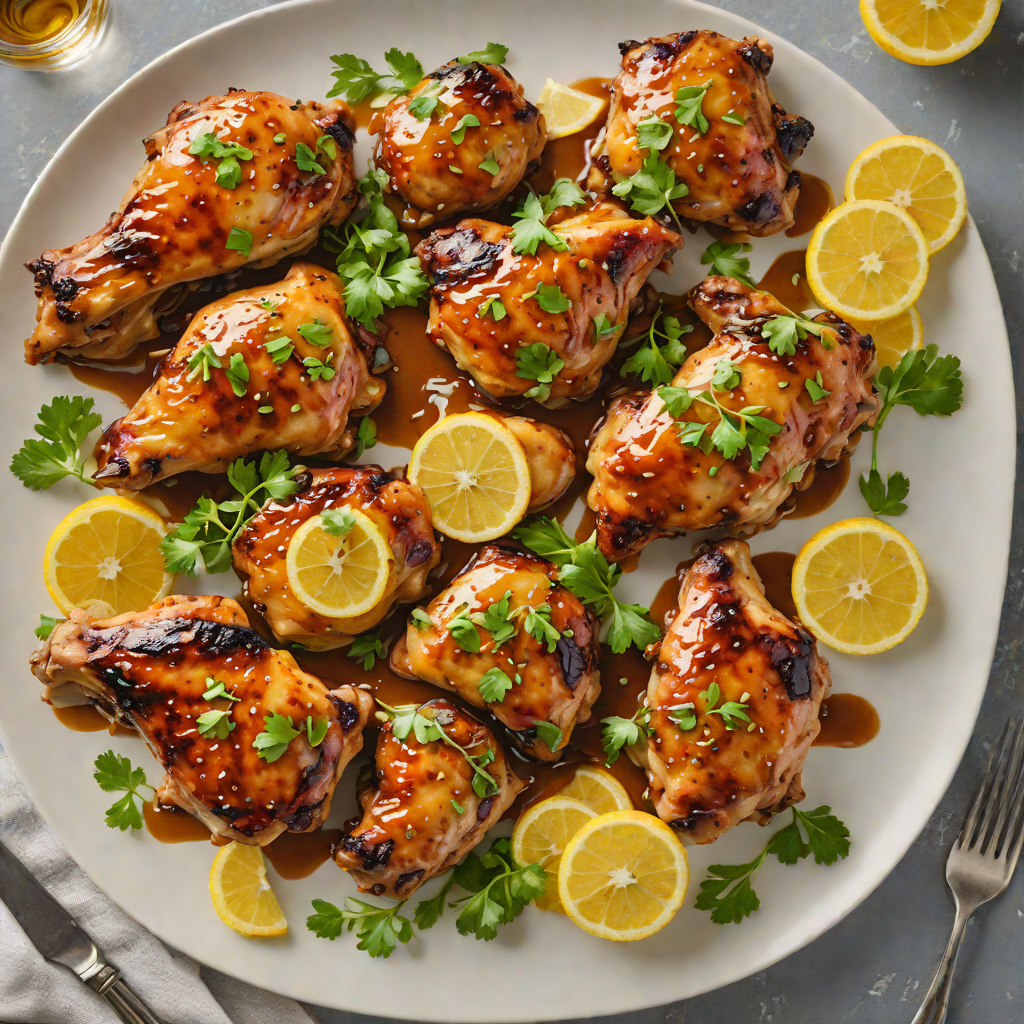
Chicken Thigh Meal Prep: 12 Ways to Cook 3 Pounds on Sunday
One 45-minute Sunday cook, three pounds of thighs, and twelve genuinely different dinners — because thighs reheat and breasts don't.
Three pounds of boneless, skinless chicken thighs, one sheet-pan cook on Sunday, and twelve dinners that don't taste like the same thing four nights running. That's the whole system. It costs about $12 in protein, takes 45 minutes of which 30 are unattended, and produces roughly 12 portions of cooked chicken at 30g of protein each.
Get a free Sunday meal-prep plan
One batch cook, five lunches that still hold on Thursday, and a single consolidated Instacart cart. Sent Saturday.
No spam, unsubscribe in one click. Recipes, shopping lists and Instacart carts all work without an account either way.
The reason it's thighs and not breasts is the only technical claim in this article that really matters, so it goes first.
If you're already running a prep routine, this slots next to the 5-day Mediterranean prep and the freezer make-ahead dinners — those cover assembled meals; this covers the protein component that feeds all of them. For the week-level system rather than a single protein, start with the Sunday meal prep playbook; if you're prepping to hit a macro target, the high-protein batch-cooking plan builds 40g-protein meals around this same Sunday cook.
Why chicken thighs beat breasts for meal prep
Fat content. Boneless skinless thigh runs about 8-10g of fat per 4oz cooked; breast is around 3g. That fat is what keeps the meat palatable after a reheat. Reheating drives off moisture, and a lean protein has no buffer — this is why meal-prepped chicken breast is a well-known disappointment and why prepped thighs aren't.
The doneness window. Breast is done at 165°F and dry by 172°F — a 7-degree margin across a piece of meat with uneven thickness. Thigh is safe at 165°F but genuinely better at 175-185°F, because the connective tissue keeps rendering. That's a 20-degree window instead of 7, and it means overcooking by five minutes doesn't ruin the batch. For meal prep, forgiveness beats theoretical maximum quality every time. America's Test Kitchen's thigh-temperature testing pushes the same argument further, landing on 175°F as good and 195°F as better. If you want the cooking technique rather than the prep system, our complete chicken thigh guide covers bone-in, skin-on, and braised variants.
Price. As of August 2026, boneless skinless thighs average $3.50-$4.50/lb against $5.00-$7.00/lb for breast. Bone-in thighs run $1.99-$2.79/lb. Over a year of weekly prep that's a $150-$250 difference for a better product.
Protein density is close enough. Thigh is about 24g of protein per 4oz cooked, breast about 31g. Per USDA FoodData Central, the gap is real but small — and 100 extra calories of fat is not the problem most people prepping meals actually have.
The honest counterargument: if you're tracking macros tightly on a cut, breast's calorie density is genuinely better. Everyone else should be using thighs.
The 3-pound Sunday sequence
Buy. Three pounds boneless skinless, or 4 lb bone-in skin-on if you want to render the fat and save $6. A family pack is almost always cheaper per pound than two smaller ones. Check the "enhanced with up to 15% solution" label — that's saltwater, and you're paying chicken prices for it.
Brine (optional, 30 minutes, worth it). 1/4 cup kosher salt in 4 cups water, thighs submerged, 30-60 minutes, then rinsed and patted very dry. It buys you moisture retention through two reheats. Skip it if the package says "enhanced" — that meat is already brined and will come out too salty.
Dry. Pat aggressively with paper towels. Wet chicken steams, and steamed chicken doesn't brown. This 60-second step is the one people skip and it's the difference between the good version and the beige version.
Cook. Sheet pan, 425°F. Details below.
Portion. Slice or leave whole, into containers, cooled uncovered for 20 minutes before lids go on. Sealing hot food traps steam that condenses and waterlogs the bottom layer.
Base cook: sheet-pan roast at 425°F
The single highest-throughput method. Three pounds fits on one half-sheet if you don't crowd it — leave 1/2 inch between pieces or they steam.
Oil the thighs, not the pan. Season simply: salt, pepper, granulated garlic, paprika. Keep the base cook neutral, because the twelve flavor treatments below happen after. Roast 25-30 minutes at 425°F until 175°F internal. If you want more browning, hit them under the broiler for 2-3 minutes at the end.
Sheet Pan Honey-Garlic Glazed Chicken Thighs — the reference recipe for this method, glaze included.
Oven-Baked Chicken Thighs with Lemon and Rosemary — the most neutral base cook. Lemon and herb go with everything, which makes this the right choice if you want maximum flexibility later in the week.
Sheet Pan Garlic-Herb Chicken Thighs with Asparagus — protein and vegetable on one pan. Asparagus goes on for the last 12 minutes only.
Sheet Pan Rosemary-Garlic Chicken Thighs with Rainbow Vegetables — the full-meal version if you'd rather prep complete containers than components.
12 flavor treatments from one base cook
The idea: cook plain, then apply a distinct sauce or spice treatment to each two-portion batch as you reheat it. Twelve treatments means four weeks of prep with no repeats. Each of these can be made as a full recipe, or reverse-engineered into a sauce you toss with pre-cooked thighs in a hot pan for 90 seconds.
1. Greek — Oven-Baked Lemon Oregano Greek Chicken Thighs. Lemon, oregano, garlic, olive oil. Goes into salads, wraps, and rice bowls.
2. Teriyaki — Honey-Glazed Teriyaki Chicken Thighs with Sesame Veggies. Soy, mirin, ginger. The most kid-proof of the twelve.
3. Mediterranean — Slow-Roasted Garlic and Herb Mediterranean Chicken Thighs. Herbs, olives, lemon.
4. Korean gochujang — Spicy Korean-Style Braised Chicken Thighs with Gochujang. The best reheater in the list; the sauce actually improves on day three.
5. Shawarma — Sheet Pan Chicken Shawarma with Garlic Yogurt Sauce. Cumin, coriander, turmeric, garlic. Keep the yogurt sauce separate until serving.
6. Chipotle — Chipotle Glazed Chicken Thighs with Lime and Cilantro. Smoky and acidic; the best of the twelve for tacos.
7. Tacos — Oven-Roasted Chicken Thigh Tacos with Homemade Spice Rub. Shred rather than slice for this one.
8. Jerk — Pan-Seared Caribbean Jerk Chicken Thighs with Pineapple Salsa. Allspice-forward and genuinely hot.
9. Buffalo — Skillet Honey Buffalo Chicken with Cheddar and Green Onions. Toss cooked thighs in the sauce at reheat; don't store them sauced or the texture goes soft.
10. Curry — Pan-Seared Chicken Thighs with Garam Masala and Tomato Curry. The only one here that's better as a full re-cook than a reheat toss, because you want the sauce to reduce.
11. BBQ — Pan-Seared Chicken Thighs with Kansas City-Style BBQ Glaze. Sauce goes on in the last 3 minutes; sugar burns.
12. Lemon-herb — Lemon Herb Chicken Thighs. The neutral default that pairs with any grain and any vegetable.
Two more for rotation depth: Honey-Soy Glazed Chicken Thighs with Ginger Scallion Rice and Fermented Kimchi & Chicken Thigh Reboot Bowl.
12 ways to reheat and reinvent
Cooked thighs are a component, not a meal. The formats, with the assembly time each takes on a weeknight:
| Format | Assembly | Grain/base | Works best with |
|---|---|---|---|
| Rice bowl | 4 min | Rice, farro | Teriyaki, Korean, curry |
| Grain salad | 5 min | Quinoa, bulgur | Greek, Mediterranean, lemon-herb |
| Wrap | 3 min | Tortilla, pita | Shawarma, buffalo, chipotle |
| Tacos | 5 min | Corn tortilla | Chipotle, taco rub, jerk |
| Green salad | 4 min | Greens | Greek, lemon-herb, BBQ |
| Pasta toss | 10 min | Short pasta | Mediterranean, lemon-herb |
| Fried rice | 8 min | Day-old rice | Teriyaki, Korean, kimchi |
| Soup add-in | 2 min | Broth | Any |
| Sheet-pan re-roast | 12 min | Vegetables | BBQ, honey-garlic |
| Sandwich | 3 min | Roll | Buffalo, BBQ |
| Flatbread | 10 min | Naan, pita | Shawarma, Mediterranean |
| Breakfast hash | 8 min | Potato, egg | Chipotle, jerk |
The reheat method matters more than people think. Microwaving on full power drives water out fast and makes even thigh meat tough. Use 50-60% power for 90 seconds, or better, 2 minutes in a covered skillet with a tablespoon of water or stock. The single best method is a hot pan with the sauce — it reheats and re-glazes in the same 90 seconds.
Meal prep container strategy
Portion size: 4-5 oz of cooked thigh per container, which is roughly one and a half thighs and lands at 24-30g of protein. Three pounds raw yields about 2.2 lb cooked (a ~25% loss), so 12 portions at 4.5 oz. Don't eyeball it once — weigh one portion, look at it, and eyeball everything after that.
Store components separately when you can: chicken in one compartment, grain in another, sauce in a small lidded cup. Everything keeps better and you can recombine into any of the twelve formats above rather than being locked into one. Glass holds up to reheating and doesn't stain from turmeric or chipotle; plastic is lighter and cheaper. If you're buying a set, the meal prep container guide covers the tradeoffs in detail.
How long chicken thighs safely keep
The numbers, from USDA FSIS guidance on chicken and the federal cold food storage chart:
| State | Refrigerator (40°F) | Freezer (0°F) |
|---|---|---|
| Raw thighs | 1-2 days | 9 months |
| Cooked thighs | 3-4 days | 2-6 months |
| Cooked in sauce | 3-4 days | 2-3 months |
| Cooked, in a grain bowl | 3-4 days | Not recommended |
Rules that come out of that. Cook Sunday, eat through Wednesday, freeze the rest — day-five chicken is outside the guidance regardless of how it smells. Cool cooked chicken to fridge temperature within two hours; leaving a sheet pan on the counter to cool "properly" for four hours is a genuine food-safety problem, not a fussy one. And label the freezer bags with a date, because frozen chicken looks identical at week 2 and month 8.
Freeze in portion-sized flat packs rather than one block: they thaw in 20 minutes in cold water instead of overnight, which is the difference between using them and not.
Kitchen tools that make Sunday prep faster
The stack that makes this a 45-minute Sunday. Two heavy half-sheet pans from bakeware let three pounds of thighs roast in a single layer instead of steaming on one crowded pan — this is the highest-impact item in the list. A 12-inch skillet from cookware does the reheat-and-glaze step that most of the twelve treatments depend on.
For portioning, a set of compartmented containers from storage is what lets you keep grain, protein, and sauce separate; if everything's mixed, you get one meal instead of twelve variations. A digital scale and an instant-read thermometer from utensils come to about $30 together and remove the two things people guess at — portion size and doneness. And a rice cooker or multicooker from small appliances handles the grain component in parallel with the oven, which is how the whole prep fits inside 45 minutes.
Real-world numbers: cost and yield
For one 3 lb prep session, US grocery averages as of August 2026.
| Item | Amount | Cost |
|---|---|---|
| Boneless skinless thighs | 3 lb | $12.00 |
| Oil, salt, spices (base) | — | $1.00 |
| Three sauce treatments | — | $4.50 |
| Rice / grain, 12 portions | 3 cups dry | $2.40 |
| Vegetables, 12 portions | — | $8.00 |
| Total | 12 meals | $27.90 |
That's $2.33 a meal at 24-30g of protein each. The comparison isn't takeout — it's the $9-$14 fast-casual bowl that's the actual alternative on a Wednesday, which means the session pays for itself against three skipped lunch purchases.
Yield math worth memorizing: 3 lb raw boneless thighs → about 2.2 lb cooked → twelve 4.5 oz portions. Bone-in skin-on runs about 45% loss after bones and skin, so 4 lb bone-in gives roughly the same twelve portions for about $9 instead of $12 — and you get a half cup of rendered schmaltz, which is a genuinely good cooking fat for the week's vegetables.
Two worked examples
The 45-minute Sunday, timed. 0:00 — oven to 425°F, thighs out of the package, pat dry, oil and season on two sheet pans. 0:08 — pans in. 0:09 — rice cooker on, 3 cups dry. 0:12 — chop the week's vegetables while the oven works. 0:32 — thighs at 175°F, out, broiler on for 2 minutes if they're pale. 0:36 — chicken rests, vegetables get roasted on the still-hot pans. 0:40 — everything cooling uncovered. 1:00 — portion into containers, sauces into small cups, lids on. Active work: about 25 minutes.
Four days, three treatments, no repeats. Monday lunch: Greek treatment over quinoa with cucumber and feta. Monday dinner: the same Greek chicken in a pita wrap — different meal, zero extra work. Tuesday: Korean gochujang over rice with kimchi. Wednesday: chipotle in tacos with the leftover cabbage. Thursday: whatever's left goes into fried rice with an egg. Same base protein, four distinctly different dinners, and the only cooking after Sunday is a 90-second pan toss.
Common pitfalls
Not drying the chicken. Wet meat steams. Sixty seconds with paper towels.
Crowding the pan. Half an inch of clearance, two pans if needed.
Cooking to 165°F and stopping. Thighs are better at 175-185°F. This is the opposite of the breast rule and it surprises people.
Sealing containers hot. Twenty minutes uncovered first, or the condensation waterlogs everything.
Saucing before storage. Store sauces separately for anything crispy or breaded. Braised and glazed dishes are the exception — those hold fine.
Microwaving on high. 50-60% power, or a covered skillet with a splash of liquid.
Prepping five days of identical containers. The reason meal prep fails is boredom, not effort. Three treatments across a week beats one treatment done perfectly.
When NOT to use this system
If you genuinely need maximum protein per calorie — a cut, a weigh-in, a specific macro target — breast wins on the numbers and you should use it despite the reheat penalty. Cook it to exactly 160°F and slice it cold; that's the best version of a compromised situation.
If you eat the same lunch happily for five days, skip the twelve-treatment structure entirely and just make one large-batch recipe. The complexity here exists to solve variety fatigue, and if you don't have that problem, it's overhead. Bon Appétit's chicken archive is a good source for single-recipe batch cooking.
And if you're cooking for one on a tight budget, the college and dorm prep guide scales this down more sensibly than halving it.
How AislePrompt builds a week around one Sunday cook
Add three or four of these treatments to your shopping list and AislePrompt merges the base ingredients — the thighs, the oil, the garlic — into single lines, then lists only the distinct spices and sauces each treatment needs. That's usually four or five small items, not four full recipes' worth of shopping.
The meal plan tool schedules the Sunday cook and spreads the twelve portions across the week's lunches and dinners, keeping the same treatment from landing twice in a row. The AI chat will tell you exactly how to scale the base cook for your household — four people eating this four times a week is closer to 6 lb than 3 — and will rebuild any treatment around dairy-free, gluten-free, low-sodium, or nut-free constraints without changing the Sunday sequence.
FAQ
See the questions below on thighs vs breasts, storage times, reheating, and scaling.
Sources
- USDA FSIS — Chicken from Farm to Table
- FoodSafety.gov — Cold Food Storage Chart
- America's Test Kitchen — The best chicken thigh internal temp
- Bon Appétit — chicken recipes
- USDA FoodData Central
Frequently asked questions
How long do cooked chicken thighs keep in the fridge for meal prep?
Should I use boneless or bone-in chicken thighs for meal prep?
How do I keep meal-prep chicken from getting rubbery when I reheat it?
Can I meal-prep chicken thighs on a budget?
What are the best meal-prep containers for chicken thighs and grain bowls?
Sources
One Sunday, one week of lunches.
Ask our AI to plan the batch-cook — components, quantities, and a single Instacart cart.
Plan my prep day →