College Meal Prep on a Budget: 15 Dorm-Friendly Recipes Under $6 per Portion
A microwave, a mini fridge, and an optional $25 rice cooker cover five meals a week for about $28 — no oven, no stove, no housing violation.
Affiliate disclosure: AislePrompt may earn a commission on qualifying purchases made through Amazon links in this article, at no additional cost to you. See our affiliate policy →
Five prepped meals a week costs about $28 in groceries and 60 minutes of Sunday, versus roughly $65 in dining-hall swipes, delivery fees, and 2 a.m. convenience-store runs. Everything below works with a mini fridge, a microwave, and optionally a $25 rice cooker. No oven required, no stove required for most of it.
The dining-hall problem
A standard 14-swipe meal plan runs $2,400–3,600 a semester at most US universities as of 2026 — roughly $12–17 per swipe. That's fine if you eat every swipe. Almost nobody does. Miss four a week over a 15-week semester and you've thrown away $700–1,000.
The bigger cost is the gap meals: the 10 p.m. study session, the 8 a.m. class you skipped breakfast for, the Saturday the dining hall closed at 2. Those get filled by delivery ($14–22 with fees) or the campus market ($6 for a sandwich that costs $1.80 to assemble).
Prepping five meals covers those gaps. Here's what the math looks like.
| Approach | Cost / meal | Weekly (5 meals) | Semester (15 wk) |
|---|---|---|---|
| Delivery / apps | $16.50 | $82.50 | $1,237 |
| Campus market grab-and-go | $8.00 | $40.00 | $600 |
| Dining hall (if you use the swipe) | $13.00 | $65.00 | $975 |
| Prepped from this list | $4.80 | $24.00 | $360 |
Federal cost-of-food data supports the low end of that range — USDA's monthly food plan cost reports put the Thrifty Food Plan for a single adult male aged 19–50 in the ballpark of $65–75 a week for all food, and the Food Price Outlook tracks how fast those numbers move.
The dorm kitchen reality check
Be honest about what you have before buying anything.
| Appliance | Typical dorm legality | Cost | Unlocks |
|---|---|---|---|
| Microwave | Almost always allowed | Provided or $70 | 60% of this list |
| Mini fridge | Always allowed | Provided or $120 | Everything |
| Electric kettle | Usually allowed | $20 | Oats, ramen, couscous, tea |
| Rice cooker | Usually allowed (no open element) | $25–35 | Rice, grains, steamed veg, soup |
| Hot plate | Usually banned | $30 | Everything |
| Air fryer | Increasingly allowed | $50–70 | Roasting, crisping |
| Toaster oven | Often banned | $40 | Baking |
Check your housing contract before you buy. The common rule is "no exposed heating element," which bans hot plates and toasters but permits enclosed appliances like rice cookers and air fryers. A rice cooker is the single best $25 you can spend: it makes rice, obviously, but also steel-cut oats, lentils, quinoa, steamed vegetables, and soup, all unattended.
Mini fridge capacity is the real constraint. A typical 3.2 cu ft dorm fridge holds about five 32 oz containers stacked plus drinks. That's your ceiling — plan five meals, not ten.
The $30 starter shopping list
This is one Aldi or Walmart trip and it produces roughly 12 meals with pantry left over.
| Item | Qty | Cost |
|---|---|---|
| Rice, 5 lb | 1 | $4.50 |
| Black beans, canned | 4 | $3.60 |
| Rolled oats, 42 oz | 1 | $4.00 |
| Eggs, dozen | 1 | $3.20 |
| Peanut butter, 16 oz | 1 | $2.60 |
| Flour tortillas, 10ct | 1 | $2.40 |
| Shredded cheese, 8 oz | 1 | $2.30 |
| Frozen mixed vegetables, 12 oz | 2 | $2.60 |
| Onion + garlic | 1 ea | $1.40 |
| Salsa, 16 oz | 1 | $2.00 |
| Bananas | 6 | $1.20 |
| Total | — | $29.80 |
Add $10–12 and you get a rotisserie chicken (~$6) plus a bag of frozen chicken thighs (~$6), which pushes protein up across the whole week.
What to skip: pre-cut vegetables (2–3× markup), individually packaged snacks, bottled smoothies, meal-kit boxes. Those are where a $30 grocery run turns into $70.
Microwave-only meals
These need nothing but a microwave and a mug or bowl.
Microwave Mug Mac and Cheese — 4 minutes, about $0.90 a portion. Elbow pasta, water, milk, shredded cheese, straight in a mug. The genuine dorm staple.
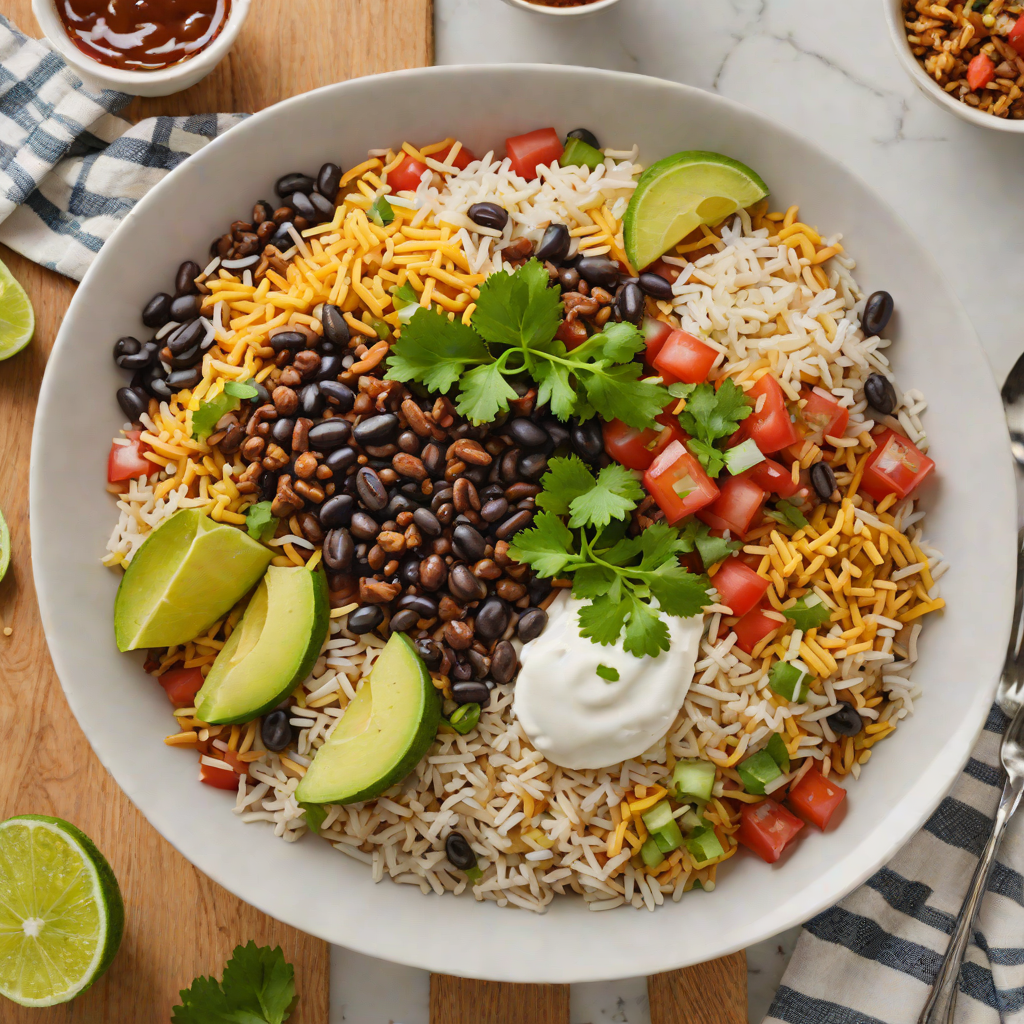
Stovetop Poor Man's Burrito Bowl with Black Beans and Rice — the name is accurate. Rice, canned black beans, salsa, cheese. Batch the rice Sunday, assemble in 90 seconds. About $1.60 a portion.
Cheesy Veggie Quesadillas with Salsa — microwave works, though 3 minutes in an air fryer is dramatically better. $1.70.
Sweet Potato and Black Bean Quesadillas with Guacamole — microwave the sweet potato whole for 6 minutes first, then mash and assemble. $2.20.
Asian Ramen with Spicy Miso and Kimchi — the instant-noodle upgrade. Take a $0.50 packet, throw away the seasoning packet, and add miso paste, kimchi, an egg, and frozen spinach. $2.10 and it stops being sad.
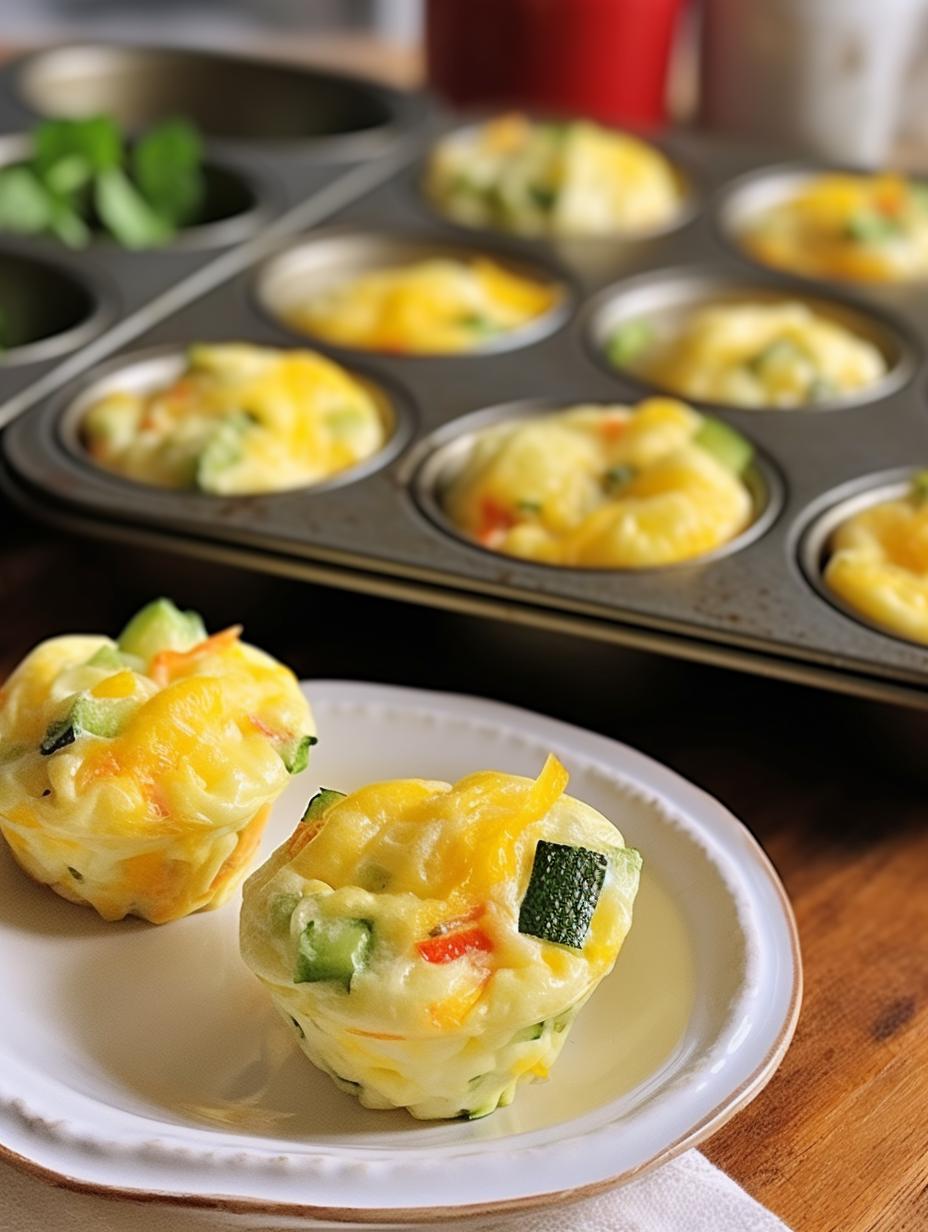
A mug egg, three ways. Crack two eggs into a mug, whisk with a fork, microwave 45 seconds, stir, microwave 30 more. Add shredded cheese and salsa (breakfast burrito bowl), or leftover rice and soy sauce (egg fried rice), or spinach and feta. Ninety seconds, $0.70, 12 g protein.
Rice cooker + microwave meals
The rice cooker is where the quality jumps.
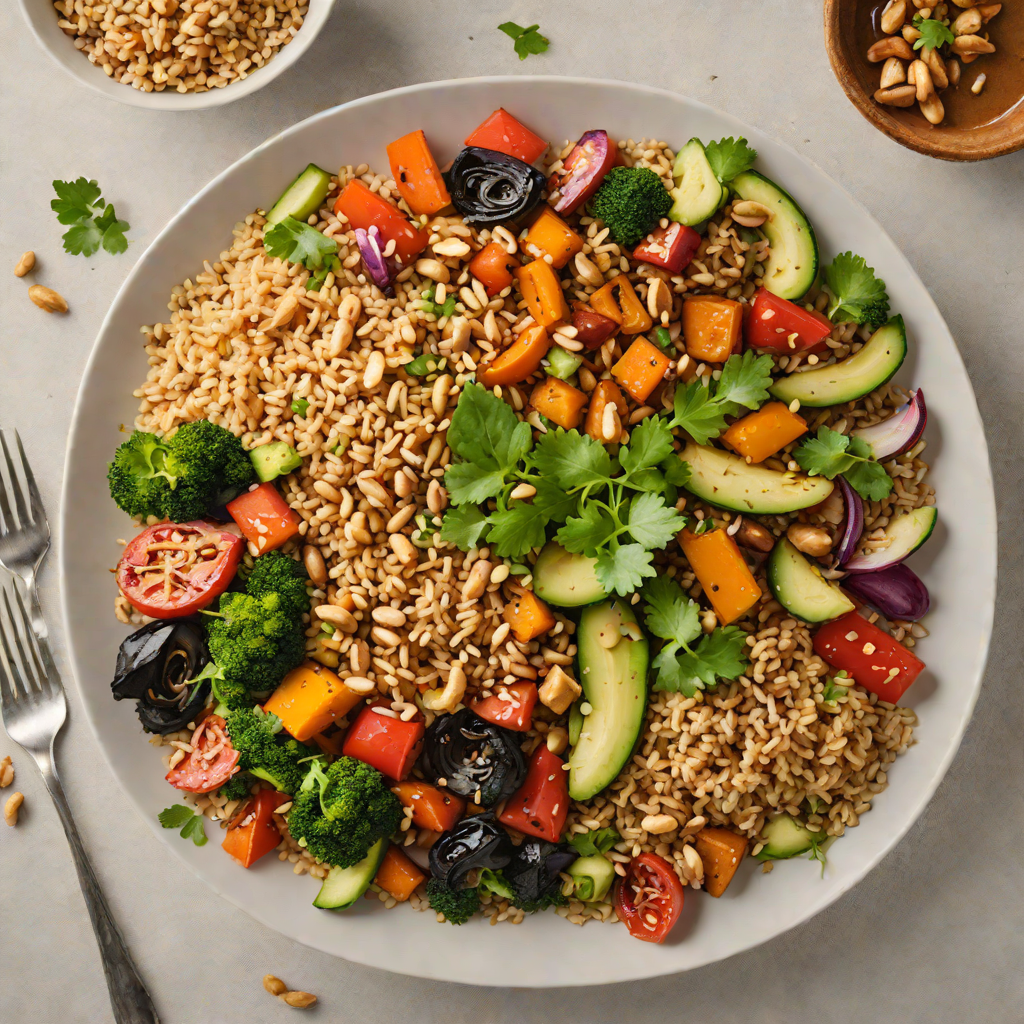
Stir-Fried Rice with Vegetables and Egg — day-old rice cooker rice, frozen mixed vegetables, an egg, soy sauce. $1.40 a portion and it's genuinely good.
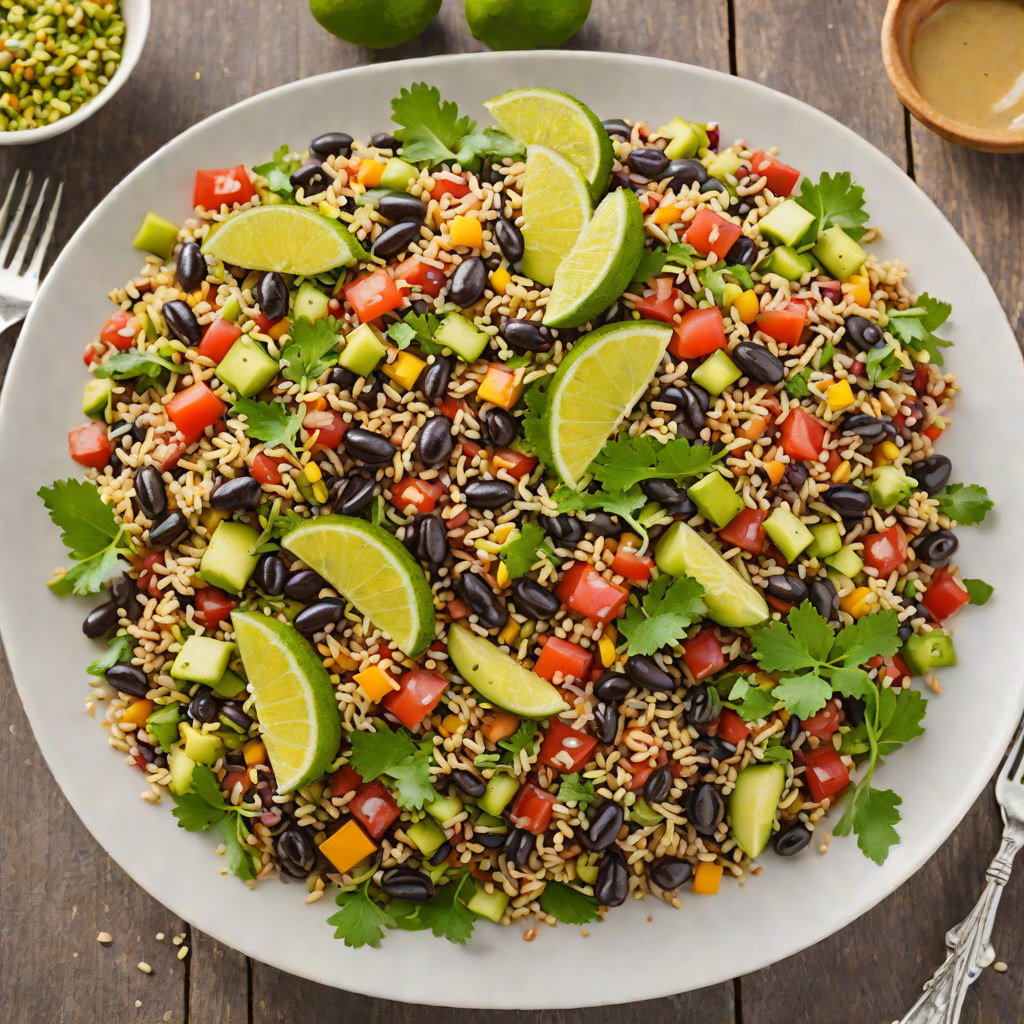
Spiced Rice and Black Bean Bowl and Stir-Fried Black Beans and Rice with Cumin and Lime — the two workhorse rice-and-bean bowls. Both under $1.80.
Southwest Chicken and Black Bean Bowl — build it from a rotisserie chicken and it's about $2.90 a portion with real protein.
Golden Turmeric Lentil Soup and Hearty Tomato and Lentil Soup — lentils cook fully in a rice cooker on the standard cycle. Dried lentils are about $1.60/lb and are the cheapest protein in any grocery store. Around $1.10 a portion.
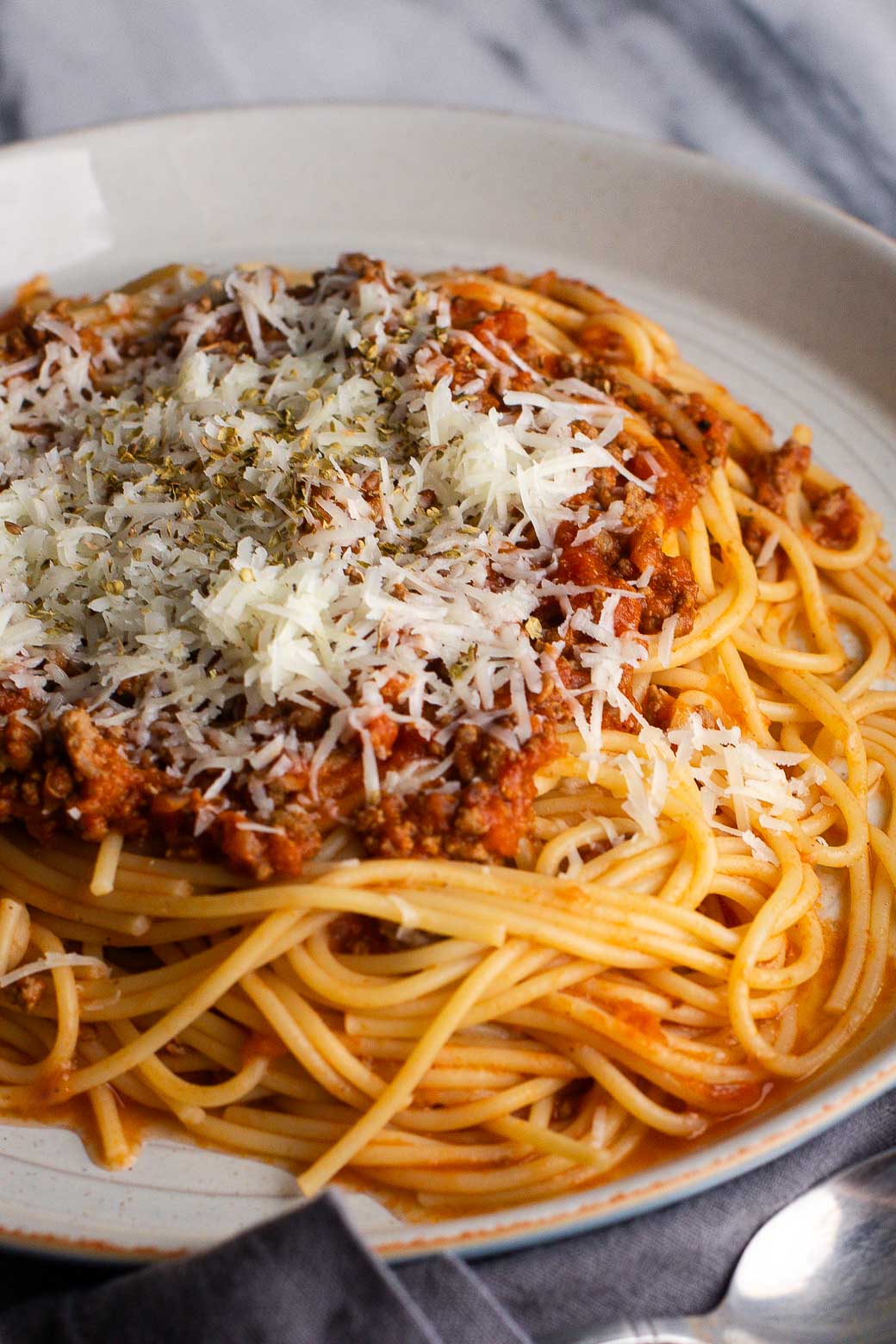
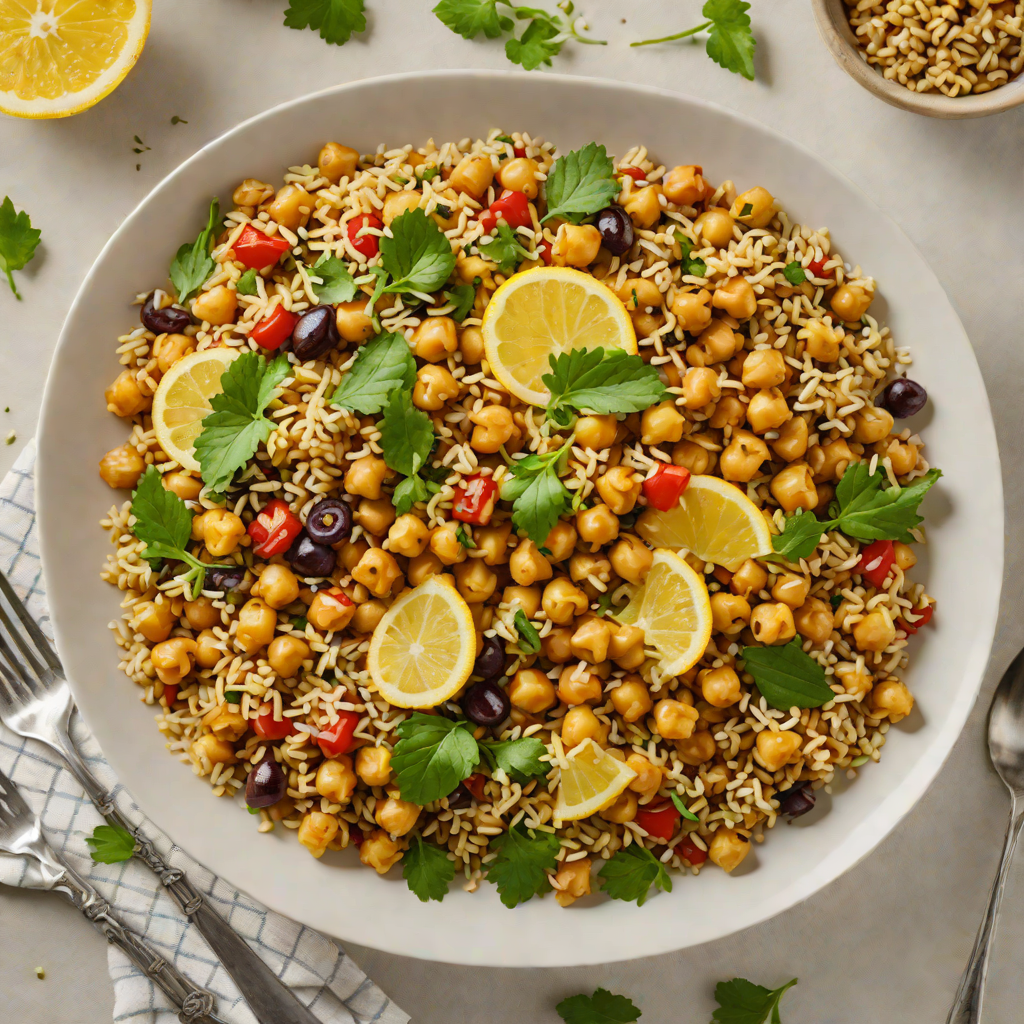
Herb-Infused Tomato Pasta and Chickpea and Spinach Pasta with Lemon and Olives — a rice cooker boils pasta fine. Both under $2.
Beef and Bean Chili with Cornbread Croutons — the batch-cook option. Makes six portions, freezes well, $2.80 each. Skip the cornbread if you have no oven.
No-cook and assembly meals
Zero appliances. Assemble Sunday, eat all week.
No-Bake Peanut Butter Banana Overnight Oats — $0.75 a jar, 5 minutes to make four days' worth. The highest-leverage item on this entire list.
Vanilla Chia Overnight Oats with Fresh Berries — same idea, more fiber. Use frozen berries; they thaw overnight in the jar and cost a third of fresh.
Mason Jar Chicken & Quinoa Salad for Meal Prep — the layering rule: dressing on the bottom, hard vegetables next, grain, protein, greens on top. Nothing gets soggy for five days.
Mason Jar Layered Vegetable and Quinoa Salad — the vegetarian version, $2.10.
Hummus and Veggie Wrap — 3 minutes, $1.90, holds two days wrapped in foil.
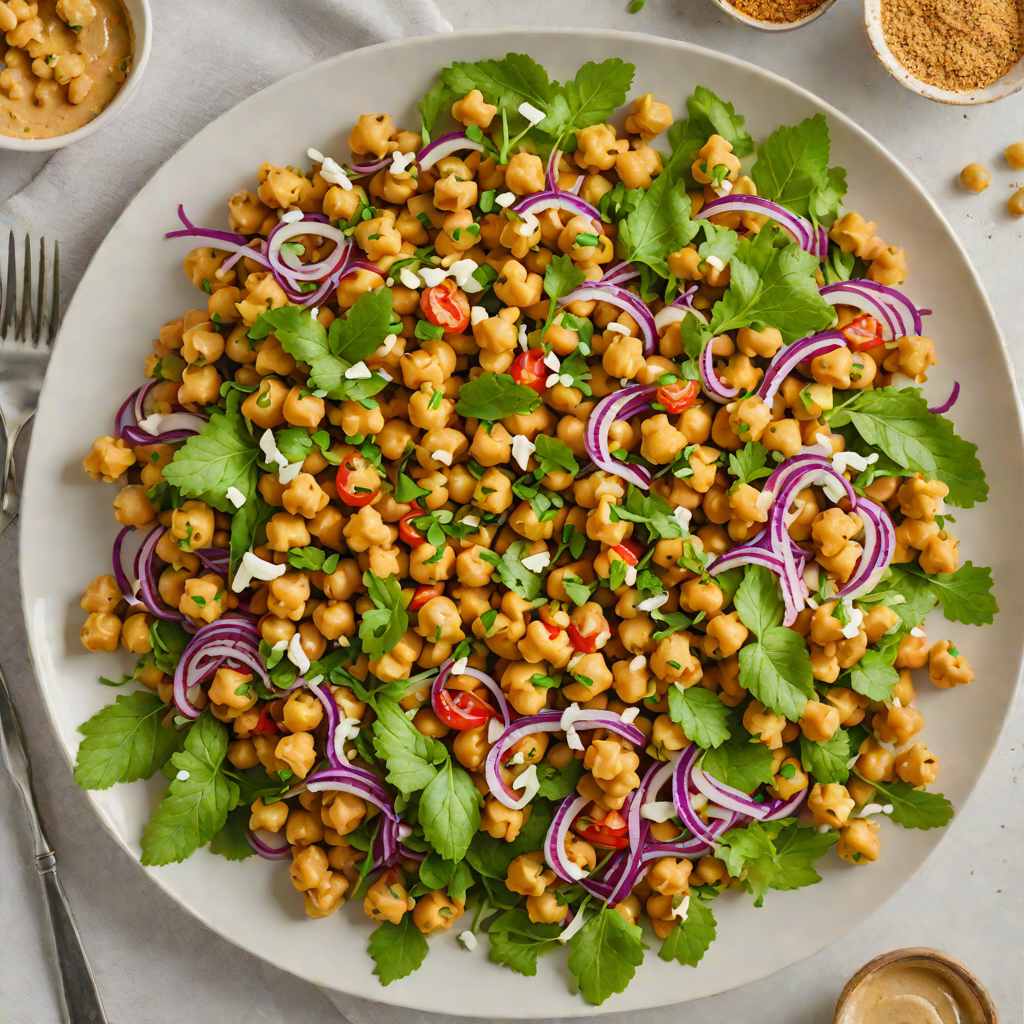
Best Ever Mediterranean Chickpea Salad — canned chickpeas, cucumber, tomato, red onion, lemon, olive oil. Better on day three than day one. $1.50. Harvard's legumes and pulses overview explains why beans and chickpeas are the best protein-per-dollar in the store.
Best Ever Tuna Salad with Avocado — canned tuna is $1.30 and 20 g of protein. Avocado in place of mayo means no refrigeration anxiety about mayonnaise.
Spicy Peanut Noodles with Bok Choy and Thai-Inspired Peanut Noodle Bowl — eaten cold, and better cold. $2.30.
Air Fryer Baked Potato with Cheesy Topping — if you have an air fryer. A potato is $0.60 and it's the cheapest filling dinner on this page.
Cost per portion, every meal on the list
| Meal | Appliance | Cost/portion | Time |
|---|---|---|---|
| Overnight oats (PB banana) | None | $0.75 | 5 min |
| Mug eggs | Microwave | $0.70 | 2 min |
| Mug mac and cheese | Microwave | $0.90 | 4 min |
| Chia overnight oats | None | $1.05 | 5 min |
| Lentil soup (turmeric) | Rice cooker | $1.10 | 35 min |
| Fried rice with egg | Microwave | $1.40 | 8 min |
| Chickpea salad | None | $1.50 | 8 min |
| Burrito bowl | Microwave | $1.60 | 3 min |
| Rice and black bean bowl | Rice cooker | $1.75 | 30 min |
| Veggie quesadilla | Microwave | $1.70 | 4 min |
| Hummus veggie wrap | None | $1.90 | 3 min |
| Tomato pasta | Rice cooker | $1.95 | 20 min |
| Mason jar salad | None | $2.10 | 10 min |
| Ramen upgrade | Microwave | $2.10 | 6 min |
| Peanut noodles | Rice cooker | $2.30 | 15 min |
| Sweet potato quesadilla | Microwave | $2.20 | 9 min |
| Southwest chicken bowl | Rice cooker | $2.90 | 15 min |
| Beef and bean chili | Rice cooker | $2.80 | 45 min |
Eighteen meals, every one under $6. Most are under $2.50.
The Sunday 60-minute prep plan
No oven, no stove. This is the whole routine.
0:00 — Start the rice cooker. Three cups dry rice, six cups water. It runs unattended for 30 minutes and gives you the base for four meals.
0:05 — Assemble four jars of overnight oats. Oats, milk, peanut butter, chia, a pinch of salt. Lids on, into the fridge. Done for the week's breakfasts.
0:15 — Build two mason jar salads. Dressing, chickpeas, cucumber, tomato, grain, greens on top. Twenty minutes total including chopping.
0:35 — Rice is done. Portion it. Four containers, one cup each. Add beans and salsa to two (burrito bowls), leave two plain for fried rice and the chicken bowl.
0:45 — Shred the rotisserie chicken. Two containers get chicken; the rest goes in a bag for wraps and snacking.
0:55 — Label everything with today's date. Blue painter's tape and a Sharpie.
1:00 — Done. Five to seven meals, one hour, roughly $28.
Follow the four-day rule: cooked food holds four days at 40°F or below. Anything past Thursday goes in the freezer Sunday night, not Thursday morning — bacteria multiply fastest in the danger zone between 40°F and 140°F, and the FDA's guidance on cutting food waste and maintaining food safety covers the storage rules in more detail.
Container strategy for a mini fridge
Vertical space is what you actually have; horizontal space is what you don't.
Buy rectangles, not rounds. A rectangle tiles a shelf; a round wastes about a fifth of the same footprint.
One size, 32 oz. Uniform containers stack. Mixed sizes don't, and in a 3.2 cu ft fridge that difference is two extra meals.
Wide-mouth 16 oz jars for breakfast. They stand in the door shelf, which is otherwise dead space.
Label with the date. In a shared dorm fridge this is also how you keep your food.
Ten to twelve containers costs $20–40. Browse food containers or storage and containers for sets, and glass storage if you want glass that won't stain. A rice cooker lives under small appliances. Our full meal prep container buying guide has tested picks with prices.
Where to shop cheap in a college town
Aldi is the best per-dollar grocery in most US college towns — typically 20–30% below a conventional supermarket on staples. Bring a quarter for the cart and your own bags.
Trader Joe's is competitive on frozen items, nuts, and cheese, and worse on produce and pantry staples. Cherry-pick.
Costco split. A membership is $65 and only makes sense split three or four ways. Rice, oats, frozen chicken, eggs, and peanut butter are where the savings are real. Fresh produce in Costco quantities will rot before you eat it.
Campus food pantry. Most universities run one, most students don't know it exists, and there is generally no means test. Check your student services page.
Instacart from home. If parents are covering groceries, a delivered order from home solves the no-car problem. Compare against MyPlate's portion framework so the order skews toward things that actually make meals.
Common pitfalls
Prepping five identical meals in week one. You will not eat meal five. Start with three, prove you eat them, then scale.
Buying appliances before checking housing rules. A confiscated hot plate is $30 gone plus a housing violation.
Skipping protein because it's expensive. Eggs, canned tuna, dried lentils, canned beans, and peanut butter are all under $0.40 per 10 g of protein. Protein is what makes a $1.60 meal actually keep you full until dinner.
Prepping salads dressed. Dressing at the bottom of the jar, or in a separate 2 oz cup. Never mixed in.
Forgetting the mini fridge is 38–42°F, not 34°F. Dorm fridges run warm and get opened constantly. Treat four days as three.
Cooking rice fresh every time. Batch it once. It's the single biggest time saver in this whole system.
When this isn't worth it
If your meal plan is mandatory and prepaid — which it is for most first-year students in dorms — prepping five full dinners is duplicated spending. Prep breakfasts and late-night meals only. Overnight oats and mug eggs cover the two meals the dining hall reliably misses, at about $1.50 a day, and you eat the swipes you already bought.
Related reading
More budget and batch-cooking guides: Costco Meal Prep on $200, Vegetarian Meal Prep, Freezer-Friendly Meal Prep, and Mason Jar Salad Meal Prep.
Want a dorm-cooking week built around your actual appliances and budget? Ask the meal planner.
Sources
- USDA FNS — Cost of Food Monthly Reports (Thrifty Food Plan)
- USDA ERS — Food Price Outlook
- MyPlate — What is MyPlate
- Harvard Nutrition Source — Legumes and Pulses
- FDA — How to Cut Food Waste and Maintain Food Safety
- Danger zone (food safety) — Wikipedia
Frequently asked questions
Can I really meal prep with only a microwave and a mini fridge?
How much does college meal prep actually cost per week?
Is a rice cooker allowed in most dorms?
How long do prepped meals last in a dorm fridge?
What's the cheapest source of protein for a student budget?
Meal-prep recipes from the catalog
Save any of these to My Recipes — no account needed — and send the ingredients to Instacart in one tap.