Make-Ahead Freezer Dinners: 15 Family Meals to Batch and Freeze
Cook three base components on a Sunday, split them into six dinners, and a September weeknight becomes a 45-minute oven job instead of a scramble.
Affiliate disclosure: AislePrompt may earn a commission on qualifying purchases made through Amazon and Instacart links in this article, at no additional cost to you. See our affiliate policy →
Make-ahead freezer dinners work because the hardest part of a September weeknight is not cooking — it is deciding. Bank six to eight family-size dinners in one Sunday session, label them with reheat instructions, and Tuesday at 6:15 p.m. becomes a 45-minute oven job instead of a 40-minute scramble that ends in takeout.
Introduction: Why September breaks weeknight dinner (and how freezer prep fixes it)
Nothing about your cooking ability changes in September. What changes is the calendar. Practice runs 4:30 to 6:00, homework starts at 7:00, and the 90-minute window that held a real dinner in July is now 35 minutes with two kids asking about a permission slip.
The failure mode is predictable and it is not laziness. Weeknight cooking has four steps — decide, shop, prep, cook — and school-year evenings only have room for the last one. Freezer prep moves the first three to Sunday, when they cost you a single block of attention instead of five separate decisions across the week.
The measurable payoff: a family that banks eight freezer dinners in one three-hour session buys back roughly four hours of weeknight cooking and, in most households, two or three takeout orders a month. At an average US delivery ticket of $35-45 for a family of four, that is $70-135 a month that stays in the grocery budget.
This guide is the dinner half of the back-to-school system. If you also need lunches and breakfasts, freezer-friendly school lunch prep and bulk breakfast meal prep cover those.
The 5 freezer-meal principles: what freezes well, what doesn't, and how long
1. Water is the enemy, and so is air. Freezing turns free water into ice crystals that puncture cell walls; the slower the freeze, the bigger the crystals and the mushier the thaw. Freeze in shallow layers, at 0°F or below, and get the food cold fast. Air is the other half — exposed surfaces sublimate and go leathery, which is all freezer burn actually is. Press wrap directly onto the food surface before the lid goes on.
2. Fat and starch freeze well; dairy emulsions and raw produce do not. Braises, tomato sauces, chilis, cooked ground meat, and dense casseroles come back essentially unchanged. Cream sauces split, sour cream weeps, potatoes go grainy unless they are mashed with fat, and anything crisp arrives soggy.
3. Undercook by about 10%. Every frozen meal gets a second cooking cycle on reheat. Pasta pulled two minutes shy of al dente, vegetables blanched rather than roasted soft, and rice cooked slightly firm all land correctly at the table.
4. Freeze flat, store vertical. A quart bag frozen flat on a sheet pan thaws in 20-30 minutes in cold water and files like a book. Round containers stack badly and thaw slowly.
5. Know the real clocks. Quality windows, not safety windows — food held continuously at 0°F stays safe indefinitely per the USDA.
| Meal type | Quality window | Freeze cooked or raw? | Thaw needed? |
|---|---|---|---|
| Casseroles, pasta bakes | 3 months | Cooked or assembled-raw | Overnight, ideally |
| Soups, stews, chili | 4 months | Cooked | No — reheat from frozen |
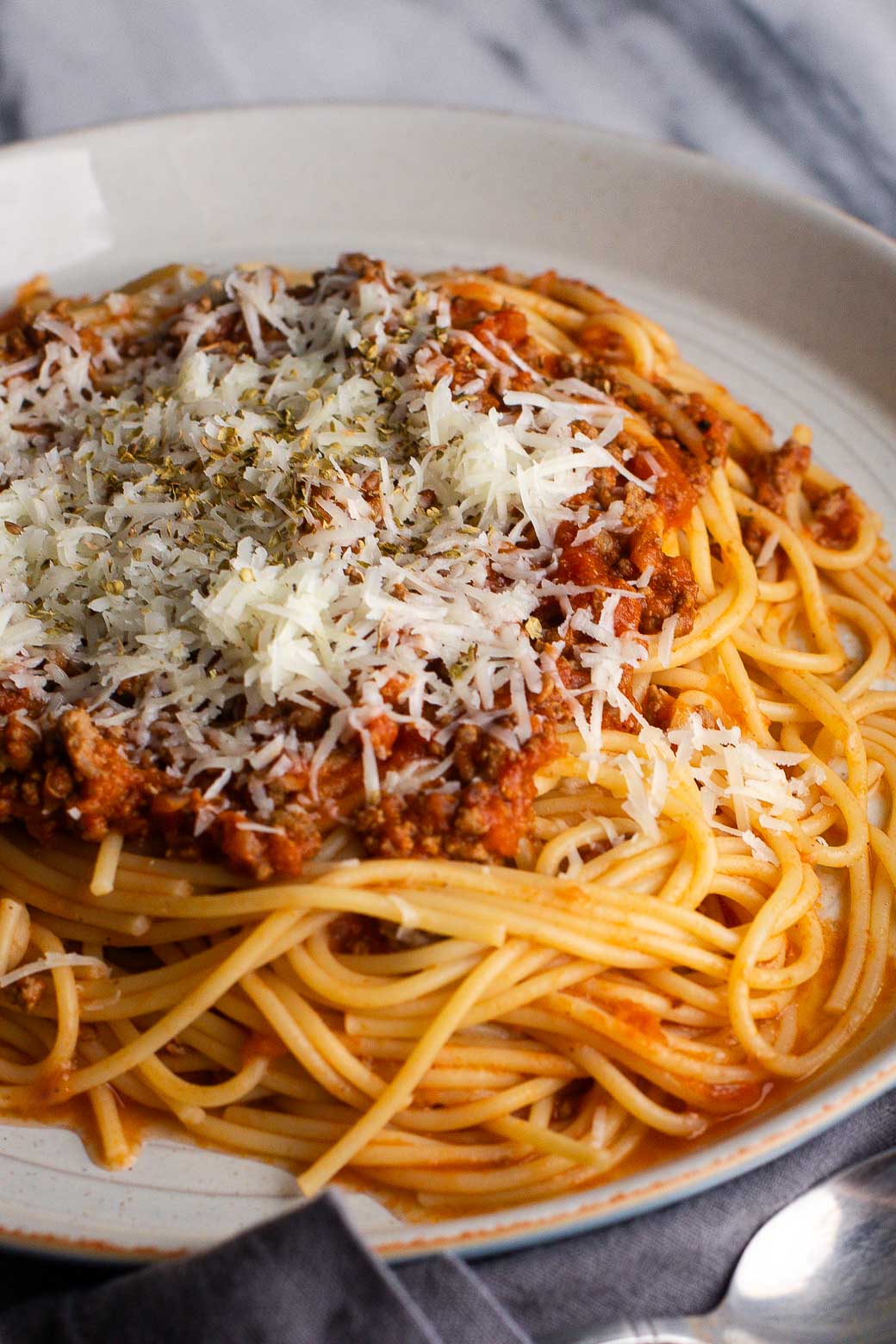
| Cooked ground meat, meat sauce | 3 months | Cooked | No |
| Marinated raw chicken / fajita packs | 6 months | Raw | Yes, overnight |
| Meatballs (cooked) | 3 months | Cooked | No |
| Cream- or cheese-sauce dishes | 6 weeks | Cooked | Yes, slow |
| Cooked rice, plain | 1 month | Cooked | No — steam from frozen |
One-Sunday freezer prep session: how to bank 5 dinners in 3 hours
The trick is not cooking five recipes. It is cooking three base components and splitting them into five meals.
| Time | Task | Output |
|---|---|---|
| 0:00-0:15 | Brown 4 lb ground beef with onion; start 3 lb chicken thighs in the oven at 400°F | Two protein bases |
| 0:15-0:40 | Boil 2 lb pasta to 2 min under; chop all onions, peppers, carrots at once | Starch + mirepoix |
| 0:40-1:15 | Split beef: half to chili, half to meat sauce. Simmer both | 2 dump meals |
| 1:15-1:50 | Shred chicken. Half to enchilada casserole, half to a rice casserole | 2 casseroles |
| 1:50-2:20 | Assemble pasta bake with the meat sauce; assemble second tray | 1-2 casseroles |
| 2:20-2:45 | Cool everything on the counter, then in the fridge | Safe cooling |
| 2:45-3:00 | Wrap, label, freeze flat | 5-6 dinners |
The cooling step is the one people skip and it matters twice over: a hot dish put straight into the freezer raises the temperature of everything around it, and the slow freeze that results produces exactly the large ice crystals principle 1 warns about. Cool to room temperature on the counter for no more than two hours, then refrigerate until cold, then freeze.
You need family-size vessels for this — a pair of 9x13 foil pans or lidded glass dishes from the bakeware category, plus heavy-duty flat-freezing bags and a labeled bin system from storage and containers.
5 casseroles and pasta bakes that freeze beautifully (chicken enchilada, baked ziti, shepherd's pie, king ranch, lasagna)
Dense, saucy, and baked — this is the category freezing was invented for. A casserole has enough sauce to protect the starch and enough mass to reheat evenly.
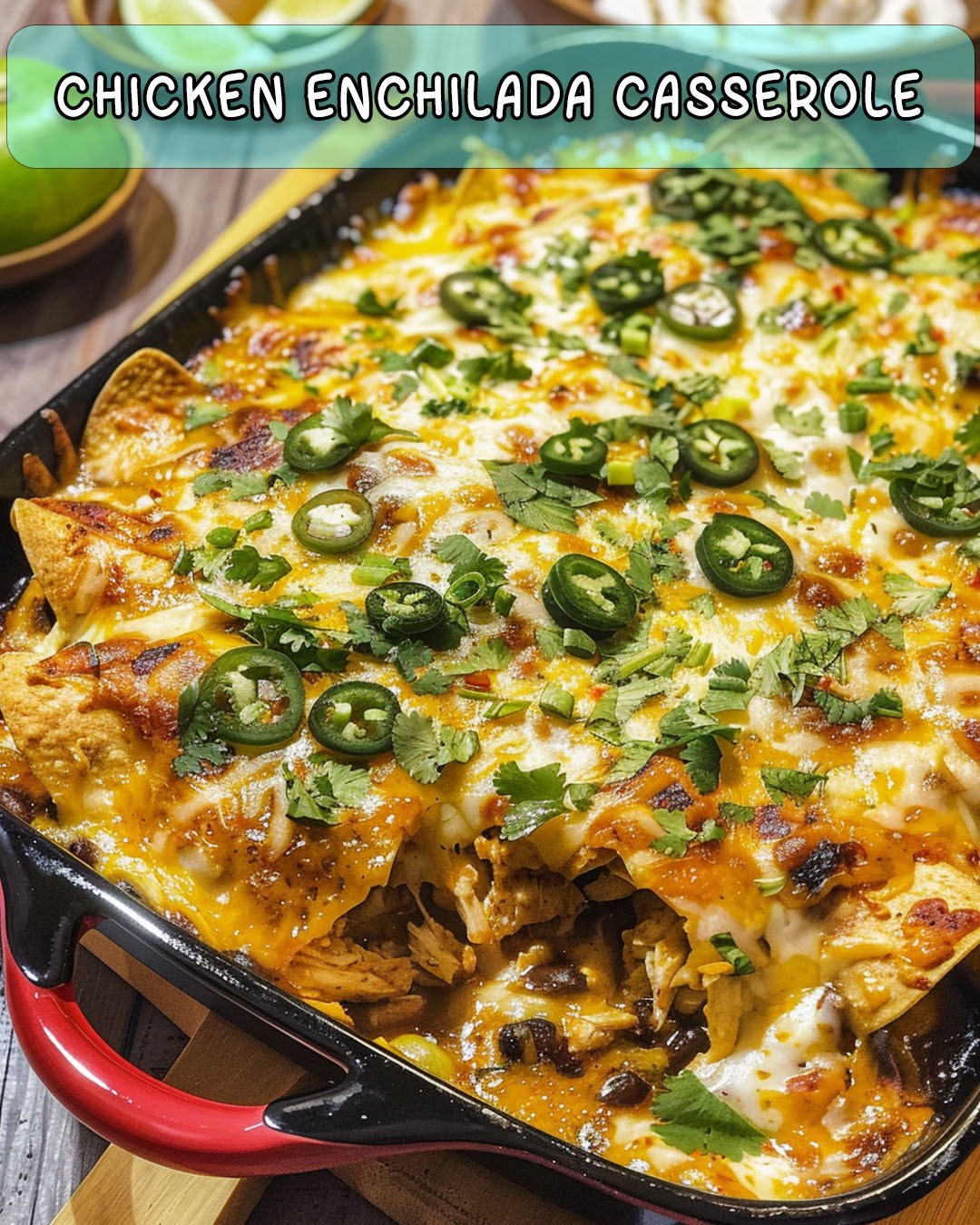
Chicken Enchilada Casserole is the best freezer performer on this list: corn tortillas hold their structure through a freeze-thaw where flour tortillas dissolve, and the sauce keeps everything moist. Assemble, wrap unbaked, freeze up to 3 months. The Mexican-Style Chicken and Cheese Enchilada Casserole is the richer version, and the Vegetarian Enchilada Casserole with Black Beans and Corn freezes just as well for a meatless night.
Best Baked Ziti — pull the pasta at 2 minutes under the box time. Fully cooked ziti that then bakes twice arrives as paste. The Low-Profile Baked Ziti in an 8x8 is the right size for a family of three or a split-in-half strategy.
Authentic English Shepherd's Pie freezes better than almost anything if the mash has enough butter and cream in it — fat is what stops potato from going grainy. The English Heritage Shepherd's Pie is the version to make when you want leftovers to hold a week in the fridge instead.
King ranch casserole is the Texan entry in this category and the one dish here our catalog does not carry directly; Crestview Inn Chicken and Rice Casserole is the closest working substitute and follows the same creamy-chicken-plus-starch template.
The Best Classic Lasagna is a 90-minute Sunday build that yields two 8x8 pans — bake one, freeze one. Most Creative Veggie Lasagna needs one extra step: salt and drain the zucchini or squash first, or the thawed pan will pool water. Add Cheesy Stuffed Shells with Spinach and The Best Homemade Chicken Pot Pie for two more freezer-proof trays — freeze pot pie unbaked so the crust bakes once, not twice.
5 dump-and-reheat dinners (chicken tikka masala, beef stew, pulled pork, chili, meatball marinara)
These go into flat bags, thaw on the counter in the time it takes to set the table, and reheat in a pot. Zero assembly on a school night.
Chicken Tikka Masala — freeze the sauce and chicken together, and stir in the cream after reheating rather than before freezing. Dairy added pre-freeze is the single most common reason a curry comes back grainy. Authentic Indian Chicken Tikka Masala works the same way.
Half-Beef Stew with Root Vegetables and Quebec Beef and Root Vegetable Stew are the 4-month end of the chart. Cut potatoes larger than you would for fresh — 1.5-inch chunks survive freezing; 1/2-inch dice turn to mush.
Texas-Style Slow-Cooked Pulled Pork is the highest-yield item in this guide. One 6-pound shoulder makes roughly 12 servings across three bags, and each bag becomes something different: sandwiches, tacos, a rice bowl. Tangy Apple Cider Pulled Pork freezes identically. Freeze it in its liquid — pork frozen dry reheats stringy.
Beef and Bean Chili with Cornbread Croutons and Chipotle Turkey Chili with Sweet Potato improve in the freezer — a month in the cold rounds off the raw-chili-powder edge. Freeze the cornbread separately. Woodbridge White Chicken Chili is the mildest option for younger kids.
Oven-Roasted Hidden Herb Meatballs with Marinara freeze on a sheet pan first, then bag — freeze them in sauce and you get one meatball brick. Slow Cooker Swedish Meatballs with Creamy Dill Sauce needs the same dairy-last treatment as the tikka masala. Round out the bag rotation with Slow Cooker Coconut Curry Chicken with Sweet Potatoes, Community Comfort Chicken Noodle Soup (freeze the broth and chicken; add noodles fresh) and Classic Comfort Meatloaf, which freezes well raw in a loaf pan liner.
5 sheet-pan and skillet freezer meals (sheet-pan fajitas, teriyaki chicken, sausage + peppers)
This category freezes raw, which is the part most people miss. A bag of marinated chicken and sliced peppers dumped onto a hot sheet pan cooks in 22 minutes and tastes fresh, because it is.
Sheet Pan Chicken Fajitas with Black Beans is the template: sliced chicken, peppers, onion, oil and spices go into a flat bag raw. The marinade does its work during the thaw. Thaw overnight, spread on a sheet pan, 425°F for 20-25 minutes.
Teriyaki Chicken Stir-Fry with Vegetables freezes as two bags — protein-plus-sauce and cut vegetables — so the vegetables never sit in liquid and go limp.
One-Pan Sausage and Peppers with Onions can be frozen entirely raw and cooked from frozen at 400°F for about 35 minutes; sausage is forgiving that way. Fig and Chicken Sausage Sheet Pan Dinner with Rosemary Potatoes is the version to freeze without the potatoes — par-boil and add them fresh, or accept a mealy texture.
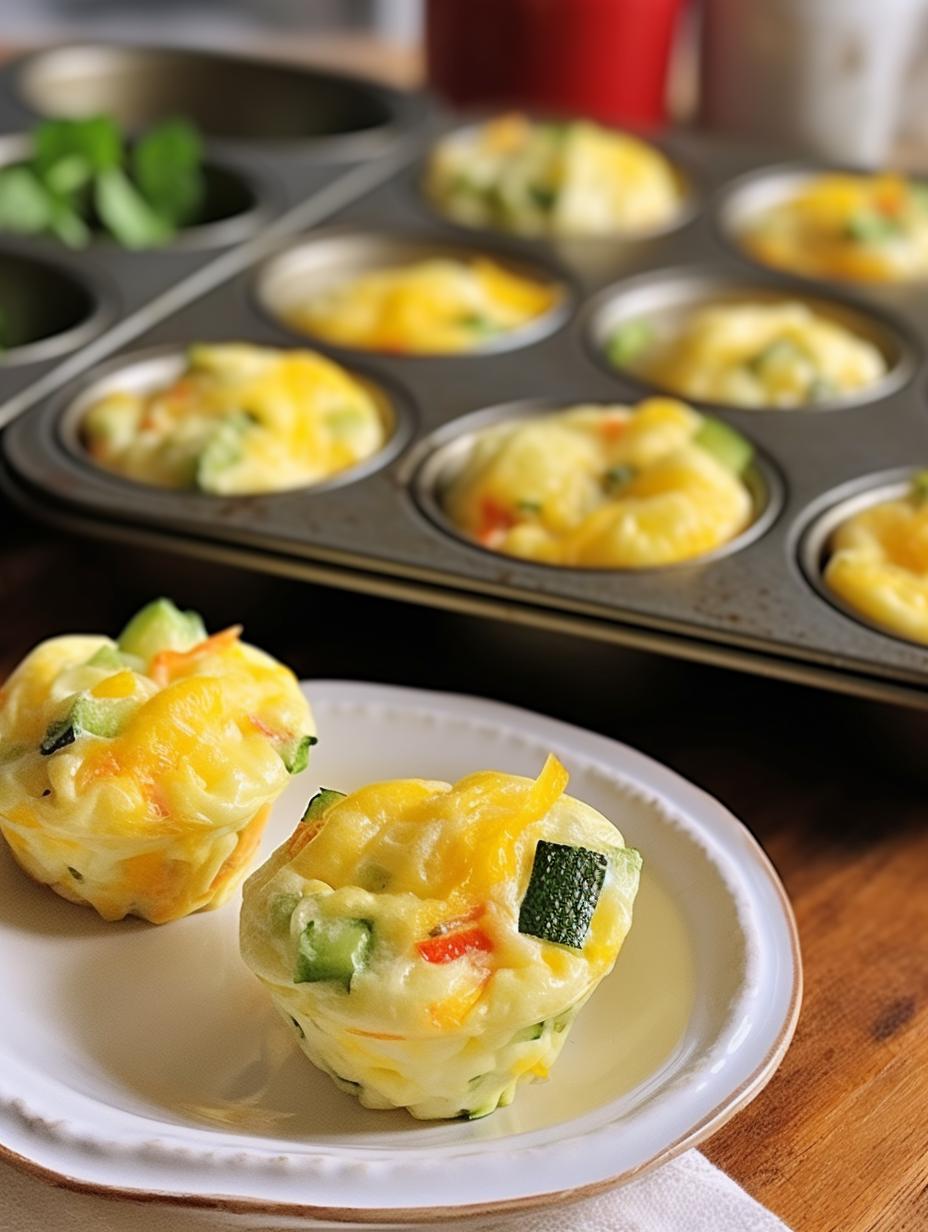
Two utility players worth a spot in the freezer: Make-Ahead Breakfast Burritos with Scrambled Eggs and Veggies (breakfast-for-dinner, wrapped individually) and Southern-Style Macaroni and Cheese, which is the exception to the no-dairy rule because the roux-based sauce holds where a cream-based one splits.
Tongs, a bench scraper and a good instant-read thermometer make the assembly session faster; the utensils category covers them, and a second sheet pan pair from small appliances and cookware accessories is worth it if you are running an oven and a slow cooker in parallel.
Freezer inventory tracker: how to label, rotate, and never lose a meal to freezer burn
An unlabeled freezer meal has roughly a 50% chance of becoming a mystery brick. The label is not optional and it needs four fields, not one:
```
CHICKEN ENCHILADA CASSEROLE
Frozen: 09/07 | Use by: 12/07
THAW overnight → 350°F covered, 45 min
Serves 6 · no cilantro (Ellie)
```
Dish name, both dates, reheat instructions, and the household note. Write it on freezer tape with a permanent marker; masking tape and ballpoint disappear within a month.
Rotation rules that actually get followed:
- Keep a running list on the freezer door — one line per meal, crossed off when eaten. A whiteboard beats an app because everyone in the house can read it.
- Newest goes to the back. Always. Loading from the front is why families find a lasagna from last February.
- Do a 10-minute inventory the first Sunday of each month and move anything inside 30 days of its use-by to the front.
- Group by category in labeled bins — casseroles, bags, breakfast — instead of stacking by date. People retrieve by "what do I want," not "what is oldest."
- Keep a freezer thermometer and verify 0°F. A freezer running at 10°F halves every quality window in the table above; the FDA's cold-storage guidance is the reference for both fridge and freezer targets.
5 reheating rules that keep frozen meals from tasting frozen
1. Thaw in the fridge, never on the counter or on defrost. A 24-hour fridge thaw keeps the whole dish below 40°F while it softens. Microwave defrost cooks the edges while the middle is still ice, which is exactly how a casserole ends up dry at the rim and cold in the center.
2. Cover for most of the reheat, uncover for the last 15 minutes. Foil traps the steam that carries heat to the middle; removing it at the end re-crisps the top. Casseroles go 350°F, covered, until the center reads 165°F — about 45 minutes thawed, 75-90 minutes from frozen.
3. Add liquid back. Every frozen sauce loses some water to ice on the surface. A splash of broth, milk or pasta water stirred into a stew or a pasta bake before reheating restores the original consistency.
4. Finish dairy, herbs and crunch at the table. Cream, sour cream, fresh cilantro, scallions, breadcrumbs and cheese toppings all go on after reheating. This is the single biggest difference between a freezer meal that tastes reheated and one that does not.
5. Verify temperature, don't eyeball it. 165°F at the center, measured with an instant-read thermometer. A browned top tells you nothing about the middle, and a family-size 9x13 routinely needs 15 minutes longer than the recipe says.
When freezer prep is the wrong answer: if dinner needs to be on the table in under 20 minutes, a skillet meal beats anything frozen — even a thawed casserole needs 45 minutes of oven time. Freezer prep also does not suit households of one or two who dislike repetition, since a 9x13 pan is four to six servings of the same thing. And it does not work at all for crisp food: nothing fried, breaded, or salad-based survives the cycle. Keep those meals fresh and let the freezer carry the braises, bakes and bags.
Sources
- USDA FSIS — Freezing and Food Safety — storage times, 0°F rule, safe thawing methods
- FDA — Refrigerator Thermometers: Cold Facts About Food Safety — target freezer and fridge temperatures
- Freezing (food preservation) — ice-crystal formation and why freeze rate changes texture
- Freezer burn — sublimation, and why air contact is the real culprit
- Casserole — the structural template behind most freezer dinners
Where to go next
Freezer-friendly meal prep: 20 recipes to batch-cook and freeze for a month scales this system past a single Sunday. For the nights the freezer is empty, back-to-school family dinners is the 30-minutes-or-less list, and 22 weeknight casserole recipes covers the bakes that go straight in the oven. If containers are the bottleneck, the best meal-prep containers for 2026 has the tested picks. If you would rather the cooking happen while you are at pickup than the Sunday before, back-to-school slow cooker dinners is the 4-week plan built around a morning load instead of a freezer.
Frequently asked questions
How long do freezer meals actually stay good?
What foods should I NOT freeze in dinner meal prep?
Should I freeze meals raw (before cooking) or cooked?
What's the best container for freezing family-size dinners?
How do I reheat frozen dinners without them tasting mushy or dry?
Meal-prep recipes from the catalog
Save any of these to My Recipes — no account needed — and send the ingredients to Instacart in one tap.