Freezer-Friendly School Lunch Prep: 15 Make-Ahead Lunches
Batch once on a Sunday, then pack a school lunch in 90 seconds every morning for the next three weeks.
Affiliate disclosure: AislePrompt may earn a commission on qualifying purchases made through Amazon and Instacart links in this article, at no additional cost to you. See our affiliate policy →
Freezer lunch prep works because the freezer does the waiting for you. Batch-cook 15 lunch components on a Sunday, freeze them in single portions, and every school morning becomes a 90-second assembly job: grab a frozen handheld, add a cold side, close the box. No thawing schedule, no 6:40am cooking, no third consecutive turkey sandwich.
The 3 rules of freezer lunch prep (portion, wrap, label)
Everything below follows three rules. Break any one of them and you get freezer burn, mystery bags, and a kid who won't open the box.
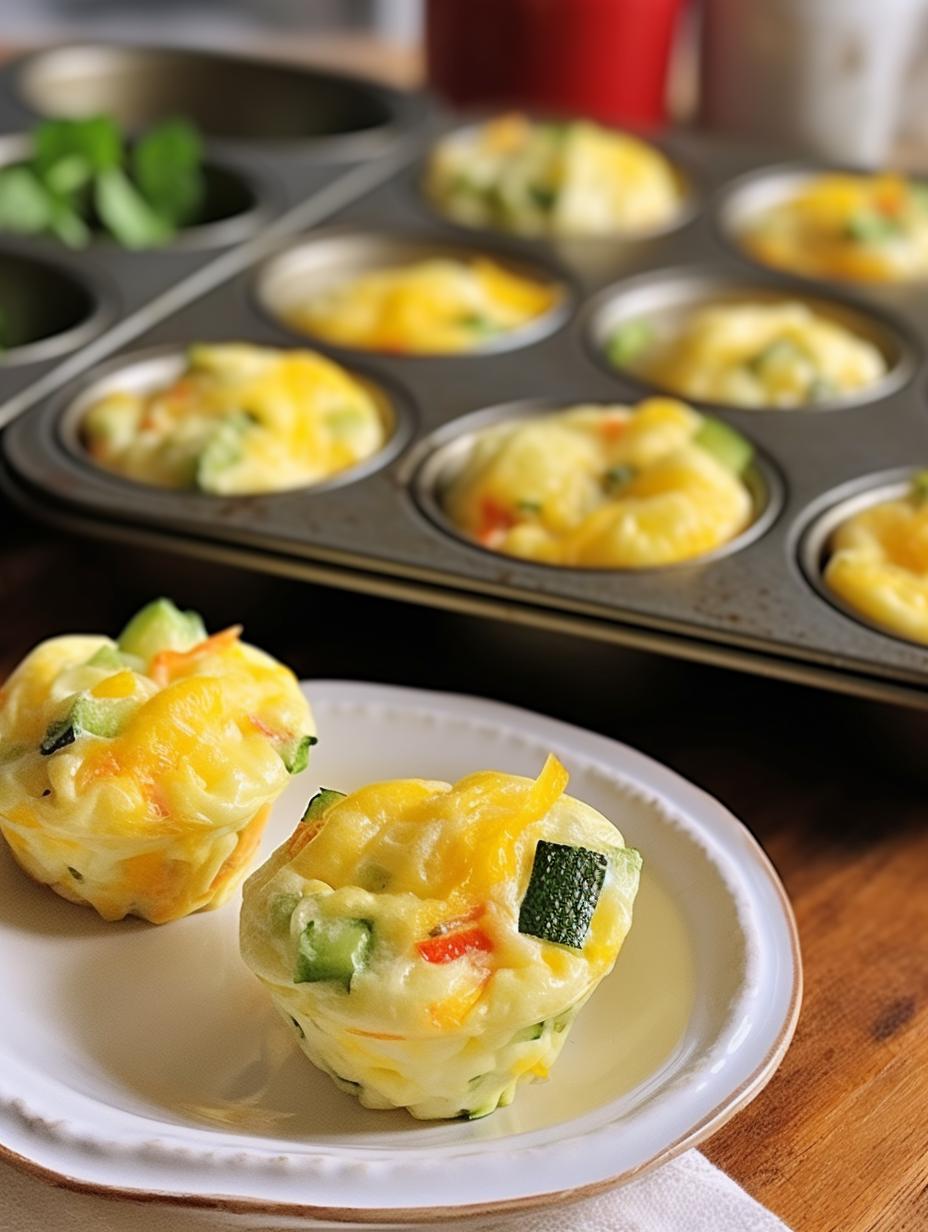
Rule 1 — portion before you freeze, never after. A 9x13 tray of baked ziti is a dinner. Fifteen 1-cup portions of the same ziti are fifteen lunches. Portioning after freezing means thawing the whole slab, which is exactly the friction you're trying to design out. Use a muffin tin, a silicone bite tray, or a 1-cup deli container and portion while the food is still warm enough to spoon.
Rule 2 — wrap twice, contact first. Air is the enemy. Wrap each handheld tightly in parchment or foil so the wrap touches the food with no gap, then put the wrapped items into a freezer-grade zip bag and press the air out. Two layers get you 6–8 weeks of peak quality instead of 2–3 weeks with a single loose bag. The USDA's freezing guidance is blunt about this: food frozen at 0°F stays safe indefinitely, but quality degrades from moisture loss, which double-wrapping slows dramatically.
Rule 3 — label with a date and a thaw note. Write two things on every bag: the date, and how it goes into the lunchbox. Copy this template onto masking tape:
- BURRITOS — 8/24 — FROZEN OK (thaws by noon)
- EGG CUPS — 8/24 — THAW OVERNIGHT IN FRIDGE
- MAC — 8/24 — REHEAT HOT → THERMOS
Three categories, three behaviors. That single line saves the 7am decision every single day.
Freezer lunch #1–5: handheld wraps and burritos
These are the workhorses. They freeze solid, travel flat, and thaw to eating temperature in a lunchbox by noon — which means they double as the ice pack for everything else in the box.
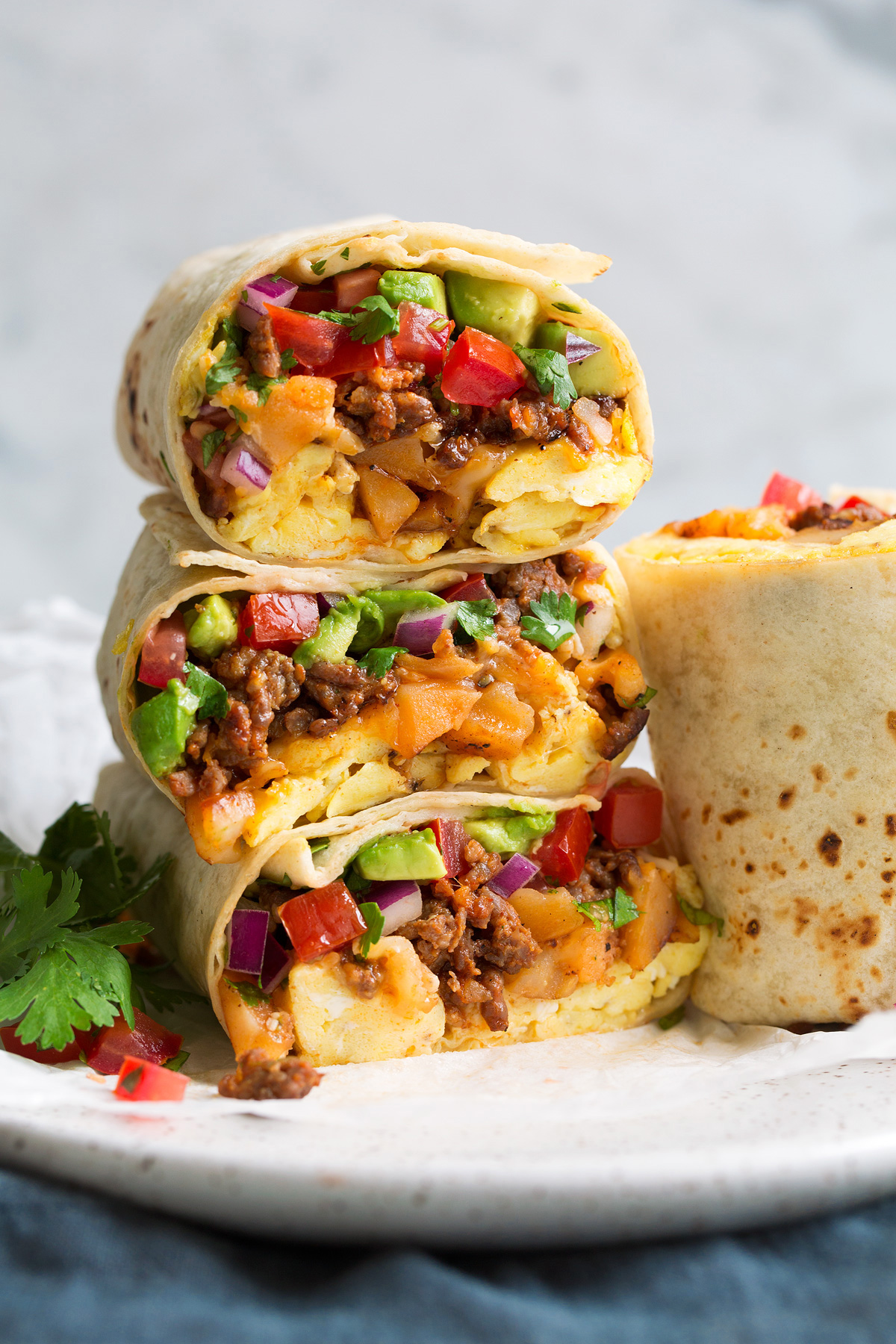
1. Make-Ahead Breakfast Burritos with Scrambled Eggs and Veggies — the single highest-value item on this list. Batch 12 at once, cool completely (steam trapped in a hot burrito turns into ice crystals), wrap in parchment, freeze. Lunch-safe as long as the eggs are fully set.
2. Kid-Friendly Turkey and Cheese Wraps with Hummus — freeze without the lettuce or tomato. Add fresh crunch the morning of, in a separate compartment.
3. Ham and Cheese Roll-Ups with Dill — slice into pinwheels after they're half-frozen and the cuts stay clean.
4. Baked Cheese and Veggie Quesadilla Triangles — quesadillas are the most freezer-tolerant thing in this article. Cheese re-melts without weeping and the tortilla doesn't go gummy.
5. Mini Cheesy Chicken Quesadillas — 4-inch tortillas make a portion size that fits a bento compartment without folding.
The wrap that fails: anything with mayonnaise, sour cream, fresh lettuce, cucumber, or tomato inside. Emulsions break on thaw and high-water vegetables turn to slime. Keep those components separate and add them fresh.
Freezer lunch #6–10: muffin-tin bites
Muffin tins are the best portioning tool in a home kitchen. Each cup is roughly 1/3 cup, which is a perfect kid portion, and 12 cups is a batch you can freeze on the tray and then bag loose.
6. Vegetable and Cheese Muffin Tin Frittatas — freeze on the tray for 2 hours first, then bag. Egg-based bites are the shortest-lived item here: 4 weeks, not 8, because the whites weep on thaw.
7. Cheesy Keto Egg Muffins — higher fat, less weeping. If your kid tolerates them, these hold texture noticeably better than a lean egg-white version.
8. Mini Pizza Pinwheels with Tomato and Mozzarella — the most-requested item in most households. Bake, cool, freeze in a single layer.
9. Basil Cheese Mini Pizzas — freeze par-baked (about 80% done) so the reheat finishes the crust instead of drying it.
10. Temple Hills Turkey Meatballs with Tomato-Basil Sauce — freeze the meatballs and the sauce separately. Sauce-coated meatballs go mushy; naked meatballs stay springy for 3 months.
Two more that belong in the rotation when you want a sweet or vegetarian slot: Make-Ahead Banana Oatmeal Muffins and Baked Tofu Nuggets with Tangy Dip.
Freezer lunch #11–15: thermos-ready hot lunches
A hot lunch is the difference between a kid eating and a kid trading. These five freeze in 1-cup portions, reheat to a boil in 3–4 minutes, and go into a preheated thermos.
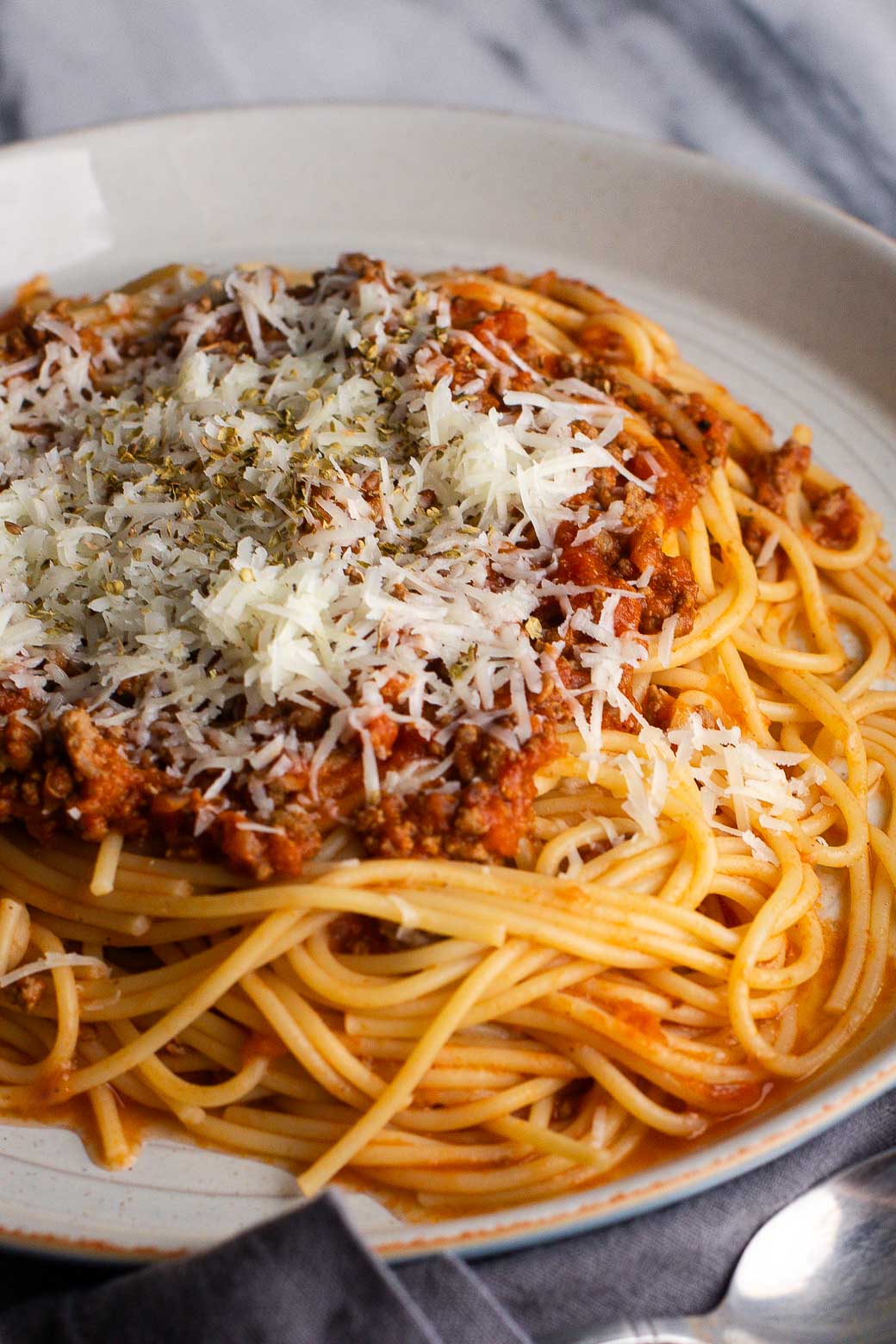
11. Instant Pot Macaroni and Cheese with Cheddar and Cream — freeze slightly under-sauced; pasta absorbs liquid in the freezer and the reheat will look right.
12. Kid-Friendly Chicken and Veggie Pasta Bake — portion into 1-cup deli containers straight out of the pan.
13. Chipotle Turkey Chili with Sweet Potato — freezes better than almost anything. Scale the chipotle down by half for younger palates.
14. Instant Pot Lentil and Sweet Potato Soup with Curry — 3 months at full quality, and it's the cheapest portion on this list at roughly $0.85.
15. Calzone with Italian Sausage, Spinach, and Ricotta — the crossover item: eats hot from a thermos-wrapped foil pack or cold like a hand pie.
Two supporting picks for variety weeks: Baked Chicken Nuggets with Sweet Potato Puree and Veggie and Cheese Pinwheels.
Thermos technique — the part everyone skips
A cold thermos loses about 40°F in the first 20 minutes. Preheat it: fill with boiling water, cap it, wait 5 minutes, dump, then add food heated to at least 165°F. A preheated wide-mouth stainless jar holds food above 140°F for roughly 5 hours; the same jar unpreheated drops below 140°F in about 2. That gap is the entire food-safety margin for a hot lunch.
The 90-minute Sunday batch session, timed
This is one session that yields 15 lunch components — about 3 school weeks for one kid, or one week for three kids.
| Clock | Task | Why now |
|---|---|---|
| 0:00 | Oven to 400°F. Mix and pan the muffin-tin frittatas and mini pizzas. | Longest bake starts first |
| 0:10 | Frittatas + pizzas into the oven (18–22 min) | Oven works while you do stovetop |
| 0:12 | Brown the meatballs; start chili or lentil soup | Two burners running |
| 0:25 | Pull baked items to a rack. Second tray in: calzones. | Rack-cooling prevents condensation |
| 0:35 | Assemble and griddle the quesadillas and roll-ups | Fastest station, no waiting |
| 0:55 | Scramble the burrito filling; roll and wrap 12 burritos | Filling must be cool before rolling |
| 1:10 | Cook the pasta bake; portion the soups into 1-cup containers | Everything cools in parallel |
| 1:25 | Wrap, bag, label, flat-freeze | Labeling is the step you cannot skip |
| 1:30 | Done | 15 components in the freezer |
Realistic cost, using August 2026 US grocery averages: about $58 in ingredients for roughly 45 lunch portions, or $1.29 per portion. A packed school lunch bought as pre-made components runs $3.50–5.00; a cafeteria lunch averages around $3.00 in most districts. The batch pays for itself in the first week.
Storage: bags vs containers, and how long each recipe holds
| Item | Container | Peak quality | Freeze flat? |
|---|---|---|---|
| Burritos, wraps, roll-ups | Parchment + freezer zip bag | 8 weeks | Yes |
| Quesadillas | Parchment between, zip bag | 8 weeks | Yes |
| Egg cups / frittata bites | Tray-freeze, then zip bag | 4 weeks | Yes |
| Mini pizzas (par-baked) | Zip bag, single layer | 8 weeks | Yes |
| Meatballs (no sauce) | Zip bag | 12 weeks | Yes |
| Soups, chili, mac | 1-cup rigid containers | 12 weeks | No — leave 1/2" headspace |
| Calzones | Foil + zip bag | 8 weeks | Yes |
| Muffins, sweet bakes | Zip bag | 12 weeks | Yes |
Rigid containers for anything wet, bags for anything solid. Glass survives the freezer fine but chips when a kid drops it, so keep glass for the adult meal-prep shelf and use BPA-free plastic or silicone for the lunch rotation. Good starting points live in Storage & Containers and Food Containers.
The morning routine: freezer to backpack in under 90 seconds
1. Grab one handheld from the FROZEN OK bag. It goes in frozen. It is also the ice pack.
2. Grab one cold side — fruit, cheese cubes, veggie sticks — from the fridge.
3. If it's a thermos day: the night before, move one 1-cup soup container to the fridge. In the morning, microwave to a rolling boil (about 3 minutes), pour into the preheated thermos, cap.
That's it. Steps 1 and 2 are 40 seconds. Step 3 adds about 6 minutes on thermos days, which is why most families run thermos two days a week and handhelds three.
For the fridge-based counterpart to this system, see freezer-friendly meal prep for dinners, which uses the same batch discipline for the evening meal.
Common pitfalls (and the fixes)
- Freezing food warm. Trapped steam becomes ice crystals, and ice crystals become a soggy tortilla. Cool everything to room temperature on a rack first — a rack, not a plate, so the bottom releases steam too.
- One giant bag of mixed items. You will not dig. Bag by behavior (FROZEN OK / THAW OVERNIGHT / REHEAT HOT), not by recipe.
- Sauce-coated everything. Sauce is a texture destroyer in the freezer. Freeze sauce separately in ice-cube trays and add at reheat.
- Skipping the date. Two unlabeled bags become an archaeology problem in three weeks and a trash bag in six.
- Over-filling rigid containers. Liquid expands about 9% on freezing. Leave a half-inch of headspace or the lid pops and the surface freezer-burns.
- Refreezing a thawed handheld. If a burrito went to school and came home uneaten and soft, it goes in the fridge for that evening or in the trash — not back in the freezer.
When NOT to freezer-prep
Freezer prep is the wrong tool if your kid's school has a nut-free and dairy-free policy that rules out most of the cheese-and-peanut-butter backbone here — you'll spend the batch session on substitutions and end up with five components instead of fifteen. It's also wrong for a household eating from a single small freezer compartment: 15 components need roughly 1.5 cubic feet of flat space, and cramming them vertically defeats the flat-freeze that keeps handhelds from bending.
And if your kid is in a "will only eat it if it was made today" phase, run refrigerator lunch prep for a few weeks instead and revisit the freezer in a month.
Shopping list, grouped by store aisle
Produce: 2 lb sweet potatoes, 1 bunch spinach, 2 bell peppers, 1 yellow onion, 1 head garlic, 2 lb apples, 1 lb baby carrots
Dairy: 2 dozen eggs, 2 lb shredded cheddar, 1 lb shredded mozzarella, 16 oz ricotta, 1 lb butter, 1 quart milk
Meat: 1 lb ground turkey (meatballs), 1 lb ground turkey (chili), 1 lb Italian sausage, 1 lb sliced deli turkey, 1/2 lb sliced ham, 1 lb chicken breast
Pantry: 24 flour tortillas (8"), 24 tortillas (4"), 1 lb pasta, 1 lb elbow macaroni, 1 lb red lentils, 2 cans diced tomatoes, 1 can black beans, 1 jar marinara, pizza dough, rolled oats, flour, olive oil
Freezer aisle: 1 bag frozen corn, 1 bag frozen peas
Non-food: parchment paper, freezer zip bags (quart + gallon), masking tape, 1-cup deli containers
Everything on that list maps to the 15 components above. If you want the list built automatically from whichever recipes you actually pick, the AislePrompt meal planner generates it grouped by aisle, and the AI chat will rebuild the whole batch nut-free or dairy-free on request.
Kitchen gear that makes this batch faster
You don't need much, but three things change the session materially: a second 12-cup muffin tin so both bake in one oven cycle, a half sheet pan with a cooling rack so hot items release steam instead of trapping it, and a wide-mouth insulated food jar for the thermos days. A set of nesting mixing bowls keeps the five simultaneous stations from colliding.
Sources
- USDA FSIS — Freezing and Food Safety
- USDA Team Nutrition
- Academy of Nutrition and Dietetics — Meal Prep Basics
Last verified: August 2026.
Frequently asked questions
How long do freezer lunches actually keep at peak quality?
Do I need to thaw these overnight, or can they go straight in the lunchbox?
What containers hold up best going through the freezer?
How do I handle food safety when a wrap thaws in a warm backpack?
Can I scale this to feed three kids for a whole month?
Meal-prep recipes from the catalog
Save any of these to My Recipes — no account needed — and send the ingredients to Instacart in one tap.