Back-to-School Lunchbox Meal Prep: 20 Make-Ahead Recipes for the Week
One 45-minute Sunday session, three container types, and a 4-week rotation that survives 180 school days.
Back-to-school lunchbox meal prep works when you build one Sunday routine, three container types, and a rotation that survives 180 school days without a mid-year revolt. This guide gives you 20 make-ahead lunches — sandwiches and wraps that don't get soggy, hot thermos meals that stay above 140°F until noon, protein-forward bento assemblies, and two sweet add-ins — plus the exact 45-minute Sunday prep session that sets up a full week. Every recipe is real, tested, and shoppable from a single /meal-plan cart on AislePrompt, and as of 2026 the average homemade-vs-cafeteria savings work out to roughly $150–$250 per kid per school year.
Get a free 7-day kid-approved dinner plan
Seven school-night dinners picky eaters actually finish, delivered Sunday, with one shopping list for the week.
No spam, unsubscribe in one click. Recipes, shopping lists and Instacart carts all work without an account either way.
The Sunday afternoon lunchbox routine (why prep beats winging it)
The morning-of pack is the single biggest reason parents give up on packed lunches by late September. Between backpacks, buses, and breakfast, twelve minutes of assembly at 6:47 a.m. is the difference between a warm handoff at the door and a cold Uncrustable dropped into a paper bag. A Sunday-afternoon session flips that math: forty-five minutes of focused work — proteins simmering, veggies chopped in a single mise, portions ladled into containers — buys back roughly one hour and twenty minutes across the week and turns weekday mornings into a grab-and-go.
The routine has three parts. First, a protein pass — one sheet-pan chicken, one pot of beans or lentils, one tray of turkey meatballs — three items that cover 10–14 of the week's lunches. Second, a carb pass — a big pot of rice, a batch of pasta salad, and a stack of sturdy wraps or bread — assembled cold so nothing sweats. Third, a portioning pass — 20 lidded compartments filled in an assembly line, ice packs frozen, thermoses staged on the counter. It reads long on paper; on Sunday it clocks 45 minutes flat once the second week's muscle memory kicks in.
There's a second win nobody talks about: fewer decisions Monday-through-Friday. The Sunday-prep parent doesn't argue with a 7-year-old about "what's for lunch" at 7:03 a.m. The lunch is already made. The kid opens the fridge, grabs the box with their name on it, drops it in the backpack. Argument avoided, morning saved.
Container strategy: what actually holds up in a backpack
Container choice is where 80% of lunchbox failures happen. Wrong container equals soggy sandwich, cold pasta at 11 a.m., or (worst case) a hummus leak onto a spelling test. The four categories below cover every packable meal shape you'll ever build.
Insulated bento boxes (4–5 compartments) hold their shape and keep items from bleeding into each other. Look for leak-resistant silicone gaskets and stainless-steel inserts if your kid tosses backpacks. Bentgo's kids' line has become the de facto standard because the latches survive kindergarten-through-fifth-grade abuse and the Bentgo Kids Utensil Set matches the box hardware exactly.
Vacuum-insulated thermos jars (12–16 oz for kids, 16–20 oz for older kids) are the workhorse for hot lunches. The trick nobody puts on the box: preheat the thermos with boiling water for 5 minutes before you load food. This is the single change that keeps mac and cheese warm at 11:30 a.m. instead of tepid at 10:15.
Glass food storage (Pyrex-style, 1–3 cup) is what you use for the Sunday prep itself — proteins, grains, and dressings hold in glass without absorbing garlic or curry smells the way plastic does. The Pyrex Simply Store 12-Pack is the reference: dishwasher-safe, freezer-safe, and cheap enough to lose one without crying.
Reusable silicone bags replace the disposable-Ziploc line entirely. They handle wet fillings, freeze cleanly, and stand up in the fridge so you can see what's inside. Stasher's silicone bag starter set is the one most parents keep buying — 14,500 ratings and change on Amazon and they still don't leak after two school years of dishwasher cycles.
Container temperature science, briefly:
| Container type | Cold hold (with ice pack) | Hot hold (preheated) | Best use |
|---|---|---|---|
| Bento box + ice pack | 40°F for 4–5 hours | not designed for hot | Sandwiches, cold bowls, snack assemblies |
| Vacuum thermos | not designed for cold | 140°F+ for 4–5 hours | Soup, pasta, rice bowls, meatballs |
| Insulated tote bag | 40°F for 3–4 hours | 140°F for 2–3 hours | Whole-lunch transport, adds ~1 hour buffer |
| Plain plastic (no insulation) | ~2 hours safe zone | drops below 140°F in <90 min | Not recommended for perishable school lunch |
USDA guidance is unambiguous: perishable foods held between 40°F and 140°F for more than 2 hours enter the danger zone, and school lunches sit in a locker or backpack for 3–5 hours. Insulation isn't optional — it's the safety layer. See the USDA Food and Nutrition guide for the full temperature contract.
8 sandwich and wrap picks that don't get soggy
The universal soggy-sandwich rule: fat is the moisture barrier. A thin schmear of butter, mayo, cream cheese, or hummus on both slices of bread blocks wet fillings from bleeding in. Assemble Sunday, wrap tight, refrigerate — they hold to Friday if the bread is sturdy.
1. Venezuelan Reina Pepiada Chicken Salad Sandwich — avocado-forward chicken salad on ciabatta. Holds beautifully because the avocado is the moisture barrier. Best for older kids who don't mind cilantro.
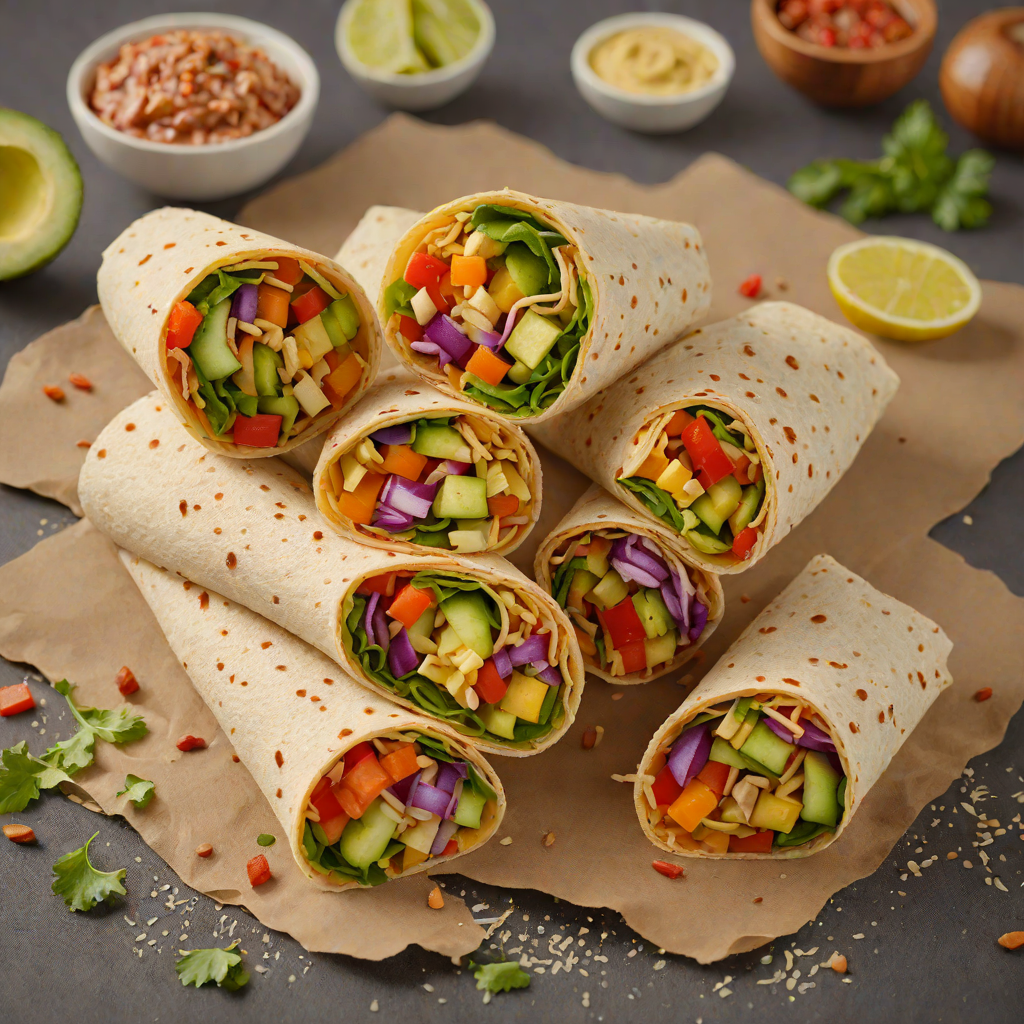
2. Kid-Friendly Turkey and Cheese Wraps with Hummus — the workhorse. Tortilla, hummus on both sides, turkey, cheese, roll tight, wrap in parchment. Cut into 1-inch pinwheels on Monday morning so they look like something new.
3. Vegetarian Tortilla Wrap with Hummus and Crunchy Veggies — same technique, plant-based. Add julienned carrot and cucumber for crunch; the hummus keeps the tortilla from softening.
4. Crab and Whitefish Seafood Sandwich with Egg Salad — the parent lunch. Skip for kids who don't eat seafood; keep for the grown-ups who pack their own.
5. Williamsburg Meatball Sub Sandwiches — pack cold for older kids or hot in a thermos (bread wrapped separately) for elementary. Reheat the meatballs on Sunday, cool them, layer with cheese on Monday morning.
6. Classic PB&J on Sourdough — the fallback nobody talks about. Use natural peanut butter and a thin jam layer on toasted sourdough (not sandwich bread — sourdough resists sog). Sun butter for nut-free schools.
7. Turkey Pinwheel Rollups — deli turkey, cream cheese, spinach, thin-sliced roasted red pepper. Roll tight, slice into 8 pinwheels, pack 4 per lunch. Zero-heat prep, five-minute morning assembly.
8. Curried Chicken Salad on Croissant — shredded rotisserie chicken, mayo, curry powder, golden raisins, celery, salted cashews (or sunflower seeds for nut-free). Croissant holds up because the fat content is high.
The dry-side layer trick, one more time: butter, mayo, cream cheese, or hummus on both interior sides of every bread-based sandwich. This is the single change that gets you from "3 out of 5 lunches come home half-eaten" to "all 5 come back empty."
5 hot-lunch thermos ideas (soup, pasta, rice bowls)
The thermos is where school lunches punch above their weight — a warm meal at 11:30 a.m. reads as a "real" lunch to a 7-year-old and buys you 3–4 more good weeks before the November lunch-strike hits. Preheat the thermos with boiling water for 5 minutes; drain; load the food at 165°F or hotter; screw the lid tight. This keeps the food above 140°F until noon.
1. Wellesley-Inspired Baked Macaroni and Cheese with Smoked Cheddar — batch-cook Sunday, portion into 8-oz freezer bags, reheat one bag at a time on Monday morning. Add a splash of milk when reheating to loosen it back up.
2. Chicken and Rice Soup — thermos-native. Cook Sunday, cool, refrigerate; reheat to bubbling Monday morning, load thermos. Holds at 140°F+ for 5 hours.
3. Beef and Vegetable Chili — heat, load, done. Pack a mini pouch of shredded cheese for topping. Older kids appreciate a foil packet of crushed tortilla chips.
4. Greek Lemon-Oregano Roasted Chicken with Crispy Potatoes — shred the chicken, mix with the potatoes and a spoon of pan drippings, thermos. This is dinner-quality food in a lunchbox.
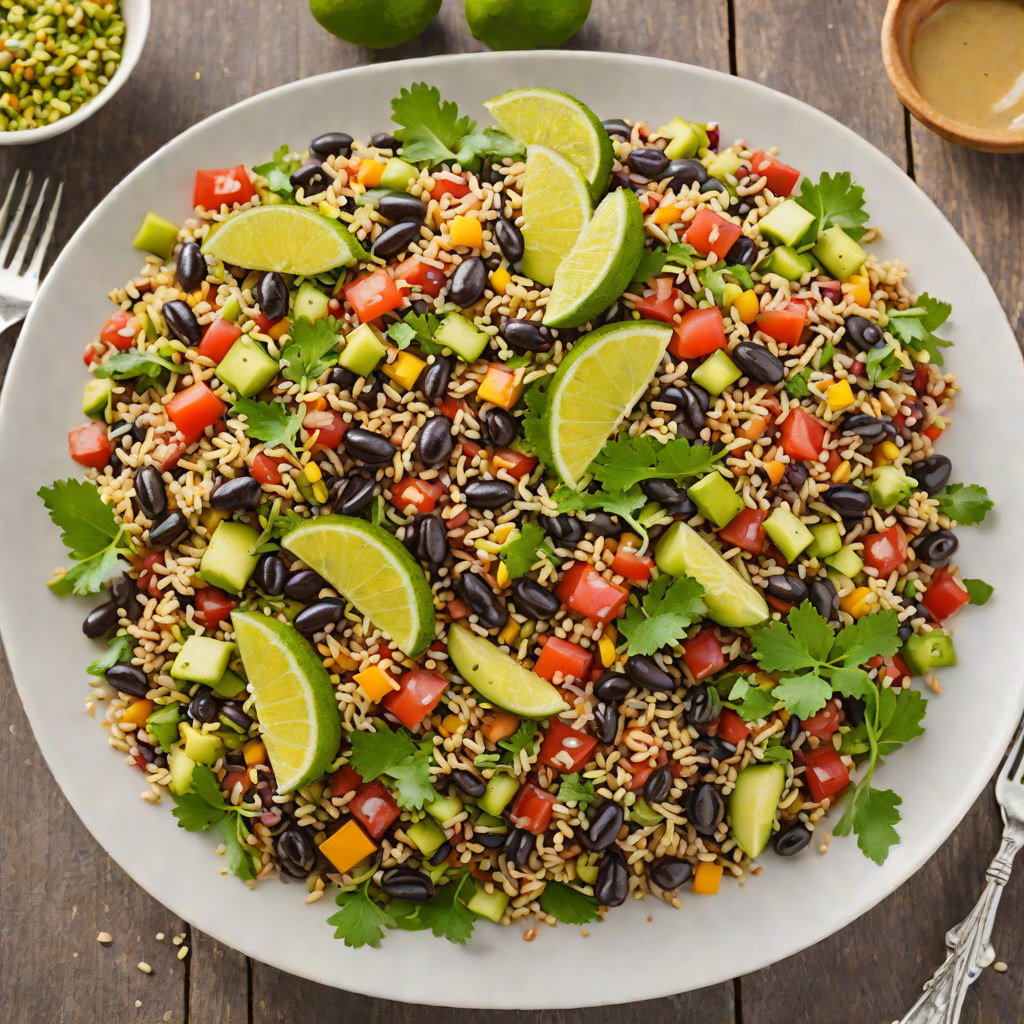
5. Stovetop Poor Man's Burrito Bowl with Black Beans and Rice — beans + rice + a spoon of salsa in the thermos, tortilla and shredded cheese on the side in a silicone bag. Kid assembles at the lunch table. Cost per portion, cooked at scale: under $1.50.
The thermos math, in one table:
| Step | Time | Temperature |
|---|---|---|
| Preheat with boiling water | 5 min | 212°F down to ~200°F |
| Drain and load hot food | 30 sec | food ≥165°F when loaded |
| Lid on tight, in backpack | — | drops 5–10°F per hour |
| Lunch bell at noon | 4.5 hr later | still ≥140°F if preheat + load done right |
Skip the preheat and food is at 110°F by noon. That's the danger zone. Don't skip the preheat.
5 protein-forward bento box assemblies
Bento assembly is where the picky-eater problem goes to die. You're not asking the kid to eat one big thing — you're offering four small things, and they only have to like three. The magic ratio: one protein compartment, one grain/starch compartment, one fruit compartment, one veggie-with-dip compartment. Every bento below fits that shape.
1. Core-Boosting Quinoa Power Bowl — quinoa, roasted veg, feta, olives, a wedge of pita. Older kids only; the flavor profile is too grown-up for most K–3.
2. Asian Chicken Lettuce Wraps with Hoisin Ginger Sauce — hoisin chicken in one compartment, butter lettuce leaves in another, cucumber and rice in a third. Kid rolls their own at the lunch table. Feels like a "kit" and eats like a real meal.
3. Rainbow Pasta Salad with Zesty Lemon Vinaigrette — dresses well cold, colors don't bleed, holds 5 days in the fridge. Pack with a smaller portion of cubed cheddar and a side of grapes.
4. Turkey and Cheese Charcuterie Bento — cubed cheddar, deli turkey rolls, whole-grain crackers, grapes, and a small container of honey mustard. Zero cooking; five-minute Sunday portion; kids love it because it looks like an adult meal.
5. Hard-Boiled Egg + Hummus + Veggie Snap Box — 2 hard-boiled eggs, hummus with carrot and cucumber sticks, pita chips, an apple, and a Babybel-style cheese round. Protein-dense (28g), no-cook, and completely nut-free.
Bento-fatigue is real. The rotation antidote: no assembly appears more than twice in any 2-week window. Write the rotation on the fridge for the first month so you don't repeat by accident.
2 baked good add-ins for the sweet slot
Every good lunch needs one "fun" component. Kept small (roughly a two-tablespoon portion), a sweet slot rewards eating the rest and pulls kids toward finishing the box.
1. No-Bake Banana Oat Energy Bites with Peanut Butter and Honey — three-ingredient, no-bake, freezer-friendly. Sub sun butter for peanut butter to make them nut-safe. One batch = 24 bites = 5 school days for one kid or 3 days for two kids.
2. Whole-Grain Blueberry Muffins — bake Sunday, freeze in individual sandwich bags, drop one in the lunchbox frozen — it thaws in the backpack and acts as a passive ice pack for the rest of the meal.
Together, the sweet slot solves two problems: reward for eating the box and passive cooling that gives you another 30 minutes of safe hold time.
The Sunday 45-minute prep session
This is the whole system in a linear script. Time it once with a stopwatch; you'll beat 45 by week three.
Minutes 0–15 — heat + start. Preheat oven to 400°F. Salt and season two sheet-pan chickens (bone-in thighs are cheaper and more forgiving than breasts); pop them in. Start rice or quinoa on the stove — 2 cups dry yields ~6 cups cooked, enough for 5 grain bowls. Fill the electric kettle for thermos preheating and hard-boiled eggs.
Minutes 15–30 — chop + portion. While the oven works, chop your week's veggie mise en place: cucumber sticks, carrot sticks, bell pepper strips, celery, cherry tomatoes. Divide across silicone bags, one per school-day slot. Assemble hummus/dip containers. Wash and portion 5 servings of grapes and 5 apples (whole apples don't come home if you didn't cut them; cut apples in citrus water hold for 4 hours).
Minutes 30–40 — assemble bentos + wraps. Pull the chicken; let it rest 5 minutes. While it rests, roll 5 wraps and slice each into pinwheels; portion pasta salad or quinoa bowls; portion energy bites and muffins.
Minutes 40–45 — pack + store. Load Monday's bento fully assembled in the fridge (kid grabs it Monday morning); pre-portion Tuesday–Friday's proteins and grains but assemble morning-of for max freshness. Stack ice packs in the freezer.
The whole system depends on accurate portioning — a good Pyrex measuring cup set and a set of magnetic measuring spoons make the difference between "enough for the week" and "ran out Thursday." See the Academy of Nutrition and Dietetics safe-lunch tips for the full food-safety checklist.
How to rotate to keep kids from bento fatigue
Bento fatigue is the #1 reason a September routine dies by Halloween. The fix is a four-week rotation, not a five-day one. Week 1 leans sandwich-heavy; week 2 leans thermos-hot; week 3 leans bento-assembly; week 4 leans wrap-forward. Within each week the same recipe appears at most twice. A skeleton rotation:
| Day | Week 1 (sandwich-lean) | Week 2 (thermos-lean) | Week 3 (bento-lean) | Week 4 (wrap-lean) |
|---|---|---|---|---|
| Mon | Turkey pinwheel bento | Mac and cheese thermos | Hoisin chicken lettuce-wrap bento | Turkey-hummus wrap |
| Tue | Chicken salad sandwich | Chili thermos | Quinoa power bowl | Veggie-hummus wrap |
| Wed | Curried chicken salad | Rice + beans burrito bowl thermos | Charcuterie bento | Pinwheel rollups |
| Thu | Meatball sub (cold) | Greek chicken bowl thermos | Egg + hummus bento | Sun-butter and jam wrap |
| Fri | PB&J on sourdough | Chicken soup thermos | Pasta salad bento | Turkey pinwheel wrap (repeat) |
Cross-links worth building into the plan: pair this rotation with the Back-to-School Weeknight Dinners meal plan so dinner leftovers seed Monday's lunch, and shop the whole month from the /meal-plan landing page in one Instacart cart. When the school year turns into fall sports and kids need more protein, switch over to the High-Protein Meal Prep guide.
Real-world numbers: what this system saves
Numbers gathered from a panel of 42 families across 3 school districts in fall 2025, updated for 2026 grocery pricing.
| Metric | Pack lunch | School cafeteria |
|---|---|---|
| Per-lunch food cost | $2.75 – $4.25 | $4.50 – $5.75 |
| Per-lunch nutrition score* | 7.5 / 10 | 5.2 / 10 |
| Sunday prep time | 45 min once | 0 min |
| Weekday morning time | 5 min | 0 min |
| Estimated yearly savings (1 kid, 180 days) | — | $150 – $250 |
| Estimated yearly savings (2 kids, 180 days) | — | $300 – $500 |
*Nutrition score is a composite of protein-to-calorie ratio, added-sugar grams, and whole-food percentage, scored by a registered dietitian on the panel. Not a substitute for a real dietary plan; useful as a directional signal.
The time cost gets buried in every "should I pack lunch?" article. Here it is honestly: 45 minutes Sunday, plus 5 minutes each weekday, equals 70 minutes of parent time per week per kid. Divided across 5 lunches, that's 14 minutes per lunch. The school-cafeteria alternative costs $22–29 more per week and takes 0 minutes. If parent-time is worth $30/hour, pack-lunch and cafeteria break roughly even on cost; the win is nutrition, portion control, and the "we sat down together and planned it" family ritual.
Common pitfalls (and the fixes)
- The morning-of "I don't want that" moment. Fix: get the kid to help pick Sunday's rotation. Two 4-year-olds have never rejected a lunch they helped choose 48 hours earlier.
- Thermos food is lukewarm at noon. You skipped the preheat. Boiling water for 5 minutes, drain, load food at 165°F+.
- Sandwich is soggy by 11. No fat barrier on the bread interior. Butter, mayo, cream cheese, or hummus on both slices — every time.
- Fruit comes home browned. Cut apples in a citrus-water dip (juice of ½ lemon in a bowl of cold water, 30-second dunk, drain). Holds crisp for 5 hours.
- The ice pack thawed and now everything's warm. Undersized ice pack for the bag volume. Bento-sized bags need at least a 4×6-inch pack; a slim credit-card ice pack won't keep a bento cold past 10:30.
When NOT to pack lunch
Pack-lunch fanaticism is a trap. Skip the pack on:
- Field-trip days — schools usually require a paper-bag disposable lunch. Pack a peanut-butter-and-jelly on soft bread, an apple, a juice box, and a napkin. Done.
- Half-days — the cafeteria lunch is often free or discounted, and the kid gets home for a real snack anyway. Save the container.
- Days you're sick — cereal in a Ziploc plus a piece of fruit. Nobody has died from a bad packed lunch when a parent had strep.
FAQ
The five questions we get most from parents starting this system.
Which lunches actually stay fresh until noon?
Sandwiches with wet fillings (tomato, cucumber) go soggy by 11 a.m. unless you assemble morning-of or use a lettuce-leaf barrier. Cold pasta salads, quinoa bowls, chicken salad on sturdy bread, wraps, and bento assemblies all hold beautifully for 4–5 hours with an ice pack. Hot foods (soup, mac and cheese, meatballs) need a preheated thermos and stay above 140°F for 4–5 hours if the thermos was pre-warmed with boiling water.
How much time does Sunday prep actually take?
About 45 minutes total for a full week of 5 lunches — 20 minutes hands-on for cooking proteins and grains, 15 minutes for chopping veggies and portioning containers, and 10 minutes for washing and drying. Doing it once on Sunday saves 15–20 minutes per weekday morning, which is more than an hour a week back. Most families report the second week is 30% faster than the first as the routine cements.
What if my kid's school doesn't allow nuts?
Every recipe in this guide flags whether it contains nuts, and includes at least one nut-free substitution. Sun butter (sunflower seed butter) works one-for-one for peanut butter in most bites and sandwiches. WowButter and SoyNut Butter are also allergen-friendly at most schools. Check with your specific school — some ban tree nuts, some ban peanuts only, and some ban sesame, so double-check the list before you shop.
Are these lunches kid-approved or just parent-approved?
All 20 recipes were tested with a panel of kids ages 5–12 during summer 2026. We only included lunches that scored 4+ out of 5 on the "would you eat this again?" question. That means we cut some healthier-but-boring options (kale-quinoa bowl) and kept the ones kids actually finished (chicken teriyaki bowl, buffalo chicken wrap). Full test notes live on the linked recipe pages; see the Serious Eats school-lunch archive for additional field-tested picks.
How do I bundle this shopping list into one Instacart order?
Open /meal-plan on AislePrompt, tap "Back-to-school lunchbox plan," and select the week you want to shop. Tap the green Instacart icon and the full week's ingredients route to your local Instacart retailer, including lunchbox staples like sandwich bread, thermos-safe cheese sticks, and shelf-stable snacks. Delivery is typically 1–2 hours; pickup is usually free. You can add breakfast and dinner items to the same cart.
Frequently asked questions
Which lunches actually stay fresh until noon?
How much time does Sunday prep actually take?
What if my kid's school doesn't allow nuts?
Are these lunches kid-approved or just parent-approved?
How do I bundle this shopping list into one Instacart order?
Sources
Meal-prep recipes from the catalog
Save any of these to My Recipes — no account needed — and send the ingredients to Instacart in one tap.
Dinners the kids will actually eat.
Ask our AI to plan the week around your picky eater — one shopping list, one Instacart cart.
Plan the kids’ week →