20 Pakistani Recipes: Biryani, Karahi, Haleem & Kebabs
Bhuna is the technique that separates a real Pakistani curry from a thin one. Learn it, stock eight whole spices, and 20 dishes open up.
Affiliate disclosure: AislePrompt may earn a commission on qualifying purchases made through Amazon and Instacart links in this article, at no additional cost to you. See our affiliate policy →
Pakistani cooking is not a regional variant of North Indian food — it is a meat-forward, wheat-based cuisine with its own techniques: the dry high-heat bhuna fry, the shallow karahi pan, and whole spices toasted in ghee rather than pre-ground masala. Here are 20 dishes a home cook can actually make, each linked to its recipe, from weeknight karahi to a five-dinner weeknight plan. Nihari, the overnight beef-shank stew, gets a technique note under the mains rather than a slot in the list: we don't have a nihari recipe on AislePrompt yet.
What you'll use with it
At high pressure the 2 hr 40 min haleem and the six-to-eight-hour nihari drop to roughly 75 to 90 minutes. The Instant Pot guide’s top pick is the 6-quart Duo, with an 8-quart pick for big batches. Read the Instant Pot guide →
Instant Pot guide’s top pick: Instant Pot Duo 7-in-1 (6-Quart) $79.00 at Amazon, Check price on Amazon →Instant Pot guide’s Best Non-Instant Pot Alternative pick: Midea 12-in-1 Electric Pressure Cooker (6-Quart) $80.99 at Amazon, Check price on Amazon →Instant Pot guide’s Best for Beginners pick: Instant Pot Rio (6-Quart) $109.99 at Amazon, Check price on Amazon →A karahi is functionally a wok, and a carbon steel wok is the closest common substitute for the karahi dinners here. The wok guide picks carbon steel woks, including flat-bottom ones for electric and induction hobs. Read the wok guide →
Wok guide’s top pick: YOSUKATA 13.5-inch Pre-Seasoned Flat-Bottom Carbon Steel Wok $62.99 at Amazon, Check price on Amazon →
Weeknight means 70 minutes or less of cooking time, with any marinade done that morning; the two weekend dishes need 1 hr 40 min or more.
Introduction: Pakistan's Distinct Kitchen (Not the Same as North Indian)
The overlap with North Indian food is real — Punjab straddles the border and shares a lot of vocabulary. But four structural differences separate Pakistani cooking, and they change how you cook, not just what you order.
Meat is the default, not the exception. Roughly 96% of Pakistan is Muslim, so beef and mutton appear where an Indian menu would offer paneer or dal. Nihari is beef shank. Haleem is beef and wheat. Chapli kebab is beef. This one fact reshapes the whole repertoire.
Wheat outranks rice. Roti, naan, and paratha are the everyday starch across most of the country; rice appears as biryani and pulao rather than as the base of every meal. That matters for meal planning — a Pakistani dinner is usually a thick curry plus bread, not a curry over rice.
Bhuna is the defining technique. Bhunai means frying the masala base — onion, ginger, garlic, tomato, spices — over medium-high heat, stirring, until the oil visibly separates and pools at the edges. It takes 10 to 15 minutes and it is not optional. Skipping it is why home curries taste raw and thin instead of deep and glossy. Almost every Pakistani dish begins here.
Less cream, more yogurt. Where a North Indian restaurant curry might finish with cream and cashew paste, Pakistani home cooking leans on whisked yogurt for tang and body. The result is sharper and lighter.
If you have cooked from our Indian weeknight dinners roundup you will recognize the spice cabinet. What changes is the ratio of meat to vegetable, the bread on the side, and the amount of time spent frying the base.
The Pakistani Pantry: Whole Spices, Ghee, Garam Masala vs Chaat Masala
Buy whole spices and toast them. Pre-ground spice loses most of its volatile aromatic oils within about four months of grinding, which is the single biggest quality gap between restaurant and home versions of these dishes.
Whole spices to stock: cumin seed, coriander seed, black peppercorn, green cardamom, black cardamom, cinnamon stick, cloves, bay leaf, fennel seed, and dried red chilies. Toast in a dry pan for 60 to 90 seconds until fragrant, then grind. A granite mortar and pestle works for small batches; a dedicated spice grinder or burr mill is faster if you cook this way weekly.
Garam masala vs chaat masala — these are not interchangeable and swapping them ruins dishes.
| Blend | Garam masala | Chaat masala |
|---|---|---|
| Composition | Warm spices: cinnamon, clove, cardamom, cumin, coriander | Amchur (dried mango), black salt, cumin, asafoetida |
| Flavor | Warm, sweet, aromatic | Sour, salty, sulfurous |
| When added | Last 2 minutes of cooking, or off heat | Sprinkled raw on finished food |
| Used in | Curries, biryani, kebab mixes | Salads, fried snacks, fruit, kebabs at the table |
Ghee is clarified butter with the milk solids removed, so it has a smoke point around 480°F versus butter's 350°F. That is what lets you fry a masala base hard without burning. Neutral oil works, but ghee is a real flavor contributor in biryani and nihari.
Ginger-garlic paste in a 1:1 ratio, blended with a splash of water, keeps two weeks refrigerated or three months frozen in an ice cube tray. Nearly every recipe below starts with a tablespoon of it, and making it in bulk once saves ten minutes per dinner.
Kasuri methi (dried fenugreek leaves), crushed between your palms and added in the last minute, is the note most people cannot identify in restaurant food and cannot reproduce at home. One bag lasts a year.
4 Iconic Mains, Plus Nihari: Chicken Biryani, Chicken Karahi, Haleem, Chapli Kebab
1. Saffron-Infused Chicken Biryani with Cucumber Raita — the centerpiece dish. Layered par-cooked basmati and marinated chicken, sealed and steamed (dum) so the rice absorbs the curry aroma without stirring. The critical detail is par-cooking the rice to about 70% before layering; fully cooked rice turns to mush during the dum.
2. Chicken karahi — tomato, ginger, green chili, and chicken cooked hard and fast in a shallow wok-shaped pan with no onion base and no water. It is the fastest of the five at under an hour. Cook the Peshawari Charsi Chicken Karahi, the Peshawar version: chicken fried in its own rendered fat and ghee with tomato, a fistful of julienned ginger and whole green chilies, no water and no yogurt.
3. Slow-Cooked Haleem with Spiced Lentils — wheat, lentils, and meat cooked down for hours and then pounded until the whole thing turns into a savory porridge with shredded strands of meat. It is one of the highest-protein dishes in any cuisine at roughly 30 grams a bowl.
4. Chapli Kebab Spiced Chicken Patties — the flat, coarse Peshawari patty studded with tomato, pomegranate seed, and coriander seed, shallow-fried in a wide pan. Peshawar makes it with beef; this recipe uses ground chicken thigh and keeps the pomegranate, coriander seed, and green chili. Spiced Lamb Keema with Peas and Basmati Rice uses the same ground-meat-and-whole-spice logic if you want the flavor without the frying.
Nihari (technique note) — beef shank simmered six to eight hours with a distinctive spice blend heavy on fennel and long pepper, thickened with a flour slurry, served at breakfast with ginger julienne and lemon. We don't have a nihari recipe on AislePrompt yet, so this is a technique note, not one of the 20: brown the shank hard, cover it with water and the spice blend, hold it at the barest simmer overnight, and stir in a toasted-flour slurry for the last half hour so the gravy turns glossy and thick. Use bone-in shank so the marrow melts into the gravy. Until we add a nihari recipe, the closest cooks in this list are the Slow-Cooked Haleem with Spiced Lentils, the same hours-long braise of meat, and the Simmered Kashmiri Mutton Yakhni, built on the same fennel-forward spice base.
5 Karahi & Handi One-Pan Dinners
A karahi is the pan — a deep, round-bottomed, two-handled bowl, functionally a wok — and also the dish cooked in it. A handi is the deeper clay or metal pot used for gentler, yogurt-based braises. Both mean one pan and one burner.
1. One-Pot Pakistani Chicken Curry with Yogurt and Aromatic Spices — 40 minutes, and the reference for the bhuna technique described above.
2. Achari Chicken with Pickling Spices — the handi style: the five whole pickling spices (nigella, fennel, fenugreek, mustard seed, cumin) fried in mustard oil heated to smoking, yogurt whisked in a spoonful at a time so it does not split, and amchur and malt vinegar at the end so the sauce tastes like achar.
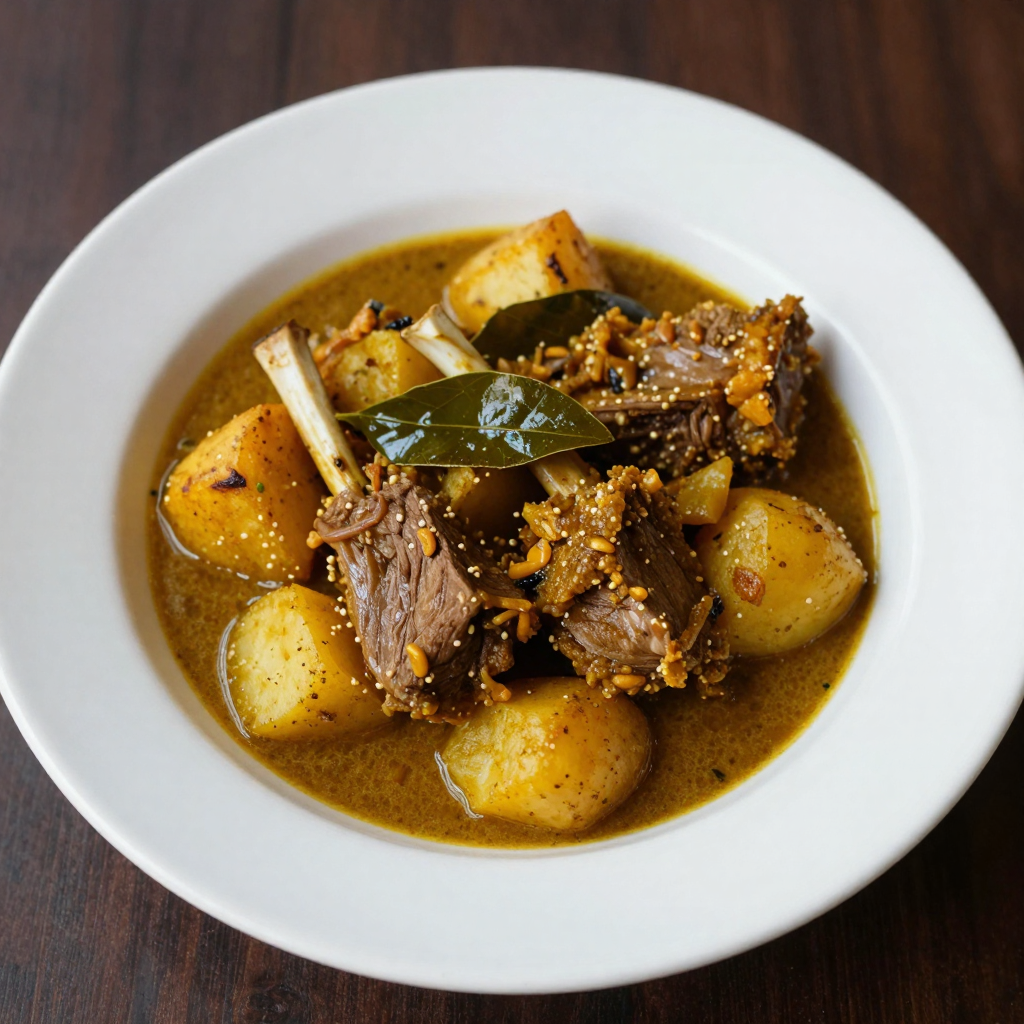
3. Simmered Kashmiri Mutton Yakhni with Yogurt and Aromatic Spices — white curry, no tomato and no chili powder, built entirely on fennel, cardamom, and yogurt. Completely different flavor axis from everything else here.
4. Pakistani-Inspired Tangy Lentil and Tomato Stew — the vegetarian one, and the cheapest dinner on this page at about $1.70 a serving.
5. Spiced Aloo Keema with Potatoes and Peas — aloo keema, everyday home-style mince: ground lamb or beef fried with onion, ginger-garlic paste, tomato and whole cumin, then simmered with diced potato and peas in the same pan. Serve it with roti or paratha.
Two more worth cooking: Slow-Cooked Lamb Curry with Garam Masala and Coconut Milk and Stewed Kid Goat Curry with Warm Spices — goat is the traditional meat for special-occasion curries and it is worth sourcing from a halal butcher.
A carbon steel wok is the closest common substitute for a karahi and costs about $40. For the long braises — nihari, haleem, goat curry — a multi-function pressure cooker cuts an eight-hour simmer to about 75 minutes at pressure with no meaningful quality loss.
3 Grill & Kebab Recipes (Seekh, Boti, Tandoori Chicken)
Pakistani kebabs split into two families: ground-meat kebabs shaped onto skewers (seekh, chapli) and marinated cubes (boti, tikka, bihari).
1. Grilled Lamb Sheekh Kebabs with Northern Indian Spices — the ground-meat skewer. The technique detail that matters: knead the meat for a full three to four minutes until it turns sticky and slightly pale. That protein extraction is what keeps it on the skewer instead of falling into the coals.
2. Tandoori-Spiced Grilled Lamb Kebabs with Mint Yogurt — cubed boti style, yogurt-marinated.
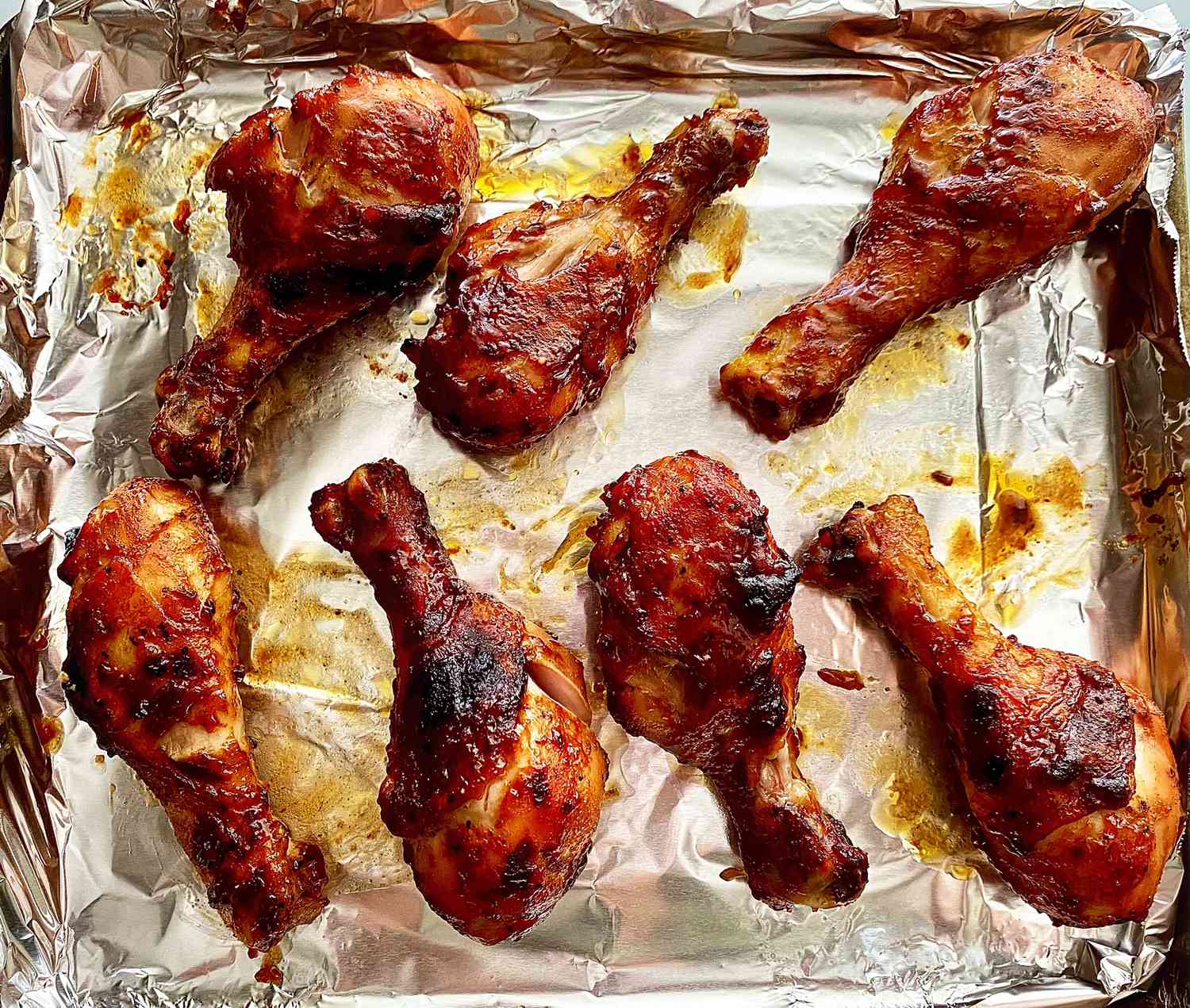
3. Tandoori-Spiced Chicken Thighs with Cilantro Mint Chutney — a two-stage marinade (salt and lemon first for 20 minutes, then yogurt and spice for four hours) penetrates far deeper than a single mix. Tandoori-Spiced Chicken with Cooling Yogurt Raita is the same dish served with raita, and the one the weeknight plan below uses.
Bihari kebab is the outlier worth knowing: beef sliced paper-thin against the grain, tenderized with raw papaya paste, marinated in fried onion and mustard oil, then grilled fast. The papaya enzyme does in four hours what a mechanical tenderizer cannot do at all.
Flat metal grill skewers matter more than they sound — round skewers let the meat spin when you flip it, so one side chars and the other stays raw.
4 Sides & Chutneys (Raita, Onion Salad, Naan, Roti)
The sides are not optional garnish here. A Pakistani plate is deliberately built around contrast: a rich, fatty, spiced main against something cold, sour, and raw.
1. Cucumber and Yogurt Raita — whole-milk yogurt whisked smooth with grated cucumber, salt, and toasted cumin. It is the temperature and acidity counterweight to everything on the plate. The version served with Saffron-Infused Chicken Biryani is the standard.
2. Tangy Kachumber Salad with Fresh Lime and Coriander — chopped onion, tomato, and cucumber with green chili, coriander leaves, lime juice, and roasted cumin. Ten minutes. Soak the onion in ice water for 10 minutes first if raw onion is too aggressive for your table.
3. Punjabi-Style Aloo Paratha with Yogurt Raita — stuffed griddled flatbread, and a full meal on its own with yogurt and pickle. Spiced Potato Paratha with Cumin and Coriander is the simpler version.
4. Classic Chana Masala with Cumin — the chickpea side that stretches a small amount of meat across more people. Authentic Punjabi Chana Masala with Fresh Ginger is the sharper, ginger-forward take.
Saffron Lamb Basmati Rice Pilaf is the meat pulao: lamb shoulder browned in ghee with onion, ginger, and ground spices, then cooked with the rice in stock, yogurt, and saffron in one covered pot. For a vegetarian pulao alongside a curry, Vegetable Yakhni Pulao with Saffron and Whole Spices and Saffron-Infused Kashmiri Vegetable Pulao with Nuts and Raisins both work — pulao is cooked in one step in seasoned stock, which makes it far easier than biryani.
Naan at home: you need heat, not a tandoor. Preheat a cast iron skillet or pizza steel for 10 minutes at maximum, slap the stretched dough on dry, and cover for 60 seconds. It puffs. A yogurt-enriched dough browns better than a plain one.
3 Sweets (Kheer, Gajar Halwa, Zarda)
1. Sweet Rice Kheer with Cardamom and Saffron — rice pudding simmered down slowly with cardamom, saffron, and pistachio. The only technique note is patience: 45 minutes of low simmer and frequent stirring, no shortcuts. White Marble Kheer with Saffron and Cardamom is the richer version.
2. Cardamom-Scented Gajar Halwa — grated carrots cooked down in ghee, then simmered with milk, sugar, and cardamom until the mixture pulls away from the sides of the pot. It is a winter staple in Pakistani Punjab. The only technique is heat control: keep it at medium-low and stir through the last 10 minutes so the milk thickens without scorching on the bottom.
3. Microwave Mug Mughal Pistachio Cardamom Halwa — the five-minute version of a semolina-and-ghee sweet that traditionally takes 40. Genuinely good, and a reasonable weeknight dessert.
Zarda — sweet saffron-yellow rice with nuts, raisins, and candied peel — is the wedding dessert. It is essentially a sweet pulao, so if you can cook pulao you can cook zarda.
Weeknight Meal Plan: 5 Pakistani Dinners That Share a Grocery Trip
Every dinner below starts from the same base — onion, ginger-garlic paste, tomato, and toasted whole spices — so the prep compounds across the week.
| Night | Dish | Active time | Shares with |
|---|---|---|---|
| Monday | Pakistani Chicken Curry with Yogurt | 25 min | Ginger-garlic, yogurt, tomato |
| Tuesday | Tandoori-Spiced Chicken with Raita | 15 min | Yogurt, spice blend |
| Wednesday | Classic Chana Masala with Cumin | 20 min | Onion-tomato base |
| Thursday | Achari Chicken with Pickling Spices | 30 min | Yogurt, whole spices |
| Friday | Saffron-Infused Chicken Biryani | 45 min | Basmati, saffron, raita |
Chicken carries four of the five nights and chickpeas the fifth, so the week runs about $66 for four people as of August 2026, roughly $3.30 per person per meal. Make Thursday's achari with lamb shoulder instead and the week rises to about $82.
Batch strategy: blend a full cup of ginger-garlic paste on Sunday and freeze it in an ice cube tray. Toast and grind a double batch of whole spices at the same time. That is 20 minutes on Sunday that removes 10 minutes from each of the five dinners.
Common pitfalls
- Skipping the bhuna. If the oil has not separated and pooled at the edge of the pan, the masala is not done. Ten to fifteen minutes, medium-high, stirring.
- Adding cold yogurt to a hot pan. It curdles instantly. Whisk it smooth, take the pan off the heat, temper a spoonful of hot liquid into the yogurt first, then stir it in.
- Fully cooking the rice before layering biryani. Par-cook to about 70% — the grain should still have a firm core. It finishes during the dum steam.
- Using pre-ground garam masala early in the cook. Its aromatics are volatile and boil off. Add it in the last two minutes, or off the heat.
- Under-kneading seekh kebab meat. Three to four minutes until it turns sticky. Otherwise it slides off the skewer into the fire.
- Confusing chaat masala with garam masala. One is sour and sprinkled raw at the end; the other is warm and cooked in. They are not substitutes in either direction.
When NOT to cook Pakistani
If your household is largely vegetarian, this is a cuisine you will be cooking against the grain of — dal, chana, and the vegetable pulaos are excellent, but you will be working from maybe a quarter of the repertoire. South Indian cooking is a much better fit, and our South Indian roundup covers it. Likewise, if you need dinner in under 20 minutes with no prep, the bhuna step alone takes 15 — cook the tandoori chicken and the chana masala on those nights and save the karahi and biryani for when you have the time.
Sources
- Pakistani cuisine — overview — regional and cultural context beyond the Punjab overlap with North Indian cooking.
- Nihari — origin of the overnight shank stew and why the marrow and slow simmer are non-negotiable.
- Haleem — the wheat, barley and lentil base behind the porridge texture, and its Ramadan role.
- Chapli kebab — the Peshawari flat kebab, its cornmeal binder and pomegranate seeds.
- Garam masala vs chaat masala — composition of the souring blend that the pantry table contrasts with garam masala.
- NYT Cooking — Pakistani tag — tested American-kitchen adaptations of karahi, biryani and kebabs.
Related in this cluster: 22 Indian weeknight dinners covers the shared Punjabi ground, 22 South Indian recipes covers the rice-and-lentil half of the subcontinent, and 18 Sri Lankan recipes covers the coconut-forward island tradition, and 20 Persian recipes covers the rice-and-kebab tradition Pakistani biryani and pulao borrow from.
Frequently asked questions
How is Pakistani food different from Indian food?
What is bhuna and why does it matter so much?
Do I need a karahi, or will a regular pan work?
Can I make nihari or haleem without simmering for eight hours?
Is Pakistani food spicier than Indian food?
What is the difference between biryani and pulao?
Recipes to start your week with
Save any of these to My Recipes — no account needed — and send the ingredients to Instacart in one tap.