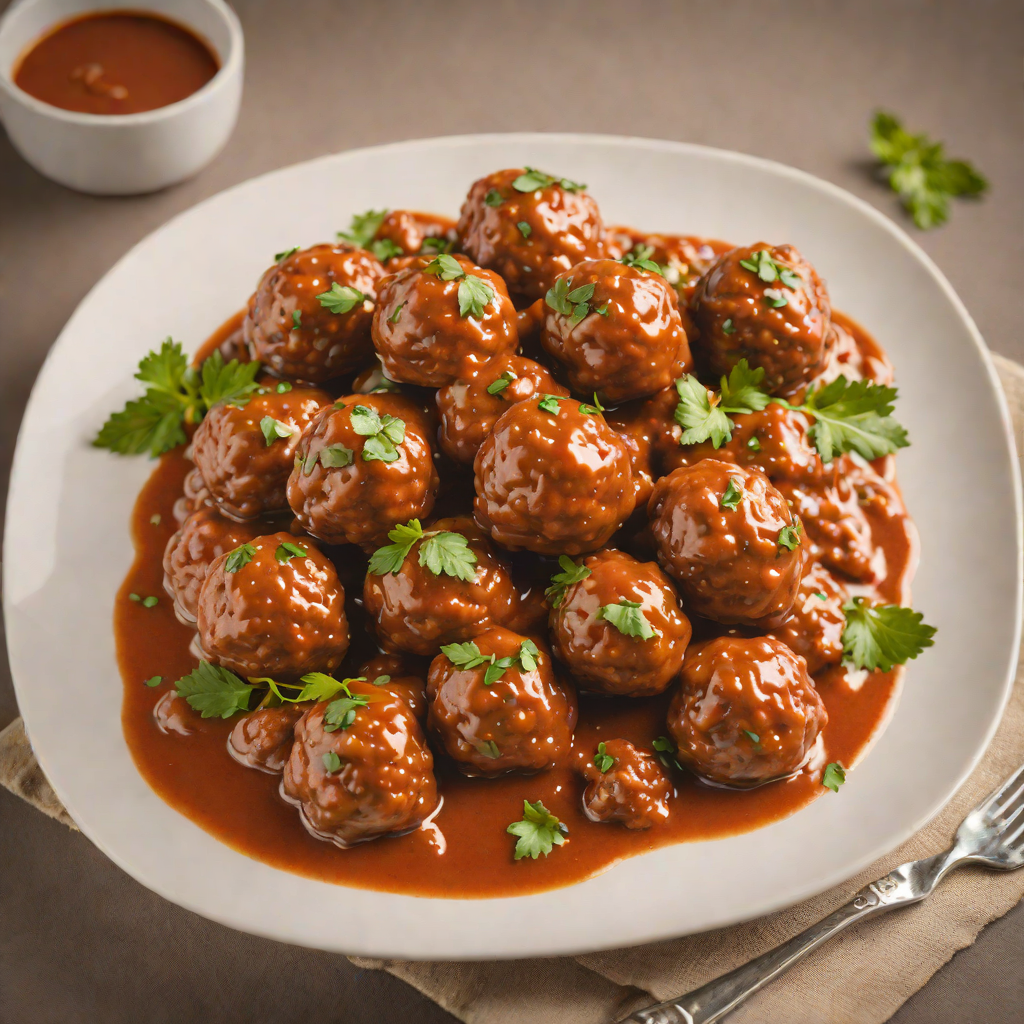
22 Meatball Recipes: Italian, Swedish, Asian & Weeknight Classics
One base recipe, a milk-soaked panade, and six sauces — batch-cook once and eat meatballs four different ways all month.
The easiest weeknight meatball recipes share one formula: 80/20 ground meat, a milk-soaked bread panade, one egg per pound, and a 400°F oven for 18–20 minutes. That base takes 15 minutes of hands-on work and branches into Italian, Swedish, Vietnamese, Greek, or Korean dinners with nothing but a sauce swap.
Get a free week of one-pan dinners
Seven one-pan and sheet-pan dinners, one shopping list, one Instacart cart. Sent Sunday, no account needed.
No spam, unsubscribe in one click. Recipes, shopping lists and Instacart carts all work without an account either way.
Why meatballs are the ultimate freezer-friendly weeknight protein
A meatball is a protein delivery system that survives freezing better than almost anything else you cook. Ground meat rolled into a 1.5-inch sphere has a favorable surface-to-volume ratio — it freezes solid in about 90 minutes on a sheet pan, thaws in the fridge overnight, and reheats in sauce without the dry, stringy texture that ruins a reheated chicken breast.
The math is what sells it. One 3-pound batch yields roughly 45 meatballs at 1 ounce each. That is six dinners for a family of four, or twelve lunches. Hands-on time for the batch is about 35 minutes; per-dinner, that works out to under 6 minutes of active labor. Compare that to browning ground beef fresh five nights in a row and you have recovered roughly two hours of your week.
They also solve the picky-eater problem better than most weeknight proteins. The same base meatball goes into marinara for one kid, sweet-and-sour glaze for another, and a lemony yogurt sauce for the adults — one cook, three dinners, zero negotiation.
As of 2026, ground beef averages $5.60/lb, ground turkey $4.20/lb, and ground pork $4.10/lb at national chains. A 50/50 beef-and-pork batch with a bread panade runs about $1.90 per serving of protein — cheaper than chicken thighs and dramatically cheaper than steak.
The meatball formula — meat, panade, binder, fat, salt
Every good meatball on earth is a ratio problem. Get these five components right and the cuisine is just seasoning.
| Component | Per 1 lb ground meat | Why it matters |
|---|---|---|
| Ground meat | 16 oz (aim 15–20% fat) | Under 15% fat and the ball goes dry and crumbly |
| Panade (bread + dairy) | 1/2 cup torn bread + 1/3 cup milk | Starch traps moisture; the single biggest juiciness lever |
| Egg | 1 large | Binder — two eggs per pound makes it spongy |
| Salt | 1 tsp kosher (about 6 g) | 0.9–1.2% by weight is the professional range |
| Aromatics | 2 cloves garlic + 1/4 cup herbs | Flavor, and moisture from the alliums |
The panade is non-negotiable. Tear two slices of stale white bread (crusts on is fine), soak in milk for five minutes, and mash to a paste before it goes into the meat. Breadcrumbs straight from the can do the opposite job — dry crumbs absorb moisture from the meat instead of donating it. Serious Eats — Meatball Recipes has run this test repeatedly, and the milk-bread version wins on texture every time.
Mix with your hands, and stop early. Overworking develops myosin, the protein that makes sausage springy. Fifteen to twenty seconds of gentle folding is enough. If the mixture looks smooth and tacky like sausage, you have gone too far.
Test-fry one before rolling the batch. Take a teaspoon of the mix, flatten it, and pan-fry 60 seconds a side. Taste it. Adjust the salt now, because you cannot fix a 45-ball batch after the fact.
Cooking method comparison
| Method | Temp / time | Texture | Best for |
|---|---|---|---|
| Oven, sheet pan | 400°F, 18–20 min | Even, light crust | Batch cooking 3+ lbs |
| Pan-fry, cast iron | Medium-high, 8–10 min | Deepest browning | 1 lb, when you want fond for sauce |
| Simmer in sauce | 25–30 min at a bare simmer | Softest, most tender | Sunday gravy, meatball subs |
| Air fryer | 380°F, 11–13 min | Crisp exterior, fast | 1 lb or less, weeknight speed |
| Slow cooker | Low 4 hours | Very soft, sauce-forward | Party trays, cocktail meatballs |
Baking wins for volume. A half-sheet pan holds about 24 meatballs without crowding; two pans on separate racks handles 3 pounds in one 20-minute cycle. Rotate the pans at the halfway mark. A good heavy-gauge pan from our Bakeware picks warps far less than a thin store-brand sheet at 400°F, which matters when you are doing this weekly.
Italian & Mediterranean
This is the canonical category and the one most people want first. The classic is 50/50 beef and pork, a milk panade, grated Parmesan, parsley, and garlic — then a long simmer in tomato sauce so the balls give flavor to the gravy and take back moisture.
Start with Classic Italian Meatballs with Tomato Gravy, which is the template every other Italian variation modifies. If you want the version that eats like a casserole, Chicken Parmesan Meatball Bake with Mozzarella turns the same idea into a one-dish bake with a browned cheese cap — it is the highest-rated recipe in this roundup at 4.7 stars.
For pasta night, Baked Meatball Pasta with Tomato Basil Sauce and Deep-Dish Style Chicago Meatball Pasta Bake both assemble ahead and go into the oven cold, which is exactly what you want at 6 p.m. on a Tuesday. For sandwiches, Classic Italian-American Meatball Subs is the deli-counter version — toast the roll under the broiler for 90 seconds first or the bread turns to paste.
Greek meatballs — keftedes — swap the Parmesan for oregano, mint, and a splash of red wine vinegar in the panade. Pan-Fried Greek Keftedes with Fresh Mint and Herbs is the traditional pan-fried version. If you would rather not stand at the stove, Baked Greek-Style Lamb Meatballs with Tzatziki and Baked Lemon-Oregano Greek Lamb Meatballs get you there hands-off. For a vegetarian-friendly table, Baked Cheesy Veggie-Stuffed Meatballs stretches the meat with grated zucchini and carrot and still holds together.
Swedish, German, and Northern European
Swedish meatballs are the outlier: they use allspice and nutmeg, they are usually smaller (about 3/4 inch), and the sauce is a cream gravy rather than tomato. Swedish Meatballs with Lingonberry Sauce is the full version. The two moves that separate a good one from a mediocre one are grating the onion rather than dicing it — you want the juice, not the chunks — and finishing the gravy with a spoonful of the lingonberry preserve so the sauce reads sweet-tart against the allspice.
Northern European meatballs generally want a softer texture than Italian ones, which means a wetter panade (use cream instead of milk) and a gentler cook. Simmer, do not sear hard. If you are serving over egg noodles or mashed potatoes, undercook the balls slightly in the pan and let them finish in the gravy for five minutes.
Asian meatballs
This is the most underused category in American home kitchens and the one that most rewards a weeknight. The formula shifts: ground pork replaces beef, fish sauce or soy replaces the salt, and the aromatics get louder.
Vietnamese-Inspired Lemongrass Pork Meatballs with Nuoc Cham is the best entry point — lemongrass, shallot, fish sauce, and a dipping sauce that makes the whole plate. Serve over rice vermicelli with cucumber and herbs and it eats like a restaurant bun bowl for about $3.50 a serving.
Shanghai-Style Sweet Soy Glazed Lion's Head Meatballs go the opposite direction: oversized (3–4 inches), braised in soy and rock sugar until they are almost custardy, traditionally nested in napa cabbage. Plan 60–75 minutes; this is a Sunday recipe, not a Tuesday one.
For weeknight speed, Baked Korean-Style Beef Bulgogi Meatballs take the bulgogi marinade — soy, brown sugar, sesame oil, grated pear, garlic — and fold it directly into the meat. Sweet Chili Turkey Meatballs with Herb Yogurt Dip is the version kids reliably eat. And two more that turn meatballs into a full meal: Banh Mi-Style Pork Meatball Sandwich with Pickled Vegetables and Slow Cooker Asian Wedding Soup with Pork Meatballs and Potstickers.
Middle Eastern & North African
Kofta is the family name here — usually lamb or a lamb-beef blend, heavy on cumin, coriander, and fresh herbs, often shaped around a skewer rather than rolled into a sphere.
Spiced Lamb Kofta with Tzatziki and Grilled Beef Kofta with Cumin and Coriander are the grill versions; both want a very hot grate and a short cook — 3 minutes a side, no more. For the North African end of the spectrum, Moroccan-Spiced Lamb Meatballs with Harissa Yogurt Sauce and Harissa-Spiced Lamb Meatballs with Yogurt-Dill Sauce lean on harissa, preserved lemon, and mint. Lamb runs about 22% fat, so skip the extra oil in the pan.
One technique note: kofta mixtures benefit from a 30-minute rest in the fridge before shaping. The salt has time to dissolve and grab the proteins, which is what keeps the meat from sliding off the skewer on the grill.
Turkey & chicken, lightened up
Lean poultry is where most meatballs go wrong, because 93/7 ground turkey has less than half the fat of 80/20 beef. Three fixes, in order of impact:
1. Double the panade. Use 3/4 cup bread and 1/2 cup milk per pound.
2. Add fat back deliberately. One tablespoon of olive oil or 2 tablespoons of ricotta per pound restores mouthfeel without much calorie cost.
3. Pull them earlier. 165°F is the food-safe target for poultry, and lean meat goes from juicy to chalky in about 8°F. Use an instant-read thermometer from our Kitchen Gadgets picks rather than guessing.
The lineup: Air Fryer Turkey Meatballs with Sweet Potato Fries is a complete 25-minute dinner. Soft Turkey Meatballs in Mild Tomato Sauce and Classic Turkey Meatball and Marinara Pasta Bake are the family-dinner workhorses. Oven-Baked Chicken Meatballs with Italian Herbs and Baked Chicken Meatballs with Zucchini Noodles keep the carbs low; Zucchini Noodle Turkey Meatballs and Herb-Roasted Turkey Meatballs with Sweet Potato round out the meal-prep rotation. For soup nights, Pork Ginger Meatball Soup and Tomato and Herb Meatball Soup both freeze well in quart containers.
Protein math, for anyone tracking it: a 4-ounce serving of turkey meatballs (four 1-oz balls) delivers roughly 28–31 g protein at 210–240 calories, depending on how much bread is in the panade.
Real-world numbers: what a batch actually costs and yields
| Batch | Meat cost | Yield (1 oz balls) | Servings | Cost/serving |
|---|---|---|---|---|
| 3 lb beef+pork 50/50 | $14.55 | ~45 | 11 | $1.63 |
| 3 lb ground turkey | $12.60 | ~45 | 11 | $1.41 |
| 2 lb lamb (kofta) | $17.80 | ~30 | 7 | $2.90 |
| 3 lb chicken thigh, ground | $10.50 | ~45 | 11 | $1.24 |
Add roughly $0.90 per batch for bread, egg, and aromatics. Prices reflect national grocery averages as of mid-2026 and will run 15–25% higher in coastal metros.
Timing for a 3-pound batch, start to freezer: 12 minutes mixing, 14 minutes rolling, 20 minutes baking, 90 minutes flash-freeze, 5 minutes bagging. Total wall-clock about 2.5 hours, of which 31 minutes is hands-on.
Common pitfalls
Crumbly meatballs that fall apart in sauce. Almost always too little binder or too little fat. Add an egg, or switch from 93/7 to 85/15. Chilling the shaped balls for 20 minutes before cooking also helps them hold.
Dense, rubbery texture. You overmixed. Fold with your fingertips, not your palms, and stop the moment the panade disappears.
Meatballs that steam instead of brown in the oven. Crowding. Leave at least half an inch between balls; use two pans rather than one packed pan. Wet meat also steams — pat the surface dry before it goes in.
Uneven sizes cooking at different rates. Use a 1-ounce (#40) scoop. Hand-rolled balls in a 3-pound batch routinely vary 40% by weight, which means some are dry when others are underdone.
Bland interior, seasoned exterior. Salt goes in the mix, not on the surface. And salt the panade milk too — it carries seasoning into the center.
Freezer burn after three weeks. Flash-freeze on a sheet pan first, then transfer to a zip bag with the air pressed out, or vacuum-seal. Loose balls dumped straight into a bag freeze into one clump and ice over. Good Storage & Containers make a real difference here.
When NOT to make meatballs
Skip them when you need dinner in under 20 minutes with no prep done — rolling 24 balls takes 12–14 minutes no matter how efficient you are. Loose ground-meat dishes (bolognese, taco filling, larb) get you the same protein in half the time.
Skip them for very lean game meat like venison or bison under 5% fat unless you are adding pork fat back in; there is not enough fat to carry a panade.
And skip the slow cooker if you want any browning at all. Slow-cooker meatballs are soft and sauce-forward by design — great for a party tray, wrong for a plate where texture matters.
Curated recipe cards — 22 meatball recipes from our catalog
Every recipe below is in the AislePrompt catalog with a full ingredient list you can push straight to a shopping list. Grouped by how you will actually cook them.
Weeknight, under 40 minutes
- Air Fryer Turkey Meatballs with Sweet Potato Fries — complete dinner, one appliance
- Oven-Baked Chicken Meatballs with Italian Herbs — the plainest, most-repeatable base
- Sweet Chili Turkey Meatballs with Herb Yogurt Dip — kid-safe heat level
- Baked Korean-Style Beef Bulgogi Meatballs — marinade folded into the meat, no marinating time
- Pan-Fried Greek Keftedes with Fresh Mint and Herbs — 10 minutes in a skillet
Sunday cook, eat all week
- Classic Italian Meatballs with Tomato Gravy — double it and freeze half
- Swedish Meatballs with Lingonberry Sauce — gravy reheats better than you expect
- Shanghai-Style Sweet Soy Glazed Lion's Head Meatballs — 75-minute braise, worth the afternoon
- Oven-Baked Lamb Meatballs with Tomato-Herb Sauce — makes its own sauce on the sheet pan
- Moroccan-Spiced Lamb Meatballs with Harissa Yogurt Sauce — spice blend scales to 6 lbs cleanly
Sandwiches, sliders, and party food
- Classic Italian-American Meatball Subs
- Banh Mi-Style Pork Meatball Sandwich with Pickled Vegetables
- Mini Cheesy Turkey Meatball Sliders
- Maple-Glazed Turkey Meatballs with Wisconsin Cranberry Sauce — the holiday-tray recipe
- Spiced Lamb Kofta with Tzatziki
Pasta bakes and casseroles
- Chicken Parmesan Meatball Bake with Mozzarella
- Baked Meatball Pasta with Tomato Basil Sauce
- Deep-Dish Style Chicago Meatball Pasta Bake
- Classic Turkey Meatball and Marinara Pasta Bake
Soups and bowls
- Pork Ginger Meatball Soup
- Slow Cooker Asian Wedding Soup with Pork Meatballs and Potstickers
- Vietnamese-Inspired Lemongrass Pork Meatballs with Nuoc Cham
Sauce pairings — one base, six dinners
The reason to batch-cook a neutral meatball is that the sauce does the work of making it feel like a different meal. These six all come together in under 10 minutes while the meatballs reheat.
| Sauce | Build | Goes with |
|---|---|---|
| Quick marinara | Canned crushed tomato, garlic, olive oil, basil, 8 min | Italian, chicken, turkey |
| Cream gravy | Butter, flour, beef stock, splash of cream, allspice | Swedish, German |
| Nuoc cham | Fish sauce, lime, sugar, water, chili, garlic | Vietnamese pork, lemongrass |
| Gochujang glaze | Gochujang, honey, rice vinegar, sesame oil | Korean beef, turkey |
| Lemon-herb yogurt | Greek yogurt, lemon, dill, garlic, olive oil | Lamb, kofta, Greek |
| Sweet-and-sour | Ketchup, grape jelly or apricot jam, vinegar | Party trays, slow cooker |
Keep two of these in the fridge at a time and a batch of frozen meatballs stops feeling repetitive by Wednesday.
Batch-cook plan: 6 pounds = 4 weeks of dinners
Buy 3 lb of 80/20 beef, 1.5 lb ground pork, and 1.5 lb ground turkey. Make three separate 2-pound batches with different seasoning bases — Italian, Asian, and Middle Eastern — so you are not eating the same dinner four times.
| Week | Base | Dinner | Reheat method |
|---|---|---|---|
| 1 | Italian | Meatball subs + salad | Simmer in marinara 12 min |
| 2 | Asian | Rice bowls with cucumber + herbs | Air fryer 380°F, 8 min from frozen |
| 3 | Middle Eastern | Kofta with rice pilaf + yogurt | Oven 350°F, 15 min covered |
| 4 | Italian | Baked pasta with mozzarella | Assemble frozen, bake 45 min |
Total active cooking time across the month: about 90 minutes. Each weeknight dinner is then 15–20 minutes of mostly unattended reheating.
Store cooked meatballs up to 4 days in the fridge and 3 months in the freezer. Raw shaped meatballs freeze equally well and cook straight from frozen — just add 6–8 minutes to the oven time. A heavy skillet from our Cookware picks and a decent scoop and spatula from Utensils & Tools are the only equipment this whole system needs.
For more technique depth, NYT Cooking — Meatball Recipes has a strong archive of regional variations, and Bon Appétit — Perfect Meatballs walks through the panade ratio in detail.
FAQ
What's the ideal meat blend for the juiciest meatballs?
For Italian-style, use a 60/40 blend of 80% lean ground beef and ground pork — the pork adds fat and sweetness that beef alone lacks. For Middle Eastern kofta or Greek keftedes, use ground lamb or a 70/30 lamb-beef blend. For lighter Asian and turkey meatballs, add a tablespoon of neutral oil or grated onion per pound to compensate for the low fat. Avoid using anything leaner than 85/15 for classic marinara meatballs — they'll be dry no matter what technique you use.
What is a panade and do I really need one?
A panade is a paste of bread and milk (or yogurt, or buttermilk) folded into ground meat before shaping. It's the single biggest factor separating tender meatballs from dense hockey pucks. The starch in the bread traps moisture during cooking, and the fat in the dairy adds richness. Ratio: 1/2 cup fresh breadcrumbs + 1/4 cup milk per pound of meat, mashed to a paste and rested 5 minutes before mixing in. Skip the panade and your meatballs will be 30% denser.
Should I bake, pan-fry, or simmer meatballs directly in sauce?
Depends on texture goal. Baking at 425°F for 15–18 minutes gives you an even brown crust with less mess — best for batch cooking. Pan-frying gets the deepest crust and richest fond, worth it for a special dinner. Simmering raw meatballs directly in sauce (the Italian grandma method) yields the most tender interior but no crust — perfect for meatball subs or when you want the sauce to taste of meat. Air-fryer at 380°F for 10 minutes is a great weeknight compromise.
Can I freeze meatballs, and how do I reheat without drying them out?
Meatballs freeze beautifully — freeze them raw on a sheet pan, then transfer to a zip-top bag for up to 3 months, or freeze fully cooked in sauce (best for reheat quality). To reheat cooked meatballs, simmer gently in sauce over medium-low for 15–20 minutes, or microwave with a splash of water at 50% power. To cook from frozen raw: bake at 400°F for 25 minutes, or drop directly into simmering sauce for 20 minutes. Never thaw in the microwave — it toughens the exterior.
Are meatballs a good high-protein meal prep option?
Yes — turkey or chicken meatballs deliver 28–34 grams of protein per 5-meatball serving with 350–450 calories, which is one of the best macro profiles for portable meal-prep protein. Pair with 1 cup cooked quinoa, brown rice, or orzo and a cup of roasted vegetables and you have a complete 500-calorie, 40g-protein lunch. Sauce them one of two ways per week (marinara Monday, gochujang Wednesday) so you don't get bored. AislePrompt's shopping list can scale the whole build to 5, 10, or 15 servings automatically.
Related guides
- Freezer-Friendly Meal Prep: 20 Recipes to Batch Cook and Freeze
- 20 Ground Beef Dinners: Cheap, Fast Weeknight Meals
- 22 One-Pot Pasta Dinners in 30 Minutes
- 22 Weeknight Casserole Recipes
- 25 Mediterranean Weeknight Dinners
Frequently asked questions
What's the ideal meat blend for the juiciest meatballs?
What is a panade and do I really need one?
Should I bake, pan-fry, or simmer meatballs directly in sauce?
Can I freeze meatballs, and how do I reheat without drying them out?
Are meatballs a good high-protein meal prep option?
Sources
One pan, one shopping list, one tap.
Ask our AI for one-pan weeknight dinners — it totals the ingredients and sends the cart to Instacart.
Get one-pan dinners →