20 Spicy Weeknight Dinners: Sriracha, Harissa & Gochujang Heat
Five chile pastes, four heat traditions, twenty dinners under 45 minutes — plus the Scoville tiers and the dairy trick that walks any of them back.
Spicy weeknight dinners work when the heat carries flavor, not just burn. Pick one of five chile pastes — sriracha, sambal oelek, gochujang, harissa, or chile crisp — build a 30-to-40-minute dinner around it, and rotate the paste rather than the recipe. The twenty dinners below cover four heat traditions so Monday and Thursday never taste the same.
Get a free week of easy dinners
Seven weeknight dinners with the shopping list already totalled, sent Sunday. No account needed, unsubscribe in one click.
No spam, unsubscribe in one click. Recipes, shopping lists and Instacart carts all work without an account either way.
That rotation is the whole trick, and it is the reason this guide is organized by sauce and region rather than by chile. If you want the chile-by-chile primer — jalapeño vs serrano vs chipotle vs gochugaru vs Thai bird, plus how to build heat from whole peppers — read 22 Spicy Dinner Recipes: Heat-Lover Meals for Weeknights first. This article picks up where that one stops: you already own the jar, now what do you cook on a Tuesday.
What heat actually does — and why one-note spicy gets boring by Wednesday
Capsaicin does not damage anything. It binds to TRPV1, a receptor on your sensory nerves that normally fires at about 43 °C, and convinces it that something hot is touching your tongue (TRPV1). Your brain gets a burn signal with no burn, responds with endorphins and a mild adrenaline bump, and that mismatch is the pleasure people chase. It is also why tolerance climbs: repeated exposure desensitizes the receptor, so the 1 teaspoon of sambal that felt aggressive in January feels like seasoning by June (Capsaicin).
There is a decent case that the habit is good for you. A 2015 review in Open Heart found capsaicin intake associated with improved vascular function and metabolic markers, with the strongest signal in populations that eat chile daily rather than occasionally (Capsaicin may have important potential for promoting vascular and metabolic health). Daily is the operative word, which is another argument for rotation.
The failure mode of a spicy dinner rotation is monotony, and it is not the heat that gets boring — it is the base flavor underneath it. Sriracha is garlic and vinegar. Gochujang is fermented soybean and sweet rice. Harissa is roasted red pepper, caraway, and olive oil. Chile crisp is fried allium and Sichuan peppercorn. If every dinner this week used sriracha, you did not eat five spicy meals; you ate the same meal five times at different temperatures. Swap the paste and the entire dish changes character while the technique — sear protein, bloom paste in fat, deglaze, finish acidic — stays identical.
One planning note before the recipes. Every dish here lands between 20 and 45 minutes and uses one pan or one sheet tray, because a weeknight spicy dinner that needs three vessels is a weekend spicy dinner. Ten of the twenty are built around chicken, shrimp, or tofu specifically because those absorb chile paste in under 15 minutes of marinating.
The five heat sauces every spicy pantry needs
Buy these five and you can cook every recipe in this article without another trip. Total shelf cost runs about $38 as of 2026, and every jar keeps 6–12 months refrigerated after opening.
| Sauce | Heat (SHU) | Base flavor | Best used | Typical jar |
|---|---|---|---|---|
| Sriracha | 1,000–2,500 | Garlic, vinegar, sugar | Glazes, mayo, finishing squeeze | 17 oz / $4 |
| Sambal oelek | 10,000–15,000 | Pure crushed fresh chile, salt | Adding heat without changing flavor | 8 oz / $4 |
| Gochujang | 2,000–5,000 | Fermented soybean, sweet rice, malt | Braises, marinades, stews | 500 g tub / $8 |
| Harissa | 2,000–7,000 | Roasted red pepper, caraway, cumin, olive oil | Roasts, meatballs, sheet pans | 6 oz / $7 |
| Chile crisp | 3,000–8,000 | Fried garlic, shallot, Sichuan peppercorn, oil | Finishing — never cooked | 7 oz / $9 |
Sriracha is the mildest and the most forgiving. It is a smooth Thai-Vietnamese-American hot sauce that reads sweet before it reads hot, which is why it works as a glaze — the sugar caramelizes under a broiler in about 4 minutes (Sriracha).
Sambal oelek is the odd one out because it contributes almost no flavor: crushed red chile, salt, sometimes a splash of vinegar, nothing else (Sambal). That makes it the correct tool when a dish tastes right but is not hot enough. Stirring in sriracha at that point adds sugar and garlic you did not ask for; a half teaspoon of sambal adds heat only.
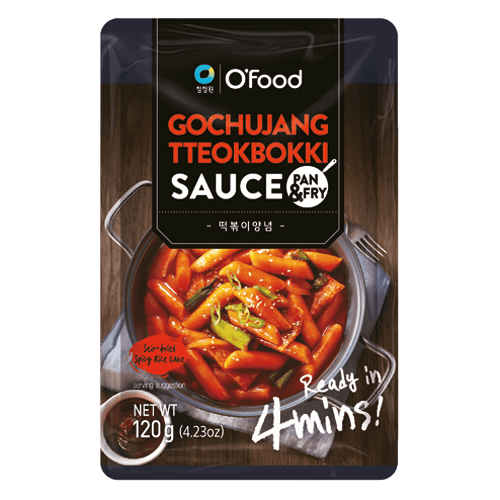
Gochujang is a Korean fermented chile paste built on glutinous rice, soybean, and gochugaru, aged for months. It is thick enough to be a marinade on its own, and the fermentation gives it a savory depth no fresh chile has (Gochujang). Look for one where the first ingredient is rice or red pepper, not corn syrup — the syrup-forward tubs taste like sweet ketchup with a burn. AislePrompt's grocery and pantry picks list the tubs worth buying.
Harissa is North African, oil-based, and smoky rather than sharp. Roasted red peppers plus caraway, coriander, and cumin, blended with olive oil (Harissa). Because it is already suspended in fat, it coats a sheet pan of vegetables evenly with no extra oil, which is why four of the five North African recipes below are sheet-pan dinners.
Chile crisp is the newest arrival to most American pantries and the only one on this list you should not cook. The appeal is texture — fried garlic and shallot suspended in chile oil — and 90 seconds in a hot pan turns that crunch to sludge. Spoon it over the finished plate.
Five Korean-style weeknight dinners
Korean heat is sweet-savory-funky rather than sharp, because gochujang carries fermented soybean underneath the chile. These five all finish in under 40 minutes.
1. Pan-Seared Korean Gochujang Chicken Thighs — the anchor dish for the whole rotation. Thighs, gochujang, soy, mirin, and garlic, seared skin-down until the glaze lacquers. Boneless thighs take 12–14 minutes total; bone-in needs 26 and a lid for the last 10. Do not use breast here — the glaze needs the fat to keep from scorching.
2. Spicy Authentic Korean Stir-Fried Pork with Gochujang — jeyuk bokkeum, the pork shoulder stir-fry that runs on Korean lunch counters. Slice the shoulder against the grain at about 3 mm; anything thicker turns chewy at the temperature this needs. Cook it in two batches or the pan drops below searing heat and you steam it grey.
3. Kimchi Fried Rice — the highest-value dish in this article at a 4.7 rating across 156 reviews, and the one that most rewards day-old rice. Use kimchi that has gone properly sour, squeeze the brine out and reserve it, then add the brine back at the end for acid. Fresh kimchi will not carry the dish.
4. Spicy Korean Tteokbokki with Gochujang Sauce — chewy rice cakes in a thick gochujang sauce, 20 minutes start to finish (Tteok-bokki). Soak refrigerated rice cakes 10 minutes in warm water first or the outside softens before the middle does. This is the most kid-negotiable dish here: halve the gochujang and it reads as sweet chewy pasta.
5. Pan-Seared Korean Chicken Wings with Spicy Gochujang Glaze — the closest catalog analog to dakgalbi. Pan-searing rather than frying keeps it a weeknight dish; the glaze goes on in the last 3 minutes, off direct heat, or the sugars burn.
For the wider Korean pantry — bibimbap, bulgogi, Korean fried chicken — see 20 Korean Weeknight Dinners.
Five North African and Middle Eastern heat dinners
Harissa heat is warm and low, 2,000–7,000 SHU, with smoke doing most of the work. All five below are oven dishes, which means the active time is 10 minutes and the rest is unattended.
6. Moroccan-Spiced Lamb Meatballs with Harissa Yogurt — 80/20 ground lamb, harissa worked into the mix and stirred into the yogurt on the side, so the heat hits twice at different intensities. Roll them at 30 g and they cook through in 14 minutes at 425 °F.
7. Crispy Sheet Pan Harissa Salmon with Chickpeas — the best 25-minute dinner on this list. Chickpeas go in first for 15 minutes to crisp, salmon joins for the last 10. Pat the chickpeas bone-dry before oiling; wet chickpeas steam and never crisp.
8. Harissa-Spiced Chickpea Sheet Pan with Roasted Vegetables — the vegan entry, and it holds up as leftovers better than anything else here because the harissa oil keeps seasoning the chickpeas overnight.
9. Baked Shakshuka with Roasted Cherry Tomatoes and Feta — eggs poached in spiced tomato. Push the heat up with a tablespoon of harissa in the sauce base. The eggs are done when the whites are set and the yolks still wobble at 4–6 minutes under a lid; go past 8 and you have a chalky yolk in a good sauce.
10. Middle-Eastern Grilled Lamb Kofta with Yogurt Sauce — the one dish here worth a grill if you have one lit. Chill the formed kofta 20 minutes before they hit heat or they slump off the skewer.
More of the same tradition without the heat focus: 22 Moroccan Recipes: Tagines, Couscous & Harira and 20 Lebanese Recipes.
Five Southeast Asian heat dinners
Thai and Vietnamese heat is bright — chile plus lime plus fish sauce — and it arrives fast and leaves fast, unlike the slow build of a Sichuan dish.
11. Honey-Sriracha Glazed Shrimp with Lime — 12 minutes, and the only real risk is overcooking. Shrimp are done at 120 °F internal, which on a hot pan is roughly 90 seconds per side for 16/20 count. The glaze goes on after they come off.
12. Quick Stir-Fried Chicken with Thai Red Curry Paste and Bamboo Shoots — fry the curry paste in coconut cream until the oil splits out and turns red before anything else goes in. That step takes 3 minutes and is the difference between a curry that tastes cooked and one that tastes like paste dissolved in milk.
13. Larb Gai: Minced Chicken Salad — Laotian-Thai minced chicken with toasted rice powder, lime, and fresh bird's-eye chile (Larb). This is the hottest dish in the article at full recipe. The toasted rice powder is not optional; it is the texture.
14. Spicy Peanut Stir-Fried Noodles with Vegetables — 4.56 rating, 20 minutes, and the most reliable no-protein dinner here. Thin the peanut sauce with pasta water until it coats a spoon but runs off it.
15. Stir-Fried Thai Basil Beef with Garlic and Chilies — pad krapow, the Thai street standard. Thai holy basil if you can find it, regular Thai basil if you cannot; Italian basil makes a different, worse dish. Add the basil off heat — it wilts in the residual heat in about 20 seconds.
Also worth a look: Pan-Seared Sambal Prawns with Garlic and Lime for a straight sambal test drive, and 25 Easy Thai Dinners for the full regional set.
Five chile crisp and chili oil dinners
This is the section that has changed most in the last three years. Chile crisp went from a specialty import to a supermarket staple, and the technique is different from every other sauce here: it goes on at the end, cold, over hot food (Chili oil).
16. One-Pan Garlic Chili Oil Noodles — 15 minutes, five ingredients, and the single best argument for keeping a jar of chile crisp open. Pour smoking-hot neutral oil over the aromatics rather than frying them in a pan; the shock bloom is the whole flavor.
17. Sichuan-Style Stir-Fried Green Beans with Chili Crisp — a side that eats as a main with rice. The beans need to blister, which means a dry pan at high heat for 6–8 minutes before any liquid touches them.
18. Spicy Sichuan-Style Mapo Tofu with Ground Pork — the málà benchmark: doubanjiang for heat, Sichuan peppercorn for numbness. Use silken or soft tofu and slide it in, do not stir it — fold with the back of a spoon or you get scrambled tofu in chile sauce.
19. Soft Poached Eggs over Avocado Toast with Chili Oil — breakfast-for-dinner in 10 minutes, and the fastest way to eat chile crisp without planning around it.
20. Cold Spicy Mung Bean Noodles with Cilantro and Chili Oil — the one no-cook option, and the right dinner for a 90 °F evening when you still want heat. Cold Korean Buckwheat Noodles with Spicy Sesame Dressing is the Korean equivalent if you want it sweeter.
Two more if you are building a Sichuan week: Dan Dan Noodles with Minced Pork and Chili Oil and Mini Spicy Tofu Bites with Chili Crisp. The full set lives in 20 Sichuan Recipes.
The heat scale: where these 20 land
Scoville numbers measure capsaicin concentration in the chile, not the finished dish (Scoville scale), so what follows is the dish as written — sauce diluted into everything else on the plate.
| Tier | Approx. dish SHU | Dishes | Who it's for |
|---|---|---|---|
| Warm, not hot | 300–800 | Kimchi fried rice, tteokbokki, sriracha shrimp, harissa chickpea sheet pan, shakshuka, avocado toast with chili oil | Kids over 8, heat-cautious adults |
| Medium | 800–2,000 | Gochujang chicken thighs, gochujang wings, harissa salmon, harissa lamb meatballs, peanut noodles, cold mung bean noodles | Most people, most weeknights |
| Properly hot | 2,000–5,000 | Jeyuk bokkeum pork, Thai basil beef, red curry chicken, chili oil noodles, Sichuan green beans, lamb kofta at full harissa | People who order Thai spicy and mean it |
| Serious | 5,000+ | Larb gai with full bird's-eye, mapo tofu with doubanjiang and peppercorn | Tolerance already built |
Two calibration notes. First, dairy and fat pull the number down hard — the same amount of harissa in a yogurt-served meatball reads roughly half as hot as it does on a dry roasted chickpea. Second, the numbing from Sichuan peppercorn in mapo tofu is not capsaicin at all; it is hydroxy-alpha-sanshool acting on a different receptor, which is why mapo tofu can feel intense at a Scoville number that reads modest on paper.
To move any dish one tier: halve or double the chile paste. Every timing and technique note above stays the same.
How to cool a dish that's gone too far
Capsaicin is fat-soluble and not water-soluble, which is the entire basis of the advice below. Water spreads it across your tongue and makes the burn worse for about 20 seconds before it fades.
- Full-fat dairy — fastest. Casein in milk and yogurt strips capsaicin off the TRPV1 receptor. Whole-milk yogurt, sour cream, a lassi. Skim milk works noticeably worse; the fat matters.
- Coconut milk — best in-dish fix. Adding 1/4 cup to a curry or stir-fry that overshot dilutes and binds at once without changing the flavor direction.
- Avocado, tahini, peanut butter. Fat with body. A tablespoon of tahini in a harissa sauce is a rescue and an upgrade.
- Acid — lime, vinegar, quick pickles. Does not bind capsaicin but reframes it; the palate reads a sharper dish as less punishing.
- Sugar and starch. Rice, bread, a teaspoon of honey. Buffers rather than removes.
Things that do not work: water, beer above about 6% ABV (alcohol dissolves capsaicin and spreads it), and hot coffee. If you are cooking for a mixed table, the real answer is to build the base at a third of the chile called for and put the jar on the table — chile crisp, sambal, and sriracha are all fine as condiments, and everyone calibrates their own plate.
What you'll need
You can cook all twenty of these dishes with four items, and you likely own three of them.
| Tool | Why it matters here | Rough cost |
|---|---|---|
| 12-inch skillet | Nine of the twenty dishes; needs to hold a full protein batch without crowding | $30–$60 |
| Carbon steel wok | Thai basil beef, jeyuk bokkeum, green beans — the only way to get real wok heat at home | $35–$50 |
| Granite mortar and pestle | Fresh curry and chile pastes; a blender bruises rather than crushes | $25–$40 |
| Sharp 8-inch chef's knife | 3 mm pork slicing, chile deseeding | $35–$60 |
A 12-inch skillet and a flat-bottom carbon-steel wok cover almost everything — see cookware for both, and best woks for 2026 for the flat-bottom-vs-round question on an electric range. The mortar and pestle earns its counter space only if you make fresh curry paste more than twice a month; otherwise skip it. Add a spider strainer and long chopsticks from utensils and tools if you are cooking noodles weekly, and keep a knife you actually maintain — the knives and cutting picks cover the maintenance side too.
Common pitfalls
- Cooking chile crisp. It is a finisher. Heat kills the fried-allium crunch that is the entire point in about 90 seconds.
- Buying corn-syrup gochujang. Check the first ingredient. Syrup-forward tubs read as sweet and never develop the fermented depth a braise needs.
- Crowding the pan. Two batches of pork at proper heat beats one batch at 250 °F. A crowded pan steams; steamed pork will not take a glaze.
- Adding paste to a cold pan. Harissa, curry paste, and doubanjiang all need to bloom in hot fat for 2–3 minutes. Skipping that leaves a raw, dusty edge no amount of simmering removes.
- Salting like it's a mild dish. Chile heat masks salt perception. Season, taste, and then season again after the heat has settled — most under-seasoned spicy food is diagnosed as "not spicy enough" when it is actually flat.
When not to cook spicy
If you are feeding anyone under about six, cooking for someone with reflux or an active ulcer, or serving a table you have never cooked for, build the dish mild and set out the jar. There is also no upside to a hot dinner immediately before bed — capsaicin raises core temperature slightly and reflux risk more than slightly. For those nights, 22 Quick Weeknight Meals Under 20 Minutes is the better list.
Where to go next
Start with the gochujang chicken thighs and the harissa salmon sheet pan — one from each end of the flavor range, both under 30 minutes, both forgiving. If they land, buy the remaining three pastes and run the rotation for two weeks.
Related reading on AislePrompt: 22 Spicy Dinner Recipes: Heat-Lover Meals for Weeknights for the chile-by-chile primer, 20 One-Pan Stir Fry Recipes for the technique underneath half these dishes, and 18 Jamaican Recipes if Scotch bonnet is the heat you actually want — jerk chicken is the entry point there.
Sources
- Capsaicin — Wikipedia
- TRPV1 — Wikipedia
- Scoville scale — Wikipedia
- Gochujang — Wikipedia
- Harissa — Wikipedia
- Capsaicin may have important potential for promoting vascular and metabolic health — Open Heart (PMC4477151)
Frequently asked questions
How do I control heat without ruining the dish for someone who doesn't like it spicy?
What's the difference between sriracha, sambal, gochujang, and harissa?
Are these recipes actually spicy or 'restaurant American spicy'?
Can I make homemade versions of these chile pastes?
What do I drink with spicy dinners?
Sources
Recipes to start your week with
Save any of these to My Recipes — no account needed — and send the ingredients to Instacart in one tap.

Plan a week of meals in two minutes.
Tell our AI what you have and what you like — it builds your plan, shopping list, and Instacart cart. No account needed.
Plan my week →