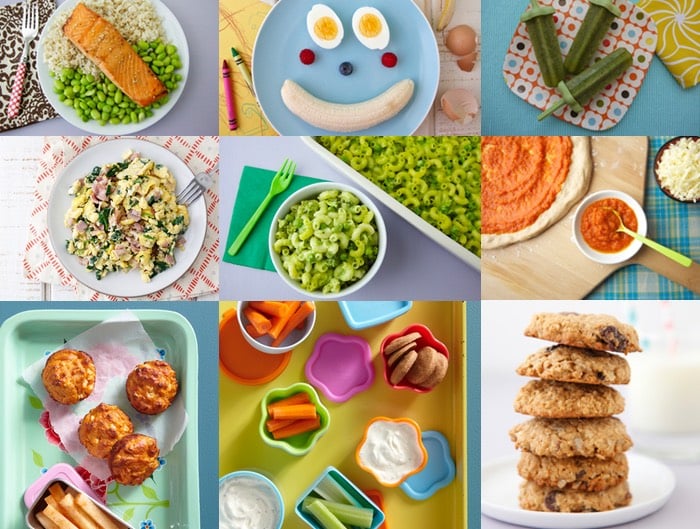
40 Easy Kid-Friendly Dinner Recipes for Picky Eaters: Weeknight Wins Parents Trust
Forty dinners built around the foods your kid already eats, plus the exposure method that actually expands the list — no bargaining, no second menu.
Start with five to seven dinners your kid already tolerates, cook them on repeat, and add exactly one new food per meal in a portion the size of a pea. That is the whole method. The recipes below — baked chicken tenders, mini cheese quesadillas, one-pot cheesy pasta, hidden-veggie meatballs — are the safe-food anchors that make the rest of the plate negotiable.
Get a free 7-day kid-approved dinner plan
Seven school-night dinners picky eaters actually finish, delivered Sunday, with one shopping list for the week.
No spam, unsubscribe in one click. Recipes, shopping lists and Instacart carts all work without an account either way.
Introduction — the picky-eater problem
Roughly half of American parents describe at least one of their kids as a picky eater, and the peak lands between ages 2 and 6 — exactly the years school starts and dinner has to happen at 6:15 p.m. after practice. The pattern is predictable: a rotating pool of 20 to 30 accepted foods, a hard no on anything new, and a parent who ends up cooking two dinners.
Two dinners is the real problem. It costs an extra 20 minutes a night, it teaches the kid that refusal produces a better menu, and it makes the family meal something you dread. This guide fixes the mechanics rather than the child. Every recipe below hits one of three marks: 30 minutes or less start-to-finish, a familiar shape (nugget, quesadilla, noodle, meatball, pizza), or a vegetable delivered in a form that does not announce itself.
As of 2026, back-to-school season is when this breaks hardest — the schedule tightens, the kid is tired, and the tolerance for experimentation drops to zero. The plan here is built for that window: a 5-day menu, a real grocery list, and 40 dinners you can rotate for a full school year.
Why kids reject food: neophobia, texture, control
Three mechanisms drive nearly all of it, and they need different responses.
Food neophobia is the built-in wariness of new foods that switches on around 18 months and peaks between ages 2 and 6. It is developmentally normal — a toddler who eats every unfamiliar thing they find is a toddler in danger. The American Academy of Pediatrics frames it as a phase to wait out with repeated, low-pressure exposure rather than a behavior to correct. Neophobia responds to familiarity, not persuasion.
Texture and sensory sensitivity is the second driver and the most misread. A kid who eats raw carrots but gags on cooked carrots is not being difficult — the wet, soft texture registers as wrong. Common triggers: mixed textures (chunky sauce, casseroles with visible bits), slimy surfaces (cooked mushrooms, zucchini), and anything where the sauce touches the protein. This is why deconstructed plating works so well. Serve the taco bowl components separated and acceptance jumps.
Control is the third. Dinner is one of the few places a five-year-old can exercise real veto power, and if the table becomes a negotiation, the kid will use it. Every "three more bites" bargain confirms that eating is a currency they control. The Mayo Clinic's guidance on picky eaters is blunt about this: pressure, bribes, and dessert-as-reward all measurably reduce long-term acceptance of the target food.
One more thing worth naming: appetite genuinely drops after age one. Growth slows from roughly 15 pounds in year one to 4 or 5 pounds a year afterward, so a toddler eating less than they did at 11 months is usually normal, not sick.
The three rules that actually work: no forcing, small tastes, repeated exposure
Rule 1 — no forcing, ever
You choose what is served, when, and where. Your kid chooses whether to eat it and how much. That split is Ellyn Satter's Division of Responsibility, and it is the single highest-leverage change most families make. In practice it means you put the meal on the table, you say nothing about it, and you do not comment when a food is refused or when it is eaten. Neutral is the goal. Praise ("good job eating your broccoli!") is a form of pressure too — it tells the kid the broccoli is a test.
The corollary is that you must always include at least one component you know they will eat. Bread, plain rice, a raw vegetable they like, fruit, a cup of milk. Nobody goes to bed hungry, so nobody needs a second menu.
Rule 2 — small tastes, tiny portions
Serve new foods in portions that look non-threatening: one pea, one crumb of the new sauce, a single quarter-inch cube. A full spoonful of an unfamiliar food reads as an obligation; a single pea reads as optional. Put it on the plate, not in the middle of the safe food. Never mix it into something they trust — that is how you lose the safe food too.
An exposure still counts if they touch it, smell it, lick it, or move it to the edge of the plate. That is the actual unit of progress.
Rule 3 — repeated exposure, 10 to 20 times
Most children need 10 to 15 exposures to a new food before acceptance, and the most resistant eaters can need 20 or more. Nearly every parent quits at 3 or 4, decides "she doesn't like peppers," and removes it from the rotation permanently. Put the rejected food back on the table once a week and count.
| Approach | Typical exposures before acceptance | Works long-term? |
|---|---|---|
| Repeated low-pressure exposure | 10–15 | Yes |
| Pressure or bargaining ("three bites") | Increases refusal | No |
| Hiding vegetables only | Nutrition today, no acceptance | Partial |
| Hiding + visible serving of the same veg | 10–15 | Yes — best of both |
| Removing the food entirely after 3 tries | Never | No |
The Academy of Nutrition and Dietetics adds a fourth lever most parents skip: let the kid handle the food before it is a meal. Kids who wash the lettuce, stir the sauce, or crack the eggs eat more of the result, and it costs you five minutes.
20-minute weeknight dinners kids actually eat
These are the Tuesday-at-6:15 recipes — familiar shapes, short ingredient lists, and total times under 30 minutes.
| Dinner | Prep | Cook | Serves | Calories/serving |
|---|---|---|---|---|
| Kid-Friendly Mini Cheese Quesadillas | 5 min | 12 min | 3 | 290 |
| Quick Stir-Fried Rice with Eggs, Peas, and Scallions | 5 min | 10 min | 4 | 320 |
| Kid-Friendly Mini Chicken and Veggie Stir Fry | 10 min | 12 min | 2 | 320 |
| Kid-Friendly Mini Veggie Pizzas on English Muffins | 10 min | 15 min | 4 | 280 |
| One-Pot Cheesy Kid-Friendly Pasta Bake | 10 min | 20 min | 4 | 420 |
| Air Fryer Fish Sticks with Lemon-Dill Yogurt Dip | 15 min | 12 min | 4 | 300 |
Start with Kid-Friendly Mini Cheese Quesadillas — 17 minutes total, three ingredients, and about as low-risk as a new dinner gets. Make this your anchor. Quick Stir-Fried Rice with Eggs, Peas, and Scallions is 15 minutes and gets peas past most kids because they are small, sweet, and separable. Kid-Friendly Mini Chicken and Veggie Stir Fry delivers 35 g of protein per serving in 22 minutes.
For the nugget-and-tender crowd, Baked Ranch Chicken Tenders with Crispy Panko and Kid-Friendly Baked Chicken Nuggets with Honey Mustard Dip both run 33 minutes and land at 38 g protein — meaningfully better than the freezer-aisle version at about the same effort. If your kid has ruled out chicken this month, Air Fryer Fish Sticks with Lemon-Dill Yogurt Dip is the same shape in 27 minutes.
Rounding out the sub-30 list: One-Pot Cheesy Kid-Friendly Pasta Bake, One-Pot Cheesy Chicken and Rice for Kids, Kid-Friendly Mini Beef and Cheese Sloppy Joes, Mini Chicken and Cheese Pizza Bites, Vegetable-Loaded Mini Pita Pizzas, Cheesy Veggie-Stuffed Mini Quesadillas, and Vegetable-Stuffed Mini Pita Pockets with Hummus — the last one requires no cooking at all, which matters on the nights that fall apart.
And for a legitimate breakfast-for-dinner night, Mini Veggie-Packed Pancake Muffins (90 calories each, freezes well) and Mini Pizza Pancake Bites with Fruit & Yogurt both hold up.
Sheet-pan kid favorites
Sheet-pan dinners solve two picky-eater problems at once. Everything roasts separately on one surface, so a kid who will not eat sauce-on-protein can take the chicken plain — and you can leave one corner of the pan as an unseasoned "safe zone" for the child who rejects visible herbs.
- Sheet Pan Chipotle Turkey Burrito Bowls — 45 minutes, 35 g protein, and everything stays deconstructed on the plate.
- Sheet Pan Mini Pepperoni Pizzas with Hidden Veggie Sauce — 30 minutes and the highest-conversion pizza on this list.
- Sheet Pan Tex-Mex Chicken and Black Bean Bake — 45 minutes, one pan, and the beans are easy to skip without wrecking the meal.
- Lemon Balsamic Sheet Pan Chicken with Crispy Potatoes — 60 minutes and serves 6, so it is the Sunday version that also covers Monday lunch.
- Reboot-Ready Sheet Pan Chicken & Sweet Potatoes — 37 minutes; sweet potato is the vegetable most picky eaters accept first because it is sweet and uniform.
- Kid-Friendly Mini Turkey Meatball Skewers with Hidden Veggies — 150 calories per serving, 18 g protein, and food-on-a-stick is a category unto itself.
Two mechanics that make sheet-pan nights work: cut everything to the same size so it finishes together, and leave real space between pieces. Crowded pans steam instead of roasting, and steamed vegetables are exactly the soft, wet texture most sensory-sensitive kids reject. Line the pan with parchment and you will actually cook this twice a week instead of once.
Sneaky-veggie mains for the resistant eater
Blending vegetables into a sauce delivers nutrition tonight. It does not build acceptance — the kid never learns the carrot is safe because they never knowingly ate one. So run both tracks: serve the hidden version, and put two visible pieces of the same vegetable on the side of the same plate, with zero comment.
- Vegetable-Loaded Mac and Cheese with Hidden Cauliflower Sauce — 30 minutes, 25 g protein, cauliflower blended into the cheese sauce.
- Cauliflower-Infused Macaroni and Cheese — 250 calories a serving and serves 6, the lighter version of the same trick.
- Hidden Veggie Spaghetti with Roasted Red Pepper Sauce — roasted peppers read as sweet, not vegetal, which is why this one converts.
- Hidden Veggie Turkey Meatballs with Tomato-Basil Sauce — 35 g protein and the grated vegetables disappear into the meatball texture.
- Kid-Friendly Mini Turkey Meatball Sliders with Hidden Veggie Sauce — serves 8, so it doubles as a birthday-party dinner.
- Dinosaur-Themed Veggie Quesadillas with Black Bean Dip — cookie-cutter shapes, 30 minutes, and the novelty buys you one extra bite.
- Mild Turkey Meatball and Spinach Soup for Kids — 220 calories, 25 g protein, and spinach wilted small enough to stop being a texture problem.
- Kid-Friendly Sweet Vegetable Stir Fry with Tofu — the sweet glaze is doing the work here; 30 minutes total.
- Mini Vegetable Pasta Bake with Mozzarella — individual portions, which removes the "there's stuff in it" objection from the shared dish.
- One-Pot Cheesy Broccoli Pasta Bake — broccoli is visible here on purpose. This is the graduation recipe.
The vegetables that get accepted first are almost always the sweet, uniform, non-slimy ones: sweet potato, corn, peas, carrots (raw more often than cooked), and roasted red pepper. Start there and save Brussels sprouts for next year.
Top 10 reader-favorite picky-eater dinners
Ranked by how reliably they get eaten, not by how virtuous they are.
1. Kid-Friendly Mini Cheese Quesadillas — 17 minutes, three ingredients, the lowest-friction dinner here.
2. Baked Ranch Chicken Tenders with Crispy Panko — 38 g protein and the crunch is the point.
3. One-Pot Cheesy Kid-Friendly Pasta Bake — 30 minutes, one pot, 22 g protein.
4. Kid-Friendly Mini Veggie Pizzas on English Muffins — kids assemble their own, which is half the acceptance battle.
5. Vegetable-Loaded Mac and Cheese with Hidden Cauliflower Sauce — the best nutrition-to-effort ratio here.
6. Quick Chicken Taco Bowls — 35 minutes, and deconstructed plating is built in.
7. Hidden Veggie Turkey Meatballs with Tomato-Basil Sauce — freezes cooked, reheats in 6 minutes.
8. One-Pan Teriyaki Chicken with Pineapple and Broccoli — 30 minutes; pineapple is the bridge to the broccoli.
9. Kid-Friendly Mini Beef and Cheese Sloppy Joes — 30 minutes, serves 6, slider-sized.
10. Air Fryer Fish Sticks with Lemon-Dill Yogurt Dip — 27 minutes and the easiest way to get fish onto the plate.
Ten more that round out the 40-recipe rotation: Spicy Ground Turkey Tacos with Black Beans (leave the chili out for the kid portion), Cheese and Vegetable Quesadillas with Black Bean Salsa, Teriyaki Chicken Stir-Fry with Broccoli, One-Pot Chicken Enchilada Bake with Cheddar and Black Beans, One-Pot Tomato Basil Baked Ziti, One-Pot Chicken and Rice with Herbs, Quick Stir-Fried Chicken and Vegetable Rice Bowl, One-Pot Cheesy Hamburger Helper with Peas, One-Pot Sloppy Joe Pasta Skillet, and Homemade Chicken Nuggets with Honey Mustard Dip.
5-day back-to-school menu with grocery list
One week, five dinners, roughly 2.5 hours of total cook time. Each night pairs a safe anchor with exactly one exposure food.
| Night | Dinner | Total time | Exposure food (serve, don't push) |
|---|---|---|---|
| Monday | One-Pot Cheesy Kid-Friendly Pasta Bake | 30 min | 2 raw carrot sticks |
| Tuesday | Baked Ranch Chicken Tenders with Crispy Panko | 33 min | Roasted broccoli, 2 florets |
| Wednesday | Sheet Pan Chipotle Turkey Burrito Bowls | 45 min | Diced avocado on the side |
| Thursday | Kid-Friendly Mini Veggie Pizzas on English Muffins | 25 min | Sliced bell pepper as a topping option |
| Friday | Air Fryer Fish Sticks with Lemon-Dill Yogurt Dip | 27 min | Cucumber coins |
Recipes: Monday, Tuesday, Wednesday, Thursday, Friday.
Grocery list for a family of four
Protein: 2 lb chicken tenders or breast; 1 lb ground turkey; 1 lb white fish fillets (cod or pollock).
Dairy: 16 oz shredded cheddar; 8 oz shredded mozzarella; 16 oz plain Greek yogurt; 1 gal milk; 4 oz Parmesan.
Produce: 1 lb carrots; 2 heads broccoli; 2 bell peppers; 2 avocados; 1 English cucumber; 1 yellow onion; 1 head garlic; 2 limes; 1 lemon; fresh dill.
Pantry: 1 lb short pasta; 6 English muffins; panko breadcrumbs; 1 packet ranch seasoning; 2 cups rice; 1 can black beans; 1 can corn; chipotle in adobo; olive oil; ketchup.
Build the list once and it becomes the template for the whole term. The AislePrompt shopping list will hold it between weeks, and the meal plan builder can swap any night for another recipe in this article without rebuilding the list from scratch. If you want the plan re-anchored around your own kid's specific safe foods, describe them in the AislePrompt chat and it will rebuild the week around them.
What to buy: family-friendly kitchen gear
You need less than the internet suggests. Five things carry the entire rotation above.
| Item | Why it matters here | Category |
|---|---|---|
| Two half-sheet pans | Every sheet-pan dinner; two lets you roast protein and vegetables separately | Bakeware |
| 12-inch nonstick skillet with lid | Every one-pot pasta and stir-fry in this guide | Cookware |
| 5-qt Dutch oven or deep sauté pan | Pasta bakes, sloppy joes, meatball soup | Cookware |
| Immersion blender | The entire hidden-veggie sauce category, blended in the pot | Small appliances |
| Divided containers, 8+ | Deconstructed plating and next-day lunches | Storage |
Two half-sheet pans in bakeware are the highest-value purchase on this list — the second pan is what lets you keep an unseasoned safe zone away from the herbs. A 12-inch nonstick skillet from cookware covers every one-pot recipe here, and it is the pan that determines whether Tuesday is a 20-minute night or a 40-minute one.
An immersion blender in small appliances turns the hidden-veggie sauces from a two-pot job into a one-pot job — you blend the cauliflower directly in the cooking liquid instead of moving hot liquid to a countertop blender. Add a set of divided containers from storage so components stay separate overnight, and a good pair of tongs and a microplane from utensils for grating vegetables fine enough to disappear into meatballs.
Skip, for now: specialty kid plates, single-purpose veggie choppers, and anything marketed as a "picky eater solution." None of them change acceptance.
Common pitfalls
Five failure modes account for most stalled progress.
1. Quitting at exposure three. You need 10 to 15. Track it on the fridge if you have to — most parents dramatically underestimate how few times they actually served the food.
2. Mixing the new food into the safe food. One bad bite of "contaminated" mac and cheese can cost you the mac and cheese for months. Keep it beside, never inside.
3. Praising the eating. "Great job trying the pepper!" turns the pepper into a performance. Stay neutral.
4. Grazing all afternoon. A kid who has had crackers at 4:45 is not hungry at 6:00. Close the kitchen 90 minutes before dinner; water only.
5. Serving only the exposure food when it is finally accepted. The moment a food gets eaten, parents put it on the plate every night and burn it out. Keep it at once or twice a week.
When this is not picky eating
Typical picky eating comes with a stable weight curve, a pool of 20-plus accepted foods, and the ability to sit at a family meal. Escalate to your pediatrician — and ask about a feeding-therapy referral — if you see an accepted-food pool under 20 items and shrinking, gagging or vomiting on new textures, weight loss or a flat growth curve, choking episodes, or distress at every single meal. Avoidant/Restrictive Food Intake Disorder is a real diagnosis with real treatment, and more recipes will not resolve it. No article, including this one, substitutes for that conversation.
FAQ
How many times does my kid need to try a new food before they might like it?
Ten to 15 exposures for most kids, and up to 20 for the most resistant. Touching, smelling, or licking counts — you do not need a bite for the exposure to register.
Should I hide vegetables, or is that dishonest?
Do both. Hidden vegetables cover nutrition tonight; the same vegetable served visibly on the same plate is what builds acceptance over the next three months.
What if my kid only eats three foods?
Serve all three plus one exposure food at every meal, with no pressure attached. The safe-food anchor is what makes exploration possible.
How do I stop short-order cooking?
Announce the rule once, calmly, then hold it — one dinner, plus bread, fruit, and milk always available. Resistance usually drops within two weeks.
Related reading
- Back-to-School Family Dinners: 20 Fast Weeknight Meals
- Back-to-School Dinner Playbook: 4-Week Plan
- Vegetarian Meal Plan for Families: 30 Kid-Friendly Recipes
- 20 After-School Snacks: Filling, Kid-Approved Recipes in 15 Minutes
- Kid Lunchbox Meal Prep: 20 Bento-Style Ideas for the School Year
- The 5-Day Family Dinner Rotation: Plan Once, Cook All Week
Browse the full hub at Kids' Meals for every kid-friendly recipe on AislePrompt.
Sources
- American Academy of Pediatrics — Picky Eaters
- Mayo Clinic — Picky Eaters: Tips for Parents
- Academy of Nutrition and Dietetics — Kids and Food: 10 Tips for Parents
Frequently asked questions
How many times does my kid need to try a new food before they might like it?
What is the difference between normal picky eating and a real feeding problem?
Should I hide vegetables in my kids' meals, or is that dishonest?
What if my kid only wants the same three foods every night?
How do I stop short-order cooking without starting a nightly battle?
Sources
Dinners the kids will actually eat.
Ask our AI to plan the week around your picky eater — one shopping list, one Instacart cart.
Plan the kids’ week →