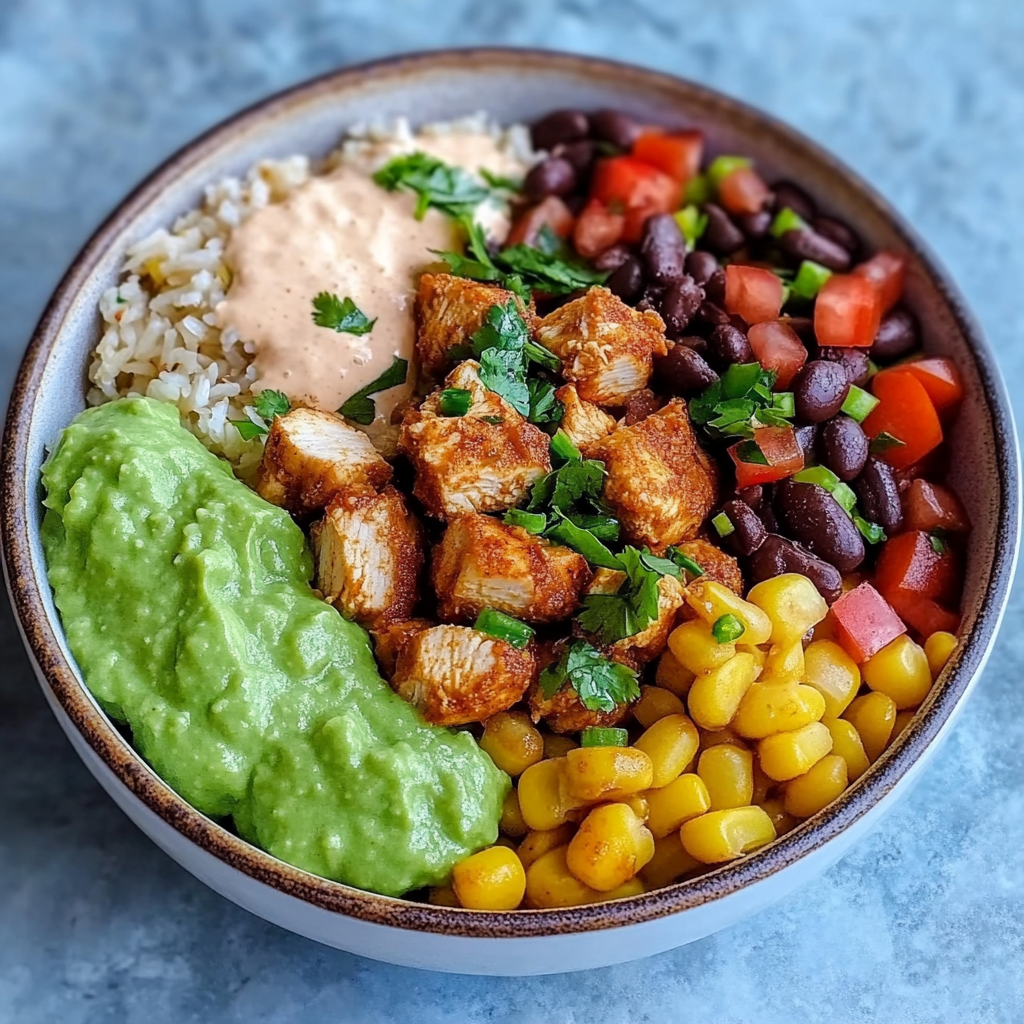
Adult Office Lunch Meal Prep: 15 Grown-Up Lunchbox Ideas
One 90-minute Sunday session, four containers and five sauces — and no sad desk salad for the rest of the fall.
Healthy work lunch meal prep comes down to one repeatable framework — protein, grain, vegetable, sauce — packed in four compartments and assembled in a single 90-minute Sunday session. Build five lunches from one base, keep the sauce separate, and you eat better than the food hall for about $4 a day.
Get a free 7-day kid-approved dinner plan
Seven school-night dinners picky eaters actually finish, delivered Sunday, with one shopping list for the week.
No spam, unsubscribe in one click. Recipes, shopping lists and Instacart carts all work without an account either way.
The return-to-office wave, and why the sad desk salad persists
September is when office attendance spikes. Summer flexibility ends, school schedules lock in, and a lot of people who spent June through August eating at home are suddenly back to a 45-minute window and a shared microwave. The default answer is a $14 salad from the lobby, and the default result is spending $3,000 a year on lunches you don't particularly enjoy.
The sad desk salad persists for a structural reason, not a motivational one: most people prep a dish, not a system. Prepping one recipe five times is boring by Wednesday and abandoned by Thursday. Prepping a modular base — cooked protein, cooked grain, roasted vegetable, and four different sauces — produces five lunches that taste different from one another while sharing a shopping list and a single cooking session.
The USDA's MyPlate framework describes a balanced meal in almost exactly these terms — a protein, a grain, and vegetables in proportion, with the rest treated as seasoning. Four compartments is that guidance made physical. And because five lunches means five days of food sitting in a fridge, the four food-safety steps — clean, separate, cook, chill — matter more for meal prep than for anything you cook and eat the same night.
That is the whole idea below. Components, not casseroles.
The 4-container framework
Every lunch in this guide is the same four slots filled differently.
| Slot | Portion (per lunch) | Purpose |
|---|---|---|
| Protein | 4-6 oz cooked | Satiety through 4 p.m. |
| Grain or starch | ¾-1 cup cooked | Energy, bulk, cost control |
| Vegetable | 1½-2 cups | Volume, fiber, color |
| Sauce | 2-3 tbsp, separate | The variable that prevents boredom |
The sauce being separate is not a garnish detail — it is the mechanic that makes the framework work. Dressed grains go soggy by Wednesday. Undressed grains hold five days and taste freshly made when you combine them at your desk.
Swap matrix — one base, five distinct lunches:
| Day | Sauce | Reads as |
|---|---|---|
| Monday | Lemon-tahini | Mediterranean |
| Tuesday | Sesame-ginger | East Asian |
| Wednesday | Chipotle-lime crema | Tex-Mex |
| Thursday | Curry-yogurt | South Asian |
| Friday | Basil pesto | Italian |
Same grilled chicken, same quinoa, same roasted vegetables. Five lunches nobody would identify as the same meal.
The Sunday session: 90 minutes for five lunches
This is a real timeline, not an aspirational one. It assumes one oven, one large pot, and one skillet.
0:00 — Oven to 425°F. Sheet-pan two trays of vegetables (broccoli, peppers, sweet potato, red onion — whatever is cheap). Oil, salt, in.
0:05 — Grain on. 2 cups dry quinoa or rice into the pot with 3½ cups water. Lid on, timer set. This is now unattended.
0:10 — Protein prep. Season 2½ pounds of chicken thighs or breasts. Into a second sheet pan or a skillet.
0:20 — Protein in the oven alongside the vegetables. Both come out around 0:40.
0:25 — Sauces. Five small containers, five sauces, ten minutes total. Most are three ingredients and a whisk.
0:40 — Everything out. Rest the protein 10 minutes; spread the grains and vegetables on the trays to cool. Do not pack anything warm — steam is what turns a good lunch into a wet one.
0:55 — Portion. Four compartments × five containers. Slice the protein against the grain, divide by eye, seal.
1:10 — Wash up and label. Masking tape and a marker. Day of week on the lid.
1:30 — Done.
Two structural rules make this land. Cool completely before sealing — 20 minutes on the counter, uncovered. Twenty minutes is the sweet spot: long enough to stop the steam, well inside the two-hour window that USDA's leftovers and food safety guidance gives you before cooked food has to be refrigerated. Spreading the grains and vegetables out on the trays is the same trick FSIS recommends as shallow containers — surface area is what cools food fast. And prep for Monday through Thursday only. Friday is a leftovers, lunch-out, or fresh-cook day. Prepping five days invites the Friday container you don't want to eat, which is how the whole habit dies.
15 grown-up lunches worth packing
Burrito bowls and Tex-Mex
1. Tex-Mex Chicken Burrito Bowl with Avocado Crema — the reference build for the four-container framework.
2. Shredded Chicken and Black Bean Burrito Bowl with Avocado Salsa — better with a slow-cooker chicken batch.
3. Sheet Pan Chipotle Turkey Burrito Bowls — one pan, five lunches, minimal cleanup.
Mason jar salads
4. Mason Jar Mediterranean Quinoa Power Bowls — layered correctly, holds five days.
5. Mason Jar Chicken & Quinoa Salad for Meal Prep — the high-protein jar.
6. Mason Jar Layered Vegetable and Quinoa Salad — vegetarian, colorful, cheap.
7. Mason Jar Quinoa and Roasted Veggie Salads — uses Sunday's roasting tray directly.
Grain bowls
8. Oven-Roasted Mediterranean Chickpea and Vegetable Grain Bowl — no meat, still 18g protein.
9. Charred Vegetable and Feta Grain Bowl with Lemon-Tahini Dressing — eats well cold.
10. Sautéed Mushroom and Kale Farro Bowl with Lemon Garlic Dressing — farro holds texture better than rice through day four.
11. Miso-Glazed Tofu and Roasted Broccoli Grain Bowl — the plant-based default.
Cold noodles
12. Spicy Thai Peanut Noodles with Tofu — genuinely better cold on day two.
13. Miso-Glazed Eggplant and Soba Noodle Bowl with Sesame — no microwave line required.
Wraps and sandwiches
14. Chicken Tortilla Wraps with Avocado-Lime Crema — assemble the morning of; the filling preps Sunday.
15. Herbed Chickpea 'Tuna' Salad Sandwiches — the filling keeps four days; bread stays separate.
Soup thermoses
Two more worth the rotation: Turmeric-Spiced Lentil Soup with Spinach and Lemon and Garden-Fresh Tomato & Zucchini Minestrone Soup. Both freeze in single portions and go straight into a preheated thermos in the morning.
Round out the week with: Meal-Prep Chicken and Vegetable Bake, One-Pot Lemon-Herb Chicken and Farro, Native Veggie and Quinoa Buddha Bowl, Sweet Potato & Chicken Lettuce Wraps, and Vegetable-Packed Egg Muffins for a protein add-on.
Three ways to swap the framework
Mediterranean prep
Protein: chicken thighs or chickpeas. Grain: farro or couscous. Vegetable: roasted red pepper, zucchini, red onion. Sauce: lemon-tahini or tzatziki. Add feta and olives at the desk. Charred Vegetable and Feta Grain Bowl with Lemon-Tahini Dressing and Global Harvest Grain Bowl with Lemon-Tahini Dressing are the templates. Roughly $3.20 per lunch at 2026 grocery prices.
High-protein prep
Target 40g+ per lunch. Protein: 6 oz chicken breast or 5 oz lean beef, plus a hard-boiled egg or egg muffin on the side. Grain: reduce to ½ cup, swap in extra vegetables for volume. Sauce: Greek yogurt-based rather than oil-based. Mason Jar Chicken & Quinoa Salad for Meal Prep is the closest single-recipe fit. Runs about $4.50 per lunch.
Plant-based prep
Protein: baked tofu, tempeh, or 1 cup of legumes. Grain: quinoa (a complete protein) or brown rice with lentils. Sauce: peanut, miso-ginger, or tahini. Miso-Glazed Tofu and Roasted Broccoli Grain Bowl, Spicy Thai Peanut Noodles with Tofu, and Oven-Roasted Mediterranean Chickpea and Vegetable Grain Bowl rotate well. Cheapest of the three at roughly $2.40 per lunch.
Reheating rules
| Food | Microwave? | Notes |
|---|---|---|
| Grain bowls, burrito bowls | Yes | 90 sec, stir, 30 more |
| Soups and stews | Yes | Or thermos, no microwave needed |
| Roasted vegetables | Yes | Hold texture well |
| Steamed/blanched vegetables | No | Turn to mush |
| Crispy anything (tofu, fried) | No | Eat cold or accept softness |
| Leafy salads | No | Serve cold, dress at the desk |
| Mayo-dressed salads | No | The emulsion breaks |
| Cold noodle bowls | No | Designed to be eaten cold |
| Rare beef or salmon | No | Overcooks instantly |
Reheat to 165°F, not merely to warm. Microwaves heat unevenly, and the FoodSafety.gov reheating guidance puts 165°F as the target for microwaved leftovers specifically because the cold spots in an unevenly heated bowl are where bacteria survive. In practice that is 90 seconds, a stir, then 30 to 60 more — steaming throughout, not just at the edges.
Two practical points. Vent the lid — sealed containers build pressure and blow sauce across the office microwave, which is a social problem as much as a culinary one. And stir halfway. Microwaves heat unevenly; a 90-second unstirred bowl has a molten center and a cold rim.
The cold-lunch strategy deserves more credit than it gets. Mason jar salads, grain salads, wraps, and cold noodle bowls sidestep the microwave queue entirely — which in a full office can be a ten-minute wait out of a 45-minute break.
Common pitfalls
- Packing food warm. Condensation is the number-one cause of Wednesday sogginess. Cool uncovered for 20 minutes.
- Dressing everything on Sunday. Sauce goes in a separate 2 oz cup. Always.
- Prepping five identical lunches. You will not eat the fifth one. Vary the sauce at minimum.
- Using containers you dislike. If the lid leaks or the container stains, the habit dies in three weeks. Buy once.
- Ignoring the vegetable ratio. Under-vegetabled lunches leave you hungry at 3 p.m. and back at the vending machine, which erases the savings.
- No Friday plan. Leaving Friday unplanned means Friday becomes takeout, which is fine — as long as it is a decision rather than a collapse.
- Treating every ingredient as equally shelf-stable. It is not a uniform four days. The CDC's foods that pose higher risk list — cooked rice, sprouts, cut melon, seafood, soft cheeses — are the ones to put at the front of the week. Cooked rice in particular is a Monday-Tuesday food, not a Thursday one.
Using the AislePrompt meal-prep planner
The meal-prep planner takes a different route to the same result: pick a template, set how many lunches you need, and it produces a consolidated shopping list rather than five separate recipe ingredient lists. That consolidation matters — buying one bunch of cilantro for three dishes instead of three bunches is where a chunk of the cost savings actually comes from.
The broader meal-prep hub has the saved templates, and the weekly meal planner covers dinners if you want the whole week in one list. If you already know what you want to cook, adding the fifteen recipes above to a plan and exporting the list takes about two minutes.
What to buy
Four-compartment glass containers. Glass over plastic for three reasons: it doesn't stain from turmeric or tomato, it goes oven-to-fridge-to-microwave, and it doesn't retain odor. A Pyrex Simply Store 12-piece glass set covers a full week with spares. The glass storage and broader storage and containers categories have larger sets if you're prepping for two.
Wide-mouth mason jars. The layered-salad method requires the wide mouth — you can't layer or invert a narrow jar cleanly. A six-pack of Ball wide-mouth quart jars is enough for a week of salads. Pint jars work for sauces and dressings.
Small sauce cups. Any 2 oz screw-top container. This is the single cheapest upgrade in this entire guide, and it's the one that makes day-four lunches taste like day-one.
A digital kitchen scale. Optional unless you're tracking macros, in which case it's mandatory — eyeballing 6 oz of chicken is off by 30% more often than not. An Escali Primo digital food scale is the standard cheap-and-accurate pick; see the measuring selection for alternatives.
An insulated lunch bag and a thermos food jar. Two ice packs keep a bag under 40°F through a morning commute. A preheated thermos (fill with boiling water, dump, then add hot soup) holds temperature for five to six hours.
For a full week of prep already sequenced, see our 5-day Mediterranean meal prep and chicken thigh meal prep, 12 ways. If you're packing for the household too, the kid lunchbox meal prep guide runs the same Sunday session for smaller containers, and vegetarian meal prep goes deeper on the plant-based track.
Worked example: the $4 lunch, itemized
Concrete numbers beat percentages. Here is one week of the high-protein template, priced at mid-2026 US supermarket averages for a mid-size metro.
| Item | Quantity | Cost |
|---|---|---|
| Chicken thighs, boneless | 2.5 lb | $8.75 |
| Quinoa, dry | 2 cups (~12 oz) | $3.20 |
| Broccoli crowns | 2 lb | $3.60 |
| Sweet potatoes | 2 lb | $2.20 |
| Red bell peppers | 3 | $4.50 |
| Greek yogurt (sauce base) | 16 oz | $3.40 |
| Tahini, lemon, garlic, spices | Pantry share | $2.00 |
| Feta | 6 oz | $3.30 |
| Total | 5 lunches | $30.95 |
That is $6.19 per lunch for a 45g-protein meal — against $14 for the equivalent bowl from a fast-casual chain. The gap over 46 working weeks is about $1,800. Drop the feta and swap two chicken days for chickpeas and it lands closer to $4.10 per lunch.
The savings compound in a way the per-meal number understates: a packed lunch also removes the mid-afternoon $6 coffee-and-pastry that a light lobby salad tends to require at 3 p.m.
When NOT to meal prep
Meal prep is a poor fit in three situations, and forcing it produces waste rather than savings.
If your office genuinely provides free or heavily subsidized lunch, prepping is a net loss — you will end up throwing containers out on Thursday. If your schedule is unpredictable enough that you eat out three days a week regardless, prep two lunches instead of five and accept it. And if you are traveling or in back-to-back meetings without a fridge, skip the perishable bowls entirely and lean on shelf-stable options: a thermos soup packed hot that morning, or a wrap eaten by noon.
The failure mode to avoid is prepping five containers, eating two, and discarding three. That costs more than buying lunch and it poisons the habit. Start at three lunches a week, prove you eat them, and scale up.
FAQ
How long do meal-prep lunches last in the fridge? The USDA's cold food storage chart puts cooked meat and poultry leftovers at 3-4 days at 40°F or below, and that is the number to plan around. Cooked protein-based lunches (chicken, turkey, tofu, beef) are safe 3-4 days; cooked seafood 2-3 days; grain bowls and vegetable-forward lunches with dressing on the side last 4-5 days. Meal-prep on Sunday for Monday-Thursday consumption — Friday is a fresh-cook or leftover day. Store dressings and sauces in separate 2 oz containers to keep greens crisp; combine at the desk five minutes before eating.
What lunches actually microwave well at the office? Anything grain-and-protein based: burrito bowls, curries, pasta dishes, soups. Roasted vegetables reheat well; blanched or steamed ones turn to mush. Skip crispy items (they go soggy), leafy salads with anything mayo-based (the emulsion breaks and separates), and rare-cooked steak or salmon (overcooks). Cold-eat lunches — grain salads, mason jar salads, wraps, cold noodle bowls — sidestep the microwave-line politics entirely.
How much does adult lunch meal prep actually save vs buying? Meaningful — average US office lunch spend is $12-18 per day ($60-90/week, $2,400-3,600/year). Meal-prepping at home runs $3-5 per lunch or $15-25 per week, saving roughly $2,000-3,000 per year for a five-day-a-week office worker. It adds about 90 minutes of Sunday time, which works out to a net return north of $40 an hour after taxes.
How do I keep salad greens from wilting all week? Mason jar layering: dressing at the bottom, then hard vegetables (cucumber, bell pepper, chickpeas, cherry tomatoes), then protein, then grains, and greens on top — they never touch dressing until you invert the jar to eat. Store the jar upright and sealed in the fridge; good for five days. Alternatively, use a four-compartment container with greens in one dry compartment and dressing in a separate 2 oz cup.
What if I hate eating the same thing five days in a row? Prep two lunches for Monday-Wednesday and Wednesday-Friday with a shared ingredient base to minimize extra shopping. Or prep a modular base — grilled chicken, cooked quinoa, roasted vegetables — and vary the sauce each day: Mediterranean tzatziki Monday, sesame-ginger Tuesday, chipotle-lime Wednesday, curry-yogurt Thursday, pesto Friday. Same base ingredients, five completely different lunches, one shopping list.
Sources
- FoodSafety.gov — Cold Food Storage Charts — the 3-4 day refrigerated leftover figure used throughout this guide.
- USDA FSIS — Leftovers and Food Safety — the two-hour refrigeration window and shallow-container cooling method.
- FoodSafety.gov — Four Steps to Food Safety — clean, separate, cook, chill, and the 165°F microwave reheating target.
- USDA MyPlate — What Is MyPlate? — the protein/grain/vegetable proportions behind the 4-container framework.
- CDC — Foods That Can Cause Food Poisoning — which prepped ingredients to eat early in the week.
Frequently asked questions
How long do meal-prep lunches last in the fridge?
What lunches actually microwave well at the office?
How much does adult lunch meal prep actually save vs buying?
How do I keep salad greens from wilting all week?
What if I hate eating the same thing 5 days in a row?
Sources
Dinners the kids will actually eat.
Ask our AI to plan the week around your picky eater — one shopping list, one Instacart cart.
Plan the kids’ week →