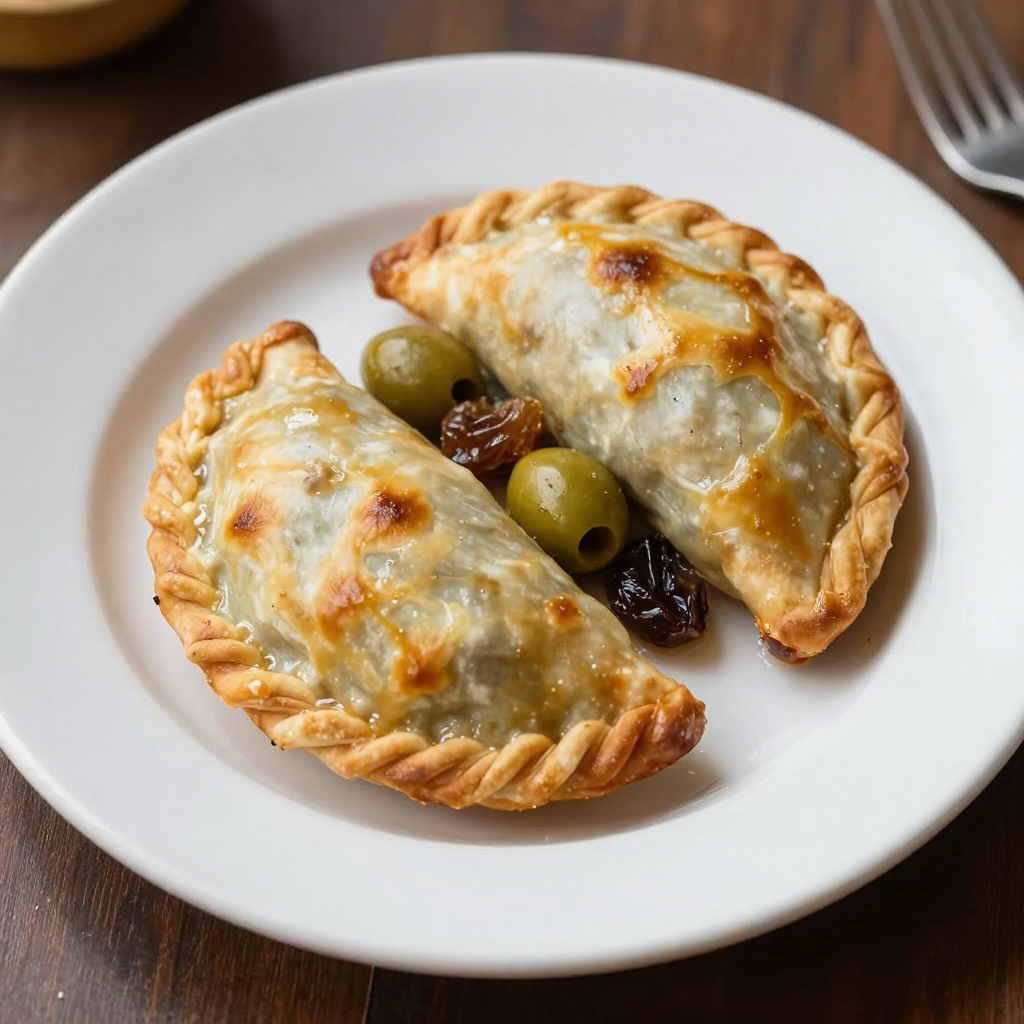
Fall Family Dinner Rotation: 4-Week Meal Plan for September + October
Twenty dinners across four weeks that track the season instead of fighting it — from late-summer sheet pans to October braises, with one shopping list per week.
Affiliate disclosure: AislePrompt may earn a commission on qualifying purchases made through Amazon and Instacart links in this article, at no additional cost to you. See our affiliate policy →
This is a four-week dinner rotation for September and October — 20 dinners, one shopping list per week, and a structure that changes as the weather does instead of pretending every week in fall is the same. Week 1 is still summer food. Week 4 is a braise. The transition in between is the whole point.
Most fall meal plans fail because they front-load October food into a 88°F first week of September. Nobody wants a beef stew on Labor Day weekend. This rotation tracks the actual season: sheet pans and salads while it's still warm, one-pot soups when the nights drop, slow cooker mode when school schedules tighten, and Sunday braises once it's genuinely cold.
It's designed to sit alongside the back-to-school slow cooker plan rather than replace it — that one is single-mode and school-night specific; this one is the full-season arc.
How this 4-week rotation works
Five dinners a week, Monday through Friday. Weekends are deliberately unplanned — that's where leftovers, takeout, and whatever you actually feel like go, and a plan that budgets for seven nights fails by Wednesday of week two.
The repeat rule. Each week reuses two anchor proteins from the previous week in a different form. Chicken thighs appear in week 1 as a sheet pan and in week 3 as a slow-cooker dish. That's what makes a rotation feel varied while keeping the shopping list short and the unit costs low — buying 5 lb of thighs is meaningfully cheaper per pound than buying 2 lb twice.
The effort curve per week: two nights under 30 minutes, two nights of 40-50 minutes mostly unattended, one night that's basically assembly. No week has two demanding nights back to back.
Cook once, eat twice. Weeks 2 and 4 each contain one large-format dish — a stew and a braise — that deliberately overproduces. That's Thursday's lunch and, in week 4, Friday's filling.
Week 1: transition-week meals
Still warm out. Sheet pans, one pot, no oven for more than 35 minutes.
Monday — Sheet Pan Smoky Sausage and Pepper Medley — 30 minutes, one pan, uses the last of the summer peppers while they're still cheap.
Tuesday — One-Pan Honey Garlic Chicken with Roasted Broccoli — 35 minutes. Broccoli goes on the pan 10 minutes after the chicken or it turns to ash.
Wednesday — Sunset Harvest Salad with Citrus Vinaigrette — the assembly night. Add a rotisserie chicken or leftover Monday sausage if you need it to be dinner rather than a side.
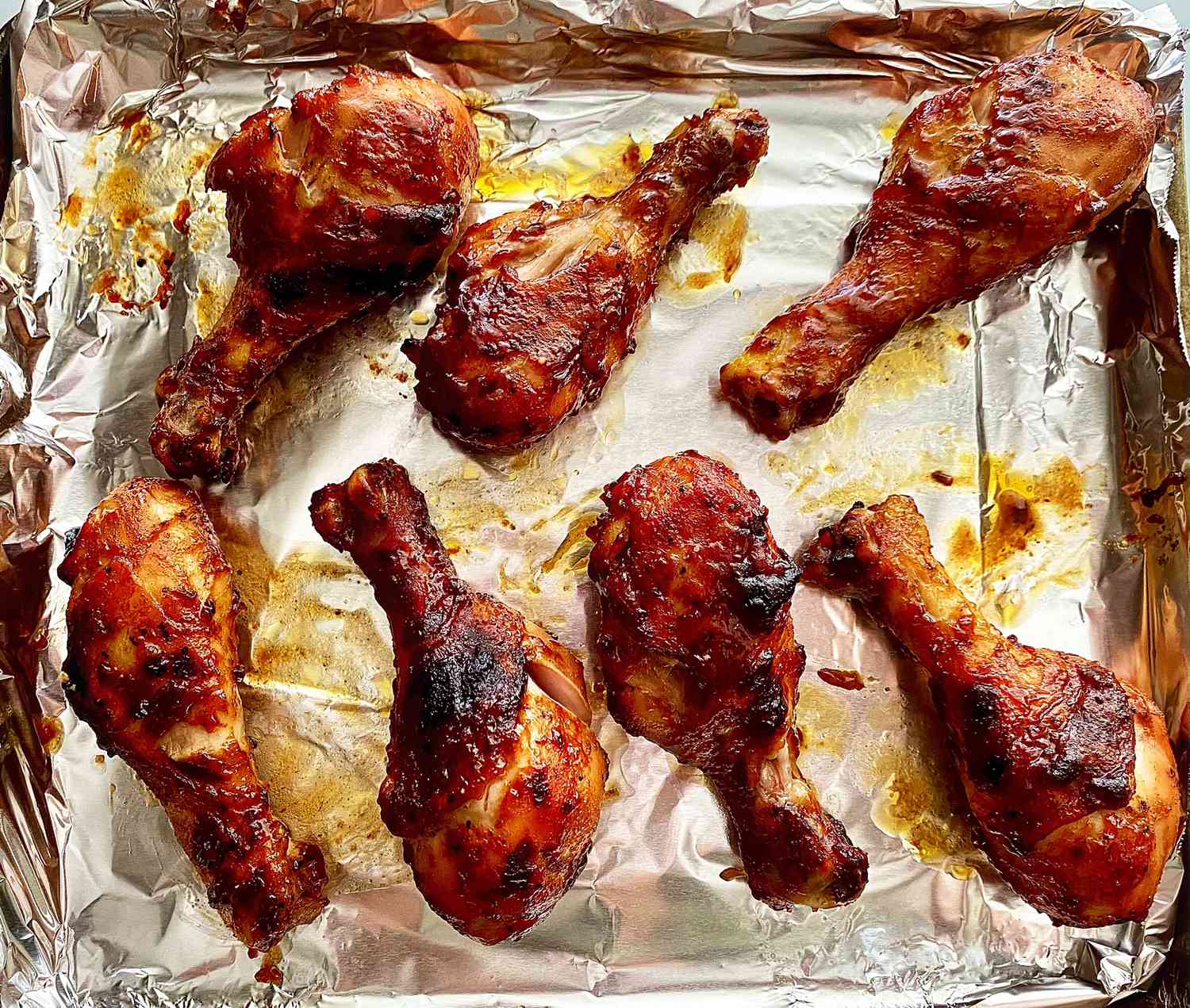
Thursday — Sheet Pan Rosemary-Garlic Chicken Thighs with Rainbow Vegetables — 40 minutes, mostly unattended. Buy the 5 lb pack of thighs this week; half of it goes into week 3.
Friday — One-Pot Tomato Basil Baked Ziti — the last genuinely tomato-forward dinner of the year while late-summer tomatoes are still worth buying.
Week 2: cozy one-pot dinners
First cool nights. The soup pot comes out. If you want more options than the five below, early fall soup season and pumpkin and butternut squash dinners are the deeper lists for this week.
Monday — Slow-Cooker Butternut Squash Soup with Thyme — 15 minutes in the morning, done at 6. Buy pre-cubed squash if breaking down a whole one is the thing that would stop you; the price premium is about $2 and it removes the only real obstacle.
Tuesday — Spiced Turkey Sweet Potato Chili — 45 minutes, freezes for three months, and makes about eight servings from four people's worth of ingredients.
Wednesday — Spiced Chicken & White Bean Chili — the lighter chili, 35 minutes.
Thursday — Midwest-Inspired Beef and Barley Stew — this is the deliberate overproduction night. Make the full batch; Friday lunch is handled.
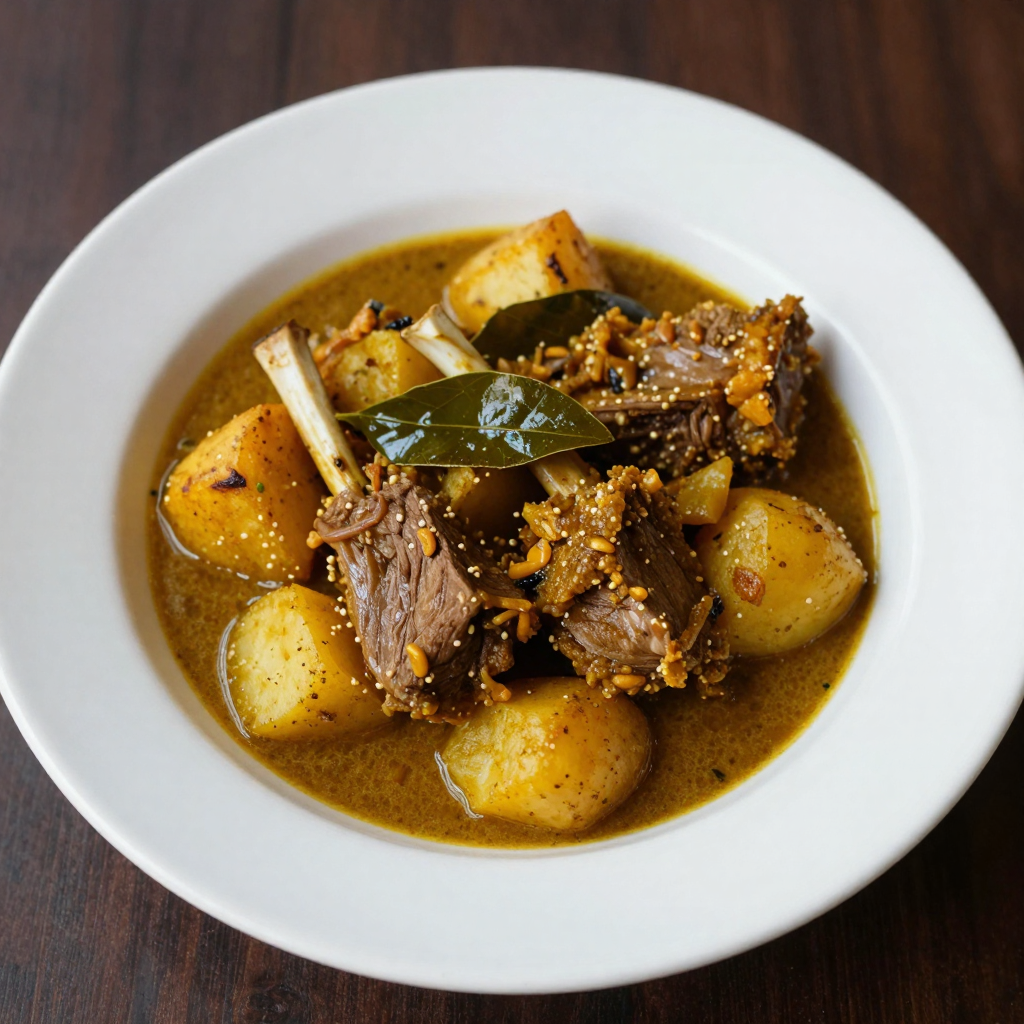
Friday — Slow Cooker Appalachian Beef and Root Vegetable Stew — or push this to Sunday and eat Thursday's leftovers Friday. Either works.
Week 3: sheet pan + slow cooker school-night mode
The week when everything is at once and nothing can require attention at 6pm. Cozy slow cooker fall recipes has 20 more dishes that fit this slot if you want to swap a night.
Monday — Slow Cooker Mississippi Pot Roast with Ranch and Pepperoncini — 10 minutes in the morning, 8 hours on low. Leftovers make sandwiches Wednesday.
Tuesday — Sheet Pan Maple-Glazed Chicken Thighs with Roasted Brussels Sprouts — the second half of week 1's thigh purchase. 40 minutes. Sprouts cut-side down and don't move them.
Wednesday — Sheet Pan Honey-Mustard Chicken Thighs with Broccoli — 35 minutes, and a different enough sauce that nobody notices it's chicken thighs again.
Thursday — Sheet Pan Appalachia-Inspired Roasted Chicken with Root Vegetables — 50 minutes but 8 of them are yours.
Friday — Spiced Pan-Seared Pork Chops with Roasted Sweet Potatoes — 30 minutes. Pull chops at 140°F and rest 5 minutes; the USDA safe temperature for whole-muscle pork is 145°F including carryover, and cooking to 160°F is what makes pork chops dry.
Week 4: Sunday-dinner comfort classics
Genuinely cold now. This is the week the oven earns its keep.
Monday — Homemade Chicken Potpie with Flaky Pastry — 60 minutes. Use store-bought pastry on a school night without apology.
Tuesday — Pan-Seared Pork Chops with Apple Cider Reduction — 30 minutes, and the most seasonal thing in this rotation. Cider is at its cheapest and best in October.
Wednesday — Three-Cheese Baked Ziti with Spinach and Tomato Sauce — assemble Sunday, bake Wednesday. Freezes unbaked for two months.
Thursday — Spiced Red Wine-Braised Beef Short Ribs — three hours, 20 minutes of work. Do this on a Sunday and reheat Thursday; braises are better on day two, not worse.
Friday — Slow-Cooked Southern Braised Pork Shoulder with Collard Greens — feeds eight from a $14 cut. The leftovers become tacos, sandwiches, and a rice bowl.
Sides that carry across all four weeks: Caramelized Onion & Sage Stuffed Acorn Squash, Maple-Glazed Acorn Squash with Crispy Apple Slices, Olive Oil Roasted Sweet Potatoes and Carrots, and Kenosha-Inspired Cranberry and Apple Harvest Salad. For dessert once in the run, September Spice Apple Crisp with Oat Topping. And if the squash soup is a hit, Velvety Butternut Squash Soup with Coconut Milk is the dairy-free variation.
Real-world numbers: time per night
The rotation only holds together if the effort matches the night. Here's what each week actually asks of you, measured as hands-on minutes rather than total time.
| Week | Mon | Tue | Wed | Thu | Fri | Hands-on total |
|---|---|---|---|---|---|---|
| 1 | 12 min | 15 min | 10 min | 10 min | 15 min | 62 min |
| 2 | 15 min | 20 min | 15 min | 25 min | 15 min | 90 min |
| 3 | 10 min | 12 min | 12 min | 8 min | 20 min | 62 min |
| 4 | 25 min | 20 min | 15 min | 20 min | 20 min | 100 min |
Weeks 2 and 4 look heavier and mostly aren't — the extra minutes are browning meat for a stew, which is the one step you can't skip and the one that pays back most. Week 3 is the lightest by design, because it's the week when school and activities are at their worst.
The elapsed times are a different story: the slow-cooker and braise nights run 3-8 hours unattended. That's the trade the rotation is built around. If your schedule can't accommodate an 8-hour slow cooker cycle, the multicooker versions of every week-3 dish run in 45-55 minutes under pressure.
Two worked examples
The Sunday block, in detail. Forty-five minutes, once. Wash and spin two heads of greens, then roll them in a towel in the crisper — they'll hold five days instead of two. Cube a whole butternut squash (12 minutes with a sharp knife and a Y-peeler) and bag it. Dice three onions and four carrots into one container; they go into three different dinners this week. Brown 2 lb of ground turkey and refrigerate it, which turns Tuesday's chili into a 20-minute dinner. Assemble the ziti in its pan, cover, and refrigerate. That's the entire week de-risked for less time than one episode of anything.
The Wednesday that falls apart. Practice runs late, someone has homework, and the plan says sheet-pan chicken thighs at 40 minutes. Two moves: pull Monday's slow-cooker leftovers forward and push the thighs to Thursday, or start the thighs at 425°F and serve them with the pre-washed greens instead of a cooked side. Both are already in the plan. The rotation is designed to have one movable night per week, which is why weekends are left empty — that's where the displaced dinner lands.
Shopping list breakdown
Buy proteins in bulk on week 1 and week 3; buy produce weekly. Approximate costs for a family of four, US averages as of August 2026.
| Week | Bulk protein buy | Produce focus | Weekly total |
|---|---|---|---|
| 1 | 5 lb chicken thighs, 1 lb sausage | Peppers, broccoli, tomatoes | ~$74 |
| 2 | 2 lb ground turkey, 2 lb chuck | Squash, sweet potato, onions | ~$68 |
| 3 | 3 lb chuck roast, 4 pork chops | Brussels sprouts, root veg | ~$79 |
| 4 | 3 lb short ribs, 4 lb pork shoulder | Apples, collards, spinach | ~$86 |
That's roughly $307 for 20 dinners plus leftovers — about $3.84 per person per dinner. The two levers that move it most: buying chuck and pork shoulder rather than premium cuts (both are braising cuts that want long cooking), and buying squash and apples in season rather than out. The USDA's food price outlook is the reference if you want to sanity-check regional variance.
Fall pantry: apples, squash, pears, sweet potatoes, root veg
What's actually in season and cheap, and what to do with it.
| Produce | Peak window | Storage | Best in this plan |
|---|---|---|---|
| Butternut squash | Sept-Dec | 2-3 months, cool + dry | Week 2 soup |
| Acorn squash | Sept-Nov | 1-2 months | Sides, all weeks |
| Apples | Sept-Oct | 4-6 weeks, fridge | Week 4 pork, crisp |
| Sweet potatoes | Sept-Nov | 3-4 weeks, NOT fridge | Weeks 2, 3 |
| Brussels sprouts | Sept-Feb | 1 week, fridge | Week 3 |
| Collards + hardy greens | Sept-Mar | 5-7 days | Week 4 |
| Pears | Aug-Oct | Ripen on counter | Salads, dessert |
| Carrots, parsnips, turnips | Sept-Mar | 3-4 weeks, fridge | Weeks 2, 3, 4 |
Two storage rules that save real money, and both are chilling-injury rules rather than kitchen folklore. Pumpkins and hardshell squash are damaged below about 50°F, so winter squash belongs in a cool dry cupboard rather than the fridge, where it holds for two months and gets sweeter. Sweet potatoes are damaged below about 55°F, and the USDA's storage reference lists the symptoms as pitting, internal discoloration, and "hardcore when cooked" — that last one is precisely the failure people describe when a refrigerated sweet potato stays hard in the center no matter how long it roasts. Both thresholds come from USDA Agriculture Handbook 66 (PDF), the reference table for commercial produce storage. The Seasonal Food Guide gives you the state-by-state version of the table above if your climate is far from the middle, and apple season recipes is the deeper dive on the September-October apple glut.
Cook-ahead and leftover strategy
The rotation assumes about 45 minutes of Sunday work: brown the week's aromatics, wash and dry greens, cube any squash, and assemble one freezer-ready dish. That single block is what makes Tuesday possible.
Leftovers, by the actual rules: cooked dishes hold 3-4 days refrigerated, and the USDA guidance on leftovers is clear that the clock starts when the food comes off the stove, not when it goes in the fridge — get it cooled and covered within two hours. Soups and braises freeze for three months without quality loss. Anything with pasta or potato in it freezes badly; eat those within three days.
Equipment
Two pieces do 80% of this rotation. A 6- or 7-quart heavy Dutch oven handles every soup, stew, chili, and braise in weeks 2 and 4 — look in cookware for something with real wall thickness, because thin pots scorch a long braise at the bottom. Two heavy half-sheet pans from bakeware cover weeks 1 and 3; two, not one, because crowded vegetables steam instead of roasting and that's the difference between browned Brussels sprouts and sad ones.
A slow cooker or multicooker from small appliances is what makes week 3 work at all — it's the only tool here that cooks while nobody is home. Stackable storage containers matter more in a rotation than in one-off cooking, because the cook-once-eat-twice math only pays off if the leftovers are visible and portioned. And a sturdy peeler and a Y-peeler from utensils turn the week's root-vegetable prep from a chore into four minutes.
Common pitfalls
Planning seven nights. Five. The plan survives contact with reality only if there's slack in it.
Front-loading October food into early September. Nobody eats stew at 88°F, and a rejected dinner is a wasted shop.
Crowding sheet pans. Vegetables need space to roast. Two pans, 425°F, single layer.
Skipping the Sunday block. It's 45 minutes and it's the load-bearing element of the whole rotation.
Cooking pork to 160°F. 145°F plus a 5-minute rest, per USDA. This one change makes the two pork nights dramatically better.
Refrigerating winter squash and sweet potatoes. Both go in a cool dry cupboard, not the fridge — hardshell squash is injured below 50°F and sweet potatoes below 55°F, which is warmer than any refrigerator setting.
When this plan isn't the right one
If your household has fewer than three people, halve it and expect the braises to feed you for five days — that's a feature only if you like leftovers. If you're feeding one or two, the 30-minute weeknight plan scales down more gracefully.
If your evenings are so compressed that even 30 minutes is optimistic, run the slow cooker plan instead and treat this article as the source for weekend dinners only. And if you want more of the braise-and-Dutch-oven end of this, the Dutch oven dinners list is the deeper cut. EatingWell's fall dinner gallery and BBC Good Food's autumn collection are good places to swap in substitutions.
How AislePrompt builds this plan around your family and diet
Add a week at a time to your shopping list and AislePrompt consolidates every overlapping ingredient into one line — the onions, the chicken stock, and the olive oil across five dinners become three items, not fifteen. The meal plan tool holds the whole four-week arc and shifts nights around when your week changes, so a canceled Wednesday moves the long-cook dish rather than wasting it.
The AI chat is where this stops being a generic plan: tell it how many people, which allergies, and what nobody in the house will eat, and it will rebuild the rotation around those constraints while keeping the bulk-buy structure intact. Ask it for the dairy-free version, the gluten-free version, or the version where two nights a week are vegetarian, and the weekly shopping lists regenerate to match.
Sources
- EatingWell — fall dinner recipes
- BBC Good Food — autumn recipes
- USDA FSIS — Leftovers and food safety
- Seasonal Food Guide
- USDA ERS — Food Price Outlook
- USDA Agriculture Handbook 66 — The Commercial Storage of Fruits, Vegetables, and Florist and Nursery Stocks
Frequently asked questions
How long does the shopping trip for a week of this plan take?
Can I skip a night and eat leftovers instead?
What if my family has picky eaters or one allergy?
How much does this 4-week plan cost per week for a family of 4?
What kitchen equipment do I need for this plan?
Recipes to start your week with
Save any of these to My Recipes — no account needed — and send the ingredients to Instacart in one tap.