Leave-in Probe or Instant-Read Thermometer for Turkey? Which One, and Why Many Hosts Use Both
A leave-in probe tells you when to come back to the oven; an instant-read tells you the whole bird is done. Here is how to pick, and where each one goes.
Where to buy these picks
Affiliate links: we may earn a commission on qualifying Amazon purchases. Policy. Prices show only when checked in the last 24 hours.
- TempPro TP17 Dual Probe Digital Cooking Meat Thermometer Large LCD Backlight Food Grill… $22.99 at Amazon, Check price on Amazon →
- MEATER Pro: Smart Bluetooth Wireless Meat Thermometer Digital $99.99 at Amazon, Check price on Amazon →
- Professional Digital Meat Thermometer $19.98 at Amazon, Check price on Amazon →
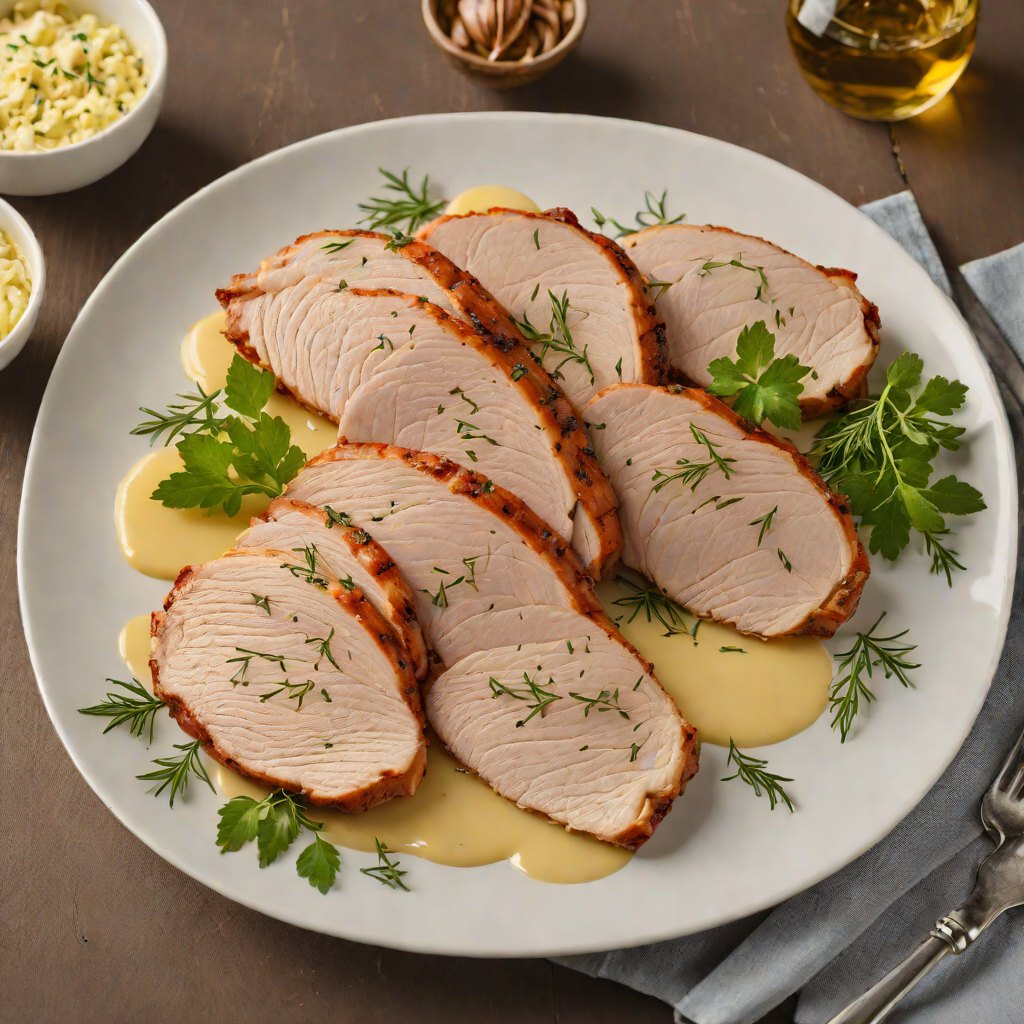
Should you use a leave-in probe or an instant-read thermometer for turkey? Use both if you can. A leave-in probe stays in the bird for the whole roast and sounds an alarm at your target, so the oven door stays shut. An instant-read then spot-checks the thigh, the wing and the stuffing in seconds before you carve. USDA's safe minimum for all poultry is 165°F. If you buy only one, buy the probe if you roast in the oven or a smoker, and the instant-read if you mostly cook weeknight chicken.
Already know you want one and just need a model? We have a full guide for each type. Our best leave-in probe thermometers guide ranks five probes, wired and wireless. Our best instant-read thermometers guide ranks five spot-check models. This article covers the step before those: which type a turkey cook needs, where each one goes in the bird, and when one is enough.
Thanksgiving falls on Thursday, November 26, 2026. If you are buying a thermometer for the first time, order it now so you can practice on a herb-rubbed roast chicken before the bird that matters.
Leave-in probe vs instant-read: what each one actually does
The two tools answer different questions. A leave-in probe answers "when will it be done?" It reads continuously from one spot. An instant-read answers "is it done everywhere?" It reads one spot at a time, but in seconds, and you can move it around.
The USDA's kitchen thermometer guide makes the same split. It describes oven-safe and probe-style thermometers as tools that stay in the food while it cooks. It says digital instant-read thermometers are not designed to stay in the food in the oven, and should be used near the end of cooking to check the temperature.
The table below sticks to facts you can check on a maker's spec page or in the type's design. Read speed and range are the makers' stated figures for the models in our two parent guides, not our measurements.
| Feature | Leave-in probe | Instant-read |
|---|---|---|
| How it reads | Continuously, from one fixed spot, for the whole cook | On demand, one spot at a time, then you pull it out |
| Wired or wireless | Both exist: wired units run a heat-rated cable out of the oven door; wireless probes talk to an app over Bluetooth (MEATER states about 250 ft in a typical home for the MEATER Pro) | Handheld, no cable to the oven |
| Alarm at target | Yes, the core feature (high/low alarm on the TempPro TP17) | No; you read the number yourself |
| Number of probes | One to four, depending on model (the TP17 has two) | One tip |
| Stays in the oven? | Yes; probe and cable are rated for oven heat (MEATER Pro ambient sensor rated to 1,000°F) | No; the body is not built to stay in a hot oven |
| Read time (maker's figure) | Continuous; the TP17 refreshes once per second | About 1 second on the ThermoMaven Professional listing; the Alpha Grillers listing does not headline a one-second figure |
| Price tier | Wired dual-probe under $50; wireless $75–$125 and up | Roughly $15–$30 for the two picks below |
The short version is in the first column. If you want the oven to tell you when to come back, you need a probe. If you want to check more than one place on the bird, you need an instant-read, or a probe with enough channels.
Other gear this guide links
Prices are shown only when checked in the last 24 hours; otherwise check the current price on Amazon.
Where to measure a turkey (USDA's three spots)
USDA's Let's Talk Turkey roasting guide names the places to check a whole bird. Each one has to read 165°F:
1. The thickest part of the breast. White meat is the part that dries out when you overshoot, so this number matters most for texture.
2. The innermost part of the thigh and the innermost part of the wing. The thigh sits close to the body cavity and is often the slowest dark meat to come up.
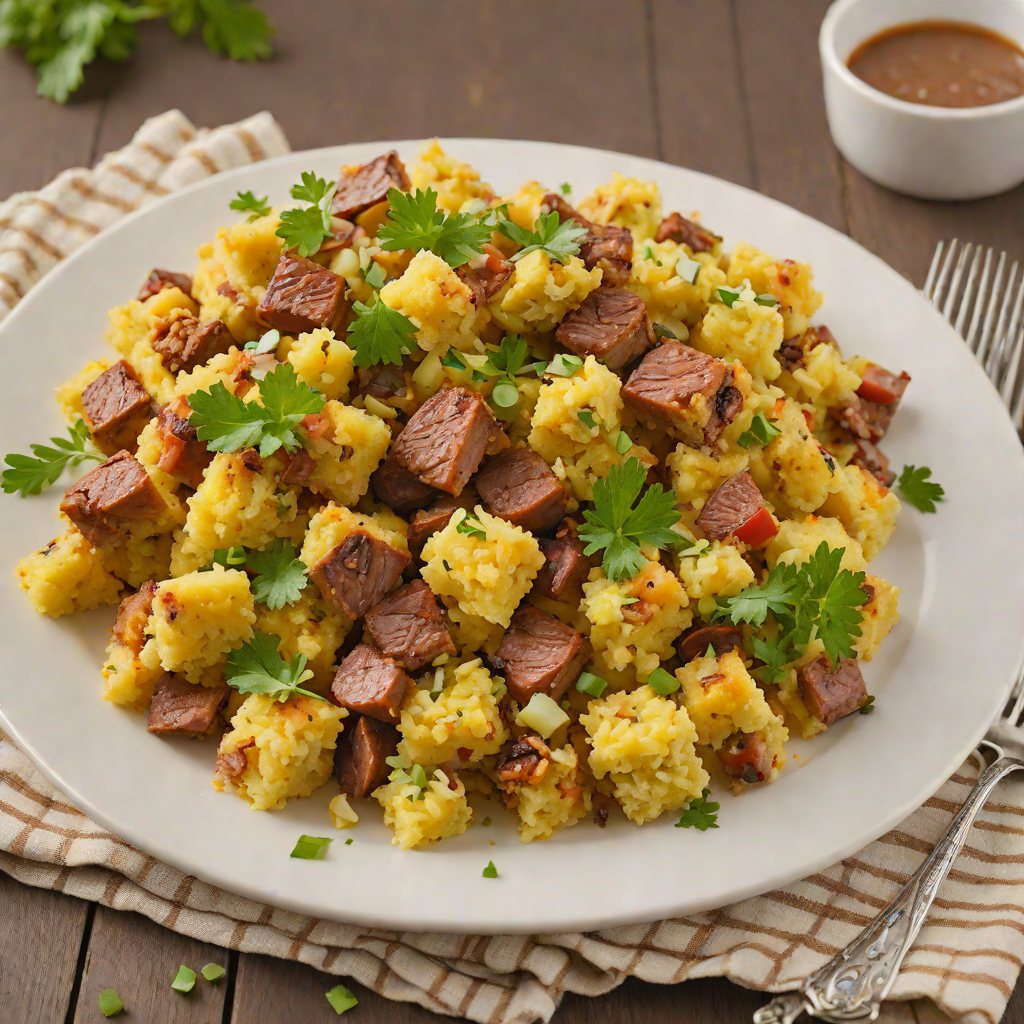
3. The center of the stuffing, if you cook it inside the bird. Stuffing in the cavity heats last, and it absorbs juices from raw poultry, so it has to reach 165°F on its own. USDA recommends cooking stuffing separately, as in this cornbread and sausage stuffing, because a stuffed bird is harder to get fully cooked.
The FoodSafety.gov minimum-temperature chart gives the same 165°F figure for whole poultry, parts, ground poultry and stuffing.
How to place the tip:
- Push the tip toward the center of the thickest meat, not just under the skin.
- Keep the tip off bone. Bone conducts heat differently from the meat around it and gives a misleading reading.
- For the thigh, go in from the side between the leg and the body, aiming toward the joint without touching it.
Where the leave-in probe goes. A single probe can only watch one of those spots, and both choices are defensible. Put it in the thickest part of the breast if your worry is dry white meat; that is the number that tells you when to pull the bird. Put it in the thigh if your oven or bird tends to leave the dark meat lagging; our leave-in probe guide takes that approach. A two-probe unit removes the choice: one probe in the breast, one in the thigh. Whichever you use, confirm the spots the probe isn't watching with an instant-read before you carve.
Which one to buy if you buy only one
Decide by how you actually cook, not by what you'll cook on one Thursday in November.
You roast whole birds and big cuts in the oven
Buy the leave-in probe. A 14-pound turkey can take three hours or more, and every time you open the door to check, the oven loses heat. A probe with an alarm turns the cook into "set the target, close the door, wait for the beep." The same tool handles a slow-roasted prime rib at Christmas and a pork shoulder in February.
You can confirm the other spots with the probe itself: pull it out at the end and push it into the thigh or the stuffing. It is slower than an instant-read, but it works.
You smoke
Buy the leave-in probe, ideally with two channels. On a smoker, the risk is as often the fire as the meat: a pit that drifts from 275°F down to 200°F stretches the cook by hours. A dual-probe unit like the TempPro TP17 can put one probe in the meat and clip the other to the grate to watch the air temperature. Its high/low alarm tells you when the pit leaves your range. A smoked whole turkey with citrus and herb brine is a long, low cook where that second channel earns its place.
You mostly cook quick weeknight chicken, chops and steaks
Buy the instant-read. A boneless chicken breast or a pork chop cooks in minutes, so a probe's alarm has little to wait for. You also lose time threading a cable or pairing an app for a 12-minute cook. An instant-read gives you the number in about a second, then goes back in the drawer. It still works on the holiday bird: you just open the oven a few more times near the end.
You host Thanksgiving and also cook every week
Buy both. This is the common answer, and it is why the title says many hosts use both. The probe runs the roast, the instant-read checks the other spots, and the instant-read keeps working the other 51 weeks of the year. The two together sit in roughly the same tier as a single premium wireless probe.
Our picks (from the parent guides)
We did not add new models for this article. The four picks below come straight from our two full guides, so the reasoning there still applies. Use the buttons to check the live price; prices move too often to quote here.
Leave-in probe: TempPro TP17 Dual-Probe (value, two channels)
The TempPro TP17 is the wired, two-probe pick in the under-$50 tier. According to TempPro's TP17 page it has:
- two stainless probes and a stated range of 14–572°F
- ±1.8°F stated accuracy
- USDA presets and a high/low alarm
- a backlit display with a magnetic back
TempPro is the name ThermoPro now sells under, so older reviews call this model the ThermoPro TP17. For a turkey, the second probe is the point: breast and thigh at once, or meat and oven air.
The trade-off is the cable. Route it through the hinge side of the oven door so the door doesn't pinch it. Check the live price
Leave-in probe: MEATER Pro (wireless)
The MEATER Pro is the wireless pick in the $75–$125 tier. MEATER's product page lists:
- an ambient sensor rated to 1,000°F
- ±0.5°F stated accuracy
- Bluetooth range of about 250 feet in a typical home
- a dishwasher-safe probe
There is no cable to route through the oven door. The app reads both the meat and the air around it.
The limits: it has one probe, so it watches only one spot, and a closed oven full of metal shortens Bluetooth range. Pair it with an instant-read for the thigh check. Check the live price
Instant-read: ThermoMaven Professional (best overall)
The ThermoMaven Professional is the top spot-check pick in our instant-read guide. The listing claims:
- a 1-second read and ±0.5°F accuracy
- NIST-traceable calibration and NSF certification
- an auto-rotating display and a waterproof body
That is what you want for the 30-second round of thigh, wing and stuffing checks before you carve. Check the live price
Instant-read: Alpha Grillers (value)
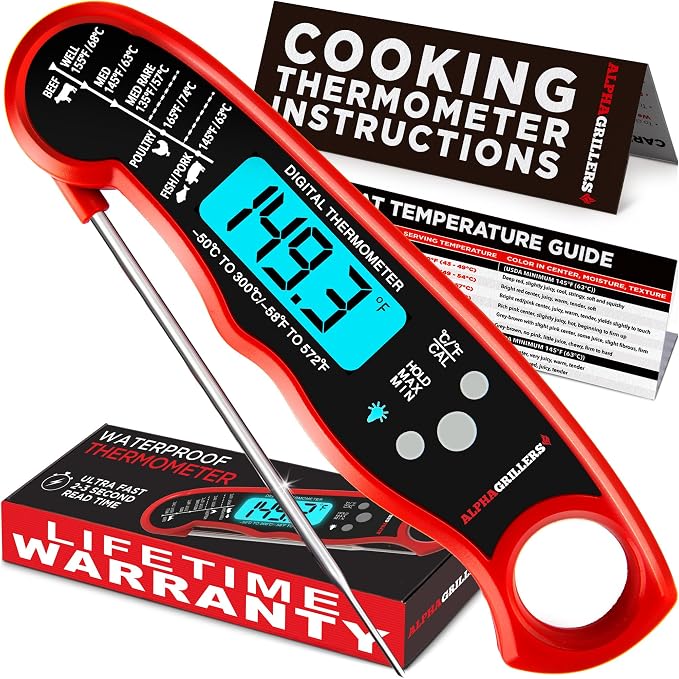
The Alpha Grillers instant-read is the budget pick. It reads slower than the ThermoMaven and has no NIST paperwork, but it is cheap enough to keep two: one for raw meat, one for finished food. If you want the head-to-head against a premium model, read our Javelin PRO vs Alpha Grillers comparison. Check the live price
More options in both styles live in our kitchen gadgets catalog.
A turkey-day routine with both thermometers
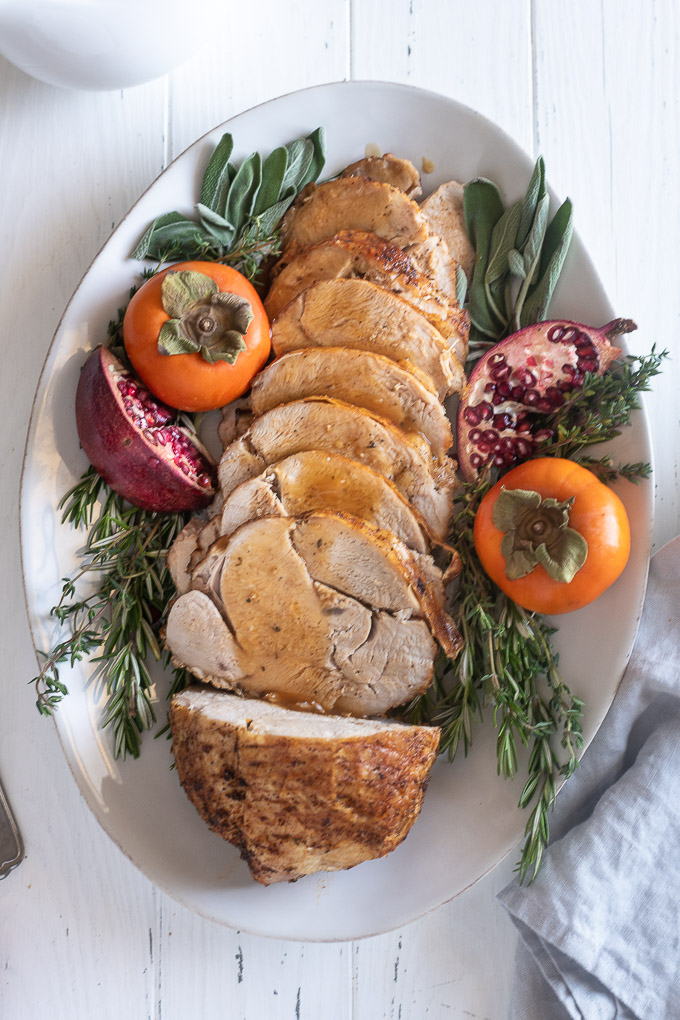
Here is how the two tools split the work on a classic oven-roasted turkey with herb butter and stuffing or an oven-roasted turkey with sage and citrus butter:
1. Before the bird goes in, check your instant-read in ice water. It should read 32°F, or within the maker's stated tolerance. If it doesn't, recalibrate it if the model allows, or rely on the probe. Charge and pair a wireless probe, or put fresh batteries in a wired base.
2. Insert the probe into the thickest part of the breast (or the thigh), tip in the center of the meat and off the bone. On a two-probe unit, put the second probe in the other spot or clip it to the rack for oven air.
3. Set the alarm a little under 165°F. A big roast keeps climbing after it leaves the oven. An early warning gives you time to start the instant-read checks before the breast overshoots. Leave the door shut until it sounds.
4. When the alarm goes, spot-check with the instant-read: the other thigh, the innermost part of the wing, the breast on the side away from the probe, and the center of the stuffing if the bird is stuffed. Every spot has to read 165°F.
5. Rest, then carve. If you are not sure how to carve the bird, our carving knife guide covers the cuts.
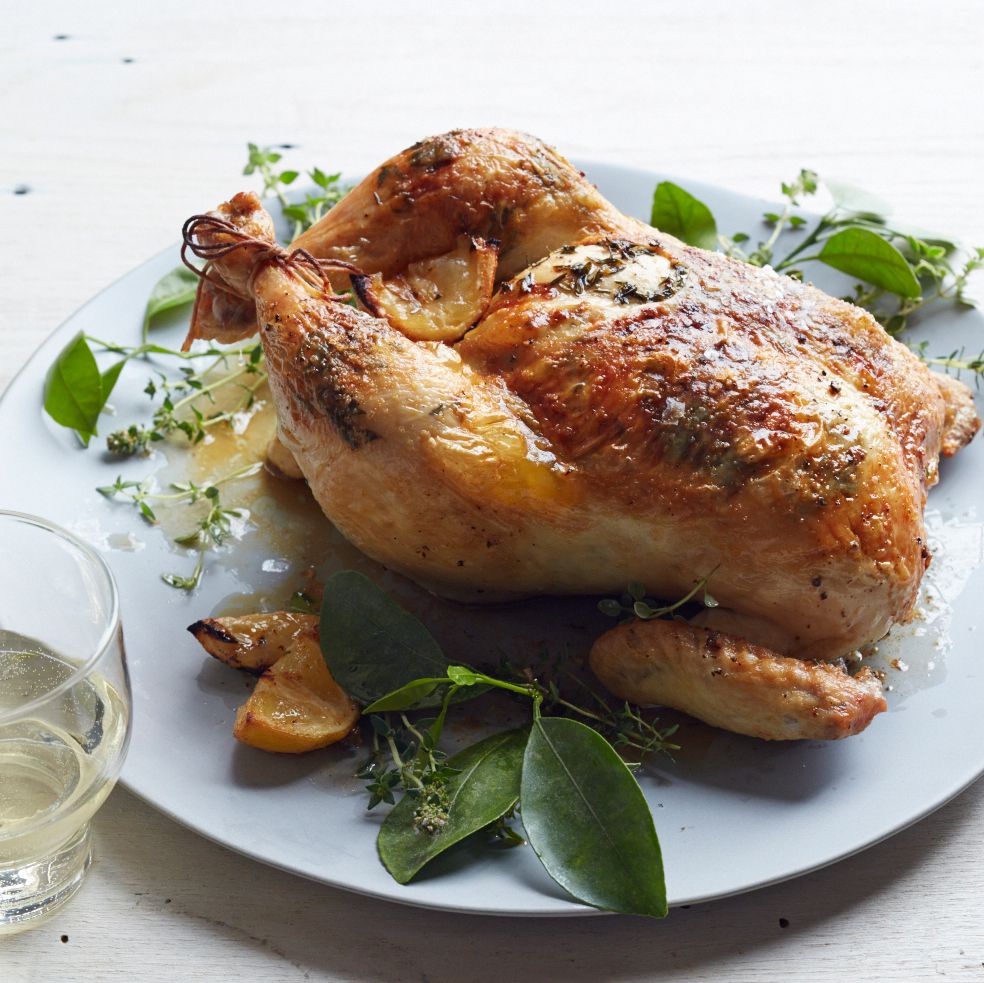
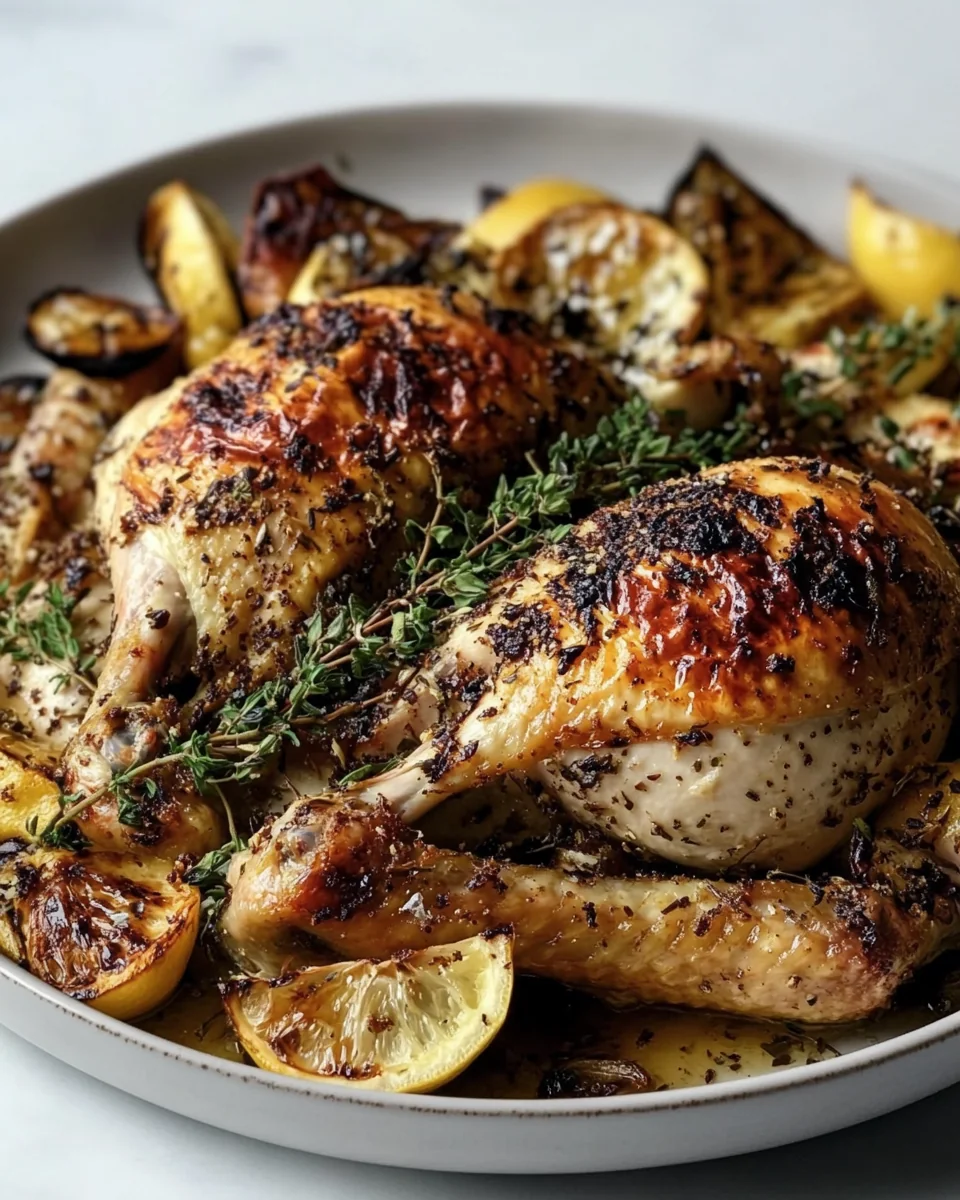
The routine works the same for a spatchcocked bird, which cooks faster and more evenly because it lies flat. The spatchcocked lemon-herb chicken uses the same probe placement on a smaller scale. It makes a good practice run.
For a smoked bird such as a hickory-smoked whole turkey with applewood glaze, keep one probe on the pit temperature the whole time. If the pit drifts low, the cook can run hours longer than planned.
Common pitfalls
- Probe touching bone. The reading jumps, the alarm fires early, and you pull an undercooked thigh. Re-seat the probe so the tip sits in meat only.
- Tip too shallow. Just under the skin, the probe reads the outside of the bird, which heats far faster than the center. Aim for the center of the thickest part.
- A pinched cable. Wired probe cables fail most often where an oven door closes on them. Run the cable along the hinge side, and keep it off direct flame on a grill.
- Trusting the pop-up timer. It reads one spot and tells you nothing about the thigh or the stuffing. USDA recommends a food thermometer even when the bird has one.
- Leaving an instant-read in the oven. Most instant-read bodies are plastic and not built for oven heat. Check, then take it out.
- Checking only one spot. A single probe reading of 165°F in the breast says nothing about the thigh on the other side. Always finish with a second-spot check.
When a single thermometer is enough
- You only cook a turkey breast or a bone-in breast roast. With one muscle and no stuffing, a single probe or a single instant-read covers it. Try a pan-roasted turkey breast with herb-infused gravy and you will only ever check one spot.
- You deep-fry or spatchcock and stand over the bird anyway. You are already watching it, so an instant-read alone does the job.
- You never roast anything large. If the biggest thing you cook is a smoked brined turkey breast once a year, the instant-read is the one to own.
How we picked
We did not run accuracy or read-speed tests for this article, and none of the numbers above are our measurements. The four picks are the selections from our two parent guides:
Both guides built their shortlists from the active thermometers in our kitchen catalog. Specs come from the makers' own product pages and listings, and each claim is attributed to its maker. Temperatures and measuring spots come from USDA's Food Safety and Inspection Service and FoodSafety.gov. Price tiers are ranges, not point prices; the live price sits behind each button.
Sources and further reading
- USDA FSIS — Safe Minimum Internal Temperature Chart
- USDA FSIS — Let's Talk Turkey: A Consumer Guide to Safely Roasting a Turkey
- FoodSafety.gov — Safe Minimum Internal Temperatures
- USDA FSIS — Kitchen Thermometers
- MEATER — MEATER Pro product page
- TempPro — TP17 leave-in meat thermometer
Keep planning the day:
- Thanksgiving kitchen gear checklist: everything else you need before Thursday
- Roasting pan vs foil pan for turkey: what to roast the bird in
- Javelin PRO vs Alpha Grillers: the instant-read head-to-head
Frequently asked questions
What temperature is a turkey done?
Where do I put a leave-in probe in a turkey?
If I can only buy one thermometer, which should it be?
Are wireless probe thermometers worth it over wired ones?
Can I use the pop-up timer that comes with the turkey?
Can I leave an instant-read thermometer in the turkey while it roasts?
Recipes to try with a meat thermometer
Put your gear to work — save any recipe to My Recipes (no account needed) and send its ingredients to Instacart in one tap.
Shop kitchen gadgets on AislePrompt →Browse the full kitchen shop →