Best Pie Dishes in 2026: Glass, Ceramic and Metal Pie Pans for a Crisp Bottom Crust
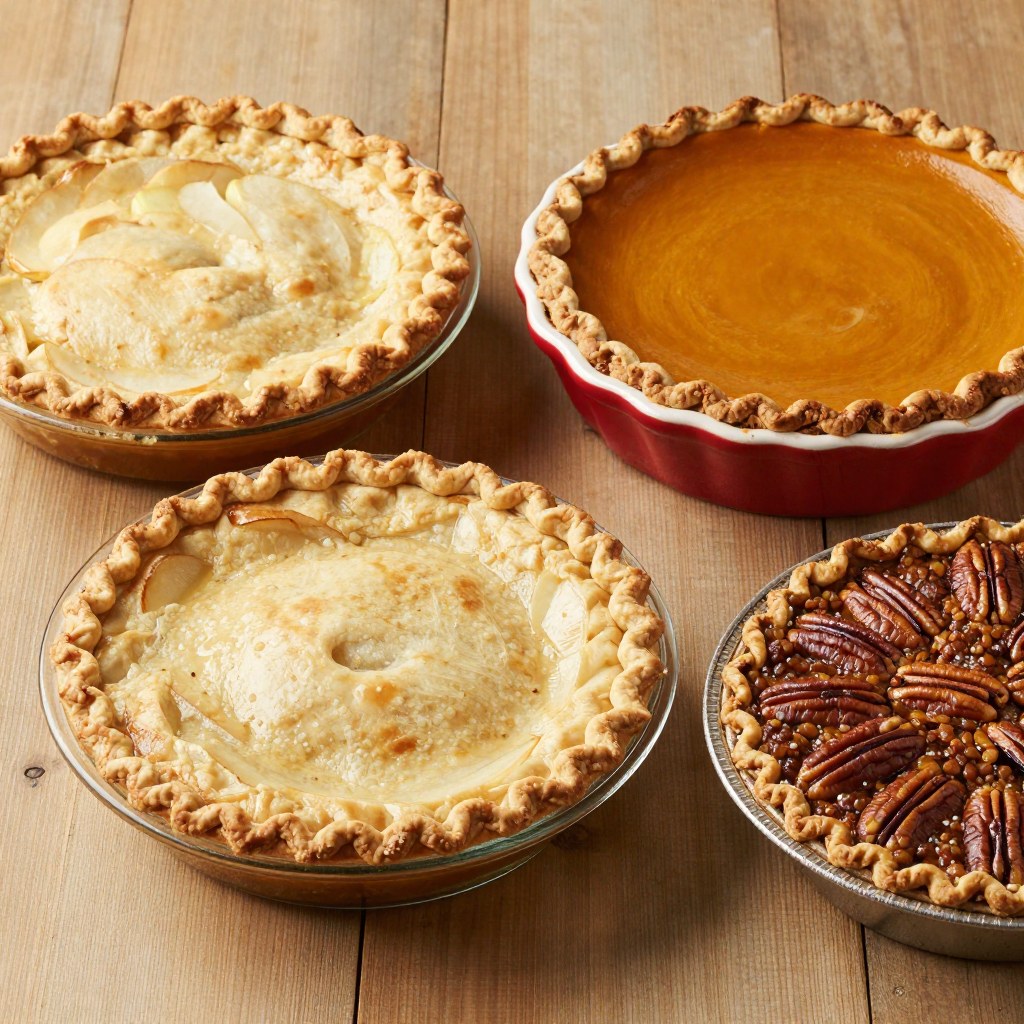
Glass shows you the bottom crust, metal browns it fastest and ceramic looks best on the table. Five dishes, one for each kind of baker.
Where to buy these picks
Affiliate links: we may earn a commission on qualifying Amazon purchases. Policy. Prices show only when checked in the last 24 hours.
- Best Overall: OXO Good Grips Glass Pie Plate with Lid $14.39 at Amazon, Check price on Amazon →
- Best Value: Pyrex 9-inch Glass Pie Plate (2-pack) $22.99 at Amazon, Check price on Amazon →
- Best for Beginners: GoodCook Everyday 9-inch Nonstick Pie Pan $6.20 at Amazon, Check price on Amazon →
- Best Premium: Emile Henry 9-inch Modern Classics Pie Dish $48.85 at Amazon, Check price on Amazon →
- Best Budget Metal (fastest browning): Cuisinart Chef's Classic 9-inch Deep-Dish Pie Pan $14.95 at Amazon, Check price on Amazon →
For a crisp bottom crust, the best pie dish for most bakers is the OXO Good Grips Glass Pie Plate with Lid, under $25. Clear borosilicate glass lets you lift the pie and see whether the bottom has browned, so you don't have to guess. The best value is a Pyrex 9-inch glass pie plate two-pack, and the best for beginners is the wide-rimmed GoodCook Everyday 9-inch nonstick steel pan, under $10.
Thanksgiving 2026 is Thursday, November 26, and a pie dish is one of the few pieces of bakeware most kitchens use mainly that week. Below are five dishes across glass, ceramic and metal, with the trade-offs explained: what each material does to the bottom crust, why a deep-dish recipe overflows a standard plate, and which dishes the makers say can go from freezer to oven.
Picks at a glance
| Award | Model | Material | Diameter / depth | Price tier |
|---|---|---|---|---|
| Best Overall | OXO Good Grips Glass Pie Plate with Lid | Borosilicate glass | 9 in; 2.1 in listed height | Under $25 |
| Best Value | Pyrex 9-inch Pie Plate (2-pack) | Glass | 9 in x 1.2 in | Under $30 for two |
| Best for Beginners | GoodCook Everyday 9-inch Pie Pan | Nonstick carbon steel, wide rim | 9 in; 1.5 in; 4 cups | Under $10 |
| Best Premium | Emile Henry 9-inch Modern Classics Pie Dish | Burgundy clay ceramic | 9 in; 1.4 qt | $40–$60 |
| Best Budget Metal | Cuisinart Chef's Classic 9-inch Deep-Dish Pie Pan | Nonstick aluminized steel | 9 in, deep-dish | Under $20 |
Dimensions and capacities are as each maker lists them. Live prices appear on each product page. If you'd rather browse the full range, shop pie dishes and bakeware on AislePrompt →.
Our top 5 picks
Best Overall: OXO Good Grips Glass Pie Plate with Lid
The OXO Good Grips Glass Pie Plate with Lid gets every Thanksgiving job right, including the drive to someone else's house.
- Borosilicate glass. OXO lists borosilicate construction and says the plate can go between oven, microwave and freezer. Borosilicate glass has a much lower thermal expansion than ordinary soda-lime glass, which is why it handles temperature swings better.
- Generous rim and a 9-inch marking. The wide rim gives you a grip with oven mitts on and room to crimp. The 9-inch marking is molded into the glass, so you can match it to a recipe at a glance.
- BPA-free lid. The translucent lid snaps on for storage and transport. The listing describes it as leak-proof. Oven-safe temperature is listed at 450°F for the dish (the lid stays out of the oven).
Pros: you can see the bottom browning, the lid makes transport easy, and it's freezer, microwave and dishwasher safe. Cons: glass heats more slowly than metal, so the bottom crust needs a longer bake or a hot sheet pan underneath. The listing's 2.1-inch height suits standard recipes, not deep-dish.
Best Value: Pyrex 9-inch Glass Pie Plate (2-pack)
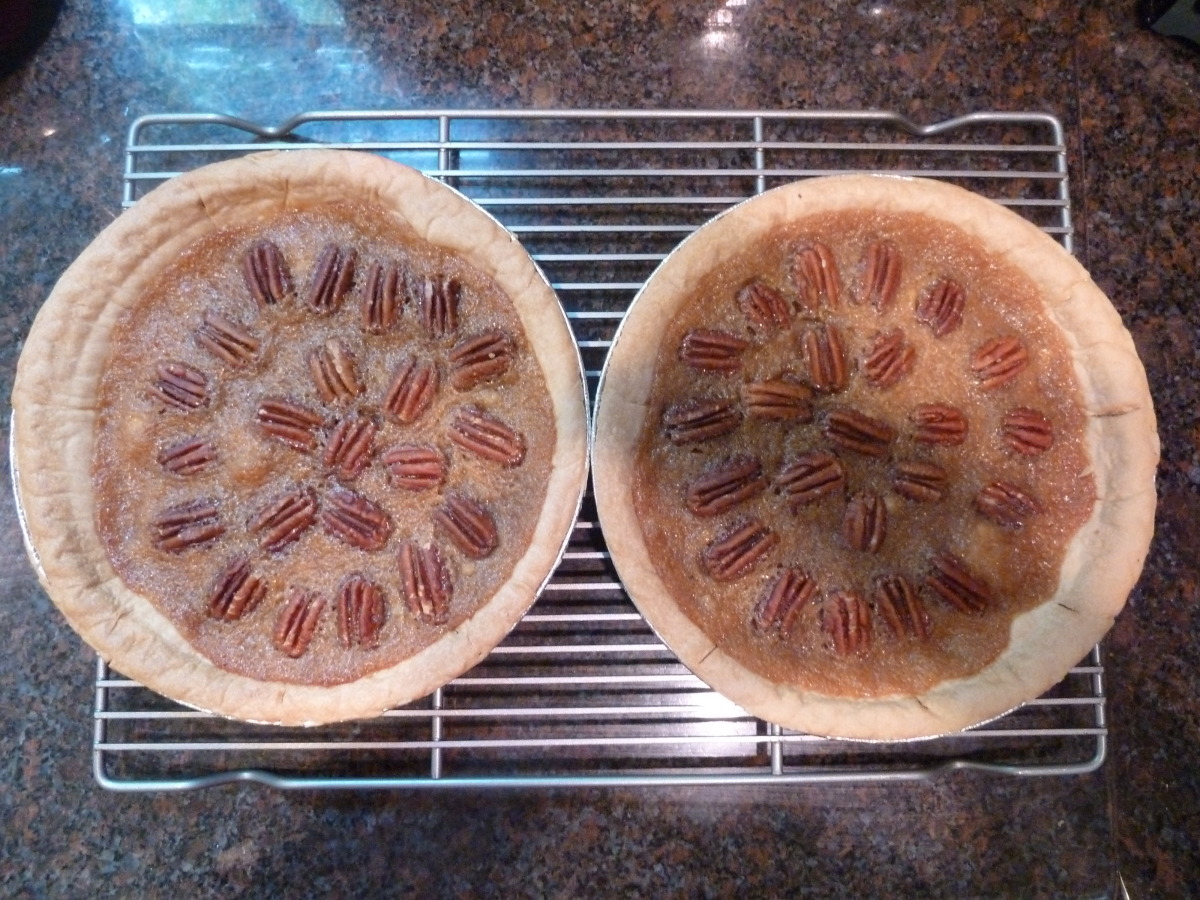
The Pyrex 9-inch pie plate two-pack is the classic clear plate, and two of them let you bake pumpkin and pecan side by side.
- Clear glass, 9 x 1.2 inches. That's a standard (not deep-dish) depth, the size most single-crust pumpkin and custard recipes assume.
- Made in the USA. The listing names the US-made Pyrex line.
- Two plates. One for the pie and one to blind-bake a second crust or hold a crumble.
Pros: the lowest per-plate cost of the glass options, the same see-the-bottom advantage, and a shallow depth that browns well. Cons: US-market Pyrex has been made from tempered soda-lime glass rather than borosilicate for decades (see Pyrex on Wikipedia), so follow the thermal-shock cautions below strictly. There's no lid either.
Best for Beginners: GoodCook Everyday 9-inch Nonstick Pie Pan
The GoodCook Everyday 9-inch pie pan is the cheapest pan here, and it's the most forgiving one for a first pie.
- Wide rim. GoodCook designed it to be easy to grab with oven mitts. It also gives a first-time crimper room to work and supports a foil crust shield.
- Nonstick carbon steel, 4-cup capacity. The listing gives 10.8 x 9.7 x 1.5 inches overall and says the nonstick is metal-spatula safe, so you can serve slices straight from the pan.
- Rated to 450°F, and backed by a limited lifetime warranty.
Pros: metal browns the bottom faster than glass, the nonstick releases the first slice cleanly, and it's very cheap. Cons: you can't see the bottom crust, the dark finish can over-brown a sugary filling, and it won't look like much on the table.
Best Premium: Emile Henry 9-inch Modern Classics Pie Dish
The Emile Henry 9-inch Modern Classics pie dish is made for the table as much as the oven, and it's the usual gift-grade pick.
- Burgundy clay, made in France. Emile Henry describes the clay as high-resistance ceramic with strong heat retention, so the pie stays warm on the table longer. See the maker's own range at emilehenry.com.
- Freezer to oven to table. The maker says the dish can go straight from freezer or refrigerator into a hot oven. It's oven safe to 520°F and also broiler and microwave safe.
- 1.4-quart capacity in a 9-inch dish, with a hard glaze the maker says won't scratch or craze. It comes with a 10-year guarantee.
Pros: it's the only dish here the maker rates for freezer-to-hot-oven use, it holds heat at the table, and the fluted edge is attractive. Cons: ceramic is the slowest of the three materials to brown a bottom crust, and the dish is in the premium tier. If you prefer Le Creuset, the Le Creuset Heritage 9-inch stoneware pie dish is the same idea, rated for -9°F to 500°F and listed at 2.2 inches deep.
Best Budget Metal (fastest browning): Cuisinart Chef's Classic 9-inch Deep-Dish Pie Pan
The Cuisinart Chef's Classic 9-inch deep-dish pie pan is the pick when the bottom crust matters more than anything else.
- Heavy-gauge aluminized steel. Metal conducts heat into the crust quickest, so the bottom sets before the filling soaks it.
- Extra-thick rolled edges that Cuisinart says resist warping, plus a nonstick interior.
- Deep-dish 9-inch, rated to 500°F and dishwasher safe. Cuisinart pitches it for deep-dish apple and other fruit pies.
Pros: the fastest browning here, a deep-dish capacity in a light pan, and a budget price. Cons: it's opaque and won't win any table-presentation points. Nonstick also means no metal pie servers if you want the coating to last.
Glass vs ceramic vs metal
The material decides how fast heat reaches the bottom crust, and that decides whether you get a crisp base or a pale, damp one.
| Material | How it heats | Bottom-crust browning | Best for | Watch out for |
|---|---|---|---|---|
| Metal (aluminized steel, aluminum, carbon steel) | Conducts fastest, cools fastest | Fastest | Fruit pies, blind-baked crusts, anyone fighting soggy bottoms | Dark finishes over-brown sugary fillings; opaque |
| Glass (borosilicate or tempered soda-lime) | Slower to heat, holds heat well | Moderate, and you can see it | Custard pies (pumpkin, pecan), learning when a crust is done | Thermal shock; follow the maker's limits |
| Ceramic / stoneware | Slowest to heat, holds heat longest | Slowest | Serving at the table, quiche, savory pies, gifts | Longer bakes; needs a hot sheet pan under it for crisp bottoms |
Metal is the bottom-crust specialist. A thin pan heats up quickly, so the fat in the crust melts and steams early, which gives you a flaky, set base before the filling's moisture soaks in. That's why many bakers blind-bake a crust in metal for custard and cream pies. The counter-case: a dark nonstick pan can over-brown the edges on a long bake, so tent the rim with foil after the first 25 to 30 minutes.
Glass is the teaching material. It heats more slowly than metal, but you can pick up the pie and look underneath. If the bottom is still pale and the top is done, you know to move the pie to the lowest rack for ten more minutes. For a Homemade Pumpkin Pie with Spiced Pecan Crust or a Classic Southern Buttermilk Pecan Pie, where the custard sets before the crust has had time to crisp, that visibility is the whole advantage. The counter-case: glass is the one material where thermal shock is a real failure mode (more on that below).
Ceramic is the presentation material. It's slowest to heat and slowest to cool, so it's the worst at a crisp bottom and the best at keeping a pie warm through dinner. The counter-case is easy to fix: preheat a heavy sheet pan on the lowest rack and set the ceramic dish on it. That direct bottom heat makes up much of the gap. Ceramic suits savory pies, like a Thanksgiving Turkey Pot Pie with Herb-Infused Gravy the day after, where nobody judges the bottom crust.
9-inch standard vs deep-dish
"9-inch" describes the diameter, not the volume, and the volume is what overflows. Compare the listings above. The GoodCook standard pan lists 4 cups. The Emile Henry lists 1.4 quarts, which is about 5½ cups. The Cuisinart is sold explicitly as deep-dish. A recipe written for a deep-dish pan carries roughly a third more filling than a standard 9-inch plate can hold.
What that means in practice:
- Deep-dish recipe, standard plate: the filling rides up over the crust, bubbles over onto the oven floor, and the center underbakes because it's deeper than the recipe expected. Scale the filling down by about a quarter, or bake the extra in a ramekin.
- Standard recipe, deep-dish pan: the filling sits low and the crust walls stand tall and empty. They can scorch, and the pie looks underfilled. Trim the crust lower, or scale the filling up.
- Apple pies shrink. Raw apple slices collapse as they cook, so a Cinnamon-Spiced Apple Pie is usually mounded high in a deep dish on purpose. A standard plate works if you precook the apples briefly first.
If you only buy one dish, a standard-depth 9-inch glass plate matches the most recipes. Add a deep-dish metal pan if apple is your house pie, such as the Bourbon-Pecan Crust Apple Pie.
Fluted vs flat rim, and oven, broiler and freezer limits
Fluted rims (the scalloped edge on the Emile Henry and many ceramics) give you a decorative edge without hand-crimping. Press the dough into the flutes and trim. Flat, wide rims (OXO, GoodCook) give you room to crimp or fork the edge yourself, and they're easier to grip and easier to fit with a crust shield. Beginners usually find a flat rim more forgiving, because a slightly short crust can't slump down into the flutes.
Temperature limits, as each maker lists them:
| Dish | Max oven temperature | Freezer | Broiler | Notes |
|---|---|---|---|---|
| OXO Glass Pie Plate | 450°F | Yes | Not listed | Lid not oven safe |
| Pyrex 9-inch | Follow Pyrex care guidance | Thaw before baking | Not recommended for glass | Tempered soda-lime glass; avoid sudden temperature changes |
| GoodCook Everyday | 450°F | Not listed | Not listed | Nonstick; metal-utensil safe per maker |
| Emile Henry Modern Classics | 520°F | Yes, straight to hot oven per maker | Yes | 10-year guarantee |
| Cuisinart Chef's Classic Deep-Dish | 500°F | Not listed | Not listed | Nonstick; dishwasher safe |
Thermal shock: the glass rule
Thermal shock is what happens when one part of a dish expands faster than another and the stress cracks it. Glass bakeware makers broadly warn against the same handful of moves:
- a frozen pie going straight into a hot oven
- a hot dish set on a wet counter, a cold stone surface or a stovetop burner
- liquid added to a hot empty dish
- using glass under the broiler
Borosilicate (OXO) tolerates these swings better than tempered soda-lime (US Pyrex), but no glass maker invites you to test the limit. If you make pies ahead and freeze them, either bake from frozen in metal or let a frozen pie in glass stand at room temperature first.
Common pitfalls
- Pale bottom crust in glass or ceramic. Bake on the lowest rack, on a preheated sheet pan.
- Buying a deep-dish pan and using standard recipes. You'll get half-empty pies with scorched walls.
- Fluted dish plus a short crust. Roll the dough 2 to 3 inches wider than the dish so it reaches over the flutes.
- Cutting in a nonstick pan with a metal server. GoodCook says its coating is metal-safe, but most nonstick coatings aren't. Check before you slice.
- Forgetting the lid isn't ovenproof. The OXO lid is for storage and transport only.
When NOT to buy a new pie dish
If you bake one pumpkin pie a year and already own any 9-inch glass plate, keep it. The difference between good dishes is smaller than the difference between a preheated sheet pan and none. Disposable aluminum pie tins are also fine for gifting a pie you won't get back. They're thin metal, so they brown quickly. Set them on a sheet pan, because they flex when full.
Three pie-day setups
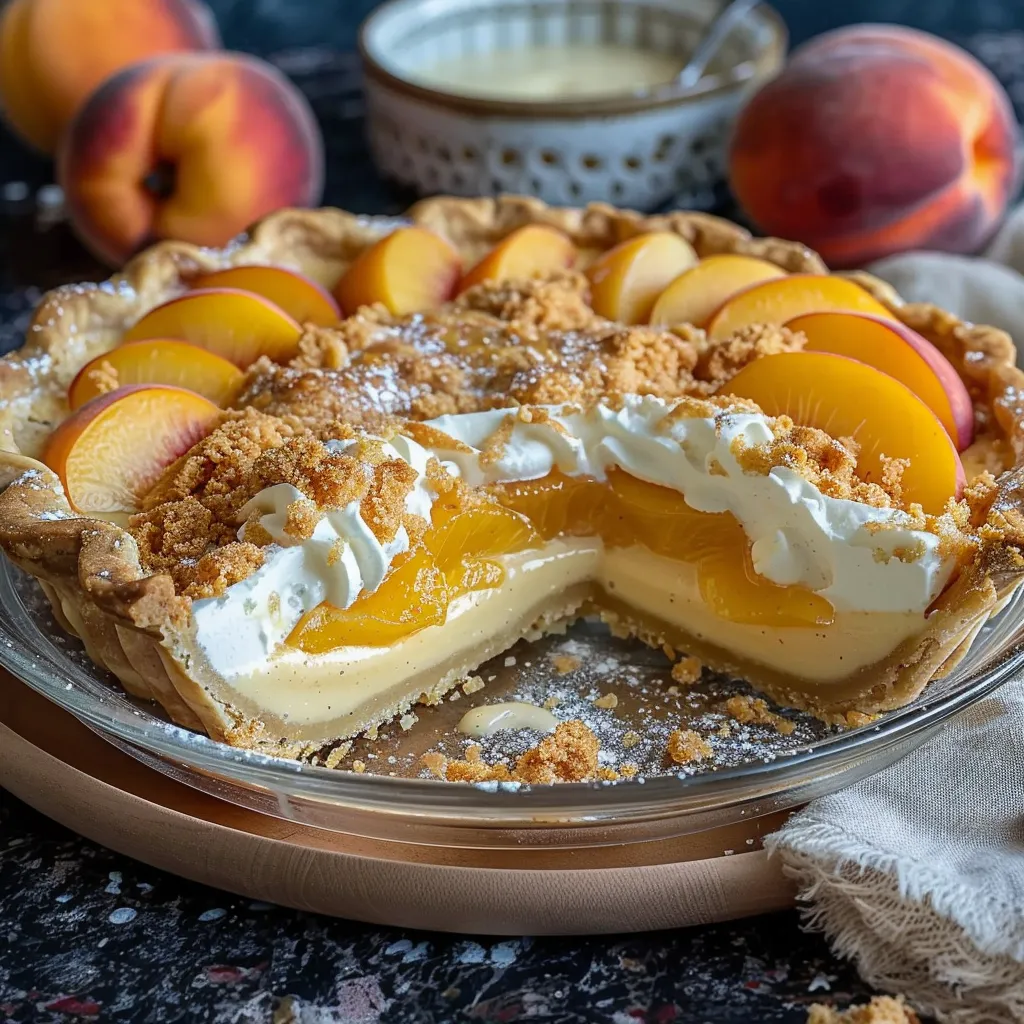
First Thanksgiving pie. GoodCook Everyday pan, a store-bought crust or the homemade one from the Peaches and Cream Pie with Buttery Pie Crust, and a foil shield for the rim. Wide rim, nonstick, cheap.
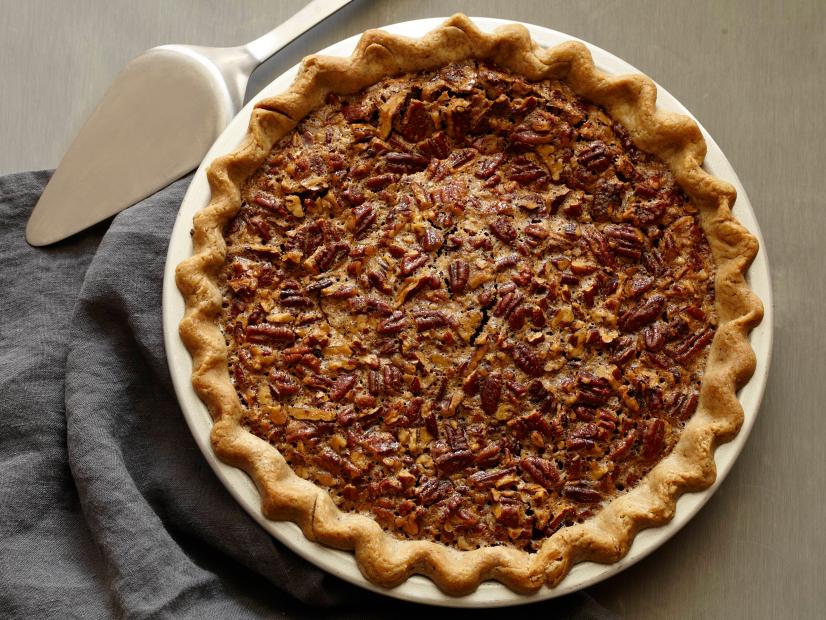
Two-pie household. The Pyrex two-pack: pumpkin in one, Best of the South Pecan Pie in the other. Check both bottoms through the glass before you pull them.
Hosting and gifting. The Emile Henry for the pie that goes on the table, plus the OXO with its lid for the one that travels. For a hostess gift, pair the ceramic dish with a pastry blender from utensils.
How we picked
We started from in-stock pie dishes in the AislePrompt kitchen catalog. We then shortlisted one clear winner per material and use case, and checked each against its maker listing for material, diameter, depth or capacity, oven rating, freezer and broiler guidance, and warranty. Material behavior reflects general baking guidance and the cited sources below. No bake tests were run for this guide, so the comparisons describe how each material conducts heat, not measured results.
Pie gear that pairs
A pie dish is one piece of the kit. Our bakeware guide covers sheet pans (which you'll want under every pie), and the bakeware sets guide is useful if you're starting from scratch. For scraping every bit of pumpkin filling out of the bowl, see the silicone spatula sets guide. And if you're also cooking the bird, our roasting pan vs foil pan guide and the Thanksgiving kitchen gear checklist cover the rest of the day.
Sources
- Wikipedia — Pie
- Wikipedia — Borosilicate glass
- Wikipedia — Pyrex
- Wikipedia — Thermal shock
- Wikipedia — Blind baking
- Emile Henry — maker site
Frequently asked questions
Is a glass or metal pie pan better for a crisp bottom crust?
Can I use a deep-dish recipe in a standard 9-inch pie dish?
Can a glass pie dish go from the freezer straight into a hot oven?
Do I need a fluted pie dish to crimp a crust?
Which pie dish makes a good hostess or holiday gift?
Recipes from this guide
Put your gear to work — save any recipe to My Recipes (no account needed) and send its ingredients to Instacart in one tap.
Shop kitchen tools on AislePrompt →Browse the full kitchen shop →