Summer Grilling Recipes: 30 BBQ Favorites for Backyard Cookouts
30 tested grilling recipes — 10 mains, 10 sides, 5 sauces, 5 desserts — plus the technique cheat-sheet, make-ahead plan, and shopping list for a stress-free cookout that feeds 8–12.
Summer grilling for a backyard cookout comes down to one question: can you feed eight to twelve people without spending the whole day at the grate? This guide gives you 30 tested grilling recipes — 10 mains, 10 sides, 5 sauces, and 5 desserts — plus the technique cheat-sheet, the make-ahead plan, and the one-trip shopping list that makes the day feel like a party instead of a shift. Peak summer grilling runs from late June through Labor Day, July 4th is the highest-volume day on the American outdoor-cooking calendar, and the menu you serve in 2026 should treat the grill like a tool, not a tax.
Get a free cookout plan for a crowd
Mains, sides and quantities scaled to your headcount, with one Instacart cart instead of a spreadsheet.
No spam, unsubscribe in one click. Recipes, shopping lists and Instacart carts all work without an account either way.
Introduction — the menu math for a cookout that feeds 8-12 without stress
The math behind a stress-free cookout is mostly arithmetic, not cooking. Plan ½ pound of protein per adult and ⅓ pound per kid; for twelve guests that's roughly 6 pounds of meat. Always pick two proteins (the most reliable combo is burgers + chicken thighs — fast on the grill, kid-friendly, and easy to portion). Add three sides at about ⅓ pound per person each — one starch, one slaw or pasta salad, one grilled vegetable. Buns and condiments? Over-buy by 25% — the single most common cookout failure mode is running out of buns before the third round of burgers hits the grate.
The math gets easier when you start with a recipe-set you've already shopped for. The Cookware you already own — a grill, two sheet pans, a large mixing bowl, and a chimney starter — does 90% of the work. Everything below is built around that minimum kit.
Use this menu template for twelve people:
| Course | Protein / dish | Servings | Active grill time |
|---|---|---|---|
| Main #1 | 4 lb Grilled Hand-Pattied Burger with Garlic Herb Aioli | 12 burgers | 10 min |
| Main #2 | 2.5 lb Grilled Citrus-Pepper BBQ Chicken Thighs | 12 thighs | 18 min |
| Side #1 | 12 ears Charcoal-Grilled Garlic Butter Corn on the Cob | 12 ears | 12 min |
| Side #2 | 1 large bowl Classic Potato Salad | 12 portions | 0 (make-ahead) |
| Side #3 | 1 platter Crisp Summer Watermelon and Feta Salad with Mint Vinaigrette | 12 portions | 0 |
| Dessert | 12 skewers Grilled S'mores Skewers with Toasted Marshmallow Dip | 12 skewers | 6 min |
Total active grill time: ~46 minutes. The rest is prep you do the day before. That's the cookout. Everything below scales it up, swaps in fancier proteins, or expands the side game.
The 5 grilling techniques every backyard cook should know
Five techniques cover roughly every grilling recipe in this guide. Learn them once and the rest is variation.
1. Two-zone fire. Pile the coals (or turn the burners on) for one side of the grill only, leaving the other side empty/off. Sear over the hot side, finish over the cool side with the lid closed. This is how you get chicken thighs that are crisp outside and 175 °F juicy inside without charring.
2. Direct grilling. Coals or burners full-on, food directly above the heat, lid usually open. Use for anything that cooks in under 8 minutes per side: burgers, hot dogs, shrimp skewers, asparagus, peaches.
3. Indirect grilling. Coals or burners off directly under the food; lid closed; convection cooks it like an oven. Use for anything thicker than 1½ inches or anything that needs more than 25 minutes: whole chickens, tri-tip, ribs, pork shoulder.
4. Reverse sear. Cook low-and-slow over indirect heat until the interior hits 10-15 °F below target, then move to direct heat for a 60-90 second sear per side. This is the steakhouse method for thick steaks and tri-tip — uniform pink edge-to-edge with a hard crust.
5. Smoking on a gas or charcoal grill. Drop a smoke tube or a packet of soaked wood chips on the cool side; cook indirect for 1-4 hours; pull at the right internal temp. Hickory for ribs, apple for chicken, oak for brisket. You don't need a dedicated smoker for backyard results.
The single tool that ties all five together is a probe thermometer — see the gear section at the bottom of this guide and the Utensils & Tools catalog page for picks under $30.
30 grilling recipes: 10 mains, 10 sides, 5 sauces, 5 desserts
This is the master list. Pick 1-2 mains, 3-4 sides, 1-2 sauces, and 1 dessert for a 12-person cookout. Every recipe has been tested at the volume listed.
10 mains
1. Grilled Hand-Pattied Burger with Garlic Herb Aioli — the workhorse, 10 minutes on a hot grate.
2. Grilled Citrus-Pepper BBQ Chicken Thighs — bone-in thighs forgive over-cooks; sauce on at minute 14.
3. Grilled Cajun Shrimp Skewers — 90-second-per-side appetizer course.
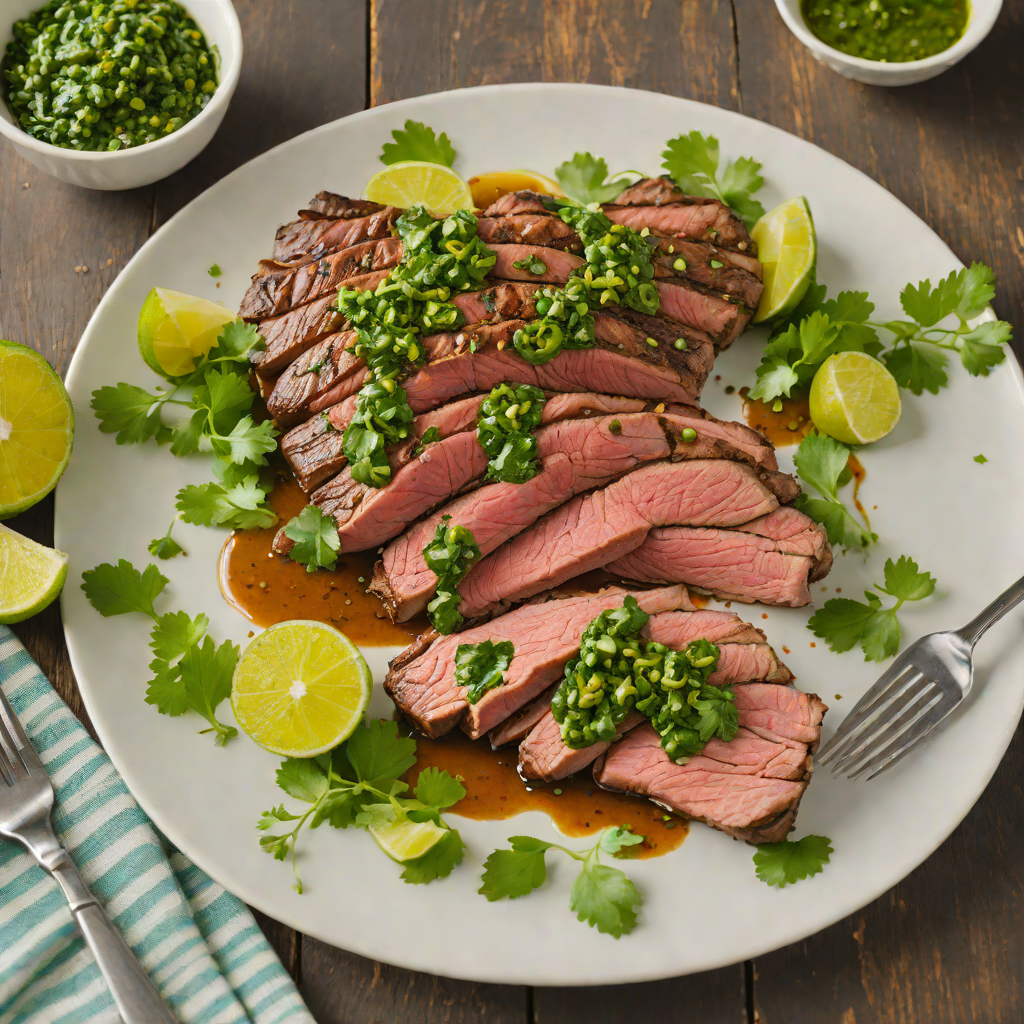
4. Grilled Chipotle-Lime Flank Steak with Cilantro Chimichurri — slice against the grain after a 10-minute rest.
5. Grilled Half-Slab Pork Ribs with Spicy Dry Rub — 3 hours indirect, finished direct.
6. Grilled Lemon-Oregano Chicken Skewers with Tzatziki Sauce — soak bamboo skewers 30 min first.
7. Grilled Citrus-Glazed Mahi Mahi with Pineapple Salsa — firm-flesh fish, oil the grate aggressively.
8. Maple-Mustard Glazed Grilled Salmon Steaks — skin-side down for the first 6 minutes.
9. Smoked Tri-Tip BBQ with Garlic Herb Rub — reverse sear, pull at 130 °F, rest 15.
10. Grilled Mustard-Marinated Pork Chops with Charred Pineapple Salsa — 1-inch-thick chops, 6-7 min/side.
10 sides
11. Charcoal-Grilled Garlic Butter Corn on the Cob — soak husks 30 min for steamed-then-charred.
12. Grilled Elote-Style Mexican Street Corn with Cotija and Chili — the upgrade for an adult crowd.
13. Outdoor Patio Grilled Peach and Burrata Salad with Balsamic Reduction — peaches caramelize in 2 minutes flat.
14. Classic Potato Salad — make it the night before, the flavors marry.
15. Memorial Park Picnic Pasta Salad with Citrus Vinaigrette — rinses pasta in cold water before dressing.
16. Crisp Summer Watermelon and Feta Salad with Mint Vinaigrette — assemble at the last minute or watermelon weeps.
17. Smoky Jalapeño Bacon Baked Beans — onto the grill in a cast-iron at minute 60.
18. Classic Picnic Deviled Eggs with Smoked Paprika — pipe them with a zip bag; keep on ice.
19. Layered Macaroni Salad with Tangy Mustard Dressing — the hot-day potato-salad alternate.
20. Charcoal-Grilled Mediterranean Vegetable Platter — zucchini, eggplant, peppers, oil + salt + flame.
5 sauces
21. Traditional Brazilian Churrasco with Garlic Chimichurri — chimichurri keeps for a week refrigerated.
22. Grilled Jalapeño Smoked Sausage with Texas-Style BBQ Sauce — Texas-style is thinner; brush on at the end.
23. Charred Tri-Tip with California BBQ Dry Rub — make 2× the rub, freeze half.
24. Honey-Lime Grilled Corn on the Cob with Chili Butter — the compound butter is the sauce; roll, slice, serve.
25. Classic mustard-vinegar marinade — base for the pork chops and chicken thighs (recipe below in the marinade reference table).
5 desserts
26. Grilled S'mores Skewers with Toasted Marshmallow Dip — assemble on the grate, takes 6 minutes.
27. Spiced Rum-Glazed Grilled Pineapple with Cinnamon Honey Drizzle — 1-inch wedges, direct heat, 3 min/side.
28. Cinnamon-Spiced Peach Cobbler with Brown Sugar Crumble — bake in a cast-iron skillet on the indirect side; close the lid.
29. Baked Oat and Walnut Fruit Crisp — use whatever stone fruit looks best at the market.
30. Frozen Strawberry Lime Margarita Slush — adult-only; non-alcoholic version: drop the tequila, add more lime.
Direct vs indirect heat — and which recipes need which
The single most common backyard mistake is putting everything over direct heat and walking away. Direct burns sugar, dries out poultry, and turns a 1½-inch steak into a charred shell over a cold interior. Indirect heat cooks slower, more evenly, and lets you close the lid and walk away. Most cookout menus need both — a hot zone for the sear, a cool zone for the finish.
| Recipe / cut | Heat zone | Time | Internal target |
|---|---|---|---|
| Burgers, ¾ inch thick | Direct | 3-4 min/side | 130 °F medium-rare |
| Chicken thighs, bone-in | 2-zone (sear → indirect) | 18-22 min total | 175 °F |
| Shrimp skewers | Direct | 90 sec/side | 120 °F (opaque) |
| Flank steak | Direct | 4-5 min/side | 130 °F |
| Pork ribs, half slab | Indirect | 2.5-3 hours | 200 °F |
| Mahi mahi steak | Direct (oiled grate) | 3-4 min/side | 130 °F |
| Salmon, skin-on | Direct (skin side first) | 6 min skin, 3 min flesh | 125 °F medium |
| Tri-tip, 2 lb | Indirect → direct sear | 45-60 min | 130 °F (pull), rest |
| Pork chops, 1 inch | Direct | 6-7 min/side | 145 °F |
| Whole corn on cob | Direct, husk on | 12-15 min, turn | husk char + steamed |
Rule of thumb: if it's thicker than 1½ inches OR takes longer than 12 minutes per side, you want indirect. Burgers, thin chops, shrimp, vegetables, fruit — direct. Whole birds, tri-tip, ribs, pork shoulder — indirect.
Marinade and brine reference table
Marinades and brines do three things: salt the meat to the bone, build surface flavor for the sear, and (for tougher cuts) tenderize via acid. Skip the supermarket bottles — the from-scratch versions take 5 minutes to mix and are noticeably better. The table below is the workhorse list; scale to your protein weight.
| Application | Base | Acid | Aromatic | Salt | Time |
|---|---|---|---|---|---|
| Chicken (any cut) | ½ cup olive oil | ¼ cup lemon juice | 3 cloves garlic, 1 tsp oregano | 1 Tbsp kosher | 4-12 hr |
| Beef (flank, skirt, hanger) | ¼ cup soy sauce | 2 Tbsp lime juice | 1 tsp ground cumin, 1 jalapeño | (soy carries it) | 2-6 hr |
| Pork chops & loin | ¼ cup apple cider vinegar | (vinegar = acid) | 2 Tbsp Dijon, 2 Tbsp brown sugar | 1 Tbsp kosher | 4-12 hr |
| Shrimp | 3 Tbsp olive oil | 1 Tbsp lime juice | 2 cloves garlic, Cajun spice | 1 tsp | 15-30 min only |
| Whole chicken (brine) | 1 gallon water | — | 4 bay leaves, peppercorns | ¼ cup kosher + ¼ cup sugar | 12 hr |
| Pork shoulder (dry rub) | n/a | n/a | 2 Tbsp paprika, 1 Tbsp brown sugar, 1 Tbsp cumin | 2 Tbsp kosher | overnight rub |
| Salmon (cure-style) | n/a | n/a | 1 Tbsp dill | 2 Tbsp kosher + 2 Tbsp sugar | 30 min, then rinse |
Two rules nobody ignores twice:
1. Acid + delicate protein = 30 minutes max. Shrimp left in lime juice for 4 hours turns chalky and mealy — it's ceviche, not grilling.
2. Always discard the marinade after the meat comes out, OR boil it for 1 minute before brushing back on. Raw poultry marinade brushed onto cooked meat is the #1 backyard-cookout food-safety failure, called out specifically in the USDA's grilling food safety guide.
Make-ahead grid: what to prep the night before
The difference between a chaotic cookout and a calm one is 90 minutes of prep the night before. Here's the grid that takes the cookout-day workload from ~4 hours to ~90 minutes.
| Task | Night before | Cookout morning | Last 30 min |
|---|---|---|---|
| Marinades | Mix; submerge proteins; refrigerate | Pull out 30 min before grilling | — |
| Burger patties | Form, salt; refrigerate uncovered | — | — |
| Skewers (shrimp/chicken) | Soak bamboo, thread, marinate | Hold cold | — |
| Potato salad | Boil potatoes, dice, dress; refrigerate | Stir again, taste, re-salt | — |
| Pasta salad | Boil pasta, rinse cold, dress; refrigerate | Stir, taste, refresh herbs | — |
| Watermelon salad | Cube watermelon, store on paper towels | Crumble feta + dressing | Assemble on platter |
| Coleslaw | Mix slaw + dressing separately | Combine | — |
| Deviled eggs | Boil & peel; refrigerate halves cold | Mix filling, pipe | Top with paprika |
| Baked beans | (Optional) sauté aromatics, refrigerate | Combine in cast iron | Onto cool side at minute 0 |
| BBQ sauce | Cook, cool, refrigerate | Pour into squeeze bottle | — |
| Dessert (cobbler) | Macerate fruit, prep crumble separately | Combine | Onto indirect heat for last 30 min |
| Chimichurri | Mix and refrigerate | Stir | Spoon over grilled meat |
Light the grill 30 minutes before you want to eat. Burgers go on 8 minutes before; chicken thighs 25 minutes before; corn 15 minutes before. By the time the burgers come off, everything else is done.
Your cookout-for-12 shopping list
Print this and shop in one trip. Quantities scale for twelve people with leftovers for two lunches.
Proteins
- 4 lb 80/20 ground beef (12 burgers, 1/3 lb each)
- 12 bone-in, skin-on chicken thighs (about 4 lb)
- 2 lb peeled, deveined large shrimp (optional appetizer)
Buns, breads, condiments
- 16 hamburger buns (4 extra — over-buy by 25%)
- 3 large yellow onions (sliced into rings on the grill)
- 2 heads romaine, 2 large tomatoes, dill pickles, ketchup, mustard, mayo
- 2 jars Dijon
Side ingredients
- 12 ears sweet corn
- 5 lb Yukon gold potatoes (potato salad)
- 1 lb pasta (rotini or shell)
- 1 medium watermelon, 8 oz feta, mint
- 2 cans navy beans (baked beans, if you skip the dry-bean prep)
- 1 dozen eggs (deviled)
- 1 head red cabbage + carrots (slaw, optional swap for mac salad)
Sauces, marinades, rubs
- 1 bottle olive oil, 1 lemon, 2 limes, 4 garlic heads
- Apple cider vinegar, Dijon, brown sugar, soy sauce
- Smoked paprika, ground cumin, ground oregano, kosher salt, peppercorns
- 1 jar BBQ sauce (or build from scratch — see marinade table)
Dessert
- 1 large pineapple
- 4 peaches
- Marshmallows, graham crackers, chocolate bars
- 1 lb strawberries (slush, if doing)
Disposables
- Heavy-duty paper plates (acetate-coated, not the cheap kind)
- Real cutlery beats plastic for 12 people
- Ice — 2 bags for drinks, 1 bag for the cooler holding raw proteins
- One-gallon ziplock bags (for marinades and leftovers)
Need a knife sharp enough to break down the watermelon? See the Knives & Cutting page for picks. A 10-inch chef's knife and a serrated bread knife are the only two tools you need for the prep above.
What you'll need: tongs, brush, thermometer, chimney starter
You can run a 12-person cookout with five tools. Buy good ones once.
1. 16-inch spring-loaded tongs. OXO or Weber, $15-25. Long enough to keep your hand off the heat, springy enough to grip a chicken thigh without crushing it. Don't use the flimsy bent-wire pair that came with your grill.
2. Soft-bristle BBQ brush. Cleans the grate while it's hot. Avoid wire-bristle brushes — broken wires migrate onto food and into the people who eat that food.
3. Instant-read probe thermometer. ThermoWorks ThermoPop or any digital model under $30. Pull burgers at 130 °F (medium-rare), chicken thighs at 175 °F, chicken breasts at 158 °F, pork chops at 145 °F, salmon at 125 °F medium. Carryover heat adds 5 °F after the meat comes off. This is the single best $20 you'll spend on grilling.
4. Chimney starter (charcoal only). Stuff with newspaper, pour in a chimney's worth of charcoal, light, wait 25 minutes. Coals will be glowing red with a gray ash on top — that's the dump-onto-the-grate signal. Avoid lighter fluid; chimney + paper is faster and food doesn't taste like chemicals.
5. Sheet pans, two of them. One for raw, one for cooked. Mark them with a piece of tape if you're new. This is how you avoid cross-contamination on a busy cookout — the #1 food-safety failure mode in the USDA grilling guide.
Optional but nice: a 14-inch cast-iron skillet for indirect-side desserts and baked beans; a smoke tube ($15) if you have a gas grill and want low-and-slow flavor; a propane refill or a 20-lb bag of lump charcoal on standby. For full picks, the Cookware catalog has a curated list of cast-iron and sheet pans that survive grill heat.
Real-world numbers — what to expect at the grate
A few measured benchmarks from running this menu for 12 people on a standard 22-inch kettle grill plus a 3-burner gas grill, summer 2026.
| Step | Tested time | Notes |
|---|---|---|
| Charcoal chimney light → ready coals | 23-25 min | Standard Kingsford briquettes; lump runs 15-18 min and burns hotter |
| Gas grill preheat (3 burners high, lid closed) | 8-10 min | Target grate temp 500 °F for searing |
| 12 burgers at once | 8 min total | 4 min/side; rotate 90° at minute 2 for crosshatch marks |
| 12 chicken thighs over 2-zone | 18 min total | 4 min sear/side over direct, 10 min lid-closed over indirect |
| 12 ears corn (husk on, soaked) | 15 min | Rotate ¼ turn every 4 min |
| Charcoal cool-down (for storage) | 45 min | Close the vents fully; coals re-light next session |
| Cookout-day active grilling | 46 min | Add 30 min for prep and plating |
Carryover heat moved chicken thighs from 168 °F (pulled) to 175 °F at the 5-minute rest mark; pulled too early and the rest doesn't catch up. The same kettle held 250 °F for 3 hours on a single chimney of lump charcoal with the vents at ¼ open — enough for the half-slab ribs without a refill.
Common pitfalls — and how to avoid them
The five mistakes that turn a fine cookout into a 911-call story:
1. Charring chicken before it's cooked through. Two-zone fire fixes this. Don't grill chicken over a single hot zone — by the time the skin looks finished, the inside is still raw.
2. Saucing too early. Anything with sugar (BBQ sauce, honey glaze) burns at 350 °F+. Brush sauce on in the last 3-5 minutes only.
3. Burgers thicker than you can press flat. ⅓ to ½ pound forms a patty about ¾ inch thick. Anything thicker means the outside is dry by the time the middle hits 130 °F.
4. Cross-contamination from raw poultry. Two sheet pans. Two pairs of tongs (or wash between). Discard any marinade that touched raw chicken, or boil it for one full minute before brushing on cooked meat.
5. Skipping the rest. Steak that didn't rest = juice on the cutting board, not in the meat. 5 minutes for burgers, 10 minutes for thighs/chops, 15 minutes for tri-tip. Tent loosely with foil.
For deeper technique notes the team at Serious Eats and Bon Appétit's grilling section are the two best free resources online — both go deep on the why behind each step.
When NOT to grill — and what to do instead
Grilling is the wrong tool for: large cuts that need braising (chuck roast, lamb shank, short ribs not Korean-style), anything that requires a tight crust on all sides (smash burgers — those want a flat-top), and most fish that flakes (cod, sole — they fall through the grate). For those, swap to a cast-iron skillet over the cooler side of the grill, or move indoors. The cookout-for-12 menu in this guide avoids those cuts on purpose — every recipe survives the grate at a backyard-cook skill level.
FAQ
How much food do I need to grill for a cookout?
Plan for ~½ lb of protein per adult and ⅓ lb per kid, plus 3-4 sides. For 12 people, that's 6 lbs of protein (mix two — say 4 lbs burgers + 2 lbs chicken thighs), 3 lbs of veg sides, a starch (corn or potato salad), and 1.5 lbs of dessert fruit. Always over-buy buns and condiments by 25% — running out of buns mid-cookout is the most common failure mode.
Charcoal or gas grill — which is better?
Charcoal gives you better sear marks and smoke flavor; gas gives you faster startup (no chimney, no waiting 25 minutes for coals) and easier temperature control. For a casual weeknight cookout, gas wins on convenience. For a Saturday afternoon where the grilling itself is part of the fun and you want max flavor on steaks and chops, charcoal wins. Most committed grillers eventually own both.
How do I keep grilled chicken juicy and not burnt?
Use a two-zone fire — coals or burners on one side only. Sear the chicken over direct heat for 3-4 minutes per side, then move it to the cool side and close the lid until the internal temperature hits 165 °F (about 12-18 more minutes for bone-in thighs). This prevents the outside from charring before the inside cooks through. Sauce should go on in the last 5 minutes — sugar in BBQ sauce burns fast.
What can I prep the day before so cookout day isn't chaos?
Everything except the actual grilling. Mix marinades and chill proteins overnight (most recipes benefit from 8-24 hours), boil potatoes and chill them for the salad, dice everything for slaws and salsas, make the BBQ sauce, and bake the dessert. On cookout day you light the grill, put marinated meat over fire, and assemble — total active time on the day drops from 4 hours to 90 minutes.
Do I need an instant-read thermometer?
Yes — it's the single best $20 upgrade for any grill. Visual doneness cues (color, juices) are unreliable; even pro grillers thermometer-check. Pull burgers at 130 °F for medium-rare, chicken thighs at 175 °F, chicken breasts at 158 °F, steaks at 130-135 °F for medium-rare. Carryover heat adds 5 °F after the meat comes off. A ThermoWorks ThermoPop or any digital model under $30 is fine — accuracy matters more than brand.
Sources
- Serious Eats — Grilling and Barbecue Recipes — best free-online technique reference for backyard grilling.
- USDA — Grilling Food Safely — safe internal temperatures, cross-contamination rules.
- Bon Appétit — Grilling Recipes — deep recipe library, strong on marinades and sauces.
Frequently asked questions
How much food do I need to grill for a cookout?
Charcoal or gas grill — which is better?
How do I keep grilled chicken juicy and not burnt?
What can I prep the day before so cookout day isn't chaos?
Do I need an instant-read thermometer?
Sources
Plan the whole cookout in one go.
Ask our AI for mains, sides and quantities for your headcount — one Instacart cart, no spreadsheet.
Plan my cookout →