22 Latin American Dinners: Beyond Tacos to Home Cooking from Ecuador to Chile
The Andean stews, layered plates and corn breads that people in Ecuador, Bolivia, Chile and Paraguay actually cook on a weeknight — plus the 12-ingredient pantry that unlocks all of them.
The best Latin American dinner recipes to make at home aren't tacos. They're the stews, layered plates, and corn breads that people in Ecuador, Bolivia, Chile, and Paraguay actually cook on a Tuesday — dishes built on yuca, achiote, aji, and hominy corn rather than the Tex-Mex pantry most US roundups recycle. Here are 22 of them, grouped by country, with the shared shopping list that makes the whole region reachable from one trip.
Get a free week of easy dinners
Seven weeknight dinners with the shopping list already totalled, sent Sunday. No account needed, unsubscribe in one click.
No spam, unsubscribe in one click. Recipes, shopping lists and Instacart carts all work without an account either way.
Every dish below links to a full recipe with quantities and timing. The pantry section up top is the important part: buy 12 ingredients once and roughly 18 of these 22 dinners become weeknight-possible.
Introduction: the eight countries north-of-Argentina cooking that gets skipped in most roundups
Search "Latin American recipes" and you get Mexican food with a Peruvian ceviche stapled on. That's a coverage failure, not a taste one. Latin America runs from the Rio Grande to Tierra del Fuego and contains at least six distinct culinary logics:
- Andean (Ecuador, Bolivia, Peru): potatoes — thousands of varieties — plus corn, aji chiles, and cilantro. Stews are the default format.
- Southern Cone (Chile, Argentina, Uruguay, Paraguay): beef, wheat, and dairy. European technique on South American ingredients.
- Caribbean coast (Colombia, Venezuela, Panama, Dominican Republic): plantain, coconut, sofrito, and long-simmered root stews.
- Central American (Honduras, Nicaragua, El Salvador): corn masa in every form, plus a rice-and-beans base.
- Amazonian: fish, yuca, and tropical fruit.
- Mexican: chiles, masa, and the one everybody already knows.
This roundup deliberately spends its space on the first four. If you want the Mexican and Peruvian angles, our 20 Peruvian Recipes and 20 Colombian & Venezuelan Recipes guides cover them properly.
The Latin American pantry: 12 ingredients that unlock the whole region
| Ingredient | What it does | Typical cost | Substitute |
|---|---|---|---|
| Achiote (annatto) paste or seed | Earthy color + mild pepper; the orange in Ecuadorian stews | $3-5 | Paprika + pinch of turmeric |
| Aji amarillo paste | Fruity Andean heat, ~30,000 SHU | $6-8 jar | Habanero + roasted red pepper, 1:3 |
| Yuca (cassava), fresh or frozen | Starch backbone of stews; frozen is genuinely fine | $2-4/lb | Potato, but the texture differs |
| Green plantains | Fried, mashed, or stewed; not sweet | $0.79 each | None — buy them |
| Cumin, whole | Toasted and ground, it's in half these dishes | $4 | Pre-ground, less aromatic |
| Cilantro, large bunch | Finishing herb, in nearly everything | $1 | Culantro if you can find it |
| Hominy / choclo corn (frozen) | Chilean and Andean corn dishes | $4-6 | Frozen sweet corn, sweeter result |
| Queso fresco | Crumbling cheese, mild and salty | $5 | Feta rinsed in water |
| Sofrito base (onion, pepper, garlic) | The flavor floor of Caribbean-coast cooking | $5 to make | Store-bought, saltier |
| Limes | Acid in every finished dish | $0.50 each | Lemon, less floral |
| Long-grain white rice | The plate's foundation, region-wide | $3/2lb | Basmati works |
| Bitter orange (naranja agria) | Ecuadorian and Yucatecan marinades | $3 | 2 parts orange : 1 part lime |
Get those, plus beef chuck, chicken thighs, and white fish, and you're set for a month of dinners. Stock the aromatics in airtight containers — see storage for canisters that actually keep cumin aromatic past three months.
Ecuadorian dinners
Ecuador cooks the most underrated food in South America. The coast does fish, coconut, and plantain; the highlands do potato and peanut. Both use achiote as a base color and cilantro as a finish.
- Ecuadorian Fish Encebollado Stew with Yuca — the national hangover cure, and the single best introduction to Ecuadorian cooking. Albacore or any firm white fish, yuca, tomato, and a mountain of lime-pickled red onion on top. About 45 minutes.
- Seco de Pollo Chicken Stew with Citrus and Cilantro — "seco" means dry, which it isn't; it's a braise built on beer or naranjilla juice. Serve over rice with fried plantain.
- Ecuadorian Chicken Stew with Achiote and Vegetables — the everyday version. One pot, 40 minutes, and it reheats better than it serves fresh.
- Coconut Braised Ecuadorian Fish with Cilantro — coastal encocado. Coconut milk, tomato, cilantro; ready in 25 minutes, which makes it a legitimate weeknight fish dinner.
- Tigrillo Ecuadorian Green Plantain Mash with Cheese and Eggs — technically breakfast, entirely valid as dinner. Green plantain mashed with queso fresco and scrambled egg.
Technique note on green plantains: score the skin lengthwise with a paring knife — see our best paring knives guide — then pry it off in strips. Trying to peel a green plantain like a banana wastes ten minutes and half the flesh.
Chilean home cooking
Chile's kitchen is more European than its neighbors': wheat bread, beef, dairy, and slow oven work. Corn is the exception, and pastel de choclo is the dish that proves it.
- Pastel de Choclo with Smoked Corn and Peas — ground corn baked over a beef-and-onion base, sugar dusted on top so it caramelizes. If you make one Chilean dish, make this.
- Centro Histórico Pastel de Choclo — the vegetarian version, and honestly no worse for it.
- Pan-Seared Chilean Sea Bass with Garlic-Lime Butter — the fish, not the country, but it's the Chilean-coast flavor set. 12 minutes total.
A note on cazuela, Chile's other national dish: it's a clear beef-or-chicken broth with a whole potato, a wedge of squash, and a piece of corn on the cob per bowl. If you can't find a recipe you like, the closest equivalent here is Sopa de Res con Yuca y Arroz — same architecture, different roots.
Bolivian classics
Bolivia is where Andean cooking gets its most distinctive. Everything is layered — literally, in the case of silpancho — and aji verde (green chile-cilantro sauce) goes on top of most of it.
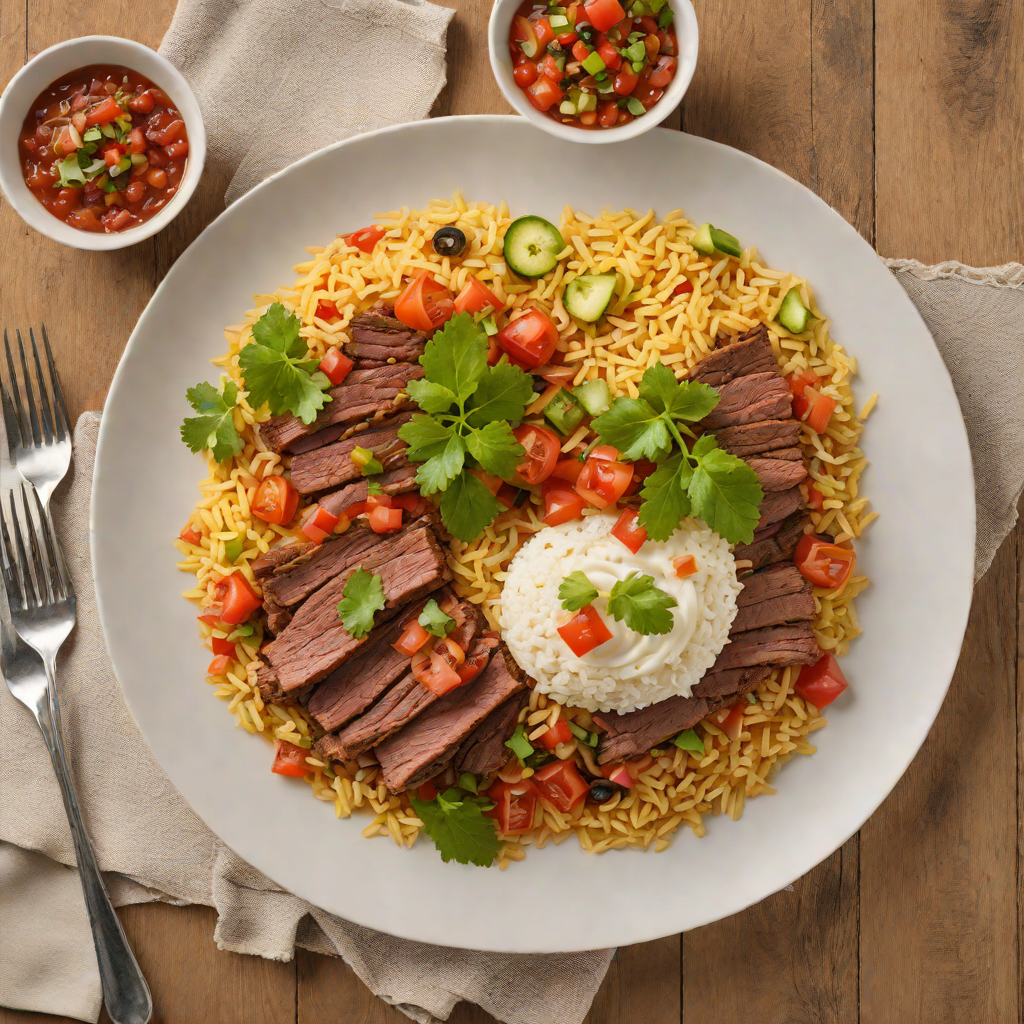
- Silpancho Layered Beef and Rice Plate with Tomato Salsa — rice, then potato, then a pounded-thin beef cutlet, then a fried egg, then chopped tomato salsa. It's a lot, and it's the dish Bolivians abroad miss most.
- Potato and Cheese Salteñas with Spiced Meat Filling — the juicy baked empanada Bolivians eat at 10am. The filling is set with gelatin so it liquefies in the oven.
- Bolivian Chicken Stew with Potatoes and Aji Verde — the weeknight one. 35 minutes, one pot.
- Slow-Cooked Bolivian Beef with Aji Verde Sauce — chuck roast, low and slow, then shredded. Perfect for a slow cooker; see small appliances if you don't have one.
- Slow-Cooked Bolivian Charque de Res Stew — charque is dried, salted beef, the Andean ancestor of jerky. Soak it first or the dish is inedibly salty.
- Stewed Bolivian Quinoa with Andean Vegetables — quinoa in its home country, cooked as a stew base rather than a salad. Vegetarian and genuinely filling.
- Bolivian Potato and Cheese Empanadas — the meatless salteña. Freezes raw; bake from frozen at 200°C for 25 minutes.
Paraguayan and Uruguayan
Paraguay's cooking runs on corn flour and cheese — a legacy of Guaraní staples meeting Spanish dairy. Uruguay's runs on beef and bread.
- Paraguayan Corn and Cheese Arepas — the sopa-paraguaya idea in a faster format.
- Paraguayan-Style Grilled Chipa Breadsticks — cassava-flour cheese bread, naturally gluten-free, addictive warm.
- Paraguayan-Style Beef Empanadas with Spiced Chimichurri Sauce — a drier, spicier empanada than the Bolivian version.
- Paraguayan-Style Grilled Beef with Chimichurri Sauce — the Southern Cone default dinner. Skirt or flank, hot grill, chimichurri made 30 minutes ahead so the garlic mellows.
The Uruguayan chivito — steak, ham, cheese, bacon, egg, and olives on a bun — isn't in the catalog yet. Build it from the grilled beef above if you want to try it.
Central American beyond El Salvador
Central America gets flattened into "pupusas" in most coverage. Our 18 Salvadoran Recipes guide handles those; here's the rest of the isthmus.
- Panamanian-Style Black Bean and Plantain Stew — sweet plantain against savory black bean, finished with lime. Vegan as written.
- Sancocho de Pollo (Chicken Stew) — Panama's national dish in its simplest form: chicken, yuca, culantro. Two hours, almost all unattended.
- Sancocho de Res con Yuca — the beef version, heartier, best made the day before.
- Dominican-Style Sancocho with Root Vegetables — the seven-meat Caribbean maximalist take. Scale down to three meats and it still works.
The big four: Peru, Argentina, Cuba, and Brazil
This roundup deliberately skips the four Latin American cuisines that dominate every other list, because each one already has a dedicated guide on this site with full recipe coverage. If you came here searching for Latin American recipes and want ceviche, asado, ropa vieja, or feijoada rather than Ecuadorian or Bolivian home cooking, start with the country guide instead of this page.
| Country | Signature dishes | Effort profile | Full guide |
|---|---|---|---|
| Peru | Ceviche, lomo saltado, aji de gallina, pollo a la brasa | 20-min raw cures to 2-hr braises | Peruvian recipes |
| Argentina | Asado, chimichurri steak, empanadas, milanesa | Grill-forward, 30 min to all-afternoon | Argentine recipes |
| Cuba | Ropa vieja, arroz con pollo, picadillo, lechon asado | Mostly slow braises, hands-off | Cuban recipes |
| Brazil | Feijoada, moqueca, churrasco, pao de queijo | Weekend projects plus 30-min stews | Brazilian recipes |
Peru is the most technically distinct cuisine in the region — Andean ingredients filtered through Japanese and Chinese immigrant technique, which is why lomo saltado is a stir-fry served with both rice and fries. Start with Ceviche de Pescado con Platano Maduro, which balances the citrus cure against sweet plantain, or Slow-Cooked Aji de Gallina with Toasted Bread and Walnuts for the creamy, walnut-thickened chicken that is Peru's real comfort dish. Ceviche is the one recipe here where fish quality is non-negotiable: buy it the day you cure it.
Argentina is beef and wheat with heavy Italian influence, and it is the least "tropical" cuisine on the continent. Churrasco-Style Grilled Skirt Steak with Chimichurri Sauce is the fastest entry point at roughly 20 minutes once the steak is at room temperature, and Argentine-Style Beef Steak with Lemon-Parsley Sauce covers the same territory with a brighter, lighter sauce. If you want the full live-fire treatment — the multi-hour, multi-cut version with sides — the Argentine asado guide covers timing across the whole grill rather than a single cut.
Cuba overlaps most with the Caribbean chapter of this list: sofrito base, citrus mojo, black beans, rice with everything. Braised Beef Ropa Vieja with Sofrito and Peppers is the anchor dish, and it improves overnight, which makes it the best make-ahead on this entire page. Saffron-Infused Arroz con Pollo with Olives is the one-pot weeknight version of the same flavor family and feeds six for well under $15.
Brazil splits between weekend projects and fast coastal stews. Black Bean and Cured Meat Feijoada with Orange Zest is the national dish and a genuine 4-hour commitment, but almost all of it is unattended simmering. For a weeknight, Moqueca-Style Coconut Fish Stew delivers the coconut-and-dende Bahian profile in about 35 minutes with a single pot.
For the Caribbean side of the region — Puerto Rico, the Dominican Republic, Trinidad, Jamaica — see the Caribbean recipes by island guide, which splits the islands the same way this page splits the mainland.
Rice, beans, and side dishes that pair across borders
These are the plate-fillers. Any one of them goes with any main above.
- Cilantro-Lime Rice with Black Beans — 20 minutes, and it's the base of half the plates in this article.
- One-Pan Chicken, Rice, and Plantains with Red Beans — a full dinner in one pan when you don't want to cook two things.
- Roasted Plantain and Yuca with Achiote Sauce — the side that makes a simple stew feel like a restaurant plate.
- Pastelón de Yuca con Queso — cassava layered with cheese and baked. Rich; serve small portions.
Real-world numbers: cost and time
| Dish | Active time | Total time | Est. cost, 4 servings |
|---|---|---|---|
| Coconut braised fish | 10 min | 25 min | $16-19 |
| Ecuadorian chicken stew | 15 min | 40 min | $11-13 |
| Silpancho | 30 min | 45 min | $14-16 |
| Pastel de choclo | 35 min | 80 min | $13-15 |
| Sancocho de pollo | 20 min | 2 hr | $12-14 |
| Salteñas (12 count) | 60 min | 2 hr | $10-12 |
Costs are US-average as of 2026 and assume you already own the pantry list. The stews are the value plays: chuck and chicken thigh are still the two cheapest proteins per gram that reward long cooking.
Common pitfalls
- Buying dried yuca instead of fresh or frozen. Dried cassava flour is a different product entirely. Frozen yuca chunks are the reliable choice.
- Skipping the achiote bloom. Achiote needs to be warmed in fat for 60-90 seconds before anything else goes in the pot. Add it to liquid and you get color without flavor.
- Under-salting stews. These dishes are salted at the end, to taste, over a long simmer. Season in three stages, not one.
- Treating aji amarillo like a hot sauce. It's a base ingredient, closer to tomato paste in function. Two tablespoons in a stew for four is normal.
- Using ripe plantains where green are called for. Green plantains are a starch, like potato. Ripe ones are a fruit. They are not interchangeable in savory dishes.
When NOT to cook from this list
If you have less than 40 minutes, the stews won't work — they need simmering time to break down connective tissue and marry the aromatics. Pick the coconut fish, the grilled beef, or the cilantro-lime rice bowl instead, and save the sancocho for Sunday. Similarly, don't attempt salteñas your first time on a weeknight; the dough needs a rest and the filling needs to chill fully before it can be sealed.
Three worked examples: how these dishes fit a real week
Sunday, two-hour investment. Make a double batch of Sancocho de Res con Yuca. Eat half for Sunday dinner; the other half freezes flat in bags and reheats on a Wednesday in the time it takes to steam rice. Root-vegetable stews freeze better than tomato-based ones because the starch holds structure through the thaw. Label the bags with the date — three months is the honest quality window, not the six months freezer guides claim.
Tuesday, 25 minutes. Coconut Braised Ecuadorian Fish with Cilantro over the Cilantro-Lime Rice with Black Beans you already have in the fridge. Start the rice, then the fish; both finish within a minute of each other. Total hands-on time is under 15 minutes and the whole plate lands around $5 per serving.
Saturday, cooking as an event. Make Potato and Cheese Salteñas with Spiced Meat Filling with whoever's around. The filling gets made and chilled the night before, so the actual assembly is a 45-minute group activity that produces two dozen. Freeze what you don't bake; they go from freezer to oven with no thaw and come out better than the ones you baked fresh, because the filling stays put while the pastry sets.
A note on batch strategy. Every stew in this article improves overnight. Collagen from chuck and chicken thigh keeps dissolving as the pot cools, and the aromatics — cumin, achiote, cilantro stems — redistribute. If you can make any of them a day ahead, do. Reheat gently on the stove, not in the microwave, and add the fresh cilantro and lime only at the table.
Sources
Background on the regional staples and dishes: Wikipedia — Latin American cuisine for the region as a whole, plus the country overviews of Wikipedia — Ecuadorian cuisine, Wikipedia — Chilean cuisine, Wikipedia — Bolivian cuisine and Wikipedia — Paraguayan cuisine, the four countries this roundup spends most of its space on.
Want the whole shopping list at once? Open any recipe and tap Instacart to send its ingredients to your local store, or plan a week of them with the meal plan tool. For the pots these stews want, browse cookware and utensils.
Frequently asked questions
How is Latin American cooking different from Mexican cooking?
Where do I find ingredients like aji amarillo, huacatay, or masarepa?
Can these recipes be made gluten-free or dairy-free?
What equipment do I need for Latin American cooking?
Which recipes are best for meal prep and weeknight cooking?
Sources
Cook Latin American at home this week.
Ask our AI for a week of Latin American dinners — it writes the recipes, builds the shopping list, and sends the cart to Instacart. No account needed.
Plan my Latin American week →