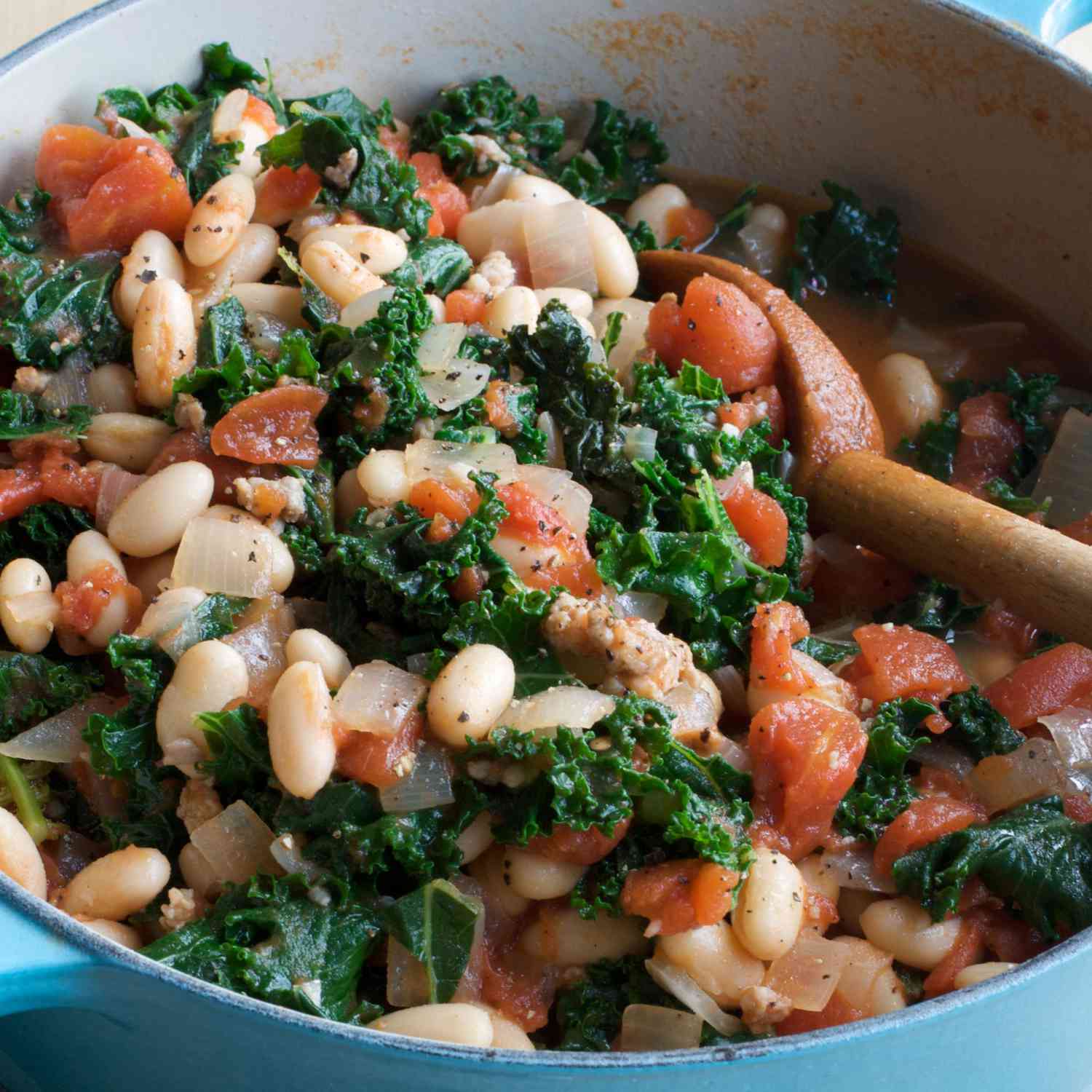
The Complete Anti-Inflammatory Diet Meal Plan: 50+ Recipes + Shopping List for 2026
A whole-foods eating plan built around salmon, leafy greens, berries, olive oil, turmeric, and ginger — with a 5-day menu, a ready-to-shop list, and the kitchen gear that makes it easy.
An anti-inflammatory diet meal plan is a weekly eating pattern built around whole foods shown to lower inflammatory markers — fatty fish, leafy greens, berries, extra-virgin olive oil, nuts, turmeric, and ginger — while cutting refined sugar, processed meat, and refined carbohydrates. This guide hands you a 5-day menu, 50+ catalog recipes, and a one-trip shopping list you can build in AislePrompt's meal planner.
Get a free week of easy dinners
Seven weeknight dinners with the shopping list already totalled, sent Sunday. No account needed, unsubscribe in one click.
No spam, unsubscribe in one click. Recipes, shopping lists and Instacart carts all work without an account either way.
Introduction: what an anti-inflammatory diet is and who benefits
Inflammation is your immune system's normal response to injury or infection. The problem is chronic low-grade inflammation — the kind that lingers for months and is linked to heart disease, type 2 diabetes, arthritis, and several other conditions. Diet is one of the few levers you control daily, and decades of research show that what you eat measurably moves inflammatory markers like C-reactive protein (CRP).
An anti-inflammatory diet isn't a fad or a 30-day reset. It's a sustainable, whole-foods pattern you can follow indefinitely. According to Harvard Health — Foods that fight inflammation, the same foods that calm inflammation also protect against chronic disease, so the upside compounds over years, not weeks.
Who benefits most? People managing joint pain or autoimmune conditions, anyone with a family history of cardiovascular disease, athletes recovering from hard training blocks, and frankly anyone who wants steadier energy and fewer afternoon crashes. There's no calorie counting and no banned-foods list you have to memorize — you simply shift the balance of your plate toward foods that help.
This plan leans on AislePrompt's largest recipe cluster — Mediterranean-style dishes — and layers in turmeric, ginger, and berry-forward recipes that push it further into anti-inflammatory territory. Every recipe below is a real, rated dish from the catalog, and you can rebuild the whole thing for your own restrictions in AislePrompt's /chat assistant.
The science: foods that fight inflammation vs. foods that trigger it
The evidence here is unusually consistent. Foods rich in omega-3 fatty acids, polyphenols, fiber, and antioxidants are associated with lower inflammatory markers, while diets heavy in refined carbohydrates, added sugar, and processed meat are associated with higher ones. The Mayo Clinic — Mediterranean diet overview lays out why the Mediterranean pattern — the closest well-studied cousin of the anti-inflammatory diet — repeatedly outperforms low-fat diets on cardiovascular outcomes.
Here's the practical split that drives every food choice in this plan:
| Eat more (anti-inflammatory) | Eat less (pro-inflammatory) |
|---|---|
| Fatty fish (salmon, sardines, mackerel) | Processed and cured meats |
| Leafy greens (spinach, kale, chard) | Refined carbs (white bread, pastries) |
| Berries and cherries | Added sugar and sweetened drinks |
| Extra-virgin olive oil | Industrial seed-oil-fried foods |
| Nuts, seeds, legumes | Ultra-processed snacks |
| Turmeric, ginger, garlic | Trans fats and most margarine |
| Whole grains (quinoa, oats, farro) | Excess alcohol |
The Academy of Nutrition and Dietetics — Can diet help with inflammation? makes an important point: no single food is a magic bullet. It's the overall pattern — eaten consistently — that matters. One serving of salmon doesn't fix anything; salmon twice a week as part of a vegetable-forward diet does.
A useful mental model: build every plate around a fatty fish or legume protein, a generous pile of colorful vegetables, a whole grain, and a fat from olive oil, nuts, or avocado. Spice it with turmeric, ginger, and garlic. Do that most days and the rest takes care of itself.
Core ingredients: fatty fish, leafy greens, berries, olive oil, turmeric, ginger
These six ingredient families are the backbone of the plan. Stock them and roughly 80% of anti-inflammatory cooking becomes assembly rather than effort.
Fatty fish. Salmon is the headliner because it's the most accessible high-omega-3 fish, delivering roughly 2,000–2,200 mg of EPA + DHA per 4 oz serving. Aim for two servings a week. Sardines and mackerel are cheaper and even higher in omega-3s if you can find them. Start with Turmeric-Ginger Baked Salmon with Lemon-Dill — it stacks three anti-inflammatory ingredients (fish, turmeric, ginger) into one easy bake.
Leafy greens. Spinach, kale, and chard are dense in vitamin K, folate, and polyphenols. They wilt into almost anything — soups, bowls, eggs. The Sunshine Green Soup with Avocado-Lime blends greens and healthy fat into a bowl you can prep ahead.
Berries. Blueberries, raspberries, and strawberries carry anthocyanins — the pigments responsible for their color and much of their antioxidant punch. They're the easiest win on the list: a handful on oats or in a smoothie. The Vanilla Chia Overnight Oats with Fresh Berries pairs berries with omega-3-rich chia for a make-ahead breakfast.
Extra-virgin olive oil. The fat that defines Mediterranean cooking. Its oleocanthal content has been compared to a mild anti-inflammatory effect. Use it raw on salads and for low-to-medium-heat cooking; reserve a good bottle for finishing.
Turmeric. Curcumin, turmeric's active compound, is the most-studied dietary anti-inflammatory. Pair it with black pepper (piperine boosts absorption dramatically) and a fat. The Turmeric-Ginger Ground Turkey Stir-Fry with Broccoli is a fast weeknight delivery vehicle.
Ginger. Gingerol gives ginger both its bite and its anti-inflammatory profile. It shines in fish and stir-fries — the Sesame-Ginger Baked Salmon with Steamed Bok Choy and the Ginger-Scented Shrimp and Zucchini Stir-Fry both lean on it.
Top 10 anti-inflammatory recipes from the AislePrompt catalog
Every recipe below is active in the catalog with real ratings. They're chosen because they cluster the core ingredients above and reheat well for meal prep.
1. Turmeric-Ginger Baked Salmon with Lemon-Dill — The anchor recipe of the whole plan: omega-3s plus the two most-studied anti-inflammatory spices.
2. Sheet-Pan Turmeric-Ginger Salmon with Asparagus — A complete one-pan dinner with fish and a fiber-rich vegetable. Roughly 30 minutes start to finish.
3. Miso-Glazed Salmon and Quinoa Bowl with Steamed Broccoli — Salmon, a whole-grain base, and cruciferous broccoli in one bowl. A near-perfect anti-inflammatory plate.
4. Golden Honey-Glazed Salmon — A crowd-pleasing salmon with hundreds of ratings; pair it with greens for an easy weeknight win.
5. Tamarind-Infused Lentil Soup — A meatless, fiber-rich one-pot that freezes beautifully for batch cooking.
6. Sun-Kissed Lemon-Herb Chickpea Bowls — Legume protein plus bright herbs; holds in the fridge for days without wilting.
7. Lemon-Dill Quinoa Bowl with Spring Vegetables — A make-ahead lunch built on a whole grain and a pile of vegetables.
8. Ginger-Scented Shrimp and Zucchini Stir-Fry — Lean seafood protein with ginger and quick-cooking vegetables.
9. Turmeric-Ginger Ground Turkey Stir-Fry with Broccoli — Cruciferous broccoli plus lean protein for nights you want something fast.
10. Brewed Miso Noodle Soup with Tofu — A light, gut-friendly bowl built on fermented miso and plant protein.
Need breakfast and more lunch options? The Avocado-Greens Smoothie with Chia Seeds covers a fast morning, the One-Pan Sweet Potato and Chicken Hash with Spinach makes a hearty brunch, and the Sheet-Pan Roasted Harissa Chickpeas with Sweet Potatoes and Zucchini is a satisfying meatless dinner.
5-day sample anti-inflammatory meal plan
This is a starting template, not a prescription. Swap any meal for another recipe in the same column, and use /chat to scale portions for your household. Active cook time is 30 minutes or less for almost every dinner.
| Day | Breakfast | Lunch | Dinner |
|---|---|---|---|
| Monday | Vanilla chia overnight oats | Lemon-dill quinoa bowl | Turmeric-ginger baked salmon |
| Tuesday | Avocado-greens smoothie | Leftover salmon over greens | Tamarind-infused lentil soup |
| Wednesday | Vanilla chia overnight oats | Lemon-herb chickpea bowls | Miso-glazed salmon & quinoa bowl |
| Thursday | Avocado-greens smoothie | Leftover lentil soup | Turmeric-ginger turkey stir-fry |
| Friday | Vanilla chia overnight oats | Lemon-dill quinoa bowl | Sheet-pan harissa chickpeas |
A few notes on how the plan works:
- Cook once, eat twice. Monday's salmon becomes Tuesday's lunch. Tuesday's lentil soup becomes Thursday's lunch. This is what keeps active cooking under 45 minutes most days.
- Batch the bases on Sunday. Make a big pot of quinoa and a few jars of chia oats ahead of time. If you like this rhythm, the Whole30 meal plan has a structured weekly approach you can adapt.
- Two fish servings, minimum. The plan lands three salmon dinners across the week, which clears the omega-3 target comfortably.
Anti-inflammatory shopping list (build it in /meal-plan)
The fastest way to shop this plan is to drop the five dinners into AislePrompt's meal planner and let it generate a combined, aisle-grouped shopping list — it sums duplicate ingredients across recipes so you buy one bunch of spinach, not five. Here's the core list the plan generates, organized the way you'll walk the store:
Produce
- Baby spinach (2 large bags)
- Kale (1 bunch)
- Broccoli (2 heads)
- Bok choy (1 head)
- Zucchini (2)
- Asparagus (1 bunch)
- Sweet potatoes (3–4)
- Avocados (3)
- Lemons (4) and fresh ginger (1 large knob)
- Garlic (1 head)
- Mixed berries (2 cups fresh or frozen)
- Bananas (3)
Protein & seafood
- Salmon fillets (about 1.5 lb / 6 fillets)
- Shrimp (1 lb, optional swap)
- Ground turkey (1 lb)
- Firm tofu (1 block)
Pantry & grains
- Quinoa (1 lb)
- Rolled oats and chia seeds
- Canned chickpeas (3 cans)
- Dried red lentils (1 lb)
- Rice noodles
- Extra-virgin olive oil
- Miso paste
- Spices: turmeric, ground and fresh ginger, black pepper, cumin, harissa
Budget about 25–35 minutes in-store. Because the list is grouped by aisle, you walk the perimeter once instead of backtracking for a forgotten spice.
What to buy: kitchen gear for whole-food cooking
You don't need much to cook this plan, but a few durable tools make whole-food cooking faster and more pleasant. Everything below is in the AislePrompt cookware shop, organized by category.
- A rimmed baking sheet for roasting fish and vegetables together — the single most-used tool in this plan. Browse the bakeware category for options.
- A 10–12 inch skillet for searing salmon and stir-frying turkey and shrimp. A seasoned cast-iron or a good nonstick both work; see the cookware category.
- A sharp chef's knife makes the daily vegetable prep this plan demands far less tedious. The knives category has options from budget to heirloom, plus cutting boards.
- The basics — tongs, a fish spatula, a wooden spoon, measuring cups — live in the utensils section.
A blender helps for the smoothies but isn't strictly required; you can mash avocado by hand. Don't over-buy. A baking sheet, a skillet, and a good knife will cook 90% of the recipes here.
How AislePrompt's /chat adapts the plan for allergies and preferences
The biggest reason meal plans fail is that they don't fit real life — someone in the house is gluten-free, the kids won't touch fish, or you only have 20 minutes on a weeknight. AislePrompt's /chat assistant rebuilds the entire plan around those constraints in seconds.
Ask it to "make this anti-inflammatory plan dairy-free and nut-free" and it adjusts the bowls and smoothies while keeping the structure intact. Ask for "vegetarian, no soy" and it routes around the salmon and tofu toward the legume-forward soups and chickpea bowls. Ask for "30-minute dinners only" and it filters to the sheet-pan and one-pot recipes.
It also handles the boring math: scale the plan from two people to five, and it recalculates every ingredient quantity and regenerates the shopping list so you're not doing fractions in the cereal aisle. This is the difference between a static printout and a plan that adjusts to your week.
Common pitfalls to avoid
Even a well-built plan can stall on a few predictable mistakes. Here are the ones we see most often:
- Treating one "superfood" as a cure. A turmeric latte on top of a fast-food diet does almost nothing. Inflammation responds to the overall pattern, not single ingredients bolted onto an otherwise processed diet.
- Frying everything in olive oil at high heat. Extra-virgin olive oil is best raw or at low-to-medium heat. For a hot sear, a more heat-stable oil is fine; save the good bottle for finishing and dressings.
- Skipping the black pepper with turmeric. Curcumin is poorly absorbed on its own. A pinch of black pepper and a little fat in the same dish dramatically improve uptake — which is exactly how the turmeric recipes above are built.
- Going all-or-nothing. You don't need a perfect plate. Aiming for anti-inflammatory choices at most meals beats a flawless week followed by burnout. Consistency over months is what moves the needle.
- Forgetting the fish target. The single highest-impact habit here is two-plus servings of fatty fish a week. If you skip the salmon dinners, you lose the biggest omega-3 lever in the plan.
FAQ
What foods are best for fighting inflammation?
The most research-backed anti-inflammatory foods include fatty fish like salmon and sardines, leafy greens, berries, extra-virgin olive oil, nuts, and spices such as turmeric and ginger. The plan minimizes refined sugar, processed meat, and refined carbohydrates, which are linked to higher inflammation. AislePrompt's /chat can filter the catalog to recipes built around these core ingredients in seconds.
Is the anti-inflammatory diet the same as the Mediterranean diet?
They overlap heavily but aren't identical. The Mediterranean diet is a regional eating pattern, while the anti-inflammatory approach is organized specifically around foods shown to lower inflammatory markers. Most Mediterranean meals qualify as anti-inflammatory, which is why this plan draws on that catalog cluster, but it also adds turmeric, ginger, and berry-forward recipes that aren't strictly Mediterranean staples.
Can I follow this plan if I'm gluten-free or dairy-free?
Absolutely. The plan is naturally low in gluten and dairy, and every recipe includes two to three substitution notes for common restrictions. Swap grains for quinoa or rice, and dairy for coconut or olive-oil-based options. The AislePrompt /chat assistant will rebuild the full five-day plan around gluten-free, dairy-free, nut-free, or vegan needs without changing its structure.
How long does it take to shop for and prep this plan?
Shopping takes about 25 to 35 minutes because the AislePrompt list groups items by store aisle so you walk the store once instead of backtracking. Most recipes are 30 minutes or less of active cooking, and several are sheet-pan or one-pot meals you can batch on a Sunday. Budget an extra 10 minutes if your store doesn't stock a specialty spice.
What kitchen equipment do I need for this plan?
A 12-inch skillet, a rimmed baking sheet for roasting vegetables and fish, a sharp chef's knife, and a cutting board cover the vast majority of recipes. A blender helps for smoothies and dressings but isn't required. AislePrompt's kitchen shop carries vetted cookware, bakeware, and knife picks, with links embedded directly in each recipe page if you need to upgrade.
Related guides: Mediterranean diet food list and gluten-free eating
If this plan resonates, these adjacent guides go deeper on patterns that overlap with anti-inflammatory eating:
- Mediterranean Diet Food List: What to Eat in 2026 — the grocery-level companion to the closest well-studied relative of the anti-inflammatory diet.
- The Complete Mediterranean Diet Meal Plan — a full week of menus built on the same vegetable-and-fish-forward foundation.
- Gluten-Free Eating: A 5-Day Plan for Beginners — useful because the anti-inflammatory plan is already naturally low in gluten.
- The Complete Pescatarian Meal Plan — leans into the fatty-fish habit that does the heaviest lifting here.
Start by dropping this week's five dinners into the meal planner, generate your shopping list, and let /chat tailor it to your kitchen. The best anti-inflammatory diet is the one you'll actually cook — and this one is built to be repeatable.
Frequently asked questions
What foods are best for fighting inflammation?
Is the anti-inflammatory diet the same as the Mediterranean diet?
Can I follow this plan if I'm gluten-free or dairy-free?
How long does it take to shop for and prep this plan?
What kitchen equipment do I need for this plan?
Sources
Plan a week of meals in two minutes.
Tell our AI what you have and what you like — it builds your plan, shopping list, and Instacart cart. No account needed.
Try free →