Keto Chicken Recipes: 25 High-Protein Chicken Dinners for Ketosis
The fat-adder math, a cut-by-cut macro table, and 25 catalog recipes with real per-serving carb counts.
Chicken is the cheapest, most available protein that fits keto cleanly — but only if you cook it with enough fat. A 6 oz skinless breast is 0 g carbs and 54 g protein at just 6 g fat, which is a great macro line for a bodybuilder and a bad one for ketosis. This guide fixes that: the fat-adder playbook, a cut-by-cut macro table, and 25 keto chicken dinners from the catalog with real per-serving numbers.
Get a free 7-day keto meal plan
Seven dinners under 10g net carbs, delivered Sunday, with the macros already done and the shopping list totalled.
No spam, unsubscribe in one click. Recipes, shopping lists and Instacart carts all work without an account either way.
Everything below assumes a standard keto target of under 20–25 g net carbs per day, roughly 70–75% of calories from fat and 20–25% from protein. If you are new to that math, start at the keto hub, which covers induction, electrolytes, and the first two weeks. Then come back here — chicken is the protein you will cook most often, and getting it right removes most of the friction.
The trap is protein excess, not carbs. Chicken is almost carb-free by default, so nobody falls out of ketosis from the chicken itself. They fall out because they eat 60 g of protein with 8 g of fat, and gluconeogenesis quietly makes up the energy difference. Every recipe below carries fat with it.
The fat-adder playbook
Here is the practical arithmetic. To hit a 70% fat / 25% protein split on a 500-calorie dinner, you need about 39 g fat and 31 g protein. A plain 5 oz chicken breast gives you 43 g protein and 5 g fat. You are short roughly 34 g of fat — about 2.5 tablespoons.
That is not a garnish. That is a deliberate ingredient. These are the adders that work, with what each tablespoon actually contributes:
| Fat adder | Per Tbsp | Fat (g) | Best with |
|---|---|---|---|
| Butter | 102 cal | 11.5 | Pan sauces, herb butter, basting |
| Ghee | 112 cal | 12.7 | High-heat searing (485°F smoke point) |
| Extra-virgin olive oil | 119 cal | 13.5 | Roasting, marinades, finishing |
| Avocado oil | 124 cal | 14 | Grilling, air frying (520°F smoke point) |
| Heavy cream | 51 cal | 5.4 | Cream sauces, bakes |
| Cream cheese | 50 cal | 5 | Stuffed thighs, dips, casseroles |
| Shredded cheddar | 57 cal | 4.7 | Bakes, crusts, low-carb "breading" |
| Bacon (2 slices) | 86 cal | 7 | Wrapping thighs, rendering as the cook fat |
| Mayonnaise | 94 cal | 10.3 | Cold salads, as a roasting binder |
Three rules that come out of that table:
1. Buy thighs, not breasts. A bone-in, skin-on thigh is roughly 13 g fat and 19 g protein per 100 g cooked — a 0.68 fat-to-protein ratio versus a breast's 0.11. Starting from thighs means you add one tablespoon of fat instead of three.
2. Render the skin and cook in it. Start skin-side down in a cold, dry pan over medium. Eight to ten minutes gets you crisp skin and 2–3 tablespoons of rendered schmaltz to build the rest of the dish in. Throwing that away and reaching for the olive oil bottle is a waste.
3. Finish with a fat, not a sauce. Compound butter, a spoon of crème fraîche, half an avocado, or a drizzle of good olive oil closes the macro gap in about 15 seconds and adds no carbs.
Chicken cut cheat sheet
Per 100 g cooked, USDA reference values, before any added fat:
| Cut | Calories | Protein (g) | Fat (g) | Carbs (g) | Fat:protein |
|---|---|---|---|---|---|
| Breast, skinless | 165 | 31 | 3.6 | 0 | 0.12 |
| Breast, skin-on | 197 | 30 | 7.8 | 0 | 0.26 |
| Thigh, skinless | 209 | 26 | 10.9 | 0 | 0.42 |
| Thigh, bone-in skin-on | 247 | 19 | 15.5 | 0 | 0.82 |
| Drumstick, skin-on | 216 | 27 | 11.2 | 0 | 0.41 |
| Wings, skin-on | 290 | 27 | 19.5 | 0 | 0.72 |
| Ground chicken (93/7) | 143 | 21 | 6.5 | 0 | 0.31 |
Wings and bone-in thighs are the two cuts where the default macros are already keto without intervention. That is why most of the recipes below use them.
6 sheet-pan and roasted keto chicken recipes
Sheet-pan cooking is the highest-leverage keto technique: one pan, protein and low-carb vegetable together, fat added once as oil over the top.
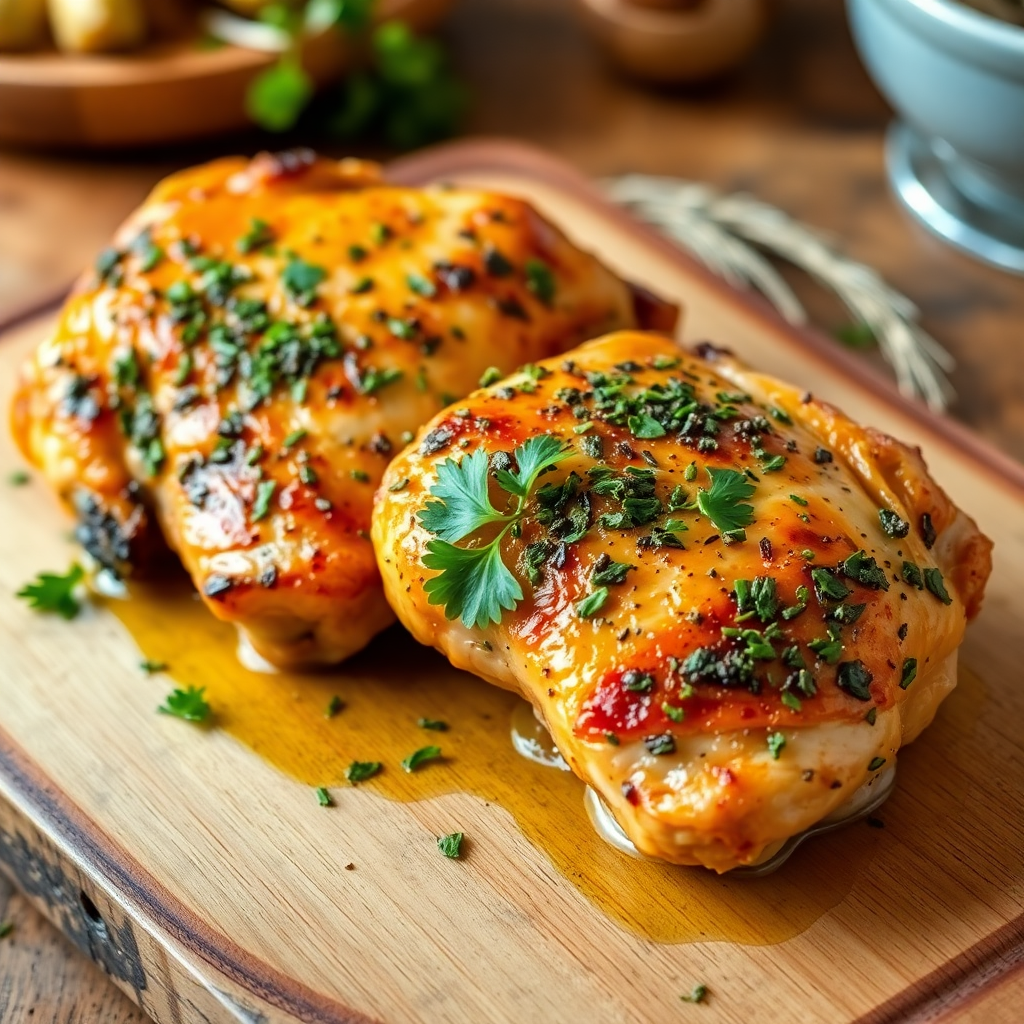
- Herb-Crusted Keto Chicken Thighs — 516 cal, 37 g protein, 40 g fat, 0 g carbs. The reference recipe for this whole article.
- Keto Oven-Roasted Chicken Thighs with Olive Oil and Herbs — 350 cal, 30 g protein, 25 g fat, 0 g carbs. Five ingredients.
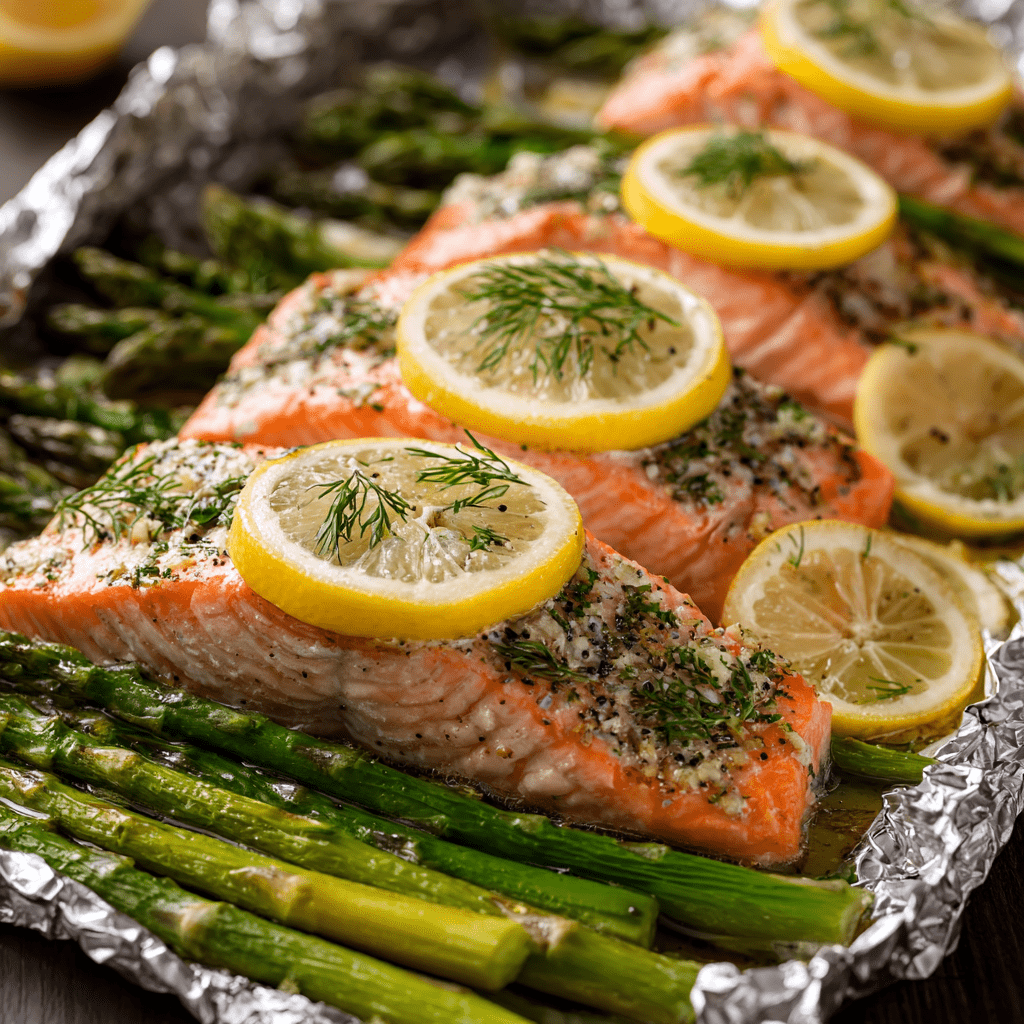
- Sheet Pan Garlic-Herb Chicken Thighs with Asparagus — 480 cal, 38 g protein, 34 g fat, 8 g carbs. Asparagus is 2 g net carbs per 100 g.
- Bacon-Wrapped Chicken Thighs with Garlic-Rosemary Butter — 520 cal, 45 g protein, 38 g fat, 1 g carb. Bacon does the fat-adder job for you.
- Crispy Keto Herb Chicken Thighs with Lemon Butter — 680 cal, 43 g protein, 70 g fat, 1 g carb. The highest-fat recipe here; use it on a day you undershot.
- Garlic-Rosemary Chicken Thighs with Green Beans — 480 cal, 38 g protein, 36 g fat, 4 g carbs.
5 skillet and one-pan keto chicken recipes
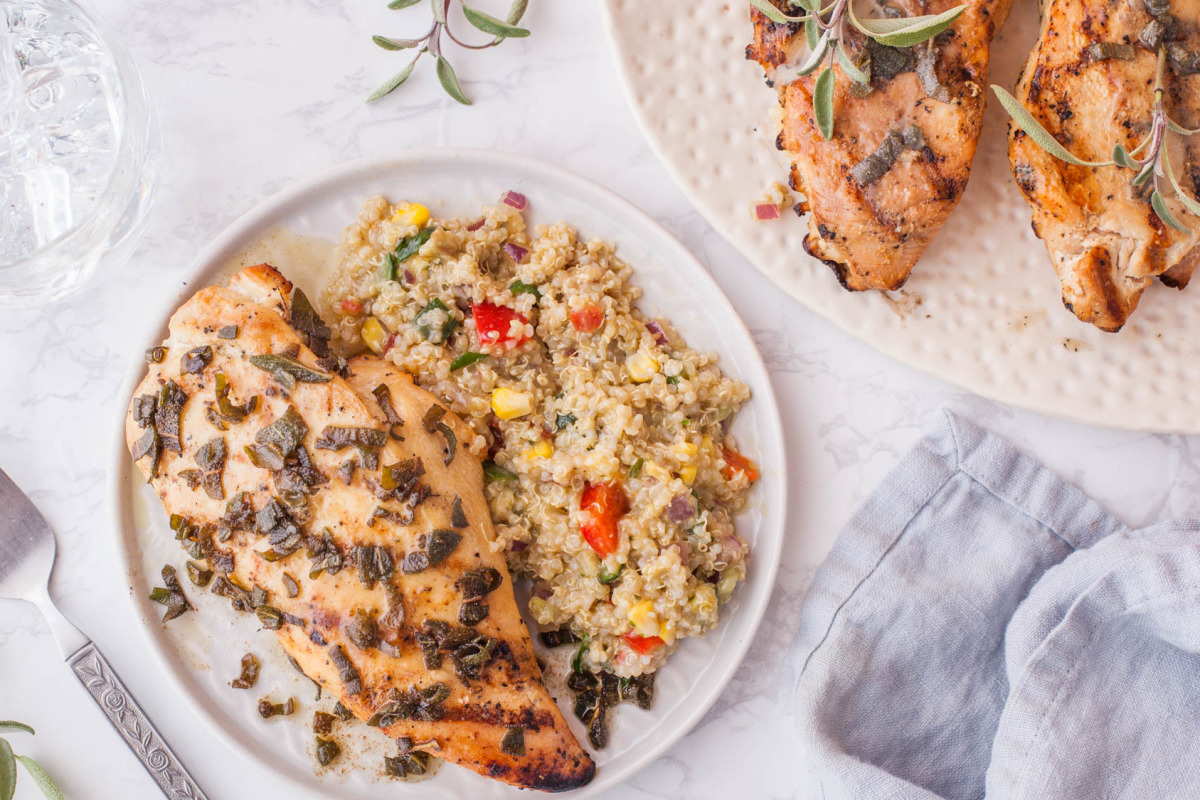
- Keto Pan-Seared Chicken with Herb Butter Sauce — 380 cal, 50 g protein, 20 g fat, 1 g carb.
- Keto Pan-Seared Chicken with Garlic Herb Butter — 350 cal, 45 g protein, 18 g fat, 1 g carb.
- Crispy Lemon-Dill Chicken Thighs with Garlic Butter — 450 cal, 60 g protein, 35 g fat, 1 g carb. The highest-protein entry; pair it with a fatty side.
- Pan-Seared Chicken Thighs with Smoked Paprika and Thyme — 500 cal, 38 g protein, 51 g fat, 0 g carbs.
- Pan-Seared Chicken Thighs with Garlic and Asparagus — 445 cal, 36 g protein, 36 g fat, 1 g carb.
A heavy skillet is the one piece of gear that changes keto chicken outcomes — thin pans drop 80–100°F when cold thighs hit them and you steam instead of sear. Our cookware picks cover cast iron and clad stainless in the $40–150 range.
4 grilled keto chicken recipes
- Keto Lemon-Dill Grilled Chicken Thighs — 314 cal, 22 g protein, 25 g fat, 0 g carbs.
- Grilled Jalapeño Lime Chicken Thighs — 320 cal, 28 g protein, 20 g fat, 2 g carbs.
- Herb-Crusted Keto Chicken with Lemon-Garlic Butter — 380 cal, 35 g protein, 26 g fat, 2 g carbs.
- Pan-Seared Buffalo Lemon-Garlic Chicken Thighs — 350 cal, 28 g protein, 24 g fat, 2 g carbs. Works on the grill with a finishing baste.
Marinade warning. Nearly every bottled BBQ, teriyaki, and honey-mustard marinade runs 6–14 g of sugar per 2-tablespoon serving. Build marinades from oil, acid, salt, and spice instead. Sugar-free hot sauce, lemon, and mayonnaise are all fair game.
4 creamy and cheesy keto chicken bakes
Dairy is where keto chicken gets genuinely good rather than merely compliant.
- Butter-Braised Keto Crack Chicken Soup — 480 cal, 42 g protein, 32 g fat, 5 g carbs.
- Tuscan-Style Chicken Soup with Spinach and Sun-Dried Tomatoes — 350 cal, 34 g protein, 20 g fat, 7 g carbs.
- Keto Crispy Chicken Parmesan with Low-Carb Basil Pesto — 490 cal, 53 g protein, 26 g fat, 4 g carbs. Almond flour and parmesan replace breadcrumbs.
- Keto Buffalo Chicken Dip with Cheddar Cheese — 360 cal, 17 g protein, 33 g fat, 4 g carbs. Technically a dip; eat it with celery and call it dinner.
Sturdy ceramic or enameled bakers hold heat through a 40-minute bake without scorching the cheese edge — see the bakeware roundup.
3 slow-cooker and braised keto chicken recipes
- Bacon Ranch Buffalo Chicken Stew — 450 cal, 38 g protein, 30 g fat, 6 g carbs.
- Keto Chicken Stir-Fry with Sesame and Broccoli — 320 cal, 40 g protein, 12 g fat, 8 g carbs. Add a tablespoon of sesame oil at the finish to lift the fat.
- Quick Keto Chicken Bacon Ranch Salad — 420 cal, 38 g protein, 25 g fat, 7 g carbs. The best use for leftover roast chicken.
3 air-fryer keto chicken recipes
The air fryer is the single best appliance for keto chicken skin: circulating 380–400°F air renders subcutaneous fat and crisps the skin in 18–22 minutes with no added oil.
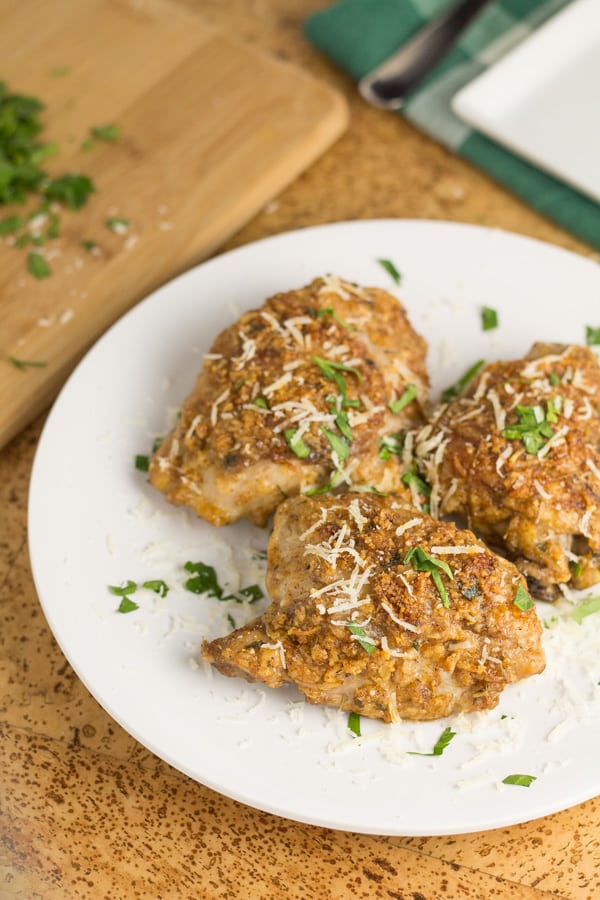
- Air Fryer Garlic Parmesan Chicken Thighs — 450 cal, 45 g protein, 31 g fat, 0 g carbs.
- Air Fryer Bacon-Wrapped Chicken Thighs with Garlic Butter — 370 cal, 24 g protein, 30 g fat, 0 g carbs.
- Keto Bacon Avocado Chicken Salad — 350 cal, 25 g protein, 25 g fat, 10 g carbs. Cook the chicken in the air fryer, then shred.
Air fryer, immersion blender, and a decent digital thermometer are the three appliances that pay for themselves on keto; they live in small appliances.
A 5-day keto chicken dinner plan
Total net carbs from dinner across the week: about 14 g. That leaves room for breakfast and lunch inside a 20 g daily target.
| Day | Dinner | Cal | Protein | Fat | Carbs |
|---|---|---|---|---|---|
| Mon | Herb-Crusted Keto Chicken Thighs | 516 | 37 | 40 | 0 |
| Tue | Air Fryer Garlic Parmesan Chicken Thighs | 450 | 45 | 31 | 0 |
| Wed | Sheet Pan Garlic-Herb Chicken Thighs with Asparagus | 480 | 38 | 34 | 8 |
| Thu | Keto Pan-Seared Chicken with Herb Butter Sauce | 380 | 50 | 20 | 1 |
| Fri | Bacon-Wrapped Chicken Thighs with Garlic-Rosemary Butter | 520 | 45 | 38 | 1 |
Roast a 4 lb pack of thighs on Sunday, keep the rendered schmaltz in a jar, and Monday through Wednesday become 15-minute assemblies. Push the whole week into one order with the meal plan builder, or ask the AI assistant to swap in drumsticks or wings and recalculate.
Real-world numbers — what a keto chicken week costs
Keto's reputation for being expensive comes from people building it on ribeye and salmon. Chicken is what makes it affordable. Here is a five-dinner shop at national-average US grocery prices as of mid-2026, feeding two people:
| Item | Quantity | Approx. cost |
|---|---|---|
| Bone-in skin-on chicken thighs | 5 lb | $9.50 |
| Chicken wings | 2 lb | $6.00 |
| Butter | 1 lb | $4.75 |
| Extra-virgin olive oil | 500 ml | $9.00 |
| Bacon | 12 oz | $6.50 |
| Heavy cream | 1 pint | $4.25 |
| Shredded cheddar | 8 oz | $3.50 |
| Asparagus, green beans, broccoli | ~3 lb total | $9.00 |
| Lemons, garlic, fresh herbs | — | $6.00 |
| Total | ||
| ~$58.50 |
That is ten dinner servings at roughly $5.85 each, or about $2.90 per person per dinner. Swap the thighs for boneless skinless breast and the same week costs $14 more while delivering worse macros — the single clearest argument for cooking keto on thighs.
Two more numbers worth internalizing. First, rendered schmaltz: 5 lb of skin-on thighs yields roughly 3/4 cup of rendered chicken fat, which is 12 tablespoons — about 160 g of free, zero-carb cooking fat you would otherwise buy. Second, cook temperature: thighs are safe at 165°F but are structurally better at 175–185°F, where the connective tissue has converted to gelatin. Breasts must come off at 160°F and rest to 165°F, or they go chalky. A $15 instant-read thermometer is the highest-return keto purchase there is.
Technique — the three things that separate good keto chicken from dry keto chicken
Dry-brine, don't wet-brine. Salt the chicken at 1% of its weight (about 1 teaspoon of kosher salt per pound), uncovered, in the fridge, for 4–24 hours. The salt draws moisture out, dissolves in it, and gets reabsorbed as a concentrated brine — you end up with seasoned meat and a dry surface that browns. A wet brine adds water you then have to cook off, and many commercial brine mixes carry sugar.
Start cold, go slow, for skin. Skin-on thighs go into a cold pan, skin down, over medium-low. The fat renders gradually instead of seizing, and by minute eight to ten you have glass-like skin sitting in its own fat. Cranking the heat to save time gives you a browned-but-flabby skin with unrendered fat underneath — the most common keto chicken disappointment.
Rest, then sauce. Pull the chicken, rest it five minutes, and build the pan sauce in the fond while it rests. Butter, a splash of stock or cream, lemon, herbs — 90 seconds. Sauce built in the pan carries the browned bits and closes the fat gap; sauce poured from a jar usually carries sugar.
Common pitfalls
1. Buying pre-marinated chicken. Grocery-store "lemon herb" or "garlic butter" packs frequently carry 4–9 g of added sugar per serving from the marinade. Read the label; the carb count on plain chicken should be 0.
2. Breading with almond flour and calling it free. Almond flour is about 10 g net carbs per 100 g. A quarter-cup coating on four thighs adds roughly 1.5 g per serving — fine, but not zero, and pork rind crumbs are actually zero.
3. Trimming the fat cap off thighs. It is the reason you bought thighs.
4. Under-salting. Keto is diuretic in the first two weeks; you lose sodium fast. Salt the chicken aggressively and 40 minutes ahead, which also dry-brines it.
5. Counting on "keto" restaurant chicken. Rotisserie birds and fried chicken almost always carry a sugar-bearing rub or a flour dredge. Cook at home or ask for plain grilled.
When keto chicken is the wrong call
If you are training hard and eating at a large deficit, a chicken-heavy keto week can push protein past 30% of calories and stall ketosis. Rotate in fattier proteins — salmon, ribeye, pork belly, eggs — two or three nights a week. And if you are pregnant, managing diabetes on insulin, or taking SGLT2 inhibitors, talk to a clinician before running keto at all. The NIH StatPearls ketogenic-diet review flags those cases specifically: it advises against keto during pregnancy on fetal-growth and nutrient-deficiency grounds, and warns that pairing keto with an SGLT2 inhibitor substantially raises the risk of euglycemic diabetic ketoacidosis — a life-threatening complication that shows up even when blood glucose reads normal. Harvard Health makes the broader version of the same point — the diet's liver, kidney, and micronutrient load is why you should clear it with a doctor and a registered dietitian first. For the broader evidence on long-term adherence and cardiovascular markers, the Harvard Nutrition Source keto review is the most balanced summary available as of 2026.
Where to go next
If you want the full week built for you rather than dinner-only, the complete keto meal plan covers breakfast and lunch too, and keto lunch ideas handles the midday gap that trips up most people in week two. Everything else keto lives on the keto hub.
FAQ
Answers to the questions we get most about keeping chicken keto are below.
Frequently asked questions
How much fat do I need to add to keep chicken keto if I'm eating lean breast?
Are chicken wings really keto if they're breaded or sauced?
Can I do keto chicken meal prep for the week without eating the same thing every night?
Which cooking oils should I use for keto chicken and which to avoid?
Is it worth buying pastured or organic chicken for a keto diet?
Sources
Keto and low-carb recipes from the catalog
Save any of these to My Recipes — no account needed — and send the ingredients to Instacart in one tap.

A keto week without the macro maths.
Ask our AI for low-carb dinners that fit your week — it totals the ingredients and sends the cart to Instacart.
Plan my keto week →