The Complete High-Protein Diet Meal Plan: 25+ Recipes + Shopping List for 2026
The daily protein math, a full 5-day menu, and 30+ catalog recipes with real per-serving numbers — 25 to 55 g each, no spreadsheet required.
A high-protein meal plan is a weekly eating schedule built around 1.2–2.2 g of protein per kilogram of body weight — roughly 100–160 g a day for most adults — split across three meals and two snacks of 25–45 g each. This guide gives you the daily math, a full 5-day menu, 30+ recipes with real protein and calorie numbers, and the shopping list to run it.
Get a free week of easy dinners
Seven weeknight dinners with the shopping list already totalled, sent Sunday. No account needed, unsubscribe in one click.
No spam, unsubscribe in one click. Recipes, shopping lists and Instacart carts all work without an account either way.
Who this plan is for (and who it isn't)
This plan is built for four people. The first is lifting three or more days a week and stalling because dinner is the only meal carrying any protein. The second is in a calorie deficit and starving by 3pm — protein is the most satiating macronutrient per calorie, and fixing breakfast usually fixes the afternoon. The third is over 45 and watching strength quietly leave; protein plus resistance training is the only intervention with strong evidence behind it. The fourth just wants a menu that doesn't require a spreadsheet.
It is not for you if you have chronic kidney disease, are on dialysis, or have been told by a nephrologist to restrict protein. It is also a poor fit if you are in a high-volume endurance block — a marathon build needs carbohydrate as the headline macro, with protein as support at roughly 1.4 g/kg rather than 2.0.
If you already know your numbers and just want the batch-cooking mechanics — cook once, portion five — start with High-Protein Meal Prep: 5-Day Muscle-Building Plan instead. This guide is the layer underneath it: the daily target, the reasoning, and the recipe bench you draw from.
Everything below assumes you cook. Not elaborately — most of these recipes run 10–25 minutes — but you own a pan and use it. If you want the plan rebuilt around your household, allergies, or a specific calorie ceiling, the AislePrompt chat will regenerate the whole week and push the groceries to your shopping list in one prompt.
The math: how much protein you actually need per day
There are three numbers people confuse, and the confusion is why "how much protein" gets a different answer every time you search it.
0.8 g/kg is the RDA. It is a deficiency floor — the amount that keeps a sedentary adult from losing nitrogen, established for population safety, not for performance. For a 165 lb (75 kg) adult that is 60 g a day. Almost nobody reading this article should be targeting it.
1.2–1.6 g/kg is the practical band for active adults. That is 90–120 g a day at 75 kg. This is where satiety, body-composition, and strength benefits show up without the plan becoming a chore. The Harvard T.H. Chan School of Public Health Nutrition Source covers the quality side of this — protein source matters for cardiovascular risk, so the band should be filled with fish, poultry, legumes, and dairy rather than processed meat.
1.6–2.2 g/kg is the training-and-cutting band. 120–165 g a day at 75 kg. The ISSN Position Stand on Protein and Exercise puts the recommendation at 1.4–2.0 g/kg for building and maintaining muscle mass, and higher within a deficit where protein preserves lean tissue while calories fall.
Where does it stop paying? Morton et al.'s 2018 meta-analysis of 49 studies found that resistance-training gains in lean mass plateaued at about 1.62 g/kg/day, with a confidence interval stretching to 2.2. Above that you are buying very little. That single number is the most useful thing in the protein literature: it tells you when to stop adding and start training harder.
Your daily target, by body weight
| Body weight | Maintenance (1.2 g/kg) | Active (1.6 g/kg) | Training + cutting (2.0 g/kg) |
|---|---|---|---|
| 130 lb / 59 kg | 71 g | 94 g | 118 g |
| 150 lb / 68 kg | 82 g | 109 g | 136 g |
| 165 lb / 75 kg | 90 g | 120 g | 150 g |
| 180 lb / 82 kg | 98 g | 131 g | 164 g |
| 200 lb / 91 kg | 109 g | 145 g | 182 g |
| 220 lb / 100 kg | 120 g | 160 g | 200 g |
How to split it across the day
Take your target and divide it into four or five doses of 25–45 g. Even distribution beats back-loading: 30 g at breakfast does more for you than a 90 g dinner, because muscle protein synthesis responds to each feeding rather than to a daily total dumped at 8pm. The practical rule is simple — no meal under 25 g, no snack under 15 g.
A 150 g day looks like this:
| Slot | Target | Example |
|---|---|---|
| Breakfast | 30 g | Eggs and cottage cheese, or a 30 g shake |
| Snack | 15 g | Greek yogurt, jerky, or edamame |
| Lunch | 40 g | Chicken or salmon over grains |
| Snack | 20 g | Cottage cheese, tuna pouch, or a second shake |
| Dinner | 45 g | Steak, turkey breast, or a large fish portion |
That is 150 g without a single heroic meal. The entire trick of a high-protein plan is that breakfast and the two snacks are doing 65 g of quiet work.
The 5-day sample plan (breakfast, lunch, dinner, 2 snacks)
Every recipe linked below is on the site with full ingredients and per-serving macros. The plan lands at roughly 140–160 g of protein and 1,900–2,200 calories a day. Scale portions up or down; the structure holds.
Day 1 — the easy start
- Breakfast (25 g): Egg and Bacon Ranch Breakfast Scramble — 25 g protein, 320 cal, 15 minutes start to finish.
- Snack (20 g): Five-Ingredient Honey Almond Greek Yogurt Parfait — 20 g, 280 cal, no cooking.
- Lunch (45 g): Pan-Seared Chicken Breast with Garlic Spinach and Lemon Zest — 45 g, 280 cal.
- Snack (30 g): Peanut Butter Cocoa Protein Smoothie — 30 g, 350 cal.
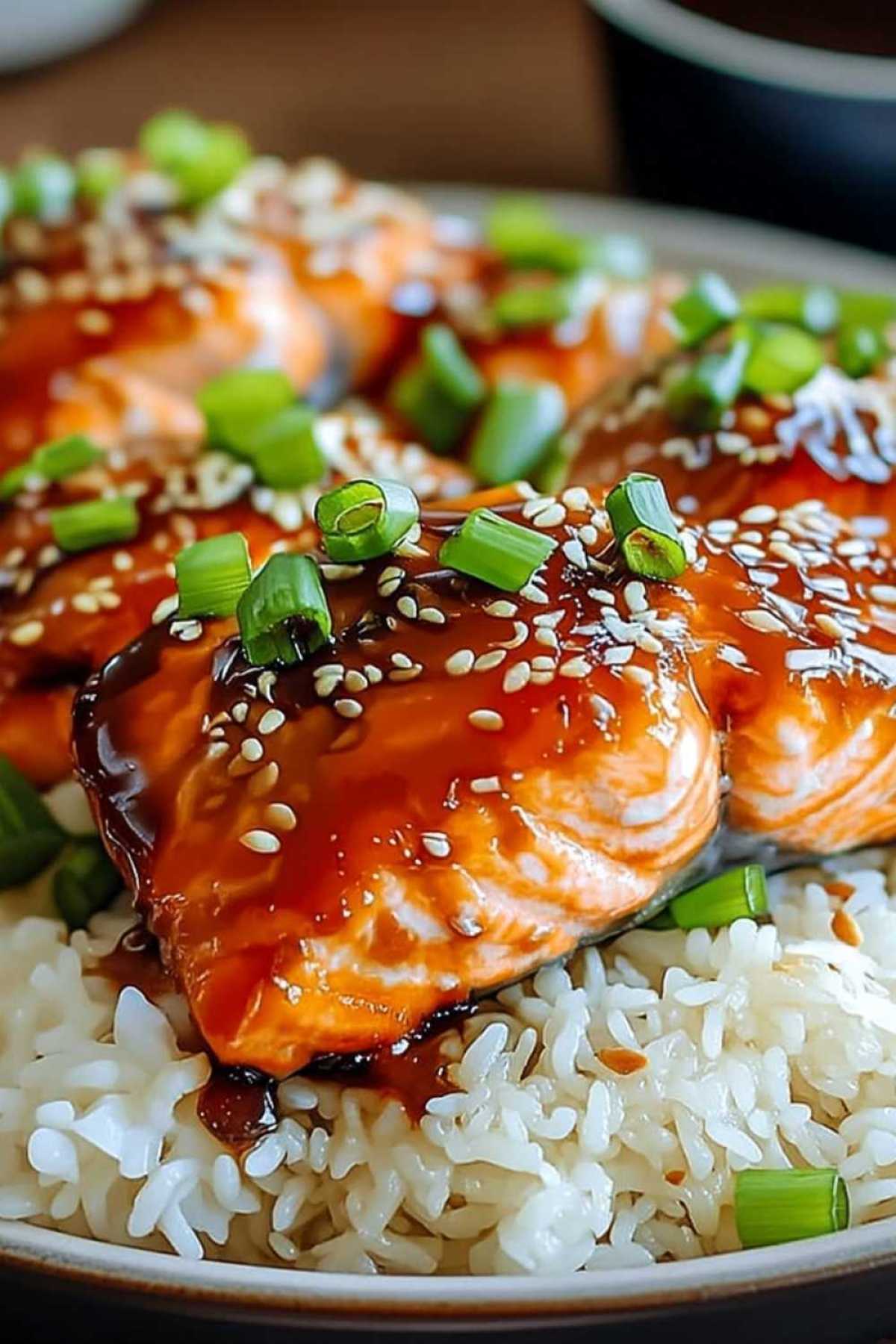
- Dinner (38 g): Soy-Ginger Glazed Salmon with Sesame Rice and Steamed Broccoli — 38 g, 520 cal.
Day total: ~158 g protein, ~1,750 cal.
Day 2 — the batch-cook day
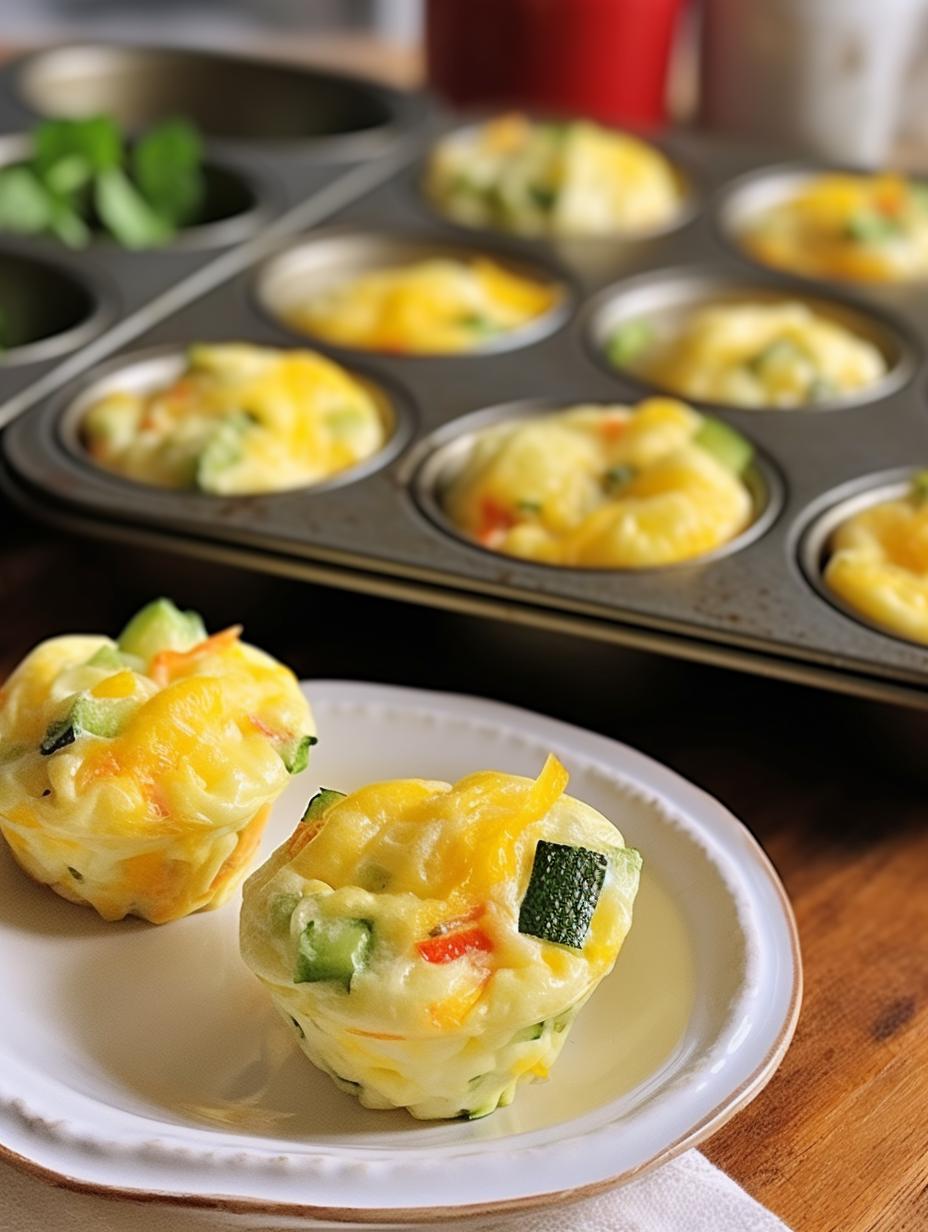
- Breakfast (22 g): Vegetable and Egg Breakfast Bake — bake it Sunday, eat it four mornings.
- Snack (20 g): Triple Berry Smoothie Bowl with Greek Yogurt.
- Lunch (38 g): Slow Cooker Tex-Mex Chicken Chili with Black Beans — makes six servings; this is your Tuesday and Thursday lunch.
- Snack (28 g): Mini Veggie-Packed Turkey Meatballs — four to a portion, eaten cold.
- Dinner (50 g): Herb-Roasted Turkey Breast with Garlic and Thyme — 50 g per serving at 280 cal, the best protein-per-calorie ratio in the whole plan.
Day total: ~158 g protein, ~1,650 cal.
Day 3 — the fast day
- Breakfast (28 g): Skillet Ham and Folded Egg Breakfast Sandwich — 10 minutes.
- Snack (35 g): Magic and Muscles Power Protein Smoothie.
- Lunch (30 g): Cilantro-Lime Shrimp Lettuce Wraps — shrimp cooks in 6 minutes.
- Snack (25 g): Leftover chili, or a plain tuna pouch.
- Dinner (39 g): Beef Stir-Fry with Garlic and Ginger — 10 minutes in a hot pan.
Day total: ~157 g protein, ~1,900 cal.
Day 4 — the plant-forward day
- Breakfast (25 g): Tofu Scramble with Spinach and Avocado.
- Snack (20 g): Roasted edamame and a glass of soy milk.
- Lunch (28 g): Grilled Tofu and Edamame Salad with Sesame-Ginger Vinaigrette.
- Snack (30 g): Peanut Butter Cocoa Protein Smoothie with a plant blend.
- Dinner (35 g): High-Protein Turkey and Quinoa Power Bowl, or Fiery Korean Spicy Tofu Stew (Sundubu Jjigae) to keep the day fully vegetarian.
Day total: ~138 g protein, ~1,850 cal.
Day 5 — the big-dinner day
- Breakfast (25 g): Sweet Potato & Turkey Breakfast Bowl — 200 cal for 25 g is the best breakfast ratio here.
- Snack (20 g): Cottage cheese with black pepper and olive oil.
- Lunch (36 g): Baked Cod with Lemon-Thyme and Garlic — 180 cal, so you can afford a large dinner.
- Snack (25 g): Crispy Tofu Stir-Fry with Golden Soy Glaze, half portion.
- Dinner (55 g): Pan-Seared Chicken with Cottage Cheese Spinach Sauce — 55 g, 380 cal.
Day total: ~161 g protein, ~1,700 cal.
Send any of these days to the meal plan builder and it will consolidate the groceries, deduplicate the overlapping items, and hand you one list.
Top 10 high-protein recipes with 30–50g per serving
These are the highest protein-per-calorie recipes on the site that still taste like dinner. Ratio matters more than raw grams — a 70 g brisket portion at 850 calories is not a high-protein meal, it is a large meal.
| # | Recipe | Protein | Calories | Protein per 100 cal | Time |
|---|---|---|---|---|---|
| 1 | Herb-Roasted Turkey Breast with Garlic and Thyme | 50 g | 280 | 17.9 g | 90 min |
| 2 | Midvale Honey-Glazed Salmon with Asparagus | 54 g | 280 | 19.3 g | 38 min |
| 3 | Baked Cod with Lemon-Thyme and Garlic | 36 g | 180 | 20.0 g | 25 min |
| 4 | Low-Fat Lemon Herb Chicken Breast | 35 g | 180 | 19.4 g | 35 min |
| 5 | Pan-Seared Chicken with Cottage Cheese Spinach Sauce | 55 g | 380 | 14.5 g | 30 min |
| 6 | Pan-Seared Chicken Breast with Garlic Spinach and Lemon Zest | 45 g | 280 | 16.1 g | 25 min |
| 7 | Pan-Seared Ahi Tuna with Wasabi Soy Glaze | 40 g | 280 | 14.3 g | 15 min |
| 8 | Charcoal-Grilled Beef Flank Steak with Garlic and Rosemary | 38 g | 280 | 13.6 g | 25 min |
| 9 | Slow Cooker Tex-Mex Chicken Chili with Black Beans | 38 g | 290 | 13.1 g | 6 hr |
| 10 | One-Pan Salmon and Quinoa Bowl | 42 g | 380 | 11.1 g | 40 min |
Anything above 13 g of protein per 100 calories is a genuinely protein-dense meal. Below 8 g you are eating a normal dinner that happens to contain meat.
High-protein breakfasts under 15 minutes
Breakfast is where high-protein plans die. A bagel is 9 g; oatmeal with milk is 12 g. Both leave you 20 g short before you have started the day, and that gap is what you spend the afternoon trying to claw back.
Five options that clear 20 g and take under 15 minutes:
1. Egg and Bacon Ranch Breakfast Scramble — 25 g, 320 cal, 15 min. Three eggs plus the bacon does the work.
2. Skillet Ham and Folded Egg Breakfast Sandwich — 28 g, 350 cal, 10 min. The folded-egg technique is the whole trick: one pan, no flipping.
3. Tofu Scramble with Spinach and Avocado — 25 g, 280 cal, 15 min. Firm tofu, crumbled, with turmeric for color.
4. Magic and Muscles Power Protein Smoothie — 35 g, 350 cal, 5 min. The highest-protein 5-minute option here.
5. Sweet Potato & Turkey Breakfast Bowl — 25 g, 200 cal, 25 min. Make it Sunday, reheat Monday through Wednesday.
For the make-ahead route — bake once, eat four mornings — the Vegetable and Egg Breakfast Bake and our bulk breakfast meal prep guide cover the full rotation.
Two cold options worth keeping in the fridge permanently: cottage cheese (14 g per half cup, and as of 2026 the high-protein versions run 18–20 g) and plain Greek yogurt (17 g per 3/4 cup). Both take zero minutes. The Five-Ingredient Honey Almond Greek Yogurt Parfait and the Triple Berry Smoothie Bowl with Greek Yogurt turn them into something you'll actually look forward to.
Dinner ideas: chicken, salmon, tofu, lean beef, shrimp
Chicken — the cheapest reliable 40 g
Breast is 31 g per cooked 4 oz at 165 calories, which is the best mainstream protein-per-calorie ratio in the supermarket. Thighs are 25 g at 210 calories and far more forgiving — if you keep overcooking breast, switch.
Start with Low-Fat Lemon Herb Chicken Breast (35 g, 180 cal) as the base technique, then run the variations: Sautéed Chicken with Garlic and Spinach Budget Bowl at 45 g, Grilled Lemon-Pepper Chicken with Garlic-Parsley Quinoa at 38 g, and the 55 g Pan-Seared Chicken with Cottage Cheese Spinach Sauce — which uses blended cottage cheese instead of cream and adds about 12 g of protein to a sauce that normally adds none.
Salmon and white fish — protein plus omega-3
Salmon runs 22–25 g per 4 oz with 1,500–2,200 mg of EPA/DHA. Cod and tilapia are leaner still — 20–23 g at 90–110 calories — so they're the right call when dinner has to be small.
Midvale Honey-Glazed Salmon with Asparagus is the flagship at 54 g and 280 calories. Lemon-Dill Baked Salmon with Asparagus is the weeknight version at 150 calories, and Soy-Ginger Glazed Salmon with Sesame Rice and Steamed Broccoli is the version you serve to guests. On the white-fish side, Baked Cod with Lemon-Thyme and Garlic is 36 g at 180 calories in 25 minutes. If you're new to cooking fish, our complete salmon guide covers doneness temperatures and buying.
Tofu, tempeh, and seitan — the plant column
Firm tofu is 10 g per 3 oz, tempeh 19 g per 3 oz, and seitan 21–25 g per 3 oz. Tofu alone will not get you to 130 g a day; tofu plus tempeh plus legumes plus dairy will.
Crispy Tofu Stir-Fry with Golden Soy Glaze is the technique piece — press the tofu 20 minutes, cornstarch, hot pan. Grilled Tofu and Edamame Salad with Sesame-Ginger Vinaigrette stacks two soy proteins for 28 g in a salad. Fiery Korean Spicy Tofu Stew (Sundubu Jjigae) hits 28 g at 280 calories, and Stir-Fried Tofu with Curry Leaves and Garlic is the 15-minute fallback. For a full week of plant-based bowls, see our high-protein vegetarian collection.
Lean beef and turkey
Flank, sirloin, and 93/7 ground beef are the lean cuts worth building around — 26 g per 4 oz at 180–210 calories. Ribeye and brisket are 70 g of protein wrapped in 800 calories, which is a different kind of meal.
Charcoal-Grilled Beef Flank Steak with Garlic and Rosemary (38 g, 280 cal) and Beef Stir-Fry with Garlic and Ginger (39 g, 300 cal) are the two to learn. On the turkey side, Herb-Roasted Turkey Breast with Garlic and Thyme is the single best ratio in this article at 50 g for 280 calories, and Zucchini Noodle Stir-Fry with Ginger and Ground Turkey turns a pound of ground turkey into four 35 g dinners.
Shrimp — 30 g in ten minutes
Shrimp is 24 g per 4 oz at 110 calories and cooks from frozen in under 8 minutes, which makes it the fastest 30 g meal in the freezer aisle. One-Pan Shrimp Fajita Bowl with Bell Peppers and Zucchini and Cilantro-Lime Shrimp Lettuce Wraps are both 30 g at 220 calories. Buy 16/20-count raw, peeled, deveined and keep two pounds frozen.
What to buy: pantry staples + kitchen tools
The weekly protein shop
| Item | Protein | Typical unit | Why it's on the list |
|---|---|---|---|
| Chicken breast | 31 g / 4 oz | 3 lb pack | Best mainstream ratio |
| 93/7 ground turkey | 26 g / 4 oz | 1 lb | Four dinners from one pack |
| Salmon fillets | 25 g / 4 oz | 1.5 lb frozen | Protein plus omega-3 |
| Frozen raw shrimp | 24 g / 4 oz | 2 lb bag | Fastest cook time |
| Large eggs | 6 g each | 18-count | Breakfast backbone |
| Cottage cheese | 14–20 g / half cup | 32 oz tub | Zero-prep snack |
| Plain Greek yogurt | 17 g / 3/4 cup | 32 oz tub | Snack and sauce base |
| Extra-firm tofu | 10 g / 3 oz | 2 blocks | Plant column |
| Canned tuna or pouches | 25 g / pouch | 6 pack | Emergency 25 g |
| Lentils, dry | 18 g / cup cooked | 1 lb bag | Cheapest protein on the list |
| Frozen edamame | 18 g / cup | 1 lb bag | Snack that isn't dairy |
Everything in that table is in the pantry tracker, so when you cook a recipe the counts come down automatically and the reorder shows up on next week's list.
Tools that matter (and the ones that don't)
Four purchases actually change how a high-protein plan runs:
- A digital kitchen scale. Protein targets are meaningless if "a chicken breast" is anywhere from 4 to 10 oz — a 6 oz difference is 45 g of protein. A $15 scale from the kitchen gadgets aisle is the highest-leverage tool in this entire article.
- A 12-inch stainless or carbon-steel skillet. Nearly every recipe above is a sear. A pan that holds heat is the difference between browned chicken and steamed chicken. See the cookware category for the sizes that fit a 4-serving batch.
- An instant-read thermometer. Chicken breast at 165 °F is juicy; the same breast pulled by eye at 180 °F is the reason you think you dislike chicken breast. Salmon comes off at 125–130 °F.
- Glass storage containers. Batch cooking is the entire mechanism of this plan, and it fails when leftovers go into containers you don't want to open. The storage category covers the 2-cup and 4-cup sizes that hold one portion each.
A sharp chef's knife from the knives category speeds up the vegetable side, and if you're leaning on the slow-cooker chili, the small appliances picks cover the 6-quart size this plan assumes.
What you do not need: a food scale app subscription, branded meal-prep systems, BCAA powder (redundant if you're hitting 1.6 g/kg), or a second freezer.
Protein per dollar: what to buy when the budget is tight
Cost per gram of protein varies by more than 10× across the store, and the cheap end is not the low-quality end. Prices below are US supermarket averages as of 2026 and will vary by region.
| Source | Typical price | Protein per unit | Rough cost per 25 g |
|---|---|---|---|
| Dry lentils | $1.80 / lb | 18 g per cooked cup | $0.15 |
| Large eggs | $3.50 / dozen | 6 g each | $0.60 |
| Canned tuna | $1.20 / can | 25 g per can | $1.20 |
| Cottage cheese | $4.00 / 32 oz | 14 g per half cup | $0.90 |
| Chicken thighs | $2.50 / lb | 25 g per 4 oz | $0.60 |
| Chicken breast | $4.00 / lb | 31 g per 4 oz | $0.80 |
| Greek yogurt | $5.50 / 32 oz | 17 g per 3/4 cup | $1.30 |
| Whey protein | $35 / 2 lb | 25 g per scoop | $1.20 |
| Frozen shrimp | $9.00 / lb | 24 g per 4 oz | $2.30 |
| Salmon fillet | $12.00 / lb | 25 g per 4 oz | $3.00 |
The pattern: legumes, eggs, and chicken thighs carry a budget plan; salmon and shrimp are what you spend the savings on. Budget Meal Prep Under $5 Per Portion runs the same logic across a full week, and the $75/week grocery budget plan shows how the protein line fits a hard cap.
If you want the exact per-100 g protein figures for anything not listed here, USDA FoodData Central is the primary source and it is free.
Common mistakes that sink a high-protein plan
Back-loading everything into dinner. A 25 g breakfast, 30 g lunch, and 45 g dinner beats a 10/15/95 split at the same daily total. Fix breakfast first; it is the single highest-return change.
Counting the whole recipe instead of the serving. A chili that says "38 g protein" is 38 g per serving of six, not 38 g for the pot. This is the most common reason a food log and a bathroom scale disagree.
Buying "high-protein" packaged food without reading the panel. As of 2026 a lot of protein bars land at 10–12 g for 250 calories, which is worse than plain Greek yogurt at a third of the price. The bar is a candy bar with a claim on it.
Dropping fiber. Swapping carbohydrate for protein without keeping vegetables and legumes in the plan is the actual cause of the digestive complaints people blame on protein itself. Every plan day above carries at least two vegetable-forward dishes for this reason.
Under-eating calories entirely. If total intake is too low, protein gets burned for energy rather than used for repair. A high-protein plan is not automatically a low-calorie plan, and it works best when it isn't.
When a high-protein plan is the wrong tool
If you have chronic kidney disease, reduced eGFR, or are on dialysis, protein restriction — not protein loading — is the standard of care, and this plan is the opposite of what you need. Talk to your nephrologist first.
If you are in a marathon or long-course triathlon build, carbohydrate is the limiting macro and protein sits in a support role near 1.4 g/kg. Pushing to 2.2 g/kg here just crowds out the fuel you need.
If your actual problem is total calories rather than composition — you are not eating enough, full stop — start there. And if you're already at 1.6 g/kg and not gaining, the Morton meta-analysis is clear that more protein isn't the missing variable. Training volume, sleep, and total calories are.
Frequently asked questions
How much protein do I actually need per day?
The RDA floor is 0.8 g per kg of body weight — enough to prevent deficiency, not enough for muscle building or satiety. Most active adults do better at 1.2–1.6 g/kg (about 90–130 g a day for a 165 lb person), and people training seriously or losing weight often push toward 1.6–2.2 g/kg. Spread it across three to four meals of 25–40 g each; even distribution across the day outperforms the same total dumped into dinner.
Do I need protein powder to hit high-protein targets?
No. A food-first plan clears 130 g easily with cottage cheese, Greek yogurt, eggs, chicken, salmon, and legumes. Powder is a convenience tool for the 4pm gap or straight after training — 25 g of whey in a shake costs about $1.20 and takes 30 seconds. If you use one, whey isolate is the most-studied option; plant blends (pea plus rice plus hemp) reach a comparable amino profile if you're vegan.
Is a high-protein diet safe for your kidneys?
For healthy adults without existing kidney disease, intakes up to roughly 2.2 g/kg have not shown adverse renal effects in controlled studies. The "protein damages kidneys" claim comes from research on people with pre-existing chronic kidney disease, where restriction genuinely is warranted. If you have any kidney condition, a family history, or diabetes, talk to your doctor before increasing intake — and drink more water, since higher protein raises fluid needs slightly.
Can I do high-protein on a budget?
Yes. The cheapest high-quality sources are dry lentils, eggs, canned tuna, cottage cheese, chicken thighs, and Greek yogurt — see the protein-per-dollar table above, where the spread runs from about $0.15 to $3.00 per 25 g. Skip premium cuts and pre-cooked meat strips, which roughly double the cost per gram. AislePrompt's shopping list flags cheaper per-gram protein swaps as you build the week.
Does this plan work if I don't eat meat?
Yes. Day 4 above is already fully plant-forward, and the plan has a vegetarian variant built on tofu (10 g per 3 oz), tempeh (19 g per 3 oz), seitan (21–25 g per 3 oz), Greek yogurt, cottage cheese, eggs, and lentils. Fully vegan takes more planning to reach 130 g a day but is achievable with tofu, tempeh, seitan, legumes, and soy milk. Ask AislePrompt chat to rebuild the whole 5-day plan as vegetarian or vegan in one prompt.
For anything else, AislePrompt chat will rebuild this plan around your calorie target, allergies, household size, or budget and push the groceries straight to your list.
Sources
- Harvard T.H. Chan School of Public Health — The Nutrition Source: Protein — protein quality, sources, and cardiovascular considerations.
- Morton et al. (2018), British Journal of Sports Medicine — systematic review and meta-analysis of protein supplementation and resistance training — the 1.62 g/kg/day plateau.
- International Society of Sports Nutrition Position Stand: Protein and Exercise (Jäger et al., 2017) — 1.4–2.0 g/kg recommendations and per-meal dosing.
- USDA FoodData Central — per-food protein and calorie figures used throughout this guide.
This article is general nutrition information, not medical advice. If you have a kidney condition, diabetes, or are pregnant, talk to your doctor before making a large change to protein intake.
Frequently asked questions
How much protein do I actually need per day?
Do I need protein powder to hit high-protein targets?
Is a high-protein diet safe for your kidneys?
Can I do high-protein on a budget?
Does this plan work if I don't eat meat?
Sources
Recipes to start your week with
Save any of these to My Recipes — no account needed — and send the ingredients to Instacart in one tap.

A high-protein week, planned for you.
Ask our AI for seven high-protein dinners — it builds the shopping list and sends the cart to Instacart. No account needed.
Plan my high-protein week →